
Gluten-Free Baking Risk Checker
Check Your Baking Safety
Answer these questions to identify potential hidden gluten sources in your gluten-free baking.
You bought the gluten-free cake mix. You read every label. You even wiped down your counter before baking. But your child still got a stomachache after eating a slice. That’s not rare. In fact, it’s more common than most people think. Gluten hides in places you’d never expect-even in things labeled "gluten-free."
Gluten Isn’t Just in Bread
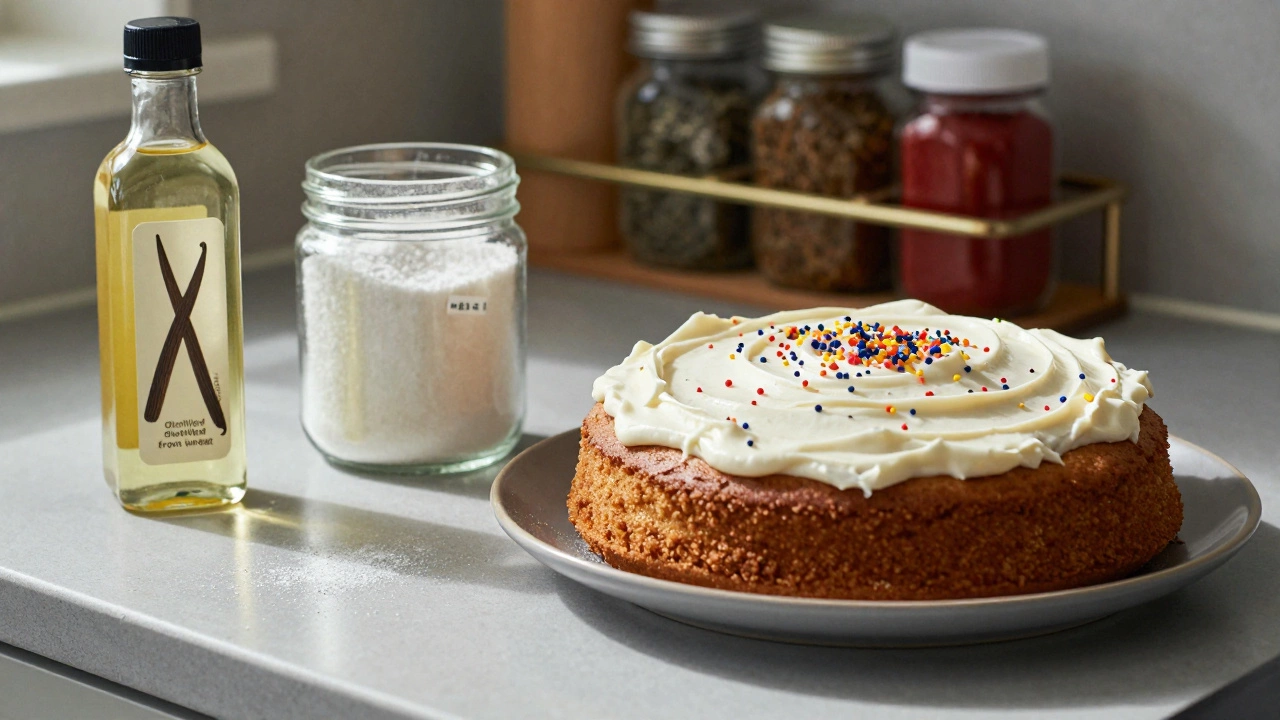
Most people think gluten means wheat, barley, or rye. And yes, those are the big ones. But gluten doesn’t always come with a warning label. It sneaks into ingredients you assume are safe. Take gluten-free cakes, for example. You think they’re clean because they use rice flour or almond meal. But what’s in the vanilla extract? The chocolate chips? The powdered sugar?
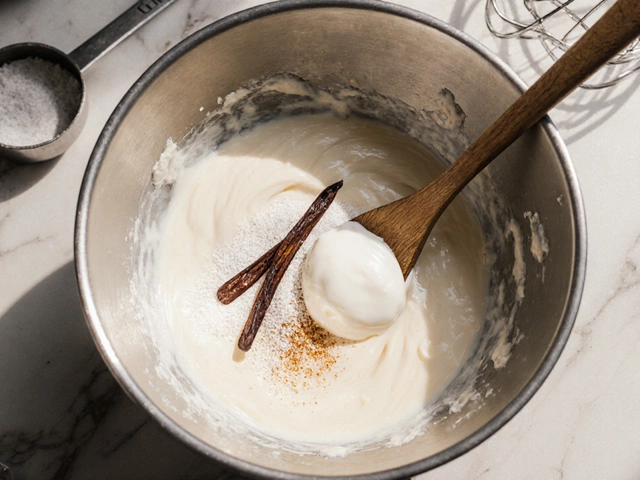
Many vanilla extracts use grain alcohol made from wheat. Even though the alcohol is distilled (and technically gluten-free by FDA standards), some people with celiac disease still react. Why? Because trace proteins can survive distillation, or cross-contamination happens during production. The same goes for food coloring, emulsifiers, and stabilizers. They’re not labeled as wheat, but they’re often processed on the same lines.
Decorations and Frostings Are the Worst Offenders
That beautiful buttercream topping on your gluten-free cake? It might be the problem. Many store-bought frostings contain modified food starch. That term sounds harmless. But unless it says "made from corn" or "gluten-free certified," it could be from wheat. In the U.S., if a product says "modified food starch" without specifying the source, it’s likely wheat-based.
And don’t trust "natural flavors." That’s a black box. It could contain barley malt extract, wheat-based hydrolyzed vegetable protein, or even wheat-derived dextrose. I’ve seen cakes labeled "gluten-free" with a list of ingredients that included "natural flavor (wheat)"-hidden in plain sight.
Even sprinkles can be dangerous. Some are dusted with wheat starch to prevent clumping. Others are made in facilities that also process wheat cookies. A 2023 study by the Celiac Support Association found that 17% of "gluten-free" sprinkles tested positive for gluten above 20 ppm-the legal limit in the U.S. But even that’s too much for some people.
Flours Aren’t Always Safe, Either
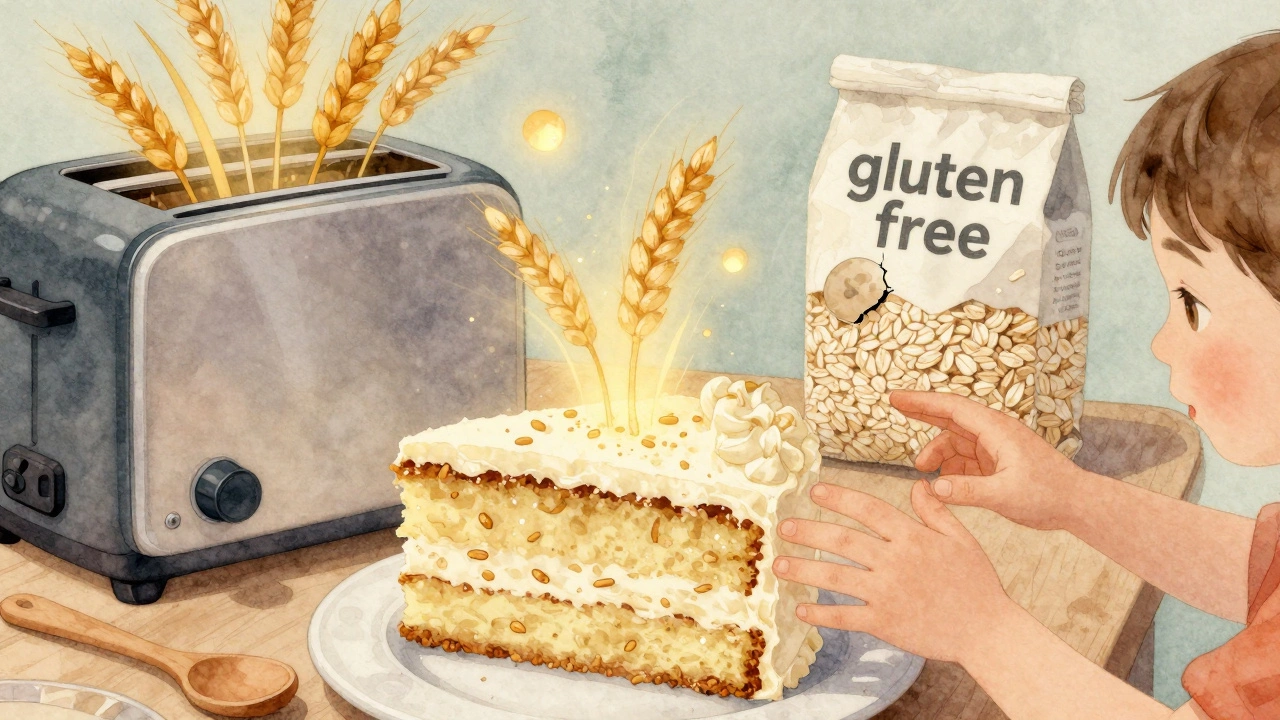
Just because a flour isn’t wheat doesn’t mean it’s gluten-free. Oats are the classic example. Pure oats are naturally gluten-free. But 90% of commercial oats are contaminated because they’re grown in rotation with wheat, harvested with the same equipment, and processed in the same mills.
Even certified gluten-free oats can be risky if your kitchen isn’t clean. If you’ve ever used a wooden spoon that sat in a bowl of regular flour, or if your sifter hasn’t been washed since you made a batch of banana bread, you’re not baking gluten-free-you’re baking cross-contaminated.
And what about buckwheat? It’s not wheat. It’s a seed. But some brands mix it with wheat flour to cut costs. I once bought a bag labeled "100% buckwheat flour"-and the ingredient list had wheat flour as the second ingredient. The label said "gluten-free" on the front. The truth was in the tiny print on the back.
Pre-Mixed Ingredients Are a Minefield
Most home bakers rely on pre-mixed ingredients. Baking powder? Often contains cornstarch, but some brands use wheat starch. Powdered sugar? Sometimes contains a tiny bit of cornstarch to prevent clumping-but again, not always. And if it’s not labeled gluten-free, assume it’s risky.
Even vanilla bean paste can be a problem. Some brands use alcohol derived from wheat. Others use caramel color made from barley malt. These aren’t obvious. They don’t scream "gluten." But they’re enough to trigger a reaction in sensitive people.
And then there’s the spice rack. Cinnamon? Paprika? Some are dusted with flour to prevent caking. I once tested a jar of ground cinnamon that tested at 120 ppm gluten. That’s six times the legal limit. It came from a brand that didn’t even mention gluten on the label.
How to Actually Bake a Safe Gluten-Free Cake
Here’s how to avoid the traps:
- Buy only certified gluten-free ingredients. Look for the GFCO or Coeliac UK seal-not just "gluten-free" on the front.
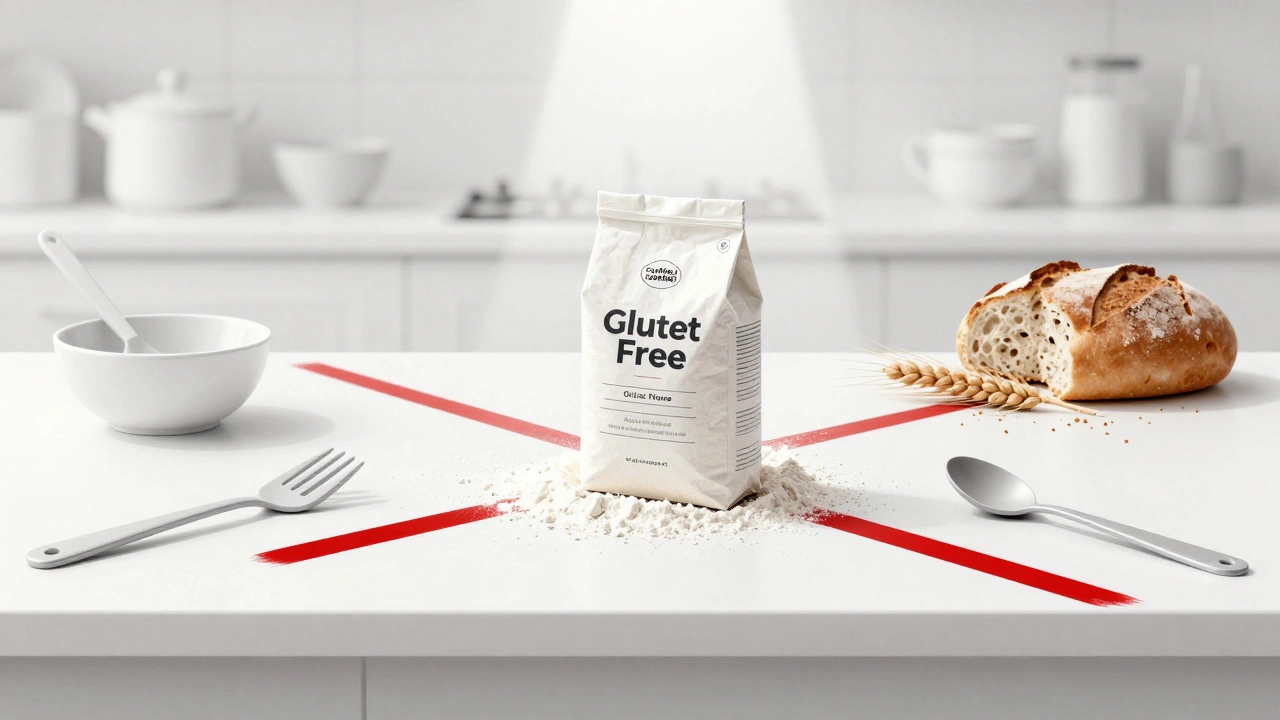
- Use dedicated utensils. Never use the same whisk, spatula, or measuring cup you’ve used for regular flour.
- Wipe down surfaces with a damp cloth and gluten-free cleaner. Flour dust lingers for days.
- Don’t use shared toasters. Even crumbs from a single slice of bread can contaminate your gluten-free bread or cake.
- Check every spice, extract, and flavoring. Call the manufacturer if the label is vague.
- Make your own powdered sugar. Blend granulated sugar with cornstarch (gluten-free certified) in a clean blender.
And here’s a pro tip: buy your flour blend from a company that tests every batch. Brands like Bob’s Red Mill and King Arthur have strict protocols. They test each batch with a gluten ELISA test. That’s not just marketing-it’s science.
Why This Matters More Than You Think
Gluten isn’t just about bloating or a tummy ache. For people with celiac disease, even 50 milligrams of gluten-a crumb-can damage the small intestine. That damage doesn’t always show up as pain. It can mean nutrient malabsorption, fatigue, brain fog, or long-term complications like osteoporosis or lymphoma.
And it’s not just celiac. Non-celiac gluten sensitivity is real. People who test negative for celiac still get sick from gluten. Their bodies react differently, but the damage is still there.
So when you bake a gluten-free cake, you’re not just making dessert. You’re making medicine for someone who can’t afford mistakes.
What to Do If You’ve Been Eating "Gluten-Free" Cake and Still Feel Sick
If you’ve been eating gluten-free cakes and still get symptoms, here’s what to check:
- Did you use a pre-made frosting or topping?
- Did you use oats-even "gluten-free" ones?
- Was the flour bought from a bulk bin?
- Did you use the same mixing bowl as regular baking?
- Was the cake baked in a shared oven?
Start by switching to certified gluten-free ingredients only. Buy single-ingredient items. Make your own vanilla extract using vodka and vanilla beans. Skip the sprinkles. Use fresh fruit instead. Test your kitchen tools. Wash everything in hot, soapy water. Then bake again.
If symptoms persist, talk to a doctor. You might need a blood test or endoscopy to check for intestinal damage.
Final Thought: Gluten-Free Doesn’t Mean Safe
Just because something says "gluten-free" doesn’t mean it’s safe. It means it meets a legal standard. And that standard isn’t always enough. Real safety comes from awareness, diligence, and knowing where your ingredients come from.
Gluten-free baking isn’t about replacing wheat. It’s about rebuilding trust-with your ingredients, your tools, and your body.
Can gluten-free oats still cause a reaction?
Yes. Even certified gluten-free oats can cause reactions in some people because they’re often grown near wheat fields or processed on shared equipment. Some individuals with celiac disease react to avenin, a protein in oats that’s structurally similar to gluten. Always choose oats labeled "gluten-free" and test your tolerance carefully.
Is vanilla extract safe for gluten-free baking?
Distilled alcohol from wheat is considered gluten-free by the FDA, but some people still react. For safety, choose vanilla extract labeled "gluten-free" or make your own using certified gluten-free vodka and vanilla beans. Avoid extracts with "natural flavors" unless the source is confirmed.
Can I use the same oven for gluten-free and regular baking?
It’s risky. Flour particles can float in the air and settle on pans or baking sheets. If you must use the same oven, bake gluten-free items first, clean the racks and walls thoroughly, and use a separate baking sheet or pan. Consider using a toaster oven just for gluten-free baking.
Are all powdered sugars gluten-free?
No. Some powdered sugars use wheat starch as an anti-caking agent. Always check the label. Look for "gluten-free" certification or make your own by blending granulated sugar with cornstarch in a clean blender.
Why do some gluten-free cakes still make me sick?
Cross-contamination is the most common reason. Even tiny amounts of gluten from shared utensils, surfaces, or ingredients like spices, extracts, or frosting can trigger symptoms. Always use dedicated tools, certified ingredients, and clean your workspace before baking.
Popular Posts
Do Gluten-Free Cakes Need More Baking Powder?
Feb, 21 2025
What Makes a Cookie Legendary?
Feb, 11 2025
Top Tips for Baking Fluffy Homemade Cookies
Nov, 26 2024