Luxury Cake Cost Calculator
Build your dream cake below. Select your tier size, choose your ingredients from Standard to Luxury options, and add labor hours to see the true cost.
Estimated Total Cost
Ingredients: £0.00
Labor Value: £0.00
vs. Basic Sponge: ~£5.00
You might think a birthday cake from your local bakery is pricey until you see the receipt for a homemade luxury cake that rivals a small car payment. It’s not just about the flour and sugar; it’s about where those ingredients come from and how much labor goes into them. If you’ve ever wondered what pushes a homemade cake from "treat" to "investment," you’re in the right place.
The answer isn’t a single recipe but a combination of ultra-premium ingredients and specialized techniques. While a standard Victoria sponge might cost £5 to make, a true luxury homemade cake can easily hit £100-£200 per tier depending on your choices. This article breaks down exactly what makes a homemade cake expensive, identifies the most costly components, and shows you how to build a showstopper without needing a loan.
Why Homemade Can Cost More Than Store-Bought
Counterintuitively, making a cake at home can be more expensive than buying one from a supermarket or even a boutique bakery. Why? Because commercial bakeries buy ingredients in bulk and use stabilizers that extend shelf life and reduce waste. When you bake at home, you’re paying retail prices for high-quality items, and you don’t get economies of scale.
But there’s another factor: precision. Professional bakers often use cheaper fats and artificial flavorings to keep margins healthy. At home, if you want that rich, velvety mouthfeel, you reach for single-origin butter and real vanilla pods instead of extract. That switch alone can add £10-£15 to a batch. The "most expensive" homemade cake isn’t defined by complexity alone-it’s defined by ingredient purity and rarity.
The Price Drivers: Breaking Down the Ingredients
To understand what makes a cake expensive, you have to look at the unit cost of its core components. Flour and eggs are negligible. Even a dozen free-range eggs won’t break the bank. The money lives in the fats, sweeteners, and flavorings.
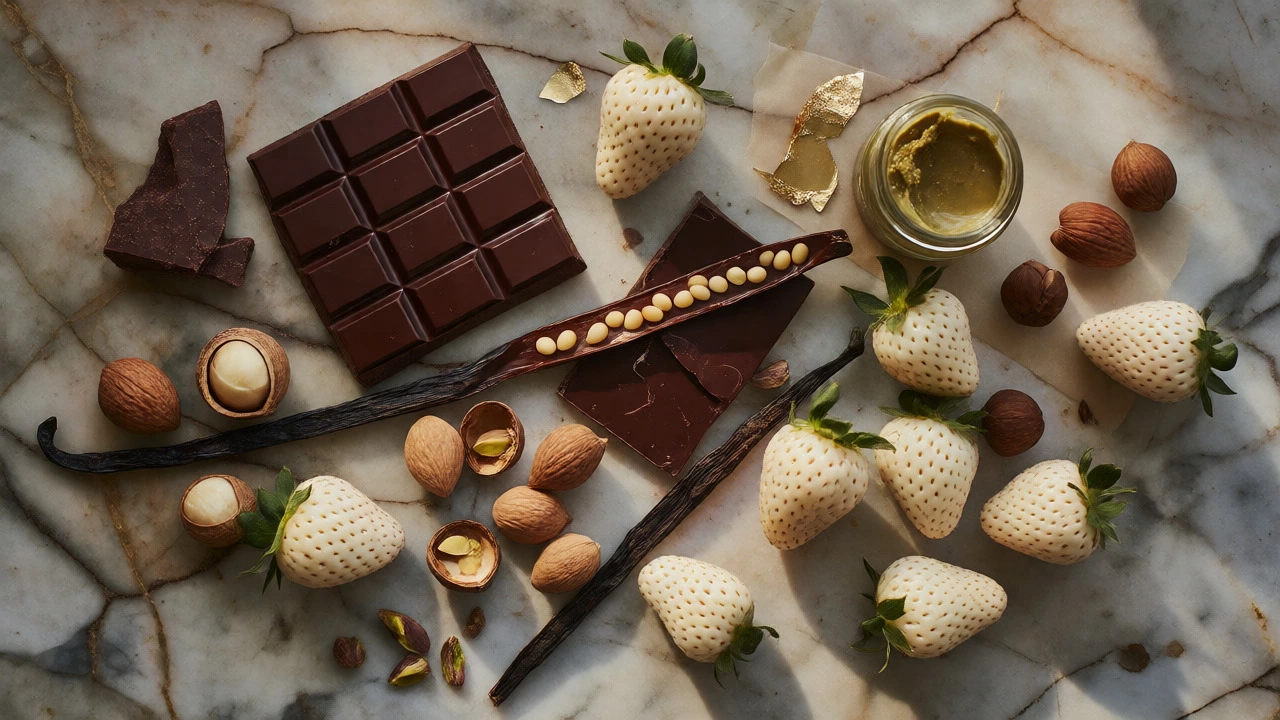
| Ingredient Category | Standard Option (Approx. Cost) | Luxury Option (Approx. Cost) | Impact on Flavor/Texture |
|---|---|---|---|
| Chocolate | Generic Cocoa Powder (£2/kg) | 70% Single-Origin Dark Chocolate (£40+/kg) | Complexity, depth, snap |
| Vanilla | Synthetic Extract (£3/bottle) | Tahitian Vanilla Pods (£8/pod) | Aromatic floral notes, natural sweetness |
| Berries | Frozen Mixed Berries (£3/box) | White Strawberries (£25/box) | Rarity, visual appeal, delicate taste |
| Nuts | Peanuts (£2/kg) | Macadamia Nuts (£60/kg) | Creamy texture, subtle richness |
| Edible Gold | N/A | 24k Edible Gold Leaf (£15/sheet) | Luxury aesthetic, neutral taste |
As you can see, the jump from standard to luxury isn’t linear-it’s exponential. Using white strawberries instead of regular ones doesn’t just change the color; it changes the entire perception of value. And yes, edible gold leaf adds zero flavor but massive perceived value.
The Contender: What Is the Most Expensive Homemade Cake?
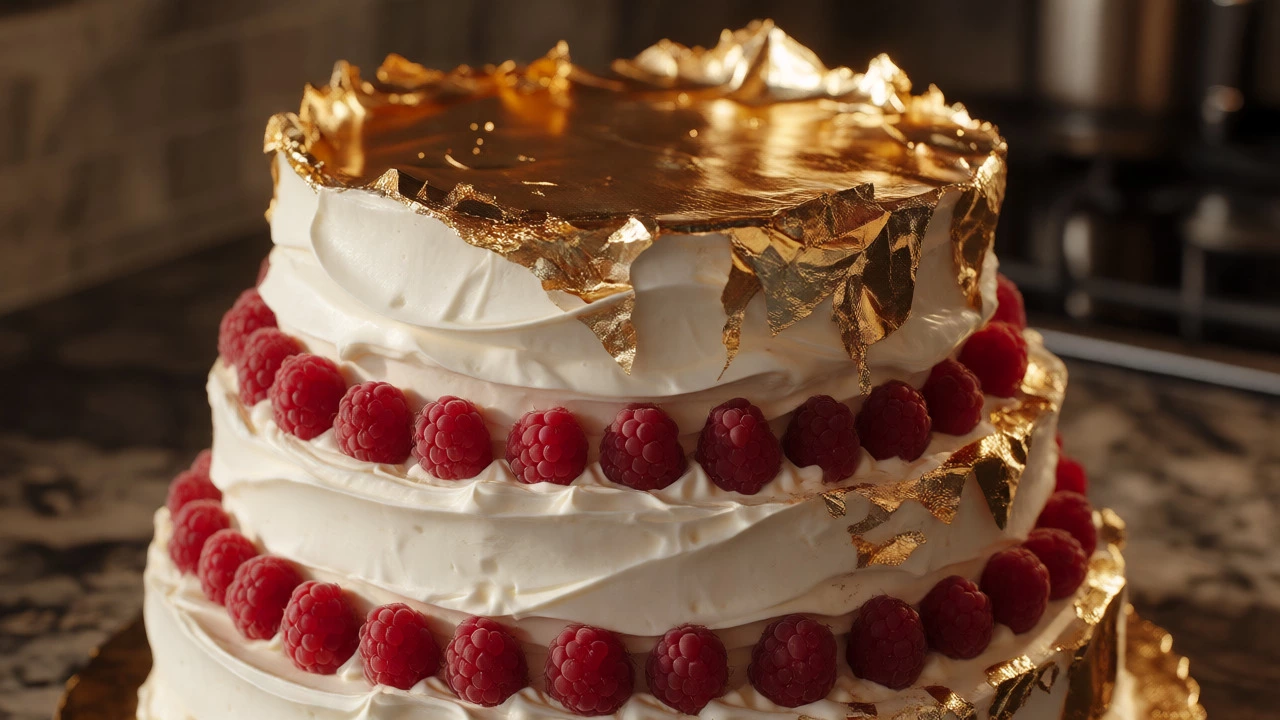
If we define "most expensive" by ingredient cost rather than labor hours, the winner is almost always a variation of the Gold-Dusted White Chocolate Raspberry Gateau. Here’s why this specific combination tops the charts:
- White Chocolate: High-quality white chocolate contains cocoa butter, which is significantly more expensive than milk fat found in standard white chips. Brands like Valrhona or Callebaut can cost three times more than supermarket alternatives.
- Raspberries: Fresh raspberries are fragile and perishable. Out-of-season, they can cost £10 for a small punnet. To fill a three-tier cake, you need pounds of them.
- Gold Leaf: One sheet of 24-karat edible gold costs around £15. For a dramatic finish, you might use five sheets-just for decoration.
- Specialty Flour: Some bakers use almond flour or gluten-free blends made from exotic nuts, adding another £5-£10 to the dry mix.
A three-tier version of this cake, using all premium ingredients, can easily exceed £150 in raw material costs before you even turn on the oven. Compare that to a basic lemon drizzle cake, which might cost £8 total, and you see the disparity.
Labor and Technique: The Hidden Costs
Money isn’t the only currency here. Time is a major factor in the "cost" of a homemade cake. A simple sponge takes an hour. A Mille-Feuille with handmade puff pastry can take two days because of the lamination process. Each fold requires chilling time, meaning you’re actively managing the dough for hours over several sessions.
Consider the Duchess Cake, a French classic requiring multiple layers of sponge, praline crunch, and mousse. Each layer must set properly before the next is added. Mistakes mean starting over. If you value your time at £20/hour, a 10-hour project adds £200 to the cost. So, while the ingredients might cost £50, the "total cost" including labor is closer to £250.
How to Build Your Own Luxury Cake on a Budget
You don’t need to spend hundreds to impress. You can strategically choose where to splurge and where to save. Here’s a practical approach:
- Pick One Hero Ingredient: Decide what defines your cake. Is it the chocolate? The berries? Spend big on that one item. Use standard flour and sugar for the base.
- Use Seasonal Produce: Strawberries in winter are expensive and bland. In June, they’re cheap and bursting with flavor. Let the season dictate your filling.
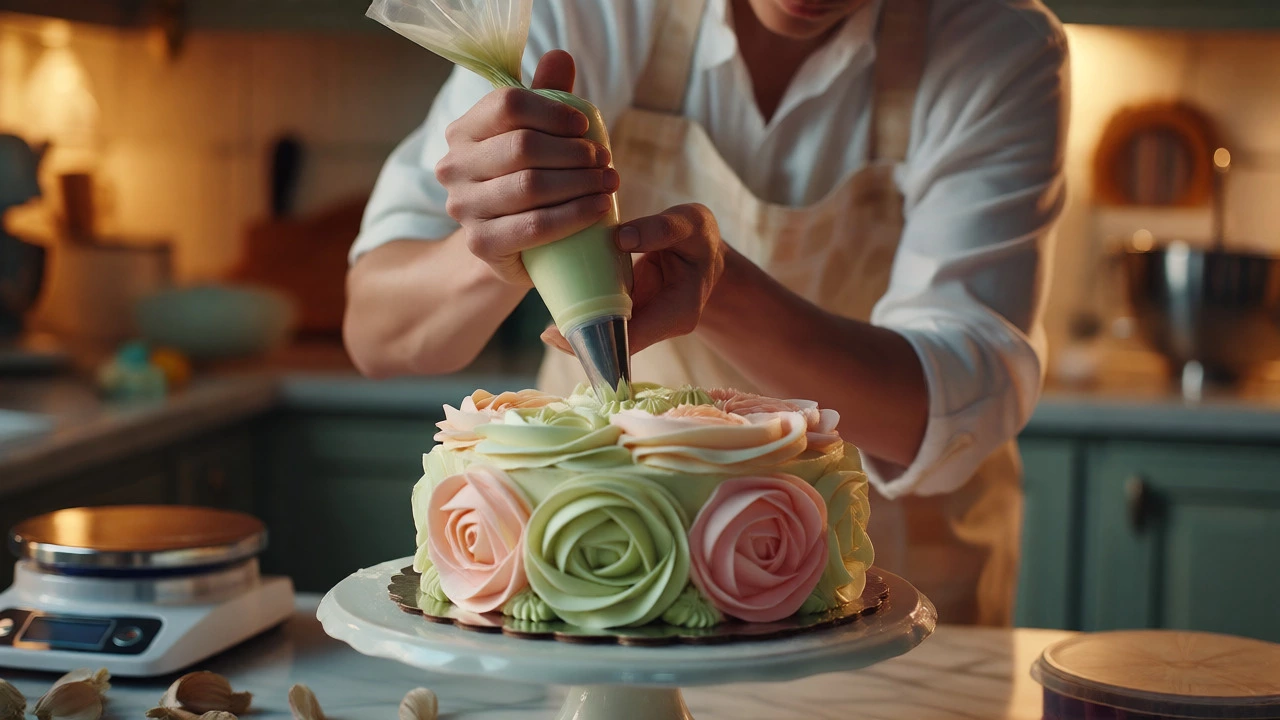
- Master Simple Techniques: A perfectly leveled, smooth-frosted cake looks more expensive than a complex design done poorly. Invest time in practice, not just products.
- DIY Decorations: Instead of buying pre-made sugar flowers (£10 each), learn to pipe simple rosettes or use fresh herbs like mint or rosemary for garnish.
For example, a Pistachio Rose Cake can feel luxurious if you use good pistachio paste (£15/jar) and real rose water (£5/bottle). The rest-eggs, butter, sugar-remains affordable. Total cost: maybe £40. Perceived value: priceless.
Common Pitfalls That Inflate Costs
Many home bakers accidentally blow their budget. Here are the usual suspects:
- Buying Small Quantities: Specialty stores often sell nuts or chocolates in tiny bags at high markups. Buy online in bulk if you plan to bake regularly.
- Wasting Expensive Ingredients: Burnt macarons or failed ganache can ruin £20 worth of chocolate. Always test new recipes with cheaper versions first.
- Over-Complicating: Adding ten different flavors doesn’t make a cake better. It makes it chaotic and expensive. Stick to two complementary flavors.
Remember, the goal is enjoyment, not financial stress. If a cake costs £100 to make, ensure it brings £100 worth of joy-or at least impressive Instagram likes.
FAQs About Expensive Homemade Cakes
Is it cheaper to make a wedding cake at home?
Not necessarily. While you save on labor, the volume of ingredients needed for a multi-tier wedding cake adds up quickly. Plus, transporting a homemade cake risks damage, which could mean remaking tiers last minute. For large weddings, professional bakers often offer better value due to bulk purchasing power and insurance against disasters.
What is the most expensive ingredient in baking?
Saffron is often cited as the most expensive spice, costing around £10-£15 per gram. However, since you only use a pinch, it’s manageable. In terms of volume impact, high-end dark chocolate and fresh exotic fruits (like yuzu or passion fruit out of season) tend to drive costs higher because you need larger quantities for flavor balance.
Does edible gold leaf affect the taste?
No, edible gold leaf is inert and has no flavor. Its purpose is purely visual. It signals luxury and catches the light beautifully, making the cake look like a piece of art. Ensure it is certified food-grade to avoid metallic contaminants.
Can I substitute expensive ingredients without ruining the cake?
Yes, but expect differences. Swapping single-origin chocolate for generic will lose nuanced flavors. Replacing vanilla beans with extract loses aromatic complexity but keeps the base sweetness. For structural integrity, stick to standard flours unless you’re experienced with gluten-free alternatives, which can alter texture significantly.
How do I store an expensive homemade cake?
Most luxury cakes with fresh cream or fruit should be refrigerated and consumed within 2-3 days. Cover loosely with plastic wrap to prevent drying out. If you used gold leaf, apply it just before serving to maintain its shine. Avoid freezing cakes with delicate decorations like meringue or fresh flowers.
Popular Posts
Why Eggs Matter in Cheesecake Recipes
Mar, 20 2025