
The Ultimate Cookie Score Calculator
Your Score
out of 100 points
Did you know?
Ruth Graves Wakefield invented the chocolate chip cookie in the 1930s by accident when her chopped chocolate didn't melt completely!
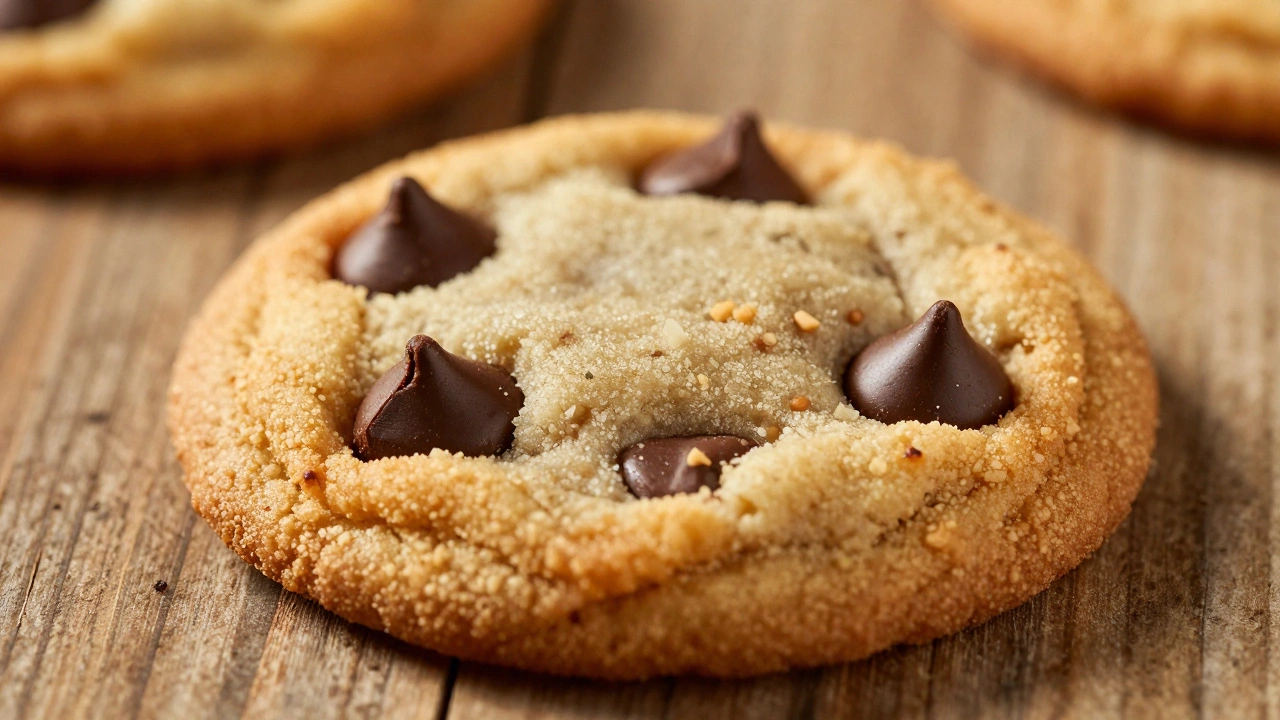
Ask a room full of people what their favorite snack is, and you will likely hear one answer repeated until it becomes a chant: chocolate chip cookies. But if you dig into the data from major food polls, global sales figures, and cultural impact studies, a clear winner emerges. The Chocolate Chip Cookie is widely considered the number one cookie in the world. It isn't just a personal preference; it is a statistical phenomenon backed by decades of consumption habits across continents.
The Undisputed Champion: Chocolate Chip Cookies
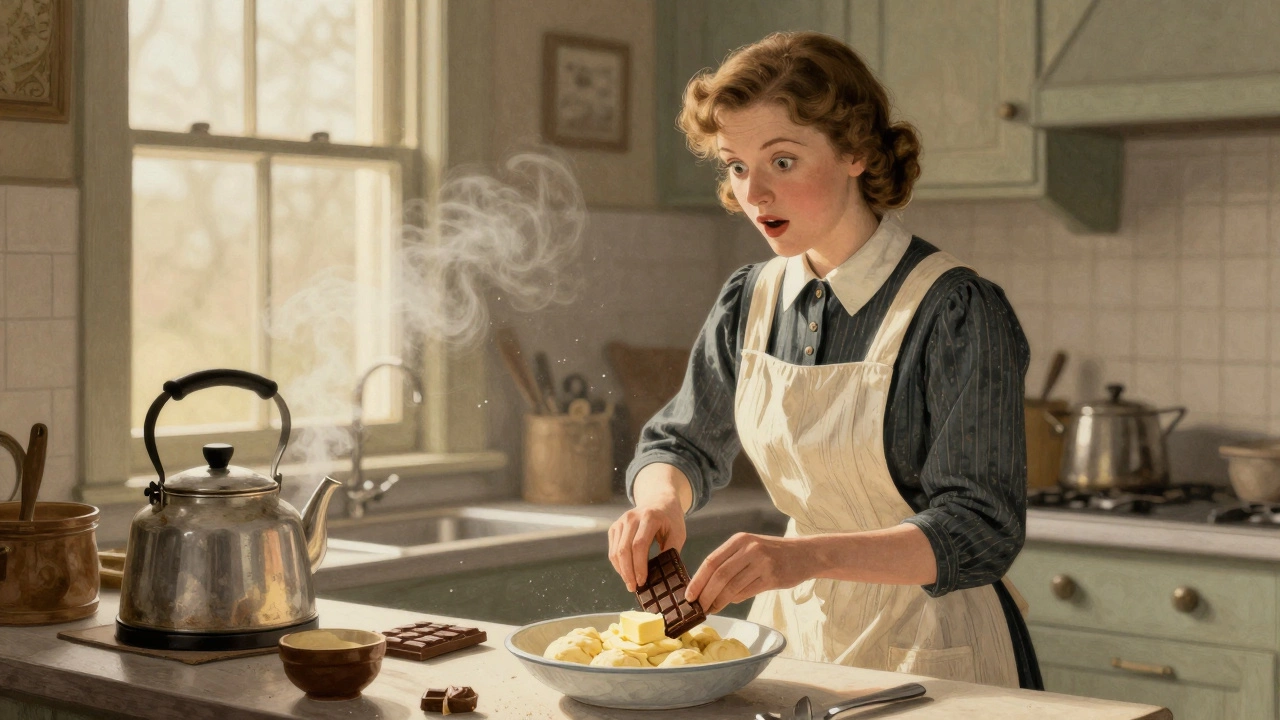
Why does this specific treat hold the top spot? It comes down to a perfect storm of flavor balance, texture versatility, and historical timing. First introduced in the 1930s by Ruth Graves Wakefield at the Toll House Inn in Massachusetts, the cookie was originally meant to be a standard chocolate cookie. When she chopped up a Nestlé semi-sweet chocolate bar expecting it to melt completely, it didn't. Instead, it created distinct pockets of gooey chocolate within a buttery dough.
This accidental innovation changed baking forever. Today, surveys from organizations like YouGov and various culinary institutes consistently rank chocolate chip cookies above oatmeal raisin, snickerdoodles, and sugar cookies. In the United States alone, Americans consume billions of these cookies annually. The appeal transcends borders, becoming a staple in bakeries from London to Tokyo.
| Cookie Type | Primary Flavor Profile | Texture | Global Popularity Score (Out of 10) |
|---|---|---|---|
| Chocolate Chip | Sweet, Buttery, Cacao-rich | Crispy edges, Chewy center | 9.8 |
| Oatmeal Raisin | Spiced, Earthy, Fruity | Chewy, Dense | 7.5 |
| Snickerdoodle | Cinnamon-Sugar, Vanilla | Soft, Slightly Crinkled | 8.2 |
| Sugar Cookie | Vanilla, Sweet | Crisp or Soft (decorative) | 8.5 |
Why Chocolate Chips Beat Every Other Ingredient
To understand why the chocolate chip reigns supreme, we have to look at the science of eating. Humans are biologically wired to crave fat and sugar. A well-made chocolate chip cookie delivers both in high concentrations. The butter provides richness, while the brown sugar adds moisture and a deep molasses note that white sugar cannot replicate.
But the real magic lies in the Chocolate Chip itself. Unlike melted chocolate, which distributes flavor evenly but lacks surprise, chips create "hot spots" of intense cocoa flavor. This variety keeps the palate engaged with every bite. Furthermore, the contrast between the warm, soft dough and the slightly firmer, melting chocolate creates a sensory experience that simpler cookies, like plain sugar cookies, simply cannot match.
Consider the alternative: Oatmeal Raisin cookies often suffer from polarizing opinions due to the texture of the fruit. Snickerdoodles rely heavily on cinnamon, which not everyone enjoys. Sugar cookies are versatile but often feel incomplete without frosting or decoration. The chocolate chip cookie stands strong on its own merits, requiring no embellishment to be delicious.
The Anatomy of the Perfect Homemade Cookie
If you want to bake the number one cookie in the world, you need to respect the ingredients. Many home bakers fail because they rush the process or use the wrong type of sugar. Here is what separates a good cookie from a great one:
- Brown Sugar Ratio: Use more brown sugar than white sugar. Brown sugar contains molasses, which makes cookies chewier and darker. A 2:1 ratio of brown to white sugar is a safe starting point.
- Butter Temperature: Creaming room-temperature butter traps air, leading to a lighter texture. However, some modern chefs advocate for melted butter for a denser, fudgier result. Experiment to find your preference.
- Resting the Dough: This is the secret weapon. Chilling your dough for at least 24 hours allows the flour to fully hydrate and the flavors to meld. It also prevents the cookies from spreading too thin in the oven.
- Chocolate Quality: Don't skimp here. Standard supermarket chips are designed to hold their shape, which is good, but using a mix of chips and chopped chocolate bars can add depth and variation.
Common Mistakes That Ruin Your Batch
Even with the right recipe, technical errors can derail your baking session. Have you ever pulled out a cookie that looks like a flat pancake? That usually happens when the butter is too hot or the baking soda has lost its potency. Baking soda acts as a leavening agent; if it's old, your cookies won't rise properly.
Another frequent error is overmixing the dough. Once you add the flour, mix only until combined. Overworking the gluten in the flour leads to tough, bread-like cookies rather than tender ones. Also, resist the urge to overbake. Cookies continue to cook on the hot baking sheet after you remove them from the oven. Pull them out when the edges are golden but the centers still look slightly underdone. They will firm up as they cool.
Regional Variations and Global Twists
While the classic American chocolate chip cookie is the global leader, local adaptations show its flexibility. In the UK, you might find versions with British biscuits crushed into the dough. In Japan, red bean paste sometimes replaces or complements the chocolate. These variations prove that the base concept is robust enough to handle different cultural flavor profiles.
In Brighton, where I live, there is a growing trend toward ethical sourcing. Many local bakeries now highlight single-origin chocolate chips or vegan butter alternatives. This shift doesn't change the fundamental appeal of the cookie but aligns it with modern consumer values regarding sustainability and health.
How to Store and Serve for Maximum Freshness
Freshly baked cookies are unbeatable, but life rarely works out perfectly. If you have leftovers, store them in an airtight container at room temperature. To keep them soft, place a slice of white bread in the container. The cookies will absorb moisture from the bread, preventing them from drying out. Avoid refrigerating cookies unless they contain perishable fillings like cream cheese, as cold temperatures can make the texture hard and stale faster.
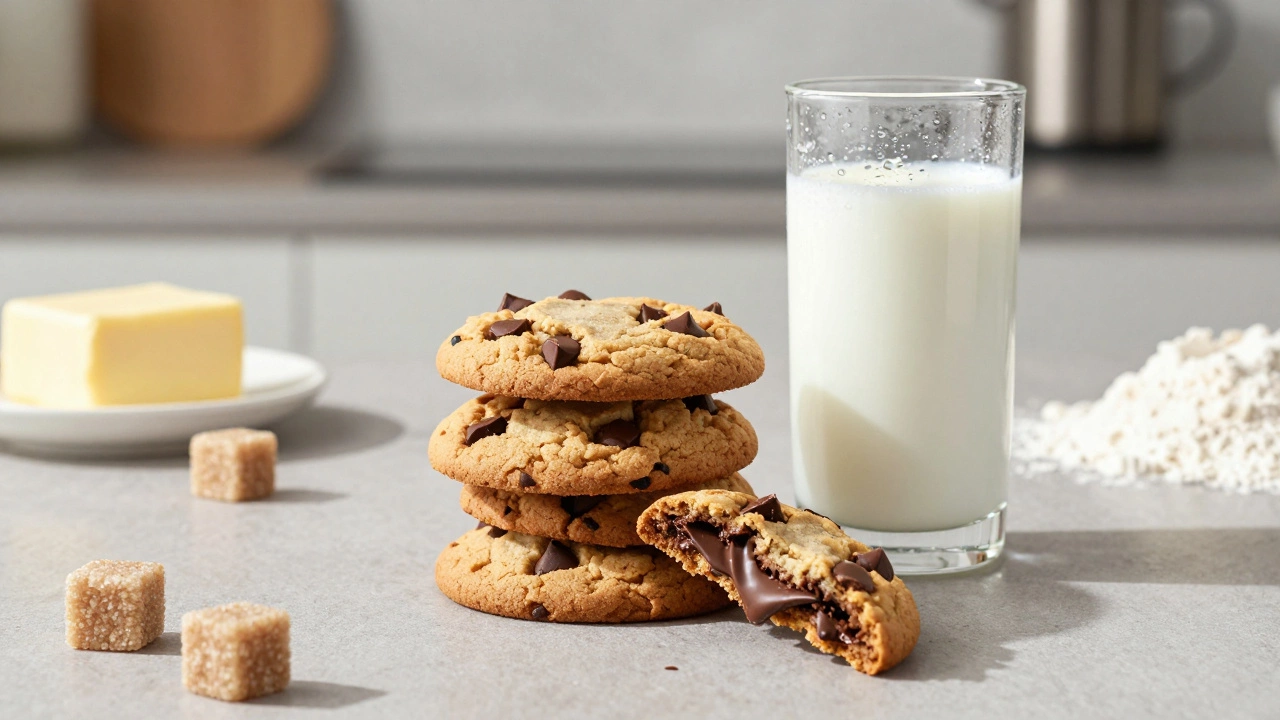
For the ultimate serving experience, pair your cookies with a glass of cold milk. The temperature contrast enhances the flavor perception, making the sweetness pop and the bitterness of the chocolate stand out. It is a simple pairing that has remained popular for nearly a century for a reason.
Is the chocolate chip cookie really the most popular cookie globally?
Yes, based on sales data, social media engagement, and international bakery menus, the chocolate chip cookie consistently ranks as the most consumed and recognized cookie worldwide. Its combination of sweet and savory notes appeals to a broad demographic.
Why do my chocolate chip cookies spread too much?
Excessive spreading is usually caused by butter that is too soft or melted, or by using baking powder instead of baking soda. Ensure your butter is at the correct temperature for your recipe and chill your dough before baking to reduce spread.
Can I use dark chocolate instead of semi-sweet chips?
Absolutely. Dark chocolate offers a richer, less sweet flavor profile that pairs beautifully with the caramelized sugars in the dough. Just be aware that higher cocoa content can introduce slight bitterness, so balance it with adequate sugar in the dough.
How long should I rest my cookie dough?
For the best results, rest your dough for at least 24 hours in the refrigerator. This allows the flour to hydrate fully and the flavors to deepen, resulting in a more complex taste and better texture.
What is the difference between chocolate chunks and chips?
Chocolate chips are uniform and designed to hold their shape during baking. Chunks are irregular pieces that melt more easily, creating larger pools of chocolate. Using a mix of both gives you the best of both worlds: structure and gooeyness.
Popular Posts

What Not to Do When Making Fudge
Mar, 30 2025
Are Marshmallows Vegan? Find Out the Truth
Oct, 14 2025

Is Johnny Depp Vegan? Celebrity Diet Facts Revealed
Jul, 13 2025