Dry Brownie Rescue Advisor
Answer a few questions to find the perfect way to save your batch.
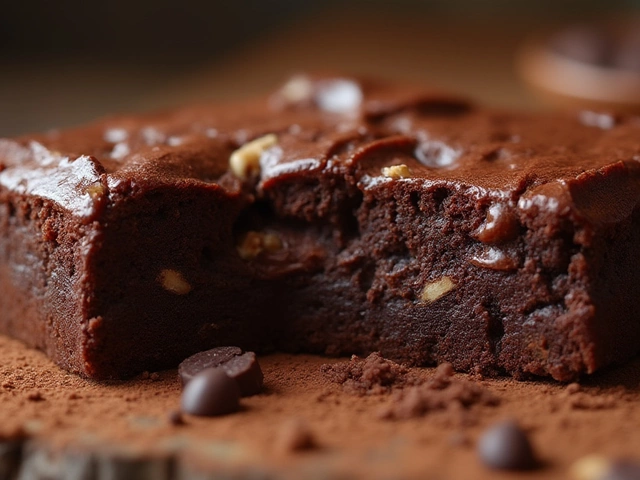
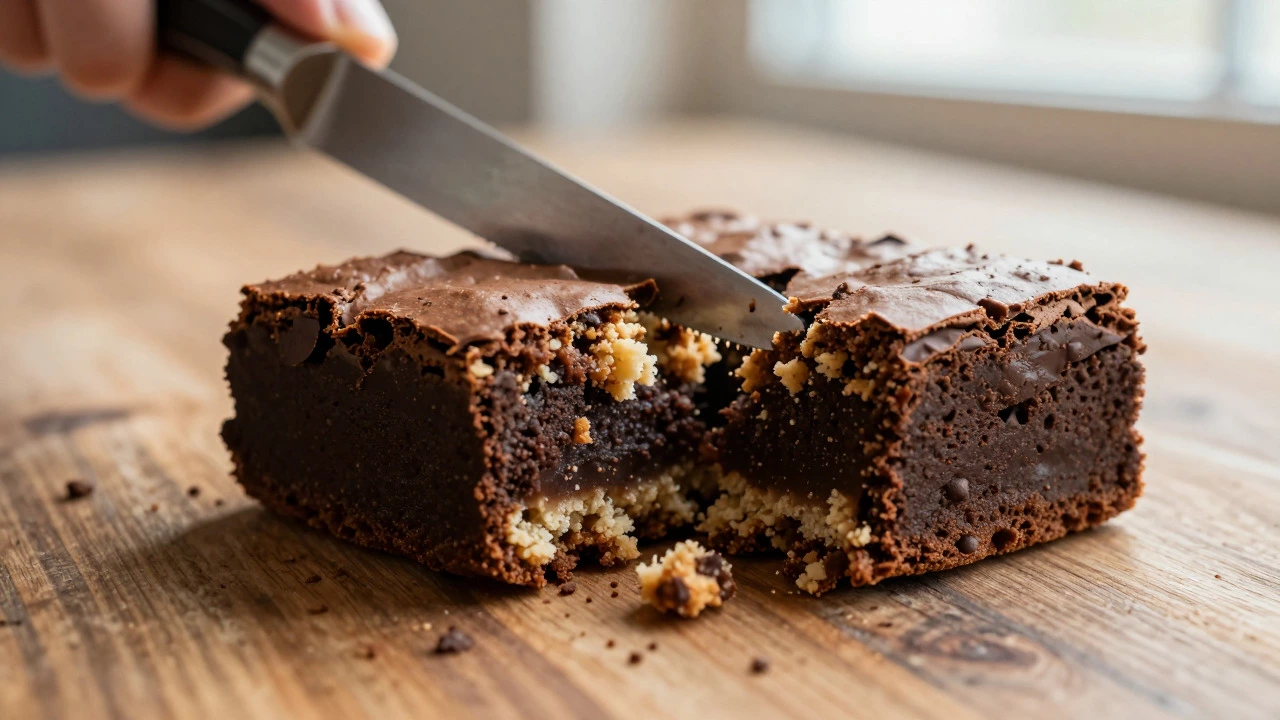
There is nothing quite like the sinking feeling of cutting into a batch of fresh-baked brownies only to find them crumbling like stale crackers. You expected that dense, fudgy center you see in every food blog photo, but instead, you are left with a cakey, dry slab that barely holds together. It happens to the best bakers, and it usually stems from one simple mistake: overbaking or an imbalance in ingredients. But before you toss that tray in the trash, take a deep breath. There are several effective ways to rescue Dry Brownies is a common baking issue where the final product lacks moisture and density, resulting in a crumbly texture. and turn your failed batch into a delicious treat again.
Understanding Why Brownies Turn Out Dry
To fix the problem, you first need to know why it happened. Brownies rely on a specific chemical reaction between fat, sugar, and flour. When this balance tips, you get a cookie-like texture instead of the desired fudginess. The most frequent culprit is time in the oven. Brownies continue to cook after they come out due to residual heat. If you wait for the edges to look fully set and golden, the center will likely be overdone. Another major factor is the ratio of butter to eggs. Butter provides richness and moisture, while eggs provide structure. Too many eggs relative to butter creates a lighter, cakier result. Finally, using too much flour can absorb all the available moisture, leaving you with a dense but dry crumb.
The Immediate Rescue: Reviving Freshly Baked Brownies
If you just pulled the pan out of the oven and realized the mistake, you still have options. Do not let them cool completely if you plan to use these methods, as warmth helps absorption.
- The Water Bath Method: Place the brownies back in their pan (or transfer them to an oven-safe dish) and add about half an inch of hot water to the bottom of a larger roasting pan. Nestle the brownie pan inside. Cover tightly with aluminum foil to trap steam. Bake at 300°F (150°C) for 10-15 minutes. The steam rehydrates the surface without drying out the interior further. This works best for slightly undercooked or moderately dry brownies.
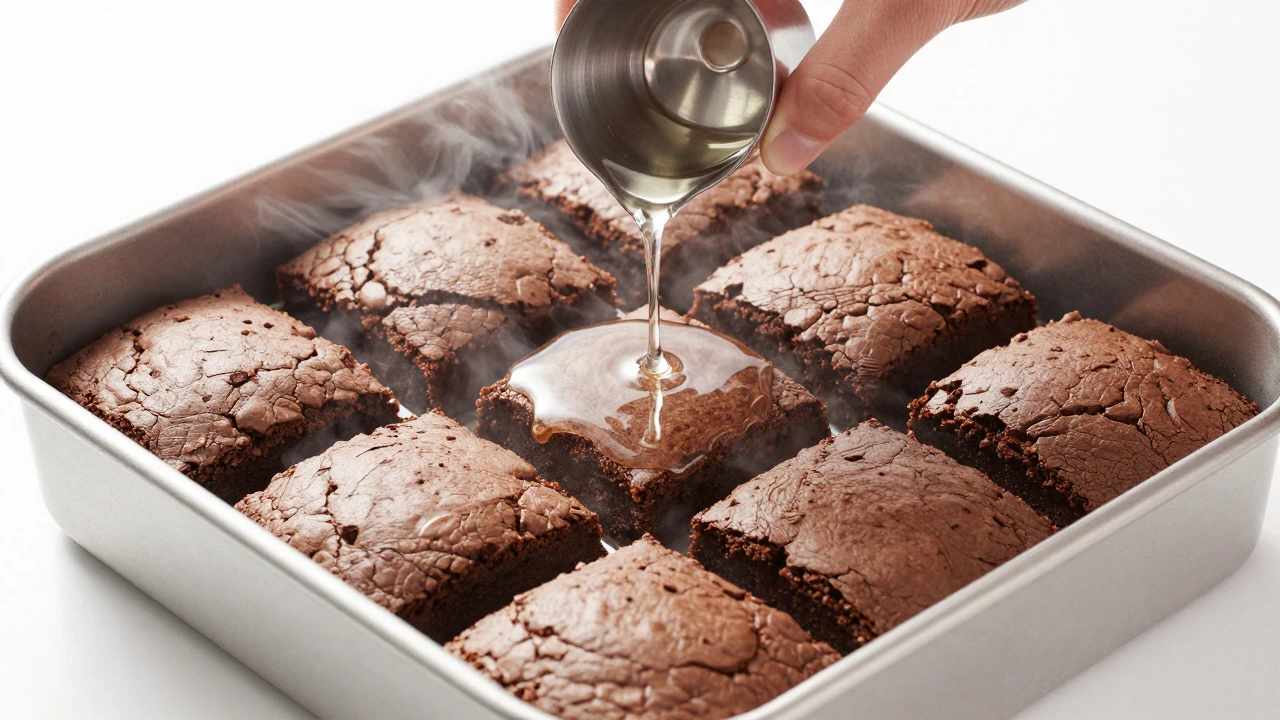
- The Syrup Injection: Mix equal parts water and simple syrup (or even just warm water with a pinch of salt). Using a toothpick or a thin skewer, poke small holes across the top of each brownie. Drizzle the liquid gently over the surface. Let them sit for 10 minutes. The liquid penetrates the crumb, adding back lost moisture. This is less effective for severely dry brownies but adds a nice sheen and slight softness.
Turning Failure into Success: Repurposing Dry Brownies
If the brownies are too dry to eat as-is, don't throw them away. They are actually perfect for secondary desserts. Dry brownies have excellent structural integrity, which makes them ideal for bases and fillings.
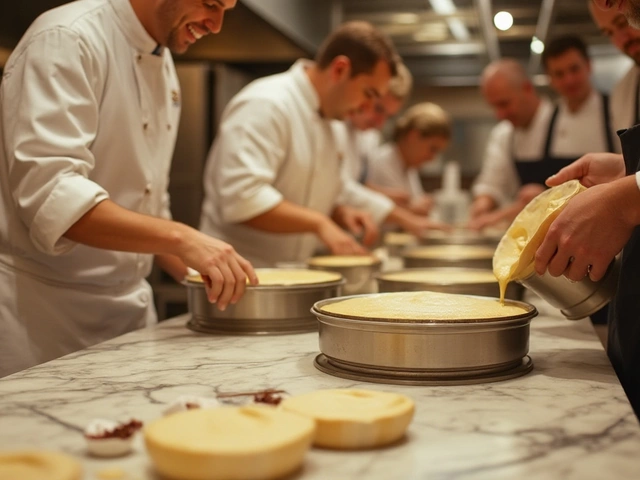
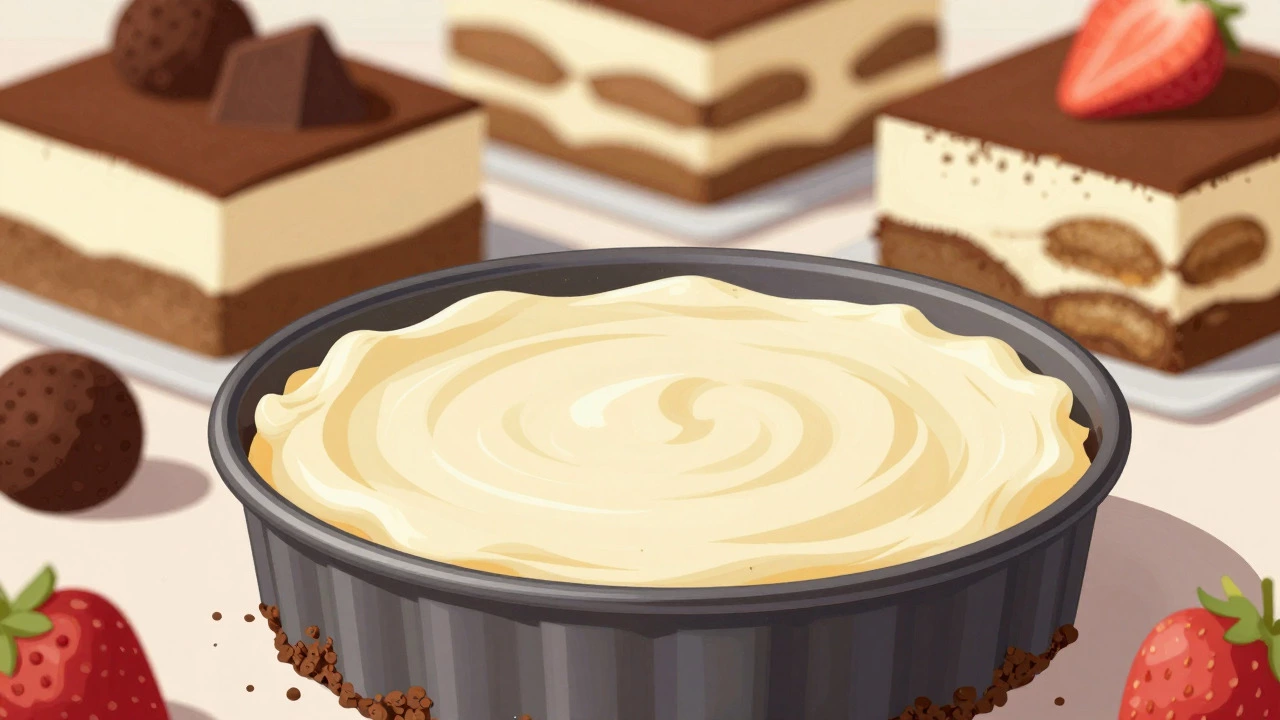
- Brownie Cheesecake Base: Crush the dry brownies into fine crumbs. Mix with melted butter and press into a springform pan. Bake briefly to set, then pour cheesecake batter over the top. The dry base prevents sogginess and adds a rich chocolate flavor.
- Tiramisu Alternative: Layer crushed dry brownies with espresso-soaked coffee cream and mascarpone. The dry texture absorbs the liquid perfectly, mimicking the ladyfingers in traditional tiramisu.
- Pie Crust Substitute: Use finely ground dry brownies mixed with a little butter as a crust for fruit pies or custard tarts. It offers a unique chocolate-chip cookie flavor profile.
- Truffles and Fudge: Blend dry brownies with heavy cream, butter, and powdered sugar until smooth. Chill and roll into balls. The dryness ensures the mixture thickens quickly without becoming runny.
Prevention Strategies for Your Next Batch
The best cure is prevention. Next time you bake, keep these pro tips in mind to ensure that perfect fudgy texture every time.
- Check Early: Start checking your brownies 5 minutes before the recipe says. They are done when a toothpick inserted into the center comes out with moist crumbs, not clean. The center should still look slightly underdone.
- Weigh Your Ingredients: Cups are inaccurate. Weighing flour ensures you aren't accidentally adding extra dry mass. A digital kitchen scale is the single best investment for consistent results.
- Melt the Chocolate: Recipes that call for melted chocolate and butter rather than cocoa powder tend to yield fudgier results because of the higher fat content. Cocoa powder requires more liquid to hydrate, which can lead to drier outcomes if not balanced correctly.
- Don't Overmix: Mix the batter just until combined. Overmixing develops gluten in the flour, leading to a tougher, chewier, and potentially drier texture.
Comparing Rescue Methods
Not all fixes work for every situation. Here is a quick comparison to help you choose the right approach based on how bad the dryness is.
| Method | Best For | Time Required | Success Rate |
|---|---|---|---|
| Water Bath Steaming | Slightly dry, fresh from oven | 15-20 mins | High |
| Syrup Injection | Moderately dry, surface focus | 10-15 mins | Medium |
| Cheesecake Base | Very dry, crumbly | Varies by recipe | Very High |
| Truffle Mixture | Extremely dry, hard | 30+ mins (chilling) | Very High |
Frequently Asked Questions
Can you freeze dry brownies?
Yes, freezing is a great way to preserve dry brownies. Wrap them individually in plastic wrap and place them in an airtight container. When you want to eat them, thaw them at room temperature for 15 minutes. The cold air often helps retain some moisture, making them easier to handle than if they were left at room temperature.
Why do my brownies crack on top?
Cracking is actually a sign of good fudginess, but excessive cracking can indicate the oven temperature was too high. The outside sets faster than the inside, causing the top to split. Lower your oven temperature by 25°F (about 15°C) next time to encourage more even baking.
Should I use unsalted or salted butter?
Unsalted butter gives you better control over the salt content in the recipe. Salt enhances chocolate flavor, so using unsalted allows you to adjust the amount precisely. If you only have salted butter, reduce any added salt in the recipe by half.
Does altitude affect brownie texture?
Yes, high altitudes cause liquids to evaporate faster and leaveners to rise more aggressively. This can lead to drier, flatter brownies. At elevations above 3,000 feet, increase liquid by 2 tablespoons and decrease sugar by 1 tablespoon per cup to compensate.
Can I add oil to make brownies moister?
Replacing some butter with vegetable oil can increase moisture, but it changes the flavor and texture. Oil keeps brownies softer longer but reduces the rich, creamy taste of butter. A 50/50 mix is a good compromise for those who prefer a softer, less greasy result.