Vegan Mithai Finder
Search for a sweet to see its vegan status and what questions to ask the vendor.
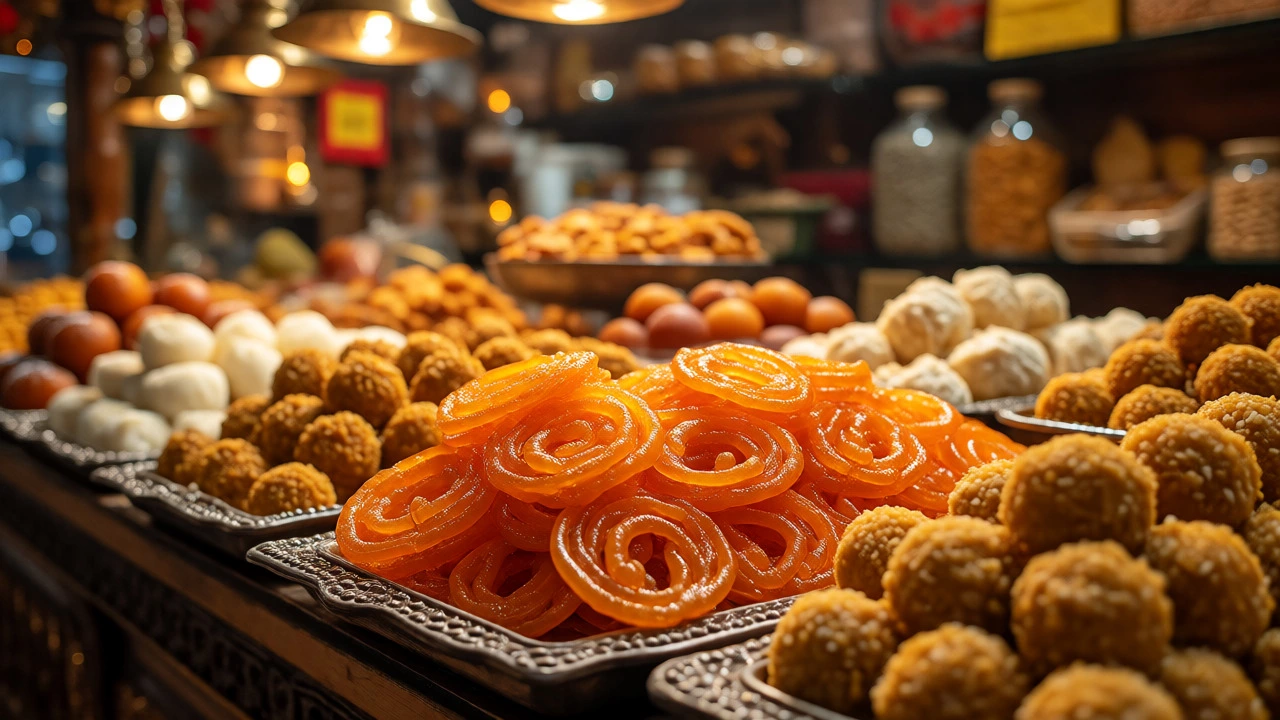
You’re at a Diwali party or an Indian grocery store, staring at a tray of colorful Mithai and wondering: can I actually eat this? The short answer is yes, but you have to be careful. Most traditional Indian confections known as mithai are made with milk solids (khoya), ghee (clarified butter), or condensed milk. However, a surprising number of popular sweets are naturally vegan or easily adapted.
I’ve spent years navigating the sweet aisles in Brighton’s Indian shops, testing recipes, and asking vendors about their ingredients. Here is the honest truth about which mithai is safe for vegans, which ones are traps, and how to find the good stuff without ruining your stomach or your diet.
The Big Problem: Milk Solids and Ghee
To understand why so many mithai aren’t vegan, you need to know what they’re made of. Traditional Khoya is essentially dried evaporated milk. It gives sweets like Gulab Jamun their dense, fudgy texture. Then there’s Ghee, which is clarified butter used for frying and adding richness. If a sweet lists khoya or ghee, it’s out-unless the shop has specifically swapped them for plant-based alternatives.
This doesn’t mean all hope is lost. Many regional specialties rely on nuts, seeds, lentils, and fruit instead of dairy. The key is knowing which categories to trust.
Naturally Vegan Mithai You Can Trust
Some sweets are accidentally vegan because their base ingredients are inherently plant-based. These are your safest bets when shopping at a traditional store that hasn’t explicitly labeled things as "vegan."
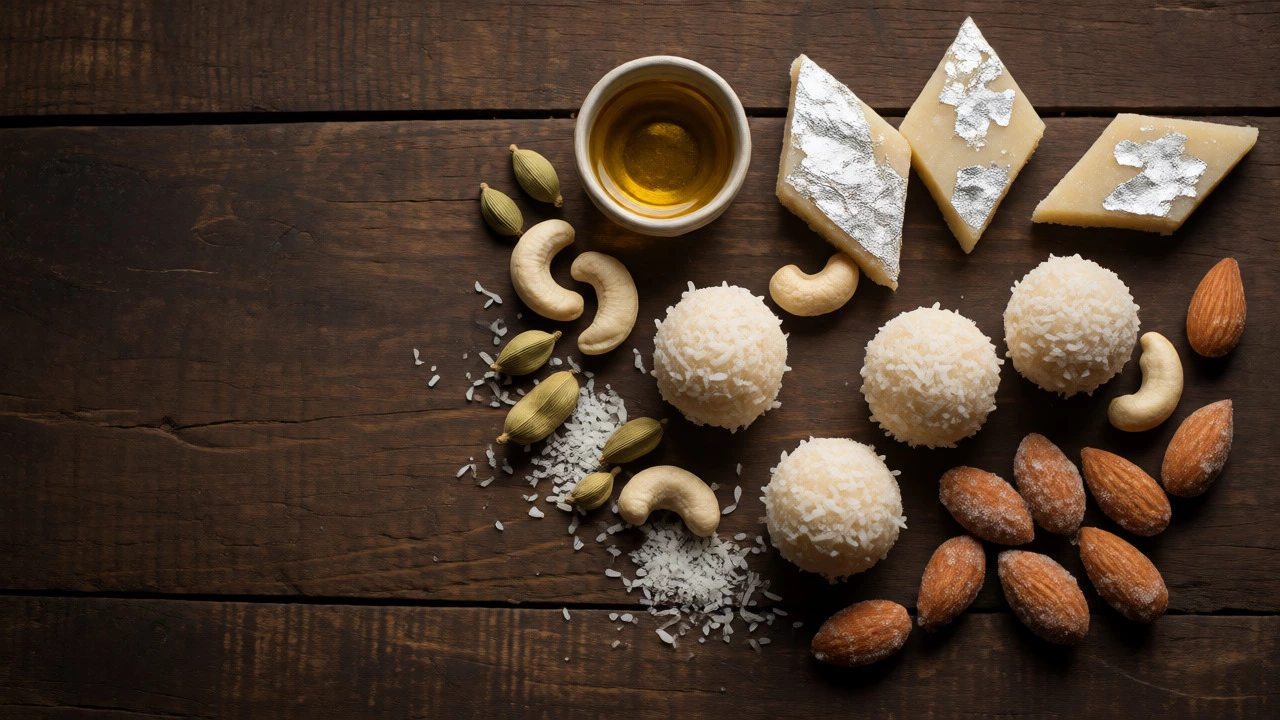
- Ladoo (Besan or Moong Dal): Gram flour (besan) ladoo or yellow moong dal ladoo can be vegan if made with oil instead of ghee. Ask the vendor! Some use coconut oil or vegetable oil. Coconut ladoo is almost always vegan since it’s made from grated coconut, sugar, and cardamom.
- Barfi (Nut-Based): While milk barfi is everywhere, nut-based barfis like almond barfi or pistachio barfi often use a syrup base. Check if they use milk powder; if not, they’re likely vegan.
- Jalebi: This crispy, spiral-shaped fried dough soaked in saffron-cardamom syrup is typically vegan. The batter is made from maida (refined flour) and fermented yogurt (which is dairy, but some modern versions use lemon water or no fermenter). Always ask if they use ghee for frying. If they use vegetable oil, you’re golden.
- Kaju Katli: Made from ground cashews and sugar syrup, this diamond-shaped sweet is usually vegan. Watch out for cheap versions that might mix in milk powder to bulk it up.
- Sugar-Coated Nuts: Badam Halwa (if made without milk) or simple sugar-coated almonds and pistachios are great options.
The "Maybe" Category: Requires Verification
These sweets are traditionally non-vegan but are frequently made with substitutes in larger chains or health-conscious shops. Never assume-always check.
| Mithai Name | Traditional Base | Vegan Likelihood | What to Ask |
|---|---|---|---|
| Gulab Jamun | Khoya (Milk Solids) | Low | "Do you make any using soy milk or coconut milk solids?" |
| Rasgulla | Chhana (Cottage Cheese) | Very Low | "Is this made from paneer or tofu?" |
| Kheer/Payesh | Milk | Medium | "Is this made with almond or oat milk?" |
| Besan Ladoo | Ghee + Flour | Medium | "Did you use ghee or oil?" |
| Dry Fruit Barfi | Milk Powder + Nuts | Medium | "Does this contain milk powder?" |
How to Spot Hidden Dairy
Even if a sweet looks vegan, hidden ingredients can sneak in. Here’s what to look for on labels or ask about verbally:
- Milk Solids/Khoya: The most common culprit. If it’s listed, skip it.
- Ghee: Often used for frying Jalebi or making Ladoo. Vegetable oil is the vegan swap.
- Condensed Milk: Used in some modern fusion mithai like chocolate burfis.
- Butter: Sometimes added to dry fruit mixes for shine.
A pro tip: In India and the UK, many large sweet shops now offer a "Sattvic" or "Pure Veg" section, but "Pure Veg" in Hindu culture still includes dairy. Look for signs that say "No Dairy" or ask specifically for "Jain food," which avoids root vegetables but may still include milk, so clarify further.
Where to Find Vegan Mithai in the UK
If you’re in Brighton or nearby, you’re in luck. The city has a vibrant vegan scene that intersects well with international cuisines.
- Specialty Vegan Bakeries: Places like Cake Stop or dedicated vegan cafes often carry Indian-inspired treats like vegan Gulab Jamun made with coconut cream.
- Health Food Stores: Shops like Holland & Barrett sometimes stock packaged vegan mithai, especially around festival times. Look for brands that explicitly state "dairy-free."
- Online Retailers: Companies like Swad or Spice Islands often list ingredient details online. Filter by "vegetarian" first, then read the label for milk derivatives.
- Festival Markets: During Diwali, pop-up stalls often experiment with modern, health-conscious versions of traditional sweets, including vegan options.
DIY: The Easiest Vegan Mithai to Make at Home
If you can’t find good vegan mithai, make it. Two recipes are foolproof and taste authentic.
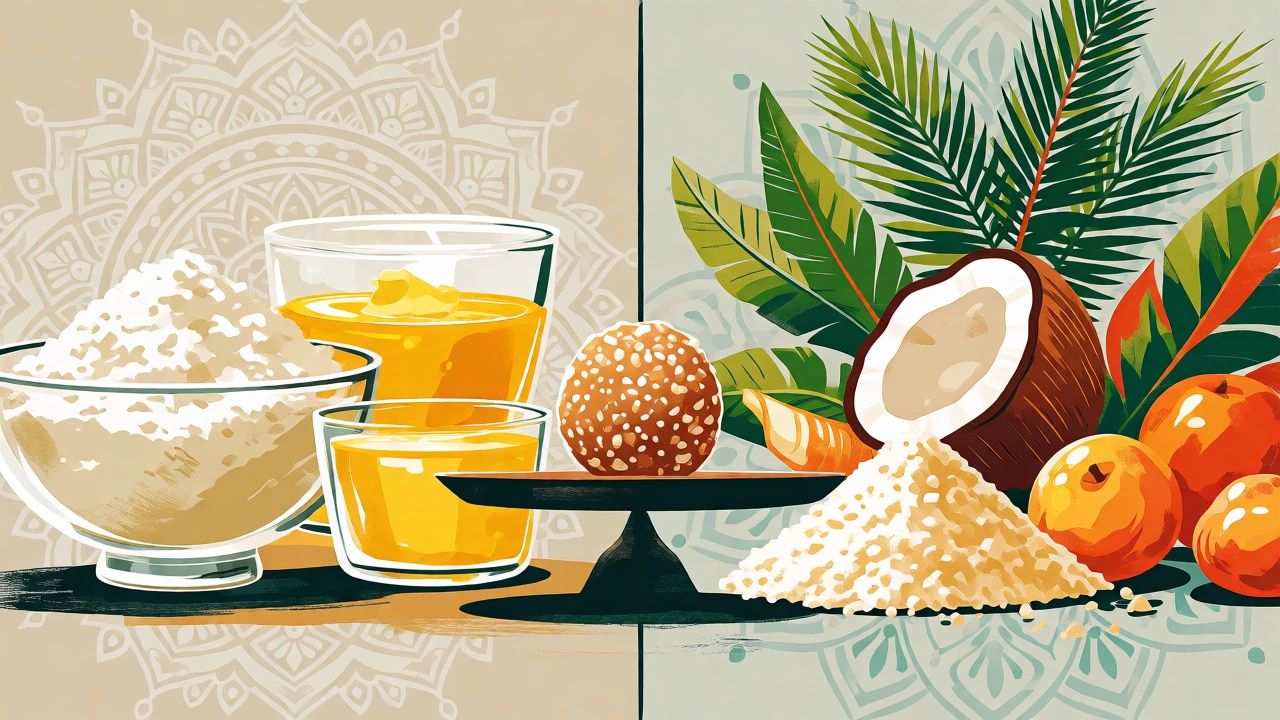
Coconut Ladoo
Grate fresh coconut, cook it with sugar and a pinch of cardamom until sticky, then roll into balls. No dairy needed. It’s naturally gluten-free and vegan.
Vegan Besan Ladoo
Roast gram flour in coconut oil until fragrant and golden. Mix with powdered sugar and chopped almonds. Press into molds. Using coconut oil mimics the richness of ghee surprisingly well.
Final Thoughts
Eating mithai as a vegan isn’t impossible-it just requires vigilance. Stick to nut-based, seed-based, and fruit-based sweets. Avoid anything creamy, white, or soft unless you’ve confirmed the substitute. When in doubt, ask. Most sweet shop owners are happy to explain their process, especially if you’re polite and curious.
Is all Indian mithai vegetarian?
Yes, most traditional mithai is vegetarian (lacto-vegetarian) because it uses milk products like khoya, ghee, and paneer. However, it is rarely vegan due to these dairy components.
Can I eat Jalebi on a vegan diet?
Often, yes. The batter is usually flour and water (sometimes yogurt). The main issue is frying medium. If fried in vegetable oil rather than ghee, and the syrup contains no dairy, it is vegan.
Are Kaju Katli vegan?
Mostly, yes. Authentic Kaju Katli is made from cashews, sugar, and cardamom. However, cheaper commercial versions may add milk powder for texture, so always check the ingredient list.
What is Khoya?
Khoya is a dairy product made by slowly evaporating moisture from whole milk until it becomes a solid mass. It is the primary ingredient in many rich Indian sweets like Gulab Jamun and Barfi.
Are there vegan Rasgullas?
Traditional Rasgulla is made from chhana (curdled milk), so it is not vegan. Vegan versions exist but are rare and usually made from tofu or specialized plant-based cheese substitutes, often found in specialty vegan stores.
Popular Posts
How Long Do Brownies Last? Shelf Life & Storage Tips
Oct, 19 2025

Why Some Fruits Aren't Vegan: Surprising Truths
Feb, 17 2025