

The Italian Flavor Balance Calculator
Build Your Pizza Profile
Select ingredients to see how they impact the "Authenticity Score" and flavor harmony.
Flavor Analysis
Perfectly BalancedThe Great Condiment Controversy
Imagine walking into a bustling trattoria in Naples. The air smells of wood-fired ovens and fresh basil. You order a classic Margherita, and when it arrives, you reach for the bottle of ketchup sitting on the table. The waiter stops you with a look of genuine confusion. "No," he says firmly. "We do not put ketchup on pizza." This reaction isn't just stubbornness; it is a defense of centuries-old culinary tradition. For many outsiders, especially those who grew up eating convenience foods, adding a sweet, tangy sauce to savory dishes feels natural. But in Italy, this practice is seen as a fundamental misunderstanding of what good food should taste like.
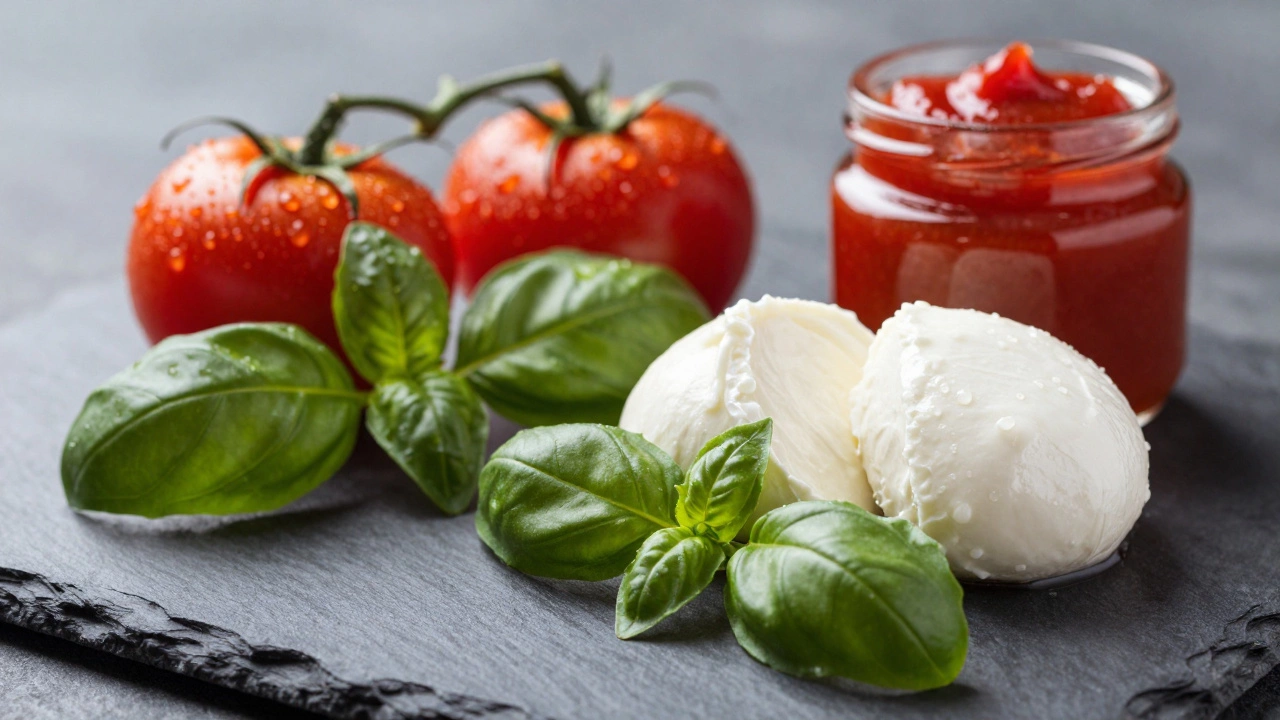
To understand why Italians reject ketchup on pizza, we have to look at how they view ingredients. In Italian cooking, every component has a specific role. Tomatoes provide acidity and sweetness. Basil adds aroma. Mozzarella brings creaminess. Ketchup, however, is a processed mixture of tomatoes, vinegar, sugar, and spices. It masks the natural flavors of high-quality ingredients rather than enhancing them. When you cover a perfectly balanced pizza with ketchup, you are essentially hiding the chef's work under a blanket of artificial sweetness. It is like putting chocolate syrup on a fine steak. It might sound interesting at first, but it clashes with the intended experience.
The Science of Flavor Balance
Italian cuisine relies heavily on the concept of equilibrium, which is the careful balancing of sweet, sour, salty, and bitter notes. A traditional Neapolitan pizza achieves this balance through simple, high-quality ingredients. The San Marzano tomato, grown in the volcanic soil near Mount Vesuvius, has a unique low-acidity profile that is naturally sweet. When paired with the salty mozzarella di bufala or fior di latte, the result is a harmonious bite that requires no additional condiments.
Ketchup disrupts this harmony. Its primary ingredients are high-fructose corn syrup or cane sugar, distilled vinegar, and tomato paste. The high sugar content overwhelms the palate, while the vinegar adds a sharp acidity that does not complement the gentle tang of fresh tomatoes. From a chemical standpoint, ketchup introduces flavors that compete with rather than support the base ingredients. This is why even children in Italy learn early on that ketchup belongs on fries or burgers, not on pizza. It is a lesson in respecting the integrity of each dish.
A Brief History of Ketchup
It is worth noting that ketchup itself is not originally an American invention. The word comes from the Chinese ke-tsiap, a fermented fish sauce. British traders brought it back to Europe in the 18th century, where it evolved into a tomato-based condiment. However, in Italy, tomato sauces have their own distinct history. The first recorded recipe for a tomato-based pasta sauce dates back to the late 18th century, long before modern ketchup became popular. Italian cooks developed complex reductions and purees that highlighted the tomato's natural flavor without adding excessive sugar or preservatives.
This historical context explains why Italians view ketchup as an inferior alternative to proper tomato sauce. They see it as a lazy shortcut, a product designed for mass production rather than culinary excellence. In a country where food is deeply tied to identity and heritage, using a processed condiment on a staple dish like pizza is seen as disrespectful. It is not just about taste; it is about values. Italians take pride in their ability to create delicious meals from simple ingredients, and ketchup undermines that achievement.
Pizza Culture Beyond Borders
While Italy holds strict standards for pizza, other countries have adapted the dish to suit local tastes. In the United States, for example, ketchup on pizza is more common, particularly among younger generations who associate it with comfort food. Similarly, in parts of Asia and Eastern Europe, sweet and savory combinations are more widely accepted. These regional variations reflect different cultural approaches to food. There is no right or wrong way to eat pizza globally, but within Italy, the rules are clear.
This divergence highlights an important point about culinary tourism. When traveling, it is essential to respect local customs. Ordering a pizza with ketchup in Rome is akin to ordering coffee with milk in a specialty espresso bar in Melbourne-it goes against the grain of what the establishment stands for. Travelers who embrace local dining habits often find richer, more authentic experiences. By trying pizza the Italian way, you discover nuances of flavor that would otherwise be hidden by heavy-handed condiments.
Tiramisu: Another Pillar of Italian Tradition
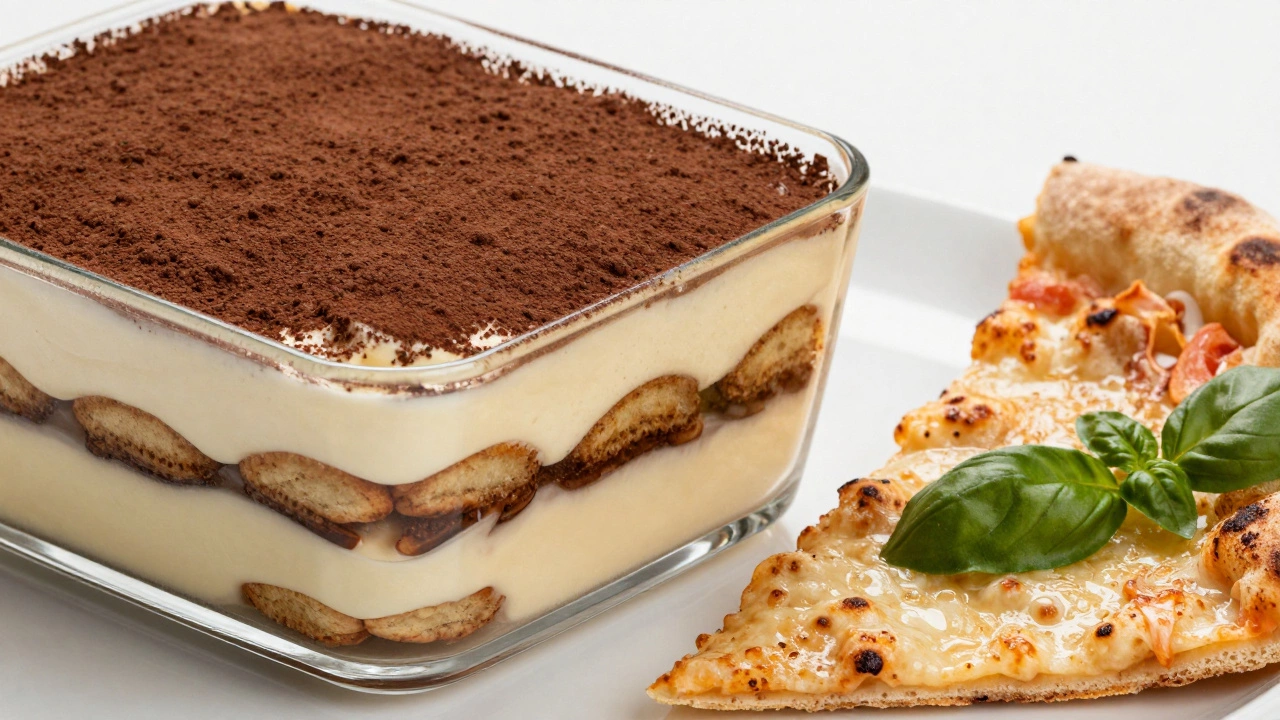
If pizza represents the pinnacle of Italian savory cuisine, then tiramisu is a beloved dessert that exemplifies Italian attention to detail and quality ingredients. Like pizza, tiramisu follows a strict set of guidelines that ensure its success. Originating in the Veneto region during the 1960s, this dessert consists of layers of ladyfingers soaked in espresso, mixed with mascarpone cheese, eggs, and sugar, and dusted with cocoa powder. Each ingredient plays a crucial role in creating the signature creamy texture and rich coffee flavor.
Just as Italians guard the purity of their pizza, they protect the authenticity of tiramisu. Adding whipped cream, fruit jams, or chocolate syrups is frowned upon because it alters the delicate balance of flavors. The bitterness of the cocoa offsets the sweetness of the mascarpone, while the espresso provides depth. Deviating from this formula is seen as unnecessary and detrimental. This parallels the rejection of ketchup on pizza-both practices involve introducing foreign elements that disrupt the intended harmony. Understanding these principles helps explain why Italians are so passionate about preserving traditional recipes.
How to Appreciate Italian Food Authentically
So, how can you enjoy Italian food without offending your hosts? Start by trusting the chef. If a dish is served without extra condiments, assume it is complete as is. Try small bites to appreciate the interplay of flavors. Notice how the acidity of the tomato cuts through the richness of the cheese, or how the crunch of the crust contrasts with the softness of the toppings. Engage your senses fully instead of relying on familiar crutches like ketchup.
- Choose quality ingredients: Look for pizzerias that use imported Italian flour, San Marzano tomatoes, and fresh mozzarella.
- Respect regional styles: Neapolitan pizza differs from Roman or Sicilian varieties. Learn the characteristics of each to better appreciate them.
- Avoid overcomplicating: Simple dishes often showcase the highest level of skill. Resist the urge to add extra sauces or toppings.
- Ask questions: Chefs and waiters are usually happy to explain the origins and preparation methods of their dishes.
By adopting these practices, you show respect for Italian culinary traditions and enhance your own enjoyment. You may find that once you experience pizza prepared correctly, you no longer miss the ketchup. The natural flavors speak for themselves, offering a satisfying and memorable meal.
Common Misconceptions About Italian Cuisine
Many people believe that Italian food is inherently bland or requires strong seasonings to make it palatable. This misconception likely stems from exposure to Americanized versions of Italian dishes, which often rely on heavy creams, excessive garlic, and sugary sauces. Authentic Italian cooking emphasizes freshness and simplicity. Herbs like basil, oregano, and rosemary are used sparingly to accentuate, not dominate, the main ingredients.
Another myth is that all Italians love spicy food. While some regions incorporate chili flakes (peperoncino) into their dishes, most Italian cuisine avoids heat altogether. Spiciness can mask subtle flavors, which contradicts the goal of highlighting ingredient quality. Instead, Italians focus on umami-the savory fifth taste-achieved through slow-cooked tomatoes, aged cheeses, and cured meats. Understanding these preferences helps clarify why ketchup, with its sweet-and-sour profile, feels out of place.
Is it rude to ask for ketchup on pizza in Italy?
It is not necessarily rude, but it will likely confuse or disappoint the staff. Most restaurants do not serve ketchup, and if they do, it is intended for fries or burgers. Asking for it on pizza signals a lack of understanding of local customs, which can be perceived negatively.
Why do some people prefer ketchup on pizza?
Some individuals grow up associating ketchup with positive childhood memories or find its sweet taste comforting. Others may simply enjoy the contrast between sweet and savory flavors. However, this preference is largely cultural and less common in regions where traditional pizza is revered.
What is the best type of tomato for authentic Italian pizza?
San Marzano tomatoes are considered the gold standard for Neapolitan pizza. Grown in the fertile volcanic soil near Mount Vesuvius, they have thin skins, few seeds, and a perfect balance of sweetness and acidity. Their flavor intensifies when cooked, making them ideal for pizza sauces.
Can I add other condiments to Italian pizza?
Traditionally, no. Authentic Italian pizzas are finished with olive oil, fresh herbs, or grated cheese depending on the variety. Adding external condiments like hot sauce, mayo, or ranch dressing is generally discouraged as it detracts from the original recipe.
How does tiramisu relate to the discussion about ketchup?
Both topics highlight the Italian emphasis on ingredient integrity and flavor balance. Just as ketchup ruins the harmony of a well-made pizza, altering tiramisu with non-traditional additions disrupts its delicate structure. Both examples illustrate the importance of respecting established culinary techniques.
Popular Posts

Best Tasting Birthday Cakes: A Delicious Quest
Mar, 13 2025

Funeral Cake: Why That Name Sticks Around
Jun, 13 2025


How to Keep Your Frosted Brownies Fresh
Apr, 14 2025