
Gluten Safety Checker
Check Your Sourdough Safety
Safety Guide
Gluten-Free Standard: FDA defines gluten-free as less than 20 ppm (parts per million).
Traditional Sourdough: Contains 50-200 ppm gluten - UNSAFE for celiac disease.
Certified Gluten-Free: Must be made with non-wheat flours and tested below 20 ppm.
Results Will Appear Here
Select your bread type and condition to see safety results.
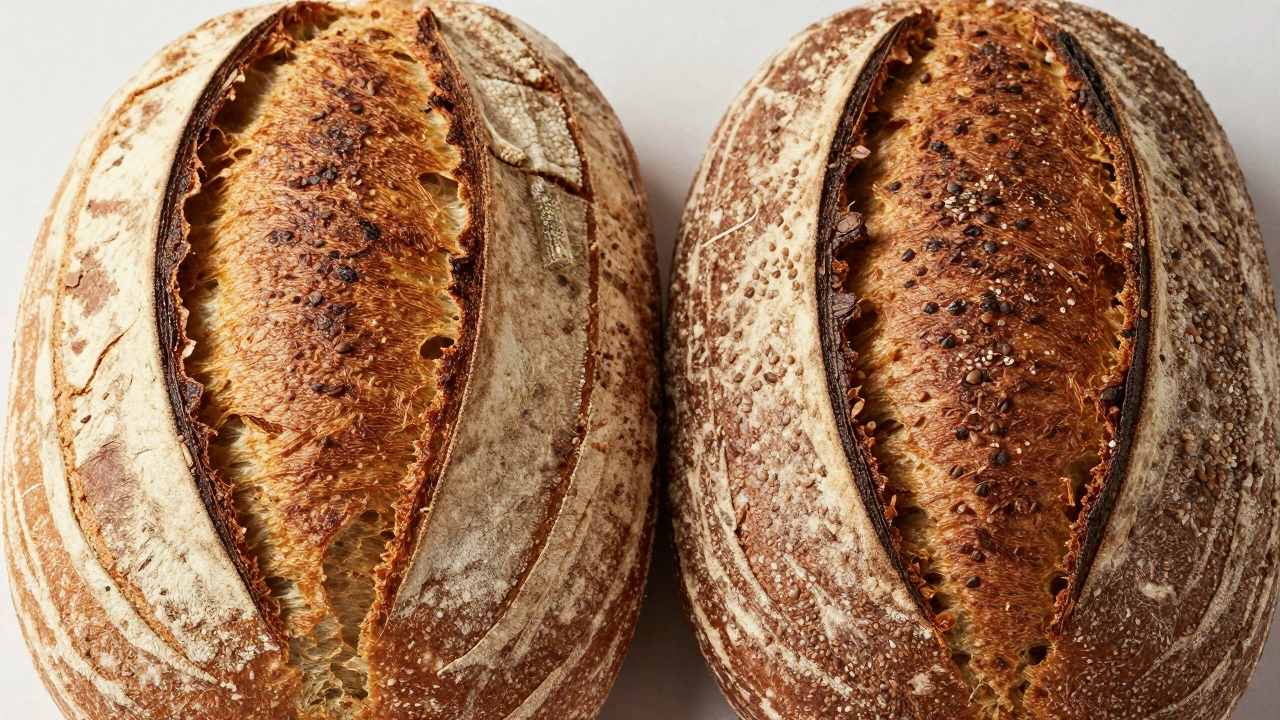
People often ask if sourdough is gluten-free because it’s fermented longer than regular bread. The idea that fermentation breaks down all the gluten sounds appealing-especially if you’re trying to avoid gluten for health reasons or have celiac disease. But here’s the straight answer: sourdough is not gluten-free.
Why people think sourdough might be gluten-free
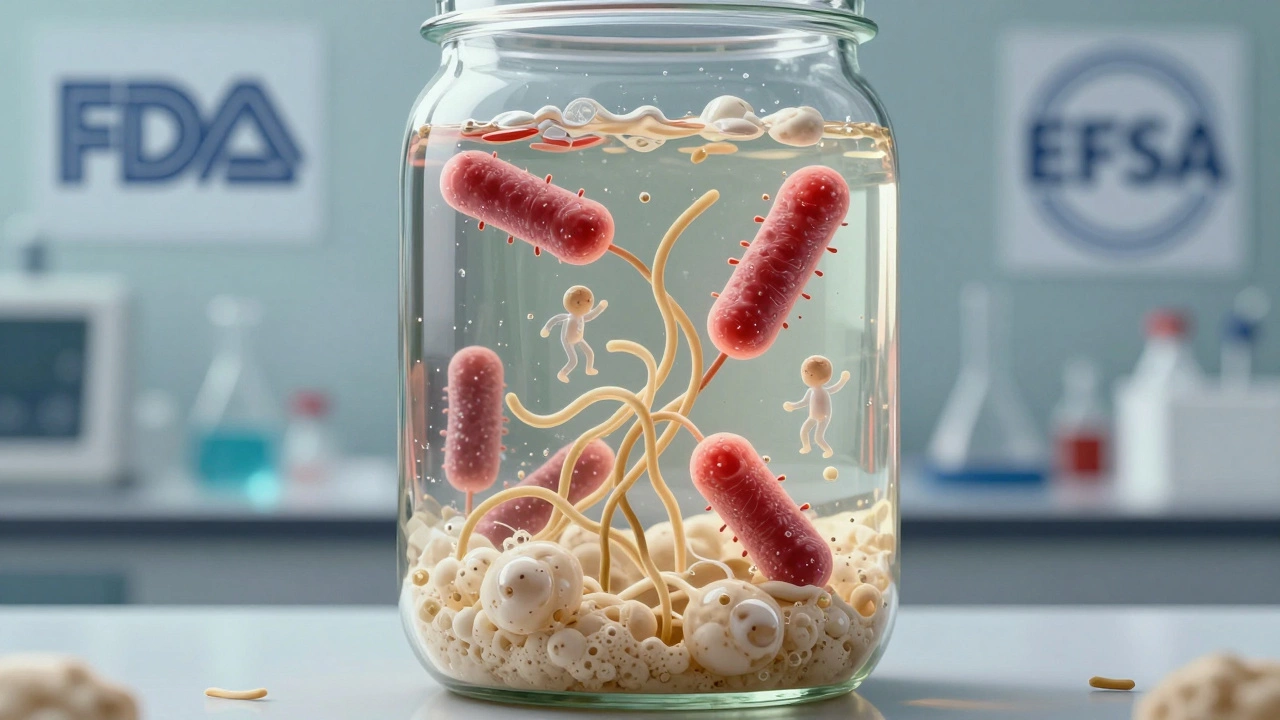
The myth started because sourdough uses a natural starter made from flour and water, which ferments for 12 to 48 hours. During that time, friendly bacteria and wild yeast break down some of the starches and proteins in the dough. One of those proteins is gluten. Some studies have shown that long fermentation can reduce gluten levels by up to 90% in certain sourdoughs. That sounds promising, right? But reduction isn’t removal.The U.S. Food and Drug Administration (FDA) and the European Food Safety Authority (EFSA) both define gluten-free as containing less than 20 parts per million (ppm) of gluten. Even the most carefully made sourdough made with wheat flour rarely dips below that threshold. In fact, independent lab tests from 2024 found that most commercial and homemade wheat sourdoughs still contain between 50 and 200 ppm of gluten-far above the safe limit for people with celiac disease.
What’s actually in sourdough
Traditional sourdough bread is made with just three things: flour, water, and salt. The starter, which gives sourdough its tangy flavor and airy texture, is usually made from the same wheat flour used in the bread. That means it’s loaded with gluten proteins-gliadin and glutenin-which are responsible for the dough’s elasticity and rise.Even if you use a sourdough starter that’s been fed for years, it doesn’t magically lose its gluten content. The fermentation process helps break down some of the more complex gluten structures, which is why some people with mild gluten sensitivity say sourdough is easier to digest. But for anyone diagnosed with celiac disease or a true gluten allergy, even trace amounts can trigger an immune response. That’s not a guess-it’s backed by clinical studies from the University of Bologna and the Celiac Disease Foundation.
Can you make gluten-free sourdough?
Yes-but not with wheat, rye, or barley. To make truly gluten-free sourdough, you need to start with gluten-free flours: rice, buckwheat, sorghum, millet, or a blend of them. You can still use a sourdough starter, but it has to be made from gluten-free flour too. That means no using your grandma’s wheat starter, even if it’s been bubbling since 2012.Gluten-free sourdough is a different beast. It doesn’t rise the same way. It’s denser, more crumbly, and often needs extra binders like xanthan gum or psyllium husk to hold together. Many bakers who make gluten-free sourdough say it takes at least three tries to get the texture right. But it’s possible. Brands like Schär is a well-known gluten-free bread brand that offers sourdough-style loaves made with rice and millet flour and Alvarado Street Bakery is a U.S.-based company that produces certified gluten-free sourdough bread have been doing this for years.
What about spelt or ancient grains?
Some folks turn to spelt, einkorn, or emmer, thinking these ancient grains are safer. They’re not. Spelt is a type of wheat. Einkorn is still wheat. They all contain gluten-just different forms of it. In fact, some people with gluten sensitivity react even more strongly to these grains because their gluten proteins are structurally different and harder for the body to break down. Don’t be fooled by marketing terms like "ancient wheat" or "low-gluten grain." If it comes from the wheat family, it’s not gluten-free.How to tell if sourdough is safe for you
If you have celiac disease or a confirmed gluten intolerance:- Never assume sourdough is safe just because it’s fermented.
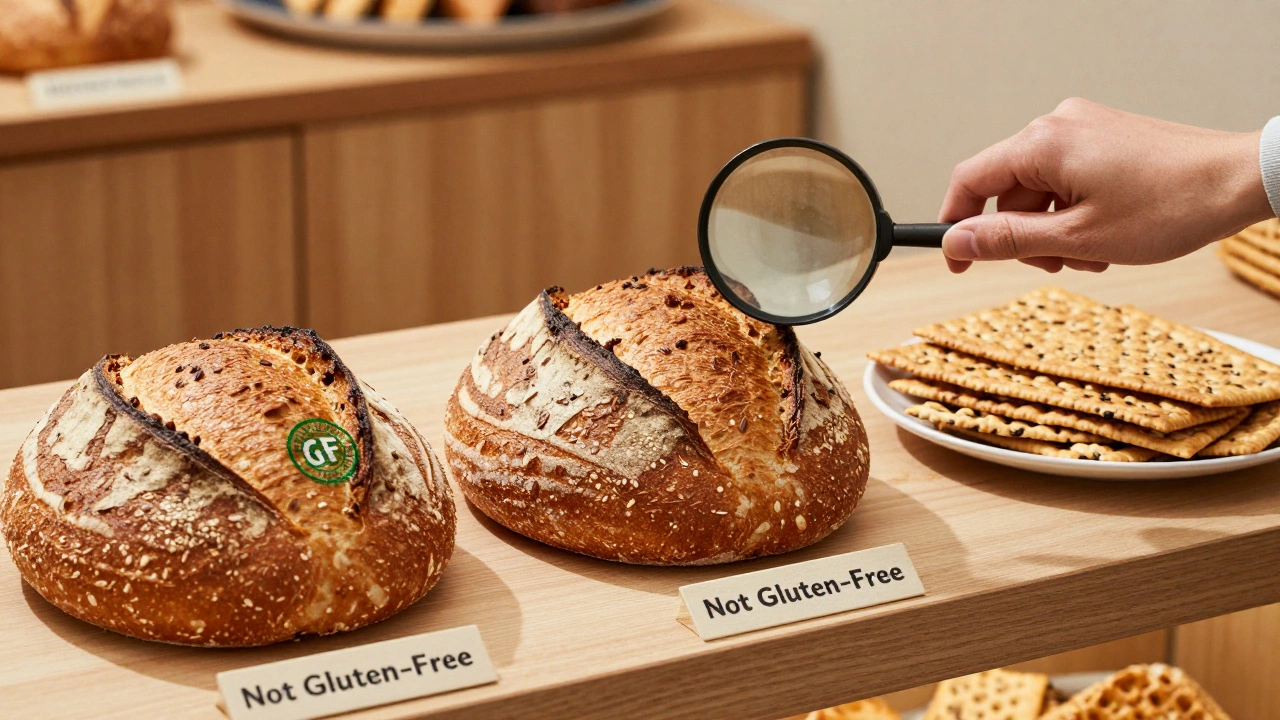
- Look for the certified gluten-free label-this means it was made in a dedicated facility and tested to contain under 20 ppm of gluten.
- Check the ingredients list. If it says "wheat flour," "rye," or "barley," walk away.
- Don’t trust claims like "low gluten" or "easily digestible." Those aren’t regulated terms.
For those with non-celiac gluten sensitivity, sourdough made from wheat might be more tolerable. Some people report less bloating or stomach discomfort. But that’s individual. There’s no universal rule. If you’re unsure, try an elimination diet under medical supervision.
What to look for instead
If you’re looking for a sourdough-like experience without gluten, your best bet is:- Gluten-free sourdough bread is made with rice, sorghum, or buckwheat flour and a gluten-free starter
- Flaxseed or chia seed crackers are a crunchy, naturally gluten-free alternative with a similar tang
- Quinoa or amaranth flatbreads are nutrient-dense, gluten-free options that can be fermented too
Some bakeries in Brighton, like Wild & Flour is a local bakery that makes certified gluten-free sourdough loaves using organic buckwheat and millet, specialize in this. They label everything clearly and test every batch.
Final takeaway
Sourdough isn’t gluten-free. Not even close. The fermentation process helps, but it doesn’t eliminate gluten. If you need to avoid gluten completely, only trust products labeled "certified gluten-free." Anything else-even if it smells amazing and has a perfect crust-isn’t safe for celiac disease. And if you’re just sensitive? Try a small amount, monitor your body, and keep a food journal. But don’t let the myth of "fermented = safe" fool you. Science doesn’t back it.Is sourdough bread safe for people with celiac disease?
No. Even though sourdough fermentation reduces some gluten, it doesn’t bring levels low enough to be safe for people with celiac disease. Most sourdough made with wheat flour still contains over 50 ppm of gluten, while the safe limit is under 20 ppm. Only certified gluten-free sourdough made from non-wheat flours is safe.
Can I use my regular sourdough starter to make gluten-free bread?
No. If your starter was made with wheat flour, it will always carry traces of gluten-even after years of feeding. To make gluten-free sourdough, you need to start fresh with gluten-free flour and water. Cross-contamination is a real risk, and even tiny amounts can trigger reactions in sensitive individuals.
Are spelt or einkorn sourdoughs gluten-free?
No. Spelt and einkorn are both types of wheat and contain gluten proteins similar to modern wheat. They’re not safer for people with celiac disease or gluten intolerance. In fact, some people react more strongly to these ancient grains because their gluten structure is different and harder to digest.
Why does sourdough seem easier to digest for some people?
The long fermentation breaks down some of the FODMAPs (fermentable sugars) and complex gluten chains in wheat, which can reduce bloating and gas in people with non-celiac gluten sensitivity. But this doesn’t mean gluten is gone. It just means the body might handle it better-until it doesn’t. It’s not a cure, just a milder version.
How can I tell if a sourdough is truly gluten-free?
Look for the certified gluten-free label from a trusted organization like GFCO or Coeliac UK. This means the bread was made in a dedicated gluten-free facility and tested to contain less than 20 ppm of gluten. If it just says "made in a facility that also processes wheat," avoid it. Cross-contamination is common and dangerous.
Popular Posts

What Does the Name Brownie Mean?
Feb, 15 2026

Perfectly Portioning Macarons for Gatherings
Jan, 20 2025

Gluten-Free Baking: What to Avoid for Perfect Cakes
Jun, 20 2025