Macaron Safety Checker
Not sure if those macarons are safe? Answer 3 quick questions to determine the risk level for celiacs and gluten-sensitive individuals.
Where are these macarons coming from?
What is inside the filling?
How was the environment handled?
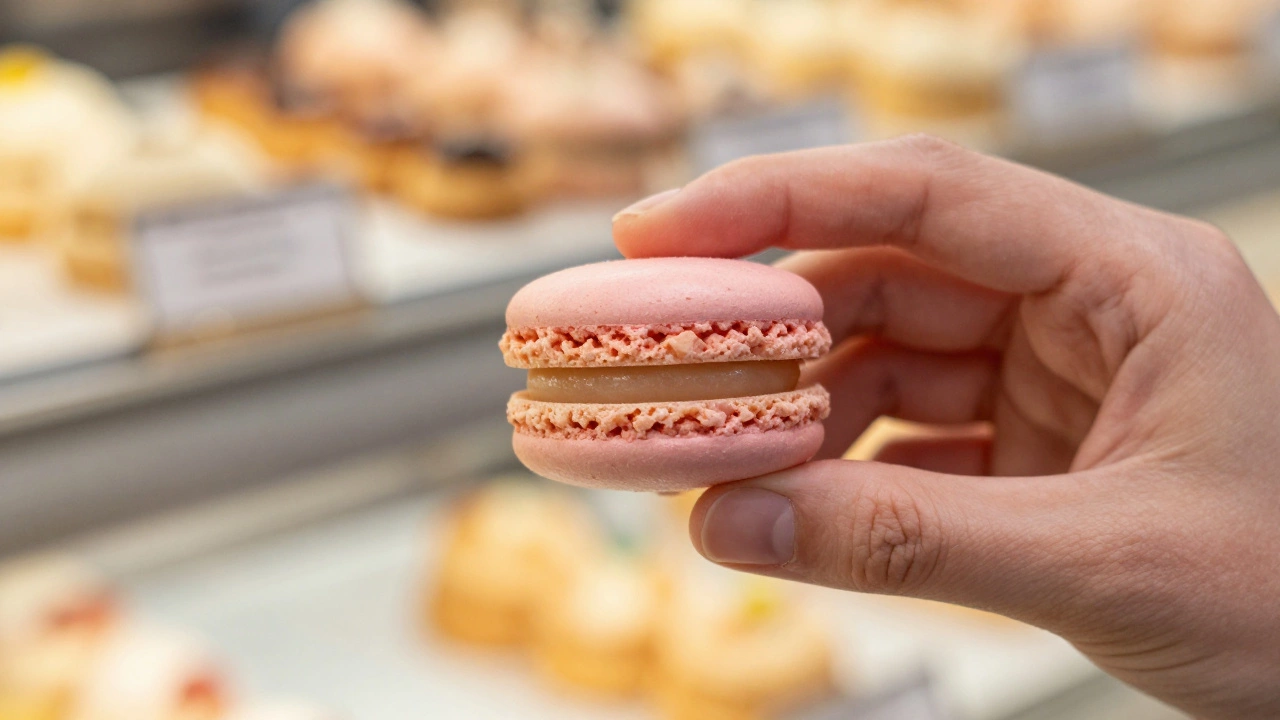
You’ve just been diagnosed with celiac disease, or maybe you’re just trying to cut out wheat for a week. You walk into a fancy patisserie, eyes locked on those colorful, delicate sandwich cookies. They look perfect. But then the doubt creeps in: are macarons actually safe for a gluten-free diet?
The short answer is yes. Traditional French macarons are naturally gluten-free. They don’t use wheat flour. Instead, they rely on ground almonds. However, "naturally" doesn’t always mean "safe." If you have celiac disease or a severe gluten intolerance, you need to understand where the hidden risks lie. It’s not about the recipe; it’s about the kitchen.
The Basic Recipe: Why Macarons Are Naturally Gluten-Free
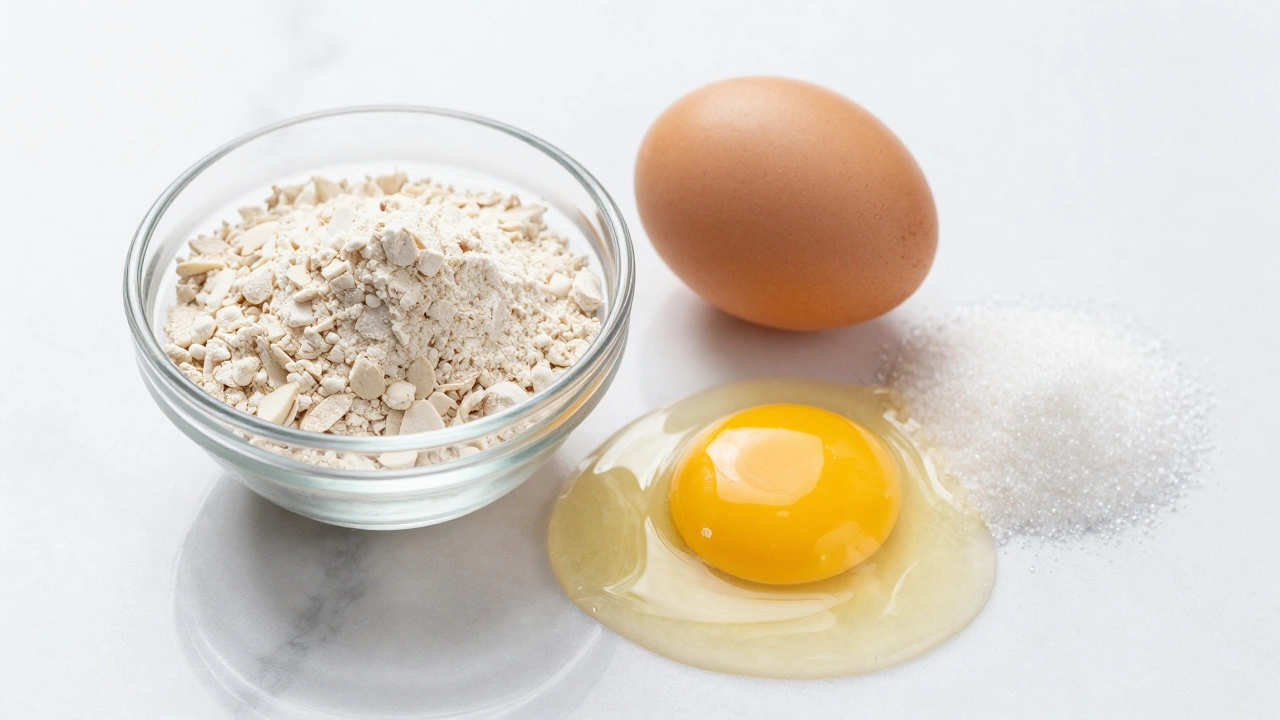
To understand why these treats are usually safe, you have to look at what goes into them. A classic macaron shell consists of only three main ingredients: egg whites, granulated sugar, and almond flour. That’s it. No wheat. No barley. No rye.
Almond flour is a finely ground powder made from blanched almonds, serving as the primary structure in gluten-free baking. Unlike wheat flour, which contains gluten proteins (gliadin and glutenin) that provide elasticity, almond flour provides moisture and fat. This is why macarons have that distinct chewy center and crisp shell rather than the airy rise of a bread loaf.
Egg whites act as the binder. When whipped with sugar, they create a meringue that holds the structure together while baking. Sugar adds sweetness and helps stabilize the foam. Because none of these core components contain gluten, the base product is inherently free of the protein that triggers reactions in sensitive individuals.
The Hidden Dangers: Fillings and Additives
Here is where things get tricky. While the shell is safe, the filling might not be. Many bakers add complex flavors to their ganache, buttercream, or jam fillings. Some of these additives can harbor gluten.
- Liquor: Many macarons are flavored with liqueurs like amaretto, brandy, or whiskey. Most distilled spirits are technically gluten-free, but some cheaper brands may use wheat-based grains without proper filtration, or worse, add flavorings containing gluten after distillation.
- Cookies and Crumbles: Imagine a "Oreo" macaron or a "Biscoff" macaron. These fillings often include crushed cookies. Standard Oreos contain wheat flour. Biscoff biscuits contain wheat. If the baker crushes these into the cream cheese or ganache, the entire macaron becomes off-limits for a strict gluten-free eater.
- Natural Flavors: Sometimes, vague terms like "natural flavoring" or "spice blend" are used. In rare cases, these can be carriers for gluten, especially if derived from malted grains.
- Thickeners: Some jams or fruit curds used as fillings might use modified food starch. If the source of the starch isn’t specified, it could be wheat-based.
If you are buying from a store, you must ask specifically about the filling ingredients. Do not assume that because the shell looks like almond, the whole cookie is safe.
Cross-Contamination: The Real Enemy
This is the most critical factor for anyone with celiac disease. Even if a macaron is made with 100% gluten-free ingredients, it can become contaminated during preparation. This is known as cross-contact.
Most commercial bakeries do not operate in a sterile, gluten-free environment. They bake croissants, cakes, and breads alongside their macarons. Here is how contamination happens:
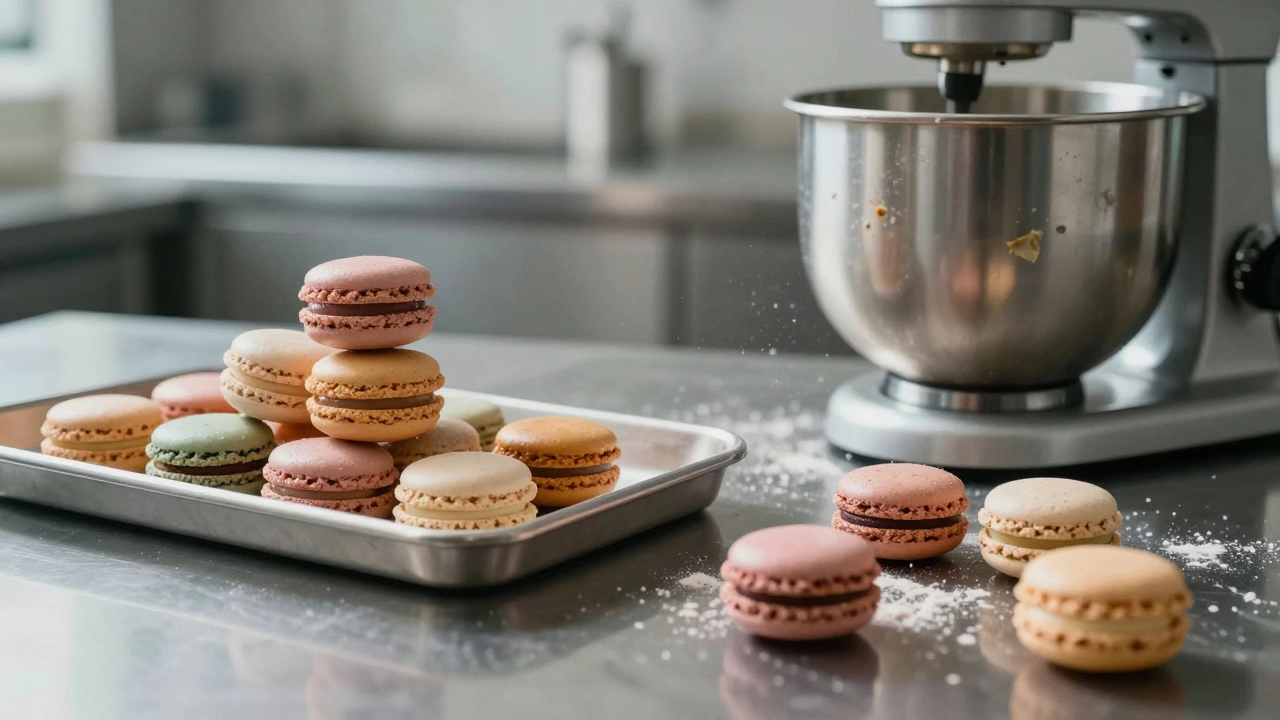
- Shared Equipment: Did the baker use the same stand mixer bowl for a chocolate cake batter before whipping the egg whites for your macarons? If they didn’t thoroughly sanitize it, microscopic gluten particles remain.
- Flour Dust: Wheat flour creates a fine dust that settles on countertops, utensils, and even the air. If macarons are piped onto a tray that previously held scones, they pick up that dust.
- Storage: Are the finished macarons stored in the same display case as gluten-filled pastries? Open-air storage allows airborne gluten to settle on the sticky surfaces of the cookies.
For someone with non-celiac gluten sensitivity, trace amounts might not cause issues. For someone with celiac disease, even 20 parts per million (ppm) of gluten can trigger an autoimmune response. Therefore, a "gluten-free ingredient" label means nothing if the facility isn’t certified gluten-free.
| Source Type | Ingredient Safety | Cross-Contamination Risk | Verdict for Celiacs |
|---|---|---|---|
| Homemade (Dedicated GF Kitchen) | High (You control ingredients) | None | Safe |
| Certified Gluten-Free Bakery | High | Low (Strict protocols) | Safe |
| Standard Patisserie | Medium (Check fillings) | High (Shared equipment) | Risky / Avoid |
| Supermarket Pre-Packaged | Variable (Read labels) | Medium (Facility warnings) | Caution Required |
Making Safe Macarons at Home
If you want to enjoy macarons without worry, making them at home is the best option. It gives you total control over every gram of ingredient. Plus, it’s surprisingly manageable once you master the technique.
First, ensure your pantry is clean. Check your almond flour. While pure almond flour is safe, some brands process it in facilities that also handle wheat. Look for packaging that explicitly states "Certified Gluten-Free." This is crucial because almond trees grow near wheat fields sometimes, and processing plants can be shared.
Second, check your eggs. Eggs themselves are gluten-free, but commercially sold eggs can sometimes be washed or processed in facilities with allergens. This is rare, but worth noting for extreme sensitivities. Generally, fresh eggs are fine.
Third, watch your tools. Use dedicated spatulas and piping bags. If you share a kitchen with someone who eats gluten, wash everything twice with hot soapy water before starting. Wipe down your countertops with vinegar or a disinfectant to remove any lingering flour dust.
Pro Tip: The Macaronage Technique
When folding the almond flour mixture into the meringue (a step called macaronage), avoid over-mixing. Over-mixed batter leads to flat, spread-out cookies. Under-mixed batter causes peaks on top. Aim for a lava-like consistency that ribbons off the spatula. This ensures the structural integrity remains intact without needing extra binders that might contain gluten.
Reading Labels: What to Look For
If you aren’t baking them yourself, you need to be a detective. When buying pre-packaged macarons from a supermarket or online, flip the box over.
Look for the phrase "Made in a facility that also processes wheat." This is a voluntary warning in many countries, but it signals high risk. If the product is labeled "Gluten-Free," it must meet legal standards (usually less than 20ppm gluten). However, "Wheat-Free" does not mean "Gluten-Free." Barley and rye are still gluten sources.
Also, check the allergy statement. In the EU and UK, major allergens including wheat must be emphasized in the ingredient list (often in bold). If wheat isn’t listed, it shouldn’t be there intentionally. But again, this doesn’t rule out accidental cross-contamination.
Alternatives if You Can’t Find Safe Macarons
If you live in an area without certified gluten-free bakeries, or if you’re worried about the cost, consider these alternatives that offer a similar texture and experience:
- Vegan Meringue Kisses: Made from aquafaba (chickpea water) and sugar, these are light, sweet, and naturally gluten-free. They lack the nutty crunch but satisfy the sweet tooth.
- Almond Joy Bars (Homemade): Using coconut, dark chocolate, and almonds, you can create bars that mimic the rich, nutty profile of macarons without the delicate piping process.
- Brownie Bites: Many brownie recipes are naturally gluten-free if made with almond flour or oat flour (certified GF). They provide a dense, fudgy contrast to the airy macaron.
Remember, going gluten-free doesn’t mean giving up delicious textures. It just means being smarter about where those textures come from.
Can I eat macarons if I have celiac disease?
Yes, but only if they are made in a certified gluten-free facility or baked at home with strict precautions. Standard bakery macarons pose a high risk of cross-contamination due to shared equipment and airborne flour.
Do macarons contain wheat flour?
No, traditional macarons do not contain wheat flour. They are made primarily from almond flour, egg whites, and sugar. However, some fillings or decorative toppings might contain wheat-based ingredients like cookies or malt.
Is almond flour always gluten-free?
Pure almond flour is naturally gluten-free. However, it can be contaminated during processing if the facility also handles wheat. Always buy almond flour labeled "Certified Gluten-Free" to ensure safety.
What is the difference between macarons and macaroons?
Macarons are French meringue-based cookies made with almond flour. Macaroons are typically coconut-based cookies. Both are generally gluten-free, but macaroons often use egg whites and sugar similarly, while macarons have a distinct smooth shell and filled center.
How can I tell if a bakery macaron is safe?
Ask the baker directly about their cleaning protocols and ingredient sourcing. Look for certifications. If they cannot guarantee a gluten-free environment, assume cross-contamination has occurred and avoid eating them if you have celiac disease.
Popular Posts
Hidden Gluten Foods You Didn’t Expect
Oct, 9 2025
What is the Most Popular Homemade Cookie?
Mar, 5 2025

How Many Macarons Do You Need for a Tower?
May, 31 2025