Bake vs Buy Cost Calculator
Your Parameters
Comparison Result
Enter your details above to compare the true costs.
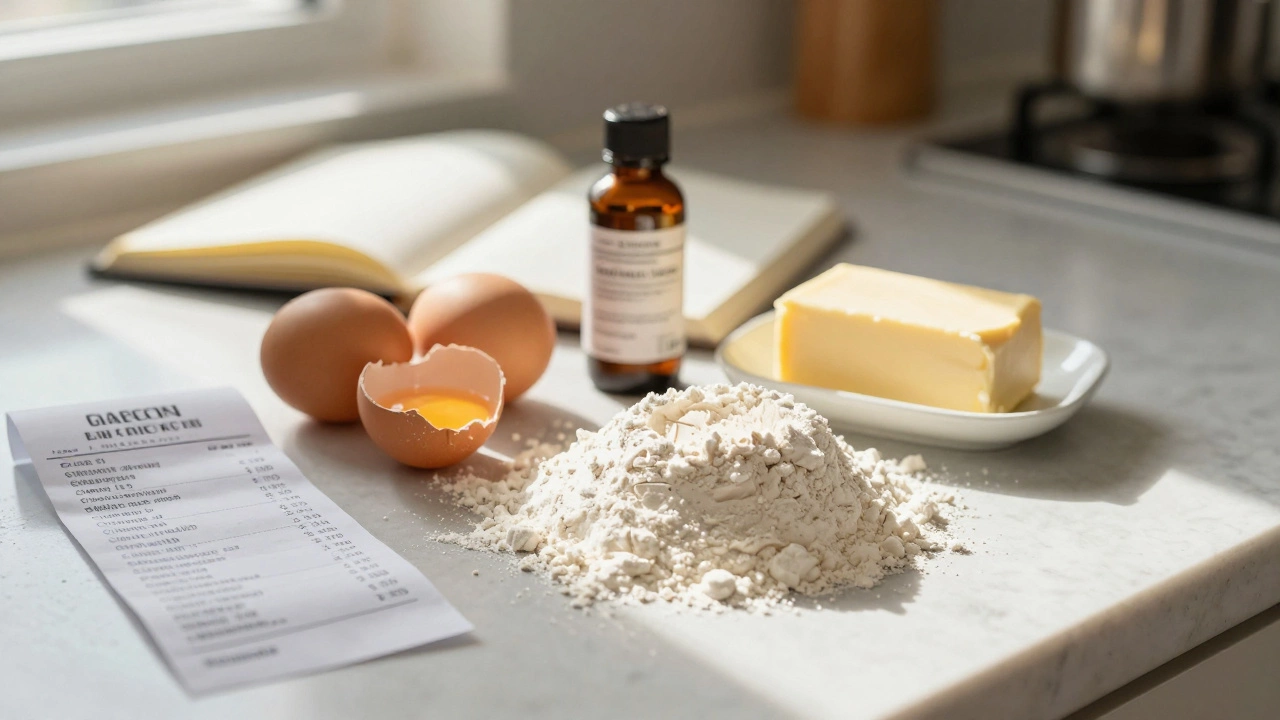
There is a moment in every baker’s life when they stare at a grocery receipt and wonder if their hobby is actually a financial burden. You bought the flour, the eggs, the vanilla extract, and that fancy piping tip you swore you’d use more than once. Then you look at the price tag on a store-bought sheet cake from the supermarket bakery. The math gets messy fast. Is it really cheaper to bake your own birthday cake, or are we just fooling ourselves into thinking we’re saving money?
The short answer is yes, it is almost always cheaper to bake a cake yourself. But the long answer depends entirely on what kind of cake you want, how much time you value, and whether you consider the cost of electricity and wasted batter as part of the equation. Let’s break down the real costs of baking versus buying in 2026, looking at ingredient prices, labor, and the hidden expenses that often catch people off guard.
The True Cost of Ingredients
To understand the savings, we need to look at the raw numbers. A standard two-layer 8-inch round cake serves about 12 to 15 people. If you were to buy a similar size cake from a local boutique bakery, you would likely pay between £40 and £60 in the UK, depending on the location and decoration complexity. A supermarket version might run you £15 to £25. Now, let’s calculate what it costs to make that same cake at home.
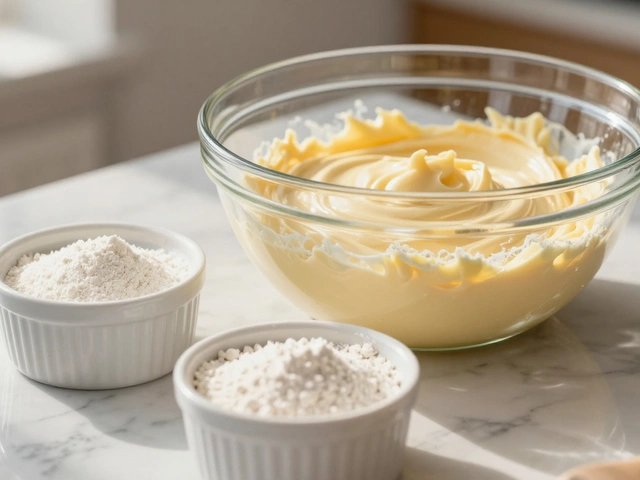
| Ingredient | Quantity Needed | Approximate Cost (£) |
|---|---|---|
| All-purpose flour | 2 cups | £0.30 |
| Sugar | 1.5 cups | £0.25 |
| Butter | 1 cup | £1.50 |
| Eggs (large) | 4-5 | £0.80 |
| Milk | 1 cup | £0.20 |
| Vonilla Extract | 2 tsp | £0.40 |
| Baking Powder/Soda | Small amount | £0.10 |
| Buttercream Frosting | Full batch | £2.50 |
| Total Ingredient Cost | - | ~£6.05 |
As you can see, the ingredient cost for a basic homemade cake is roughly £6. That is significantly lower than even the cheapest supermarket option. However, this calculation assumes you already have these staples in your pantry. If you have to buy everything new, including a bag of flour and a bottle of milk you won’t finish, the initial outlay might be closer to £15 to £20. Even then, you are left with leftovers that can be used for cookies, pancakes, or future baking projects, which amortizes the cost over time.
It is also important to note that ingredient quality matters. Using premium organic butter or high-end vanilla bean paste will drive up the cost. A luxury homemade cake might cost £15 to £20 in ingredients, but it still undercuts most professional bakers who charge for their expertise, overhead, and branding.
The Hidden Costs of Baking at Home
If ingredients were the only factor, the decision would be easy. But baking involves more than just mixing bowls. There are utility costs, equipment depreciation, and the dreaded "trial and error" tax.
First, consider energy usage. Preheating an oven, running a mixer, and keeping the kitchen lights on adds up. For a single cake, the electricity and gas cost is negligible-probably less than 50 pence. But if you are baking multiple cakes for a large party, those utilities start to matter. More importantly, there is the cost of equipment. Do you own good cake pans? A sturdy stand mixer? Piping tips? If you are a beginner, you might spend £50 to £100 on gear before you even bake your first cake. This is a one-time investment, but it skews the cost of your first few attempts.
Then there is the waste factor. Have you ever dropped a layer? Burnt the bottom? Made frosting that was too sweet or too thin? In my experience living in Brighton, where humidity can wreak havoc on meringue-based frostings, I have thrown away more than one batch of icing. Wasted ingredients are real money. A failed cake means you have spent £6 worth of food in the bin, plus your time. Professional bakers rarely fail because they follow tested formulas and work in controlled environments. At home, variables like altitude, humidity, and oven calibration can lead to costly mistakes.
Time vs. Money: Valuing Your Labor
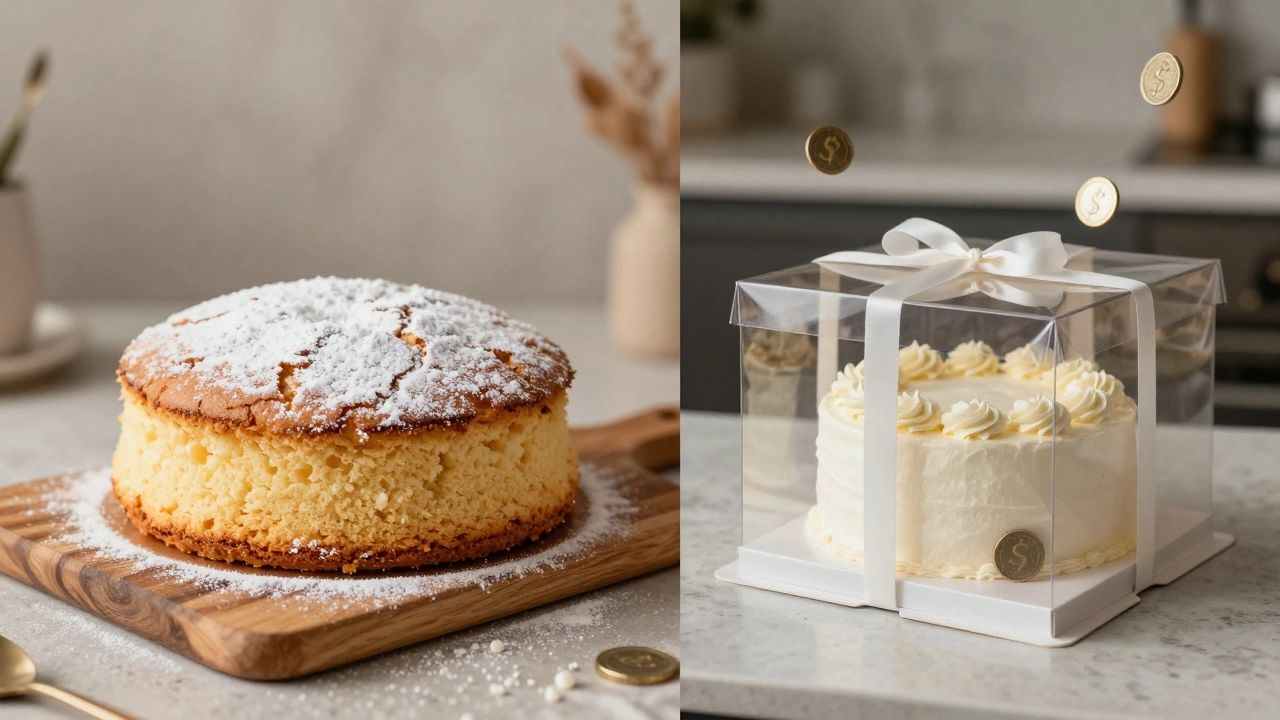
This is the biggest variable in the equation. How much is your time worth? Baking a cake from scratch takes time. Mixing, baking, cooling, leveling, crumb coating, frosting, and decorating can easily take 3 to 4 hours for a novice. Even an experienced baker might spend 90 minutes on a well-decorated cake.
If you value your time at £15 per hour (a conservative estimate for many casual workers), 3 hours of labor equals £45. Add that to the £6 ingredient cost, and your homemade cake now costs £51. Suddenly, it is more expensive than a simple supermarket cake and competitive with a boutique bakery order.
However, not everyone views baking as "work." For many, it is a hobby, a creative outlet, or a way to connect with family. If you enjoy the process, the time spent is not a cost-it is a benefit. The satisfaction of pulling a perfect golden sponge out of the oven has intrinsic value that a store-bought cake cannot match. But if you hate baking, view it as a chore, or are stressed about meeting a deadline, then buying a cake is the smarter financial decision because it buys you back your free time.
When Buying Makes Sense
There are specific scenarios where ordering a cake is not just convenient, but financially logical. Here are the key situations where you should skip the apron:
- Dietary Restrictions: If you need gluten-free, nut-free, or vegan cakes, specialty ingredients can be expensive. Almond flour, xanthan gum, and dairy-free chocolates cost significantly more than their conventional counterparts. Sometimes, a specialized bakery has bulk discounts on these items, making their price comparable to your retail purchases.
- Complex Designs: Want a sculpted character cake, intricate sugar flowers, or a multi-tiered wedding-style celebration cake? Achieving this level of detail requires skills and tools that take years to master. Attempting this at home without experience often leads to disaster and wasted money. Professional decorators charge for their artistry, and for complex designs, that fee is justified.
- Large Quantities: Feeding 50+ people? Baking four separate cakes at home is exhausting and risky. Catering or bakery orders for large groups often come with economies of scale. You get consistent quality and presentation without the physical toll of marathon baking sessions.
- Lack of Equipment: If you do not have a reliable oven or proper pans, the risk of failure is high. Renting or buying equipment for a one-off event does not make economic sense.
Hybrid Approach: Semi-Homemade Strategies
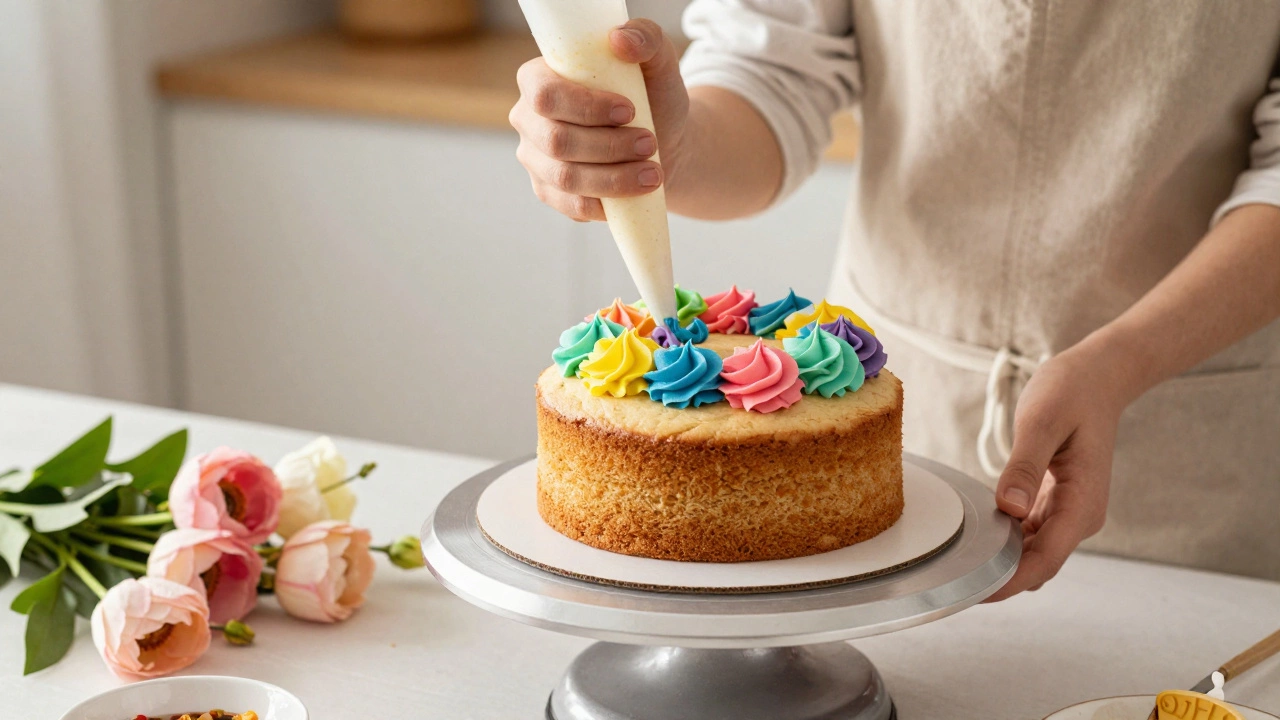
You do not have to choose between full DIY and fully purchased. Many bakers use a hybrid approach to balance cost, effort, and quality. This strategy can save you money while reducing stress.
For example, you can buy a high-quality pre-made sponge from a supermarket or local bakery and focus your energy on the frosting and decoration. Or, you can make your own cake layers but use a store-bought frosting base that you enhance with flavorings and colors. Another popular tactic is to bake a simple sheet cake at home and purchase decorative elements like fondant toppers or fresh flowers separately. This allows you to customize the look without spending hours on technical frosting skills.
Conclusion: What Should You Do?
So, is it cheaper to bake or buy? Mathematically, baking is cheaper if you already have supplies and value your time at zero. The ingredient cost is a fraction of the retail price. But if you factor in labor, equipment, and potential waste, the gap narrows.
Ask yourself these questions before deciding: Do I enjoy baking? Do I have the right tools? Is the design simple? If the answer is yes, bake it. You will save money and gain a sense of accomplishment. If you are short on time, lack confidence in your skills, or need a complex design, buy it. The peace of mind and guaranteed result are worth the extra cost. Remember, the best cake is the one that brings joy to your guests, whether it came from your oven or a bakery box.
How much does it cost to bake a cake at home in the UK?
The ingredient cost for a standard 8-inch homemade cake is approximately £6 to £10, depending on the quality of ingredients like butter and vanilla. This excludes the cost of equipment and utilities.
Is it cheaper to buy cake mix or bake from scratch?
Buying cake mix is slightly cheaper than baking from scratch if you count all ingredients. A box of mix costs around £1.50 to £2.50, whereas from-scratch ingredients cost £6+. However, from-scratch cakes often taste better and allow for customization, which may justify the higher cost for some bakers.
Why are professional cakes so expensive?
Professional cakes include costs for skilled labor, commercial kitchen rent, insurance, marketing, packaging, and high-quality ingredients. You are paying for consistency, design expertise, and convenience, not just the food itself.
Can I save money by baking in bulk?
Yes, baking in bulk can reduce the per-unit cost of ingredients due to fewer setup and cleanup times. However, you must ensure you can freeze or consume the excess before it spoils to avoid waste.
What are the hidden costs of baking at home?
Hidden costs include electricity and gas for cooking, wear and tear on appliances, cost of specialized equipment (pans, mixers), and the value of your time spent baking and cleaning.