Gluten-Free Baking Ratio Calculator
Enter your base recipe details below. This tool helps you adjust liquids and binders based on the specific flour type you are using, following expert recommendations for optimal texture.
Why These Adjustments?
Hydration
Gluten-free flours absorb liquid differently. Increasing liquid by 10-15% prevents dry, crumbly textures and helps starches gel properly.
Binding
Without gluten, you need hydrocolloids like xanthan or guar gum to act as "glue." The right amount ensures structure without making the cake gummy.
Leavening
Heavier batters often need a slight boost in baking powder to ensure proper rise. A small addition can make the difference between flat and fluffy.
Ever pulled a cake out of the oven only to find it crumbles into dust the moment you touch it? If you’ve tried baking with gluten-free flour is a process that requires specific techniques to achieve texture and structure comparable to wheat-based baked goods., you know the frustration. It’s not just about swapping one bag for another. Gluten does heavy lifting in traditional recipes, providing elasticity and structure. Without it, your batter behaves differently. The good news? There is absolutely a trick to it. And once you understand the mechanics, your gluten-free creations will stop tasting like cardboard and start tasting like dessert.
The Science Behind the Crumb
To fix the problem, you first have to understand why it happens. In standard baking, gluten is a network of proteins formed when water mixes with wheat flour, providing elasticity and strength to dough. This network traps air bubbles during rising, giving bread its chew and cakes their lift. When you remove gluten, you lose that structural scaffold. Most single-grain flours, like rice or corn, are too coarse or too light to hold together on their own. That’s why most commercial blends contain multiple ingredients. They mimic the behavior of all-purpose flour by combining different starches and proteins.
However, even the best blend needs help. Think of gluten as the glue in a wall of bricks. If you remove the glue, the bricks fall apart. In gluten-free baking, we use hydrocolloids-thickening agents-to act as that glue. The two main players here are xanthan gum is a natural polysaccharide used as a thickener and stabilizer in gluten-free baking to improve texture. and guar gum is a fiber derived from guar beans that acts as a binder and moisture retainer in gluten-free recipes.. Xanthan gum provides elasticity, while guar gum adds moisture retention. Using both often yields better results than either alone. A common rule of thumb is 1/2 teaspoon of xanthan gum per cup of flour if your blend doesn’t already include it. Too much makes the cake gummy; too little leads to crumbling.
Choosing the Right Blend
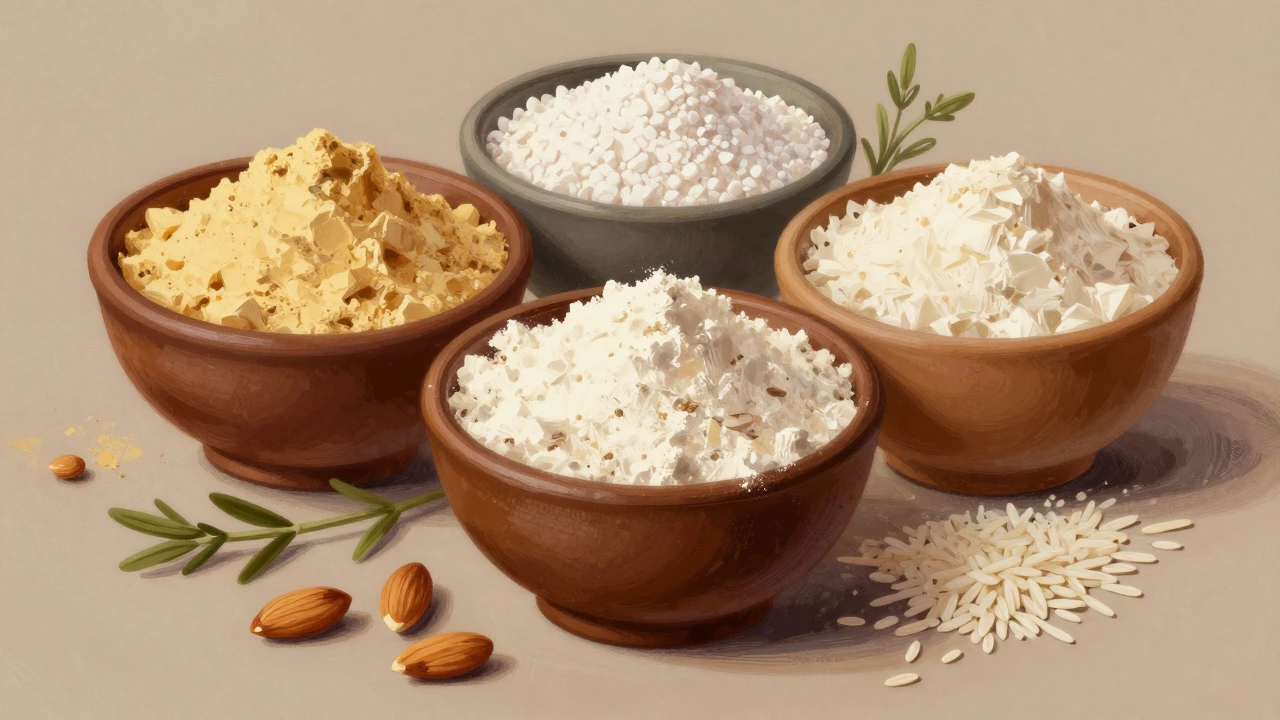
Not all gluten-free flours are created equal. Your choice depends entirely on what you’re making. For dense, moist items like brownies or cookies, a simple mix of almond flour and tapioca starch works wonders. Almond flour adds fat and protein, which helps bind without gums. But for airy cakes and quick breads, you need a multi-grain blend. Look for blends that list tapioca starch is a starch extracted from cassava roots, valued in gluten-free baking for its ability to add chew and prevent dryness., rice flour is a fine powder made from milled rice, commonly used in gluten-free blends for its neutral flavor and light texture., and potato starch. Each plays a distinct role. Rice flour provides body, tapioca adds chew, and potato starch keeps things tender. Avoid blends with more than 50% rice flour if you want a soft cake, as excessive rice content can make the final product gritty.
| Flour Type | Best For | Texture Profile | Binding Ability |
|---|---|---|---|
| Almond Flour | Cookies, Brownies, Dense Cakes | Moist, Rich, Nutty | High (due to fat/protein) |
| Tapioca Starch | Chewy Goods, Pizza Dough, Blends | Gummy, Elastic, Stretchy | Medium (requires other binders) |
| Rice Flour | Light Cakes, Quick Breads | Light, Slightly Gritty | Low (needs gums) |
| Oat Flour (Certified GF) | Muffins, Pancakes, Cookies | Tender, Soft, Sweet | Medium-High |
The Liquid Ratio Trap
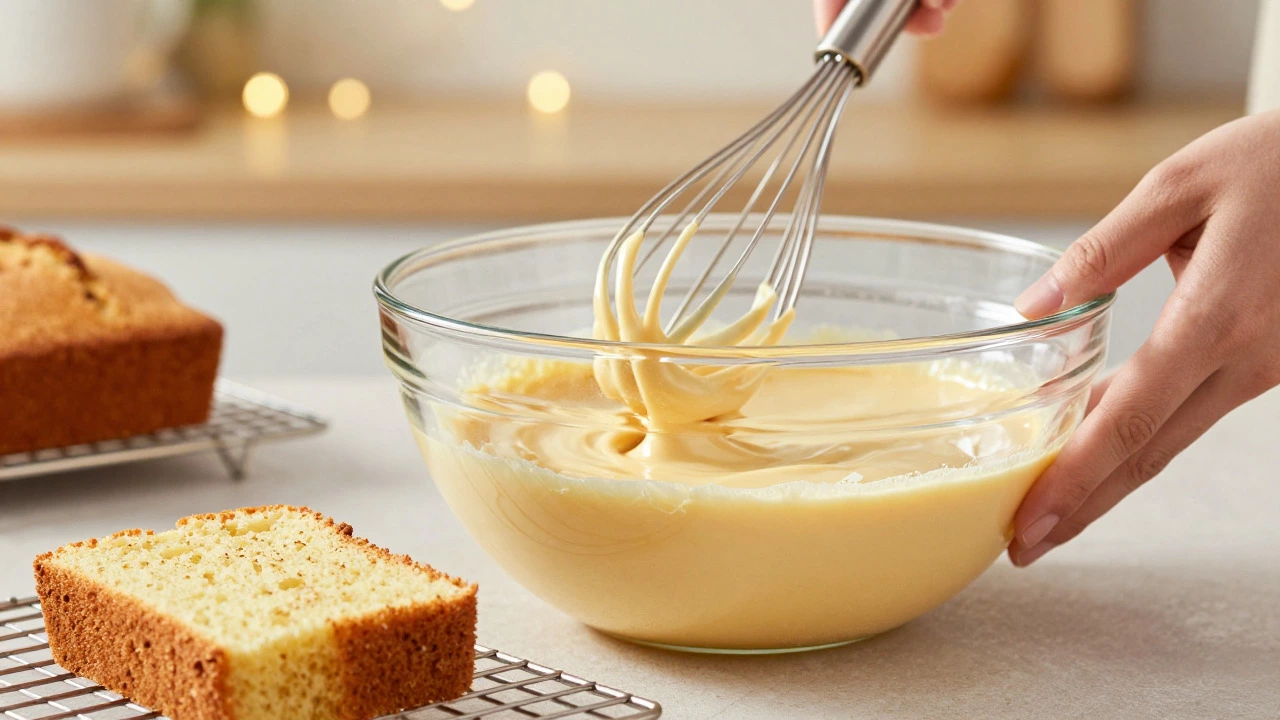
Here’s where many bakers go wrong. Gluten-free flours absorb liquid differently than wheat flour. Generally, they require more moisture to hydrate fully. If you stick strictly to a 1:1 volume swap without adjusting liquids, your batter will be stiff, and your cake will be dry. A practical tip: increase your liquid content by 10-15% compared to a standard wheat recipe. You might add an extra egg white, a splash of milk, or a tablespoon of oil. This extra hydration helps the starches gel properly during baking, resulting in a softer crumb. Don’t be afraid to check your batter consistency. It should flow slowly off a spoon, similar to a thin pancake batter, rather than sitting thick and clumpy.
Techniques for Better Structure
Beyond ingredients, technique matters immensely. First, always sift your gluten-free flour. These flours tend to clump, especially if stored in humid environments like kitchens near the coast. Clumps create uneven spots in your cake that remain undercooked or overly dense. Sifting ensures a uniform distribution of starches and gums. Second, don’t overmix. While you need to combine ingredients thoroughly, beating the batter for minutes creates excess heat and breaks down the delicate starch structures. Mix until just combined. Lumps are okay at this stage; they will dissolve during baking. Another pro move is using eggs as primary binders. Eggs provide structure through protein coagulation. If you’re using a recipe with only one egg, consider adding a second yolk or a full extra egg for denser cakes. For vegan options, flax eggs are a binding agent made by mixing ground flaxseed with water, creating a gel-like substance that mimics egg function in baking. work well, but they add moisture. Adjust your liquid downward if using them. Finally, let your cakes cool completely before slicing. Gluten-free cakes set slower than wheat cakes. Cutting them warm causes the internal structure to collapse, leading to that dreaded crumble. Patience is your best ingredient here.
Common Mistakes to Avoid
Even with the right ingredients, small errors can ruin a batch. One frequent mistake is using stale flour. Gluten-free flours, particularly those containing nuts like almond or coconut, go rancid faster than wheat flour. Store them in the freezer if you won’t use them within two months. Smell the flour before measuring; if it smells musty, toss it. Another error is ignoring the leavening agents. Because gluten-free batters are heavier, they often need a slight boost in baking powder. Adding an extra 1/4 teaspoon per cup of flour can help with rise. However, don’t overdo it, or you’ll end up with a soapy taste. Lastly, resist the urge to bake at lower temperatures. Gluten-free cakes often benefit from slightly higher initial heat to set the structure quickly before spreading too much. Stick to the recipe temperature, but ensure your oven is preheated properly. An oven thermometer is worth every penny because home ovens can vary by 20 degrees, which significantly affects how starches set.
FAQ
Do I need to add xanthan gum to every gluten-free recipe?
Not necessarily. If you are using a high-quality commercial blend that already contains xanthan or guar gum, you usually don't need to add more. However, if you are mixing your own blend from single flours like rice or oat, adding 1/2 teaspoon of xanthan gum per cup of flour is highly recommended to prevent crumbling. For very dense items like brownies, you might get away with less or none, relying on fat and sugar for binding.
Why does my gluten-free cake fall flat in the middle?
A sunken center usually indicates the cake was removed from the oven too early. Gluten-free structures take longer to set than wheat-based ones. Use a toothpick test; it should come out clean or with a few moist crumbs attached, but no wet batter. Also, ensure your oven temperature is accurate. If the oven runs cold, the outside sets before the inside is done, causing the structure to collapse as it cools.
Can I substitute almond flour for a gluten-free blend?
You can, but it changes the texture significantly. Almond flour is denser and richer due to its high fat content. It works beautifully for cookies, brownies, and pound cakes, but it may make sponge cakes too heavy. If substituting, reduce the amount of liquid in the recipe by about 1/4 cup per cup of flour replaced, as almond flour absorbs less moisture than rice or tapioca starch.
How do I keep gluten-free cakes moist for several days?
Gluten-free cakes dry out faster than wheat cakes because they lack the gluten network that traps moisture. To extend freshness, store them in an airtight container at room temperature for up to three days. For longer storage, freeze slices wrapped individually in plastic wrap. Thaw at room temperature before serving. Adding a syrup soak or cream cheese frosting also helps seal in moisture.
Is there a difference between gluten-free baking powder and regular baking powder?
Most regular baking powders are naturally gluten-free, but some brands use wheat starch as a filler. Always check the label to be sure. If you find a brand that contains wheat starch, look for one labeled specifically 'gluten-free' or switch to a trusted brand that lists cornstarch or tapioca starch as the anti-caking agent instead.
Popular Posts

Vegan Desserts: What Am I Lacking as a Vegan?
May, 14 2025