Box vs. Scratch: The Ultimate Cake Decision Tool
Box Mix
Fast & Reliable
From Scratch
Rich & Complex
Analysis Results
Estimated Cost
Active Prep Time
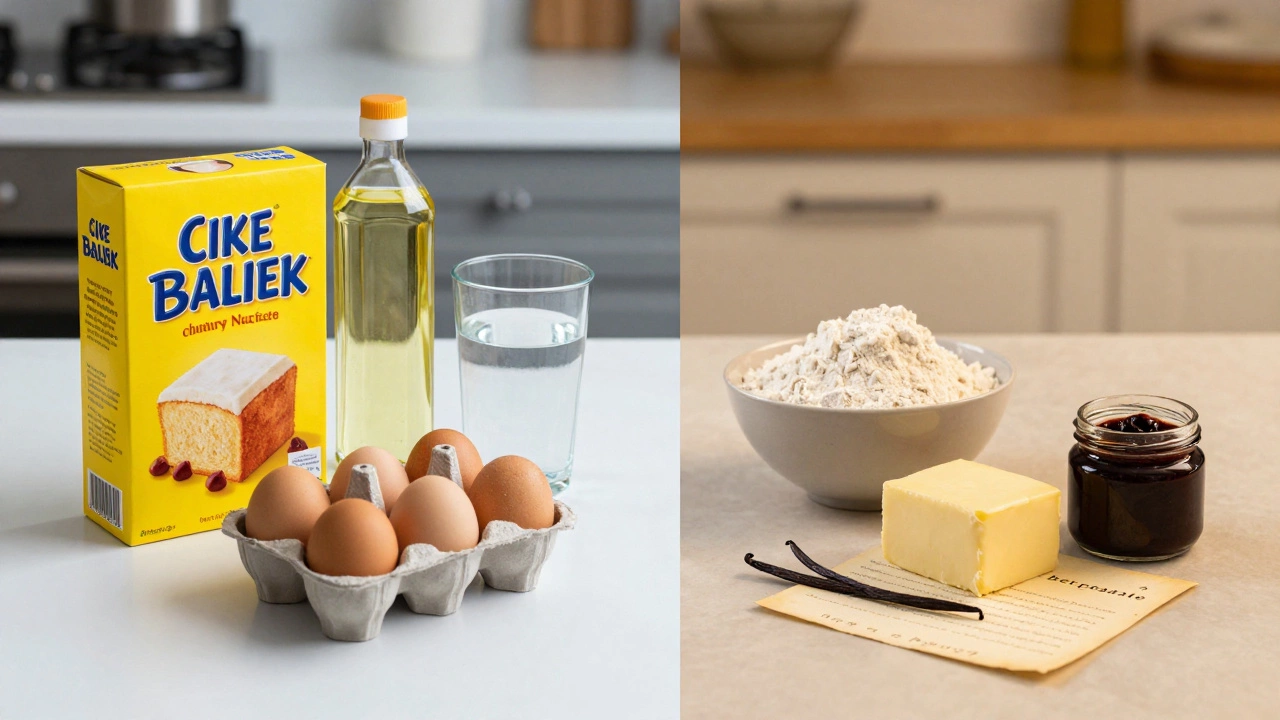
There is a specific moment in every baker’s life when you stare at the yellow box of Betty Crocker is a brand of food products owned by General Mills, famous for its cake mixes and baking supplies Super Moist Vanilla. You’ve got eggs, oil, and water right there on the counter. It takes ten minutes. But then you look at your flour bin, your vanilla extract, and that recipe card stained with chocolate from three years ago. The question isn’t just about time; it’s about taste. Is homemade cake actually better than a box mix, or are we just romanticizing the effort?
I’ve baked both. I’ve eaten both. And honestly, the answer depends entirely on what you’re trying to achieve. If you want a consistent, reliable crumb for a crowd-pleasing birthday party, the box has some serious tricks up its sleeve. If you want depth of flavor, a tender melt-in-your-mouth texture, and something that tastes like *you* made it, scratch baking wins hands down. Let’s break down why, looking at ingredients, texture, and that elusive "grandma taste" everyone chases.
The Ingredient Gap: What’s Really Inside?
To understand why homemade often tastes richer, you have to look at the label. A standard box cake mix is a pre-measured blend of dry ingredients including flour, sugar, leavening agents, and stabilizers designed for quick preparation is engineered for shelf stability and ease. The first ingredient is usually enriched flour, followed by sugar. Then come the additives: calcium carbonate (to regulate pH), sodium aluminum phosphate (a leavening agent), and various emulsifiers like mono- and diglycerides. These ensure the cake rises evenly every single time, regardless of how hot your kitchen is or how fast you stir.
When you bake from scratch, you control the fat source. Most box mixes ask for vegetable oil because it stays liquid at room temperature, keeping the cake moist for days. Homemade recipes often call for butter. Butter contains milk solids and water, which brown during baking (the Maillard reaction) to create complex, nutty flavors that oil simply cannot replicate. Oil makes a cake moist; butter makes a cake flavorful. That is the fundamental difference.
Furthermore, scratch bakers use real vanilla bean paste or high-quality extract. Box mixes rely on artificial vanillin, which hits the tongue with a sharp, one-note sweetness. Real vanilla has hundreds of aromatic compounds. When paired with creamed butter and sugar, it creates a layered flavor profile that feels sophisticated rather than just sweet.
Texture Wars: Crumb Structure and Mouthfeel
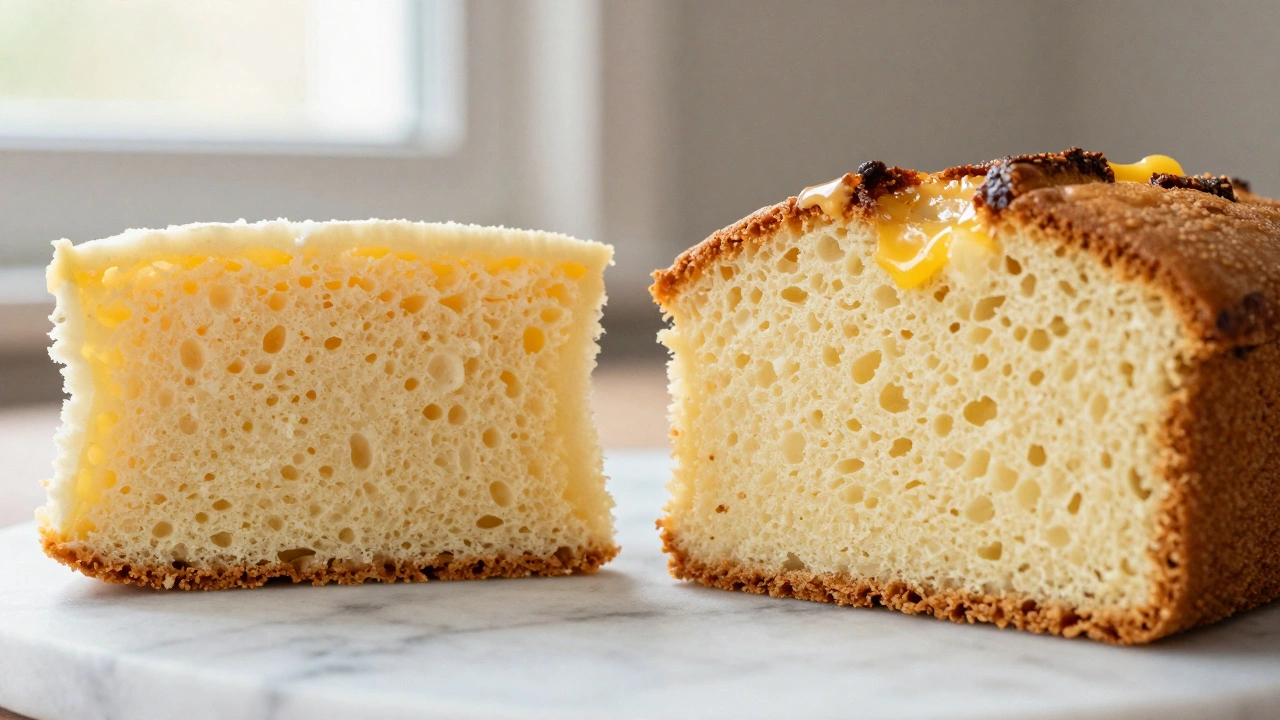
Have you ever noticed how box cake crumbs feel slightly spongy, almost like a dense sponge? That’s intentional. The chemical leaveners in the mix create uniform air bubbles. The result is a cake that slices perfectly and holds its shape under heavy frosting. This is why professional decorators often use box mixes as a base-they are predictable.
Homemade cake texture varies wildly based on technique. If you cream butter and sugar properly, you trap tiny air pockets that expand slowly in the oven. This creates a finer, more delicate crumb. However, if you overmix the batter, you develop gluten, leading to a tough, chewy cake. There is a learning curve here. Box mixes forgive mistakes; scratch baking punishes them. But when done right, a homemade vanilla or chocolate cake has a tenderness that dissolves on the tongue, whereas a box cake often requires a bit more chewing.
Consider moisture retention. Oil-based box cakes stay soft for up to five days. Butter-based homemade cakes peak in freshness within 24 to 48 hours. After that, they can start to dry out unless stored correctly. If your birthday party is on Saturday but you bake on Thursday, the box mix might actually win on longevity.
The "Hacks" That Bridge the Gap
You don’t have to choose between total convenience and total authenticity. Many home bakers use hybrid methods to upgrade their box cakes. These tricks mimic the benefits of scratch baking without the full commitment.
- Substitute water with milk: Milk adds fat and proteins that enrich the batter, improving both flavor and structure.
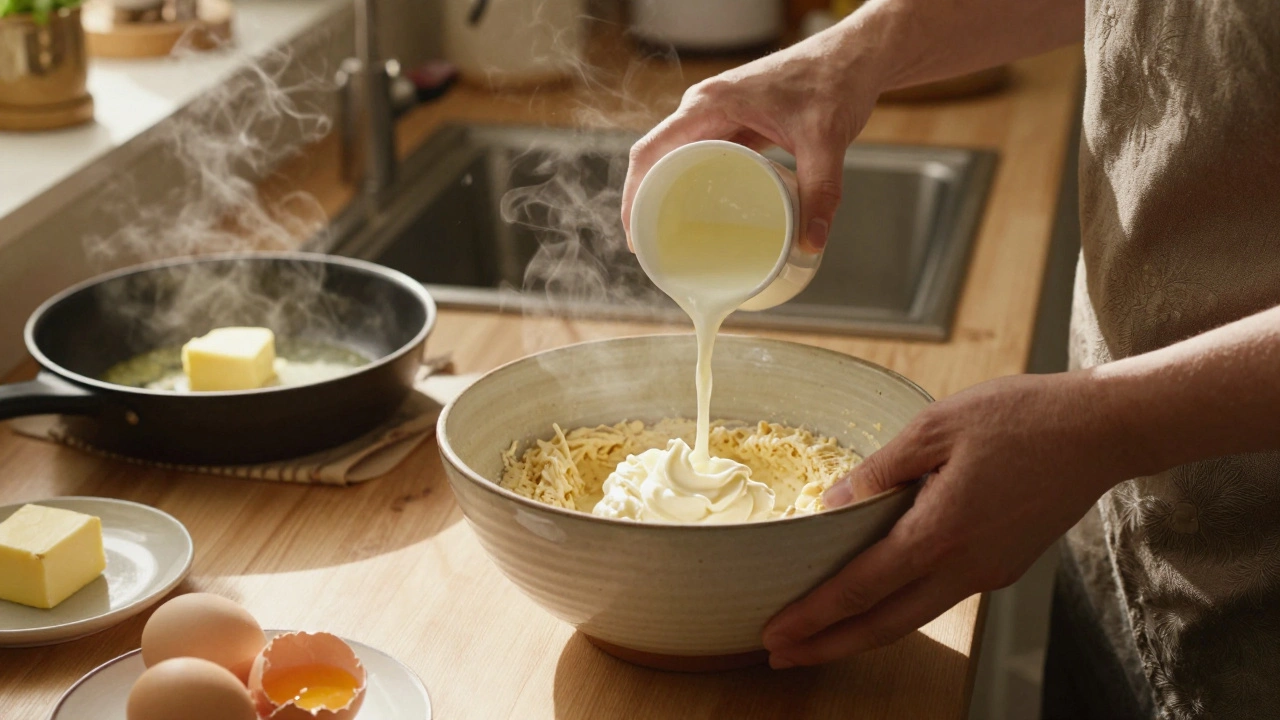
- Use melted butter instead of oil: This introduces the dairy notes associated with homemade cakes while retaining the moisture of fat.
- Add an extra egg: Eggs provide structure and richness. Adding one beyond the recipe calls makes the crumb denser and more satisfying.
- Include sour cream or yogurt: The acidity tenderizes the gluten strands, resulting in a softer, more luxurious mouthfeel.
I once made a chocolate box cake using melted dark chocolate instead of part of the oil, and added espresso powder. The difference was night and day. It tasted less like a grocery store product and more like a bakery item. These small swaps address the main complaints about box cakes: lack of depth and artificial aftertaste.
Cost and Time Analysis
Let’s talk numbers, because budget matters. A box of cake mix costs around £1.50 to £2.00 in the UK. You need eggs (£0.30 each), oil (£0.50 worth), and water (free). Total cost per cake: roughly £3.00.
A homemade cake requires flour (£0.20), sugar (£0.15), butter (£1.50 for 100g), eggs (£0.90 for three), vanilla extract (£0.50), and baking powder/soda (£0.10). Total cost: approximately £3.35. The price difference is negligible-less than 50 pence. So, cost shouldn’t be the deciding factor.
Time is where the gap widens. Mixing a box cake takes 10 minutes active prep plus 30 minutes baking. Making a scratch cake involves measuring, sifting, creaming butter and sugar for 5-7 minutes until pale and fluffy, adding eggs one by one, folding in dry ingredients, and then baking. Active prep time jumps to 25-30 minutes. For a busy parent or someone hosting a large event, those extra 20 minutes matter. But for a weekend project, the slower process allows for mindfulness and enjoyment of the craft.
| Feature | Box Cake Mix | Homemade from Scratch |
|---|---|---|
| Prep Time | 10 minutes | 25-30 minutes |
| Flavor Depth | Mild, sweet, artificial notes | Rich, complex, buttery |
| Texture | Spongy, uniform, resilient | Tender, delicate, variable |
| Shelf Life | Up to 5 days (oil-based) | 2-3 days (butter-based) |
| Consistency | High (hard to mess up) | Medium (requires technique) |
| Customization | Limited | Unlimited (spices, extracts, fruits) |
When to Choose Which
Context is king. If you are baking for a child’s sixth birthday where the focus is on the balloons and the games, not the culinary critique, a box cake upgraded with real butter and milk is a smart move. It will look perfect, slice cleanly, and taste good enough that no one complains. Plus, you’ll have energy left to blow out candles.
However, if you are celebrating an anniversary, a milestone birthday, or simply want to impress guests who appreciate nuance, go homemade. The aroma of melting butter and browning sugar fills the house in a way that box mixes never do. That sensory experience is part of the gift. People remember how a meal made them feel. A scratch cake feels personal. It says, "I spent time on this for you."
Also, consider dietary needs. Homemade cakes allow you to easily swap ingredients for allergies or preferences. Want to reduce sugar? Use half honey. Need gluten-free? Use almond flour. Box mixes are rigid in their formulation. While gluten-free box options exist, they are expensive and often inferior in texture compared to a well-formulated scratch recipe.
Final Verdict: It’s Not About Better, It’s About Intent
Is homemade cake better than box? In terms of pure flavor chemistry and textural elegance, yes. The use of real butter, real vanilla, and controlled mixing techniques creates a superior product. But "better" is subjective. If your goal is efficiency, consistency, and reliability, the box mix is a triumph of modern food science. It does exactly what it promises: a decent cake with minimal effort.
My advice? Keep a box mix in the cupboard for emergencies. But learn one great scratch recipe-a simple vanilla or chocolate layer cake-and master it. The satisfaction of pulling a golden, fragrant cake from the oven, knowing every ingredient was chosen by you, is worth the extra twenty minutes. And if you’re stuck in the middle, try the hacks. They prove that you don’t have to sacrifice soul for speed.
Can you make a box cake taste like homemade?
Yes, by substituting the called-for water with whole milk, replacing vegetable oil with melted unsalted butter, and adding an extra egg yolk for richness. These changes introduce dairy fats and proteins that mimic the flavor and texture of scratch-baked cakes.
Why do box cakes stay moist longer than homemade ones?
Box cakes typically use vegetable oil, which remains liquid at room temperature and coats flour proteins to prevent gluten formation, resulting in a tender crumb that retains moisture. Homemade cakes often use butter, which solidifies when cool and can lead to a drier texture after a few days.
Is it cheaper to bake from scratch or use a mix?
The cost difference is minimal. A box mix with ingredients costs about £3.00, while a scratch cake costs around £3.35. The savings are negligible, so choice should be based on time, desired flavor, and skill level rather than budget.
Do box cakes contain harmful chemicals?
Box cakes contain approved food additives like emulsifiers and leavening agents to ensure consistency and shelf life. While some people prefer to avoid these for health reasons, they are regulated and safe for consumption in normal amounts. Scratch baking avoids these additives entirely.
Which cake is better for decorating?
Box cakes are generally better for intricate decorating because their uniform crumb structure holds up well under pressure and slicing. Homemade cakes can be more delicate and may crumble if not handled carefully, though proper chilling before frosting helps.