Macaron Freshness & Storage Calculator
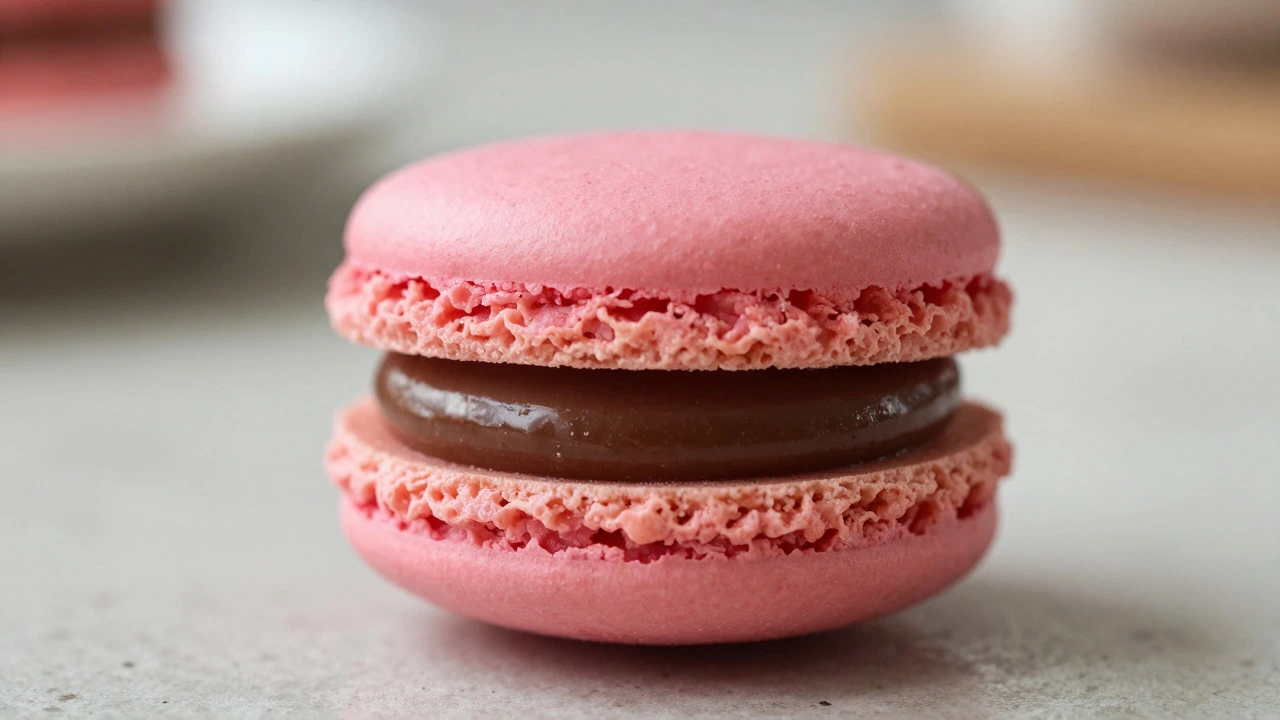
There is nothing quite like the first bite of a perfect French macaron is a delicate French confection consisting of two almond meringue cookies with a sweet filling. The crisp shell gives way to a chewy interior and a rich ganache or buttercream center. But here is the catch: these beautiful treats are notoriously fragile when it comes to longevity.
If you just bought a box from a high-end patisserie or spent hours baking them yourself, you probably want to know exactly how much time you have before they lose their magic. Spoiler alert: it depends entirely on how you treat them. A macaron left on the counter for three days will be a sad, dry disappointment. The same macaron stored correctly in the fridge can stay fresh for up to a week, and if you freeze it properly, it can survive for months without losing its signature texture.
The Short Answer: How Long Do Macarons Last?
To give you a quick roadmap, here is the general lifespan of a macaron based on where you keep it:
- Room Temperature: 1 to 3 days (only if filled with stable ingredients like jam or royal icing).
- Refrigerator: 5 to 7 days (the sweet spot for most fillings).
- Freezer: Up to 3 months (best for long-term storage).
These numbers assume your macarons were made with fresh ingredients and stored in an airtight container. If the shells are already cracked or the filling is oozing out before you start, your clock starts ticking faster. Let’s break down why each method works and what pitfalls to avoid.
Why Room Temperature Is Usually a Bad Idea
You might be tempted to leave your macarons on the kitchen counter because they look so pretty. Resist the urge. Unless you live in a very cool, dry climate and your filling is completely non-perishable, room temperature is risky.
Most modern macarons use fillings like chocolate ganache, buttercream, or cream cheese frosting. These ingredients contain dairy or fat that can spoil quickly at warm temperatures. Even if the filling doesn’t spoil, heat causes the fats to soften excessively, making the macaron messy and causing the shell to absorb moisture too fast, leading to a soggy texture.
If you must store them at room temperature, ensure the filling is sugar-based and stable, such as fruit preserves, lemon curd, or royal icing. Even then, consume them within 48 hours for the best experience. Beyond that, the shells begin to dry out, losing that crucial chewiness.
Refrigeration: The Gold Standard for Freshness
For the vast majority of home bakers and buyers, the refrigerator is the best place for your macarons. Cold air slows down bacterial growth in dairy-based fillings and keeps the structure of the almond shell intact.
However, the fridge is also the enemy of flavor and texture if you aren’t careful. Refrigerators are dry environments designed to pull moisture out of food. They are also notorious for absorbing odors. Your macarons could end up tasting like leftover fish or old onions if not sealed properly.
To refrigerate successfully:
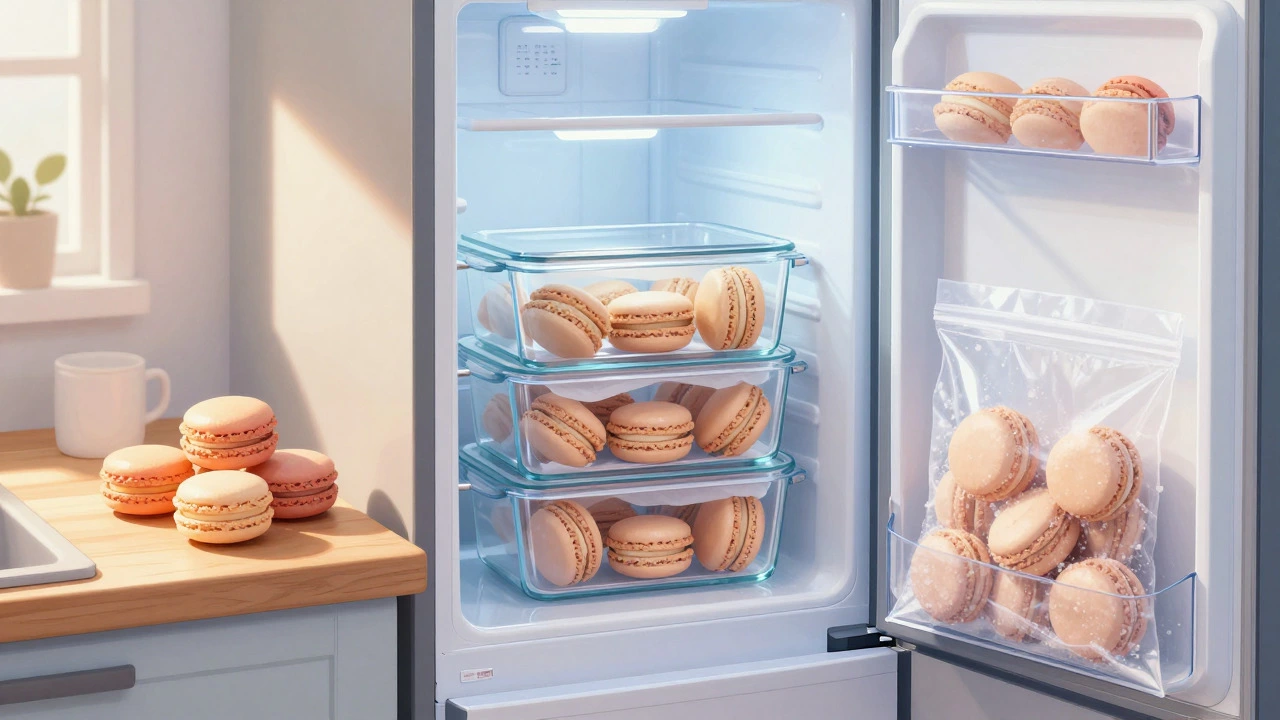
- Use an Airtight Container: This is non-negotiable. Use a plastic or glass container with a tight-sealing lid. Avoid loose wraps or bags unless you double-bag them tightly.
- Layer with Parchment Paper: Place a sheet of parchment paper between layers of macarons to prevent them from sticking together. The sticky filling can act like glue, ruining the smooth surface of the bottom shell when you try to separate them later.
- Keep Them Flat: Stack no more than two or three layers high. Heavy stacking can crush the delicate shells, especially if the filling is soft.
In this environment, your macarons will remain safe to eat and delicious for about five to seven days. After a week, even in the fridge, the shells may start to feel slightly stale or rubbery, though they are still edible.
Freezing Macarons: The Secret to Perfect Texture Later
Here is a pro tip that many pastry chefs swear by: frozen macarons often taste better than fresh ones. Why? Because the freezing process allows the flavors in the filling to meld with the almond shell, creating a more complex taste profile. It also stabilizes the texture, ensuring that chewy consistency we all love.
You can safely freeze macarons for up to three months. Some bakers claim they last longer, but quality degrades after 90 days. The shells may become brittle or develop freezer burn if not wrapped correctly.
Follow this specific method for freezing:
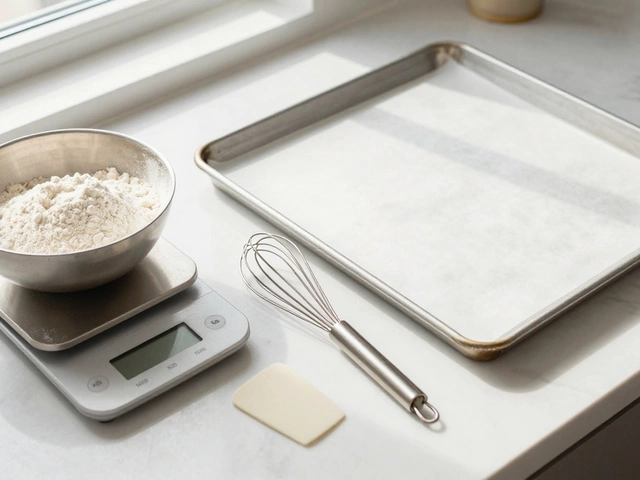
- Flash Freeze First: Before putting them in a bag, place the assembled macarons on a baking sheet lined with parchment paper. Put the sheet in the freezer for 1-2 hours until the macarons are solid. This prevents them from sticking together in a giant clump.
- Double Wrap: Once frozen, transfer them to an airtight container or a heavy-duty freezer bag. Remove as much air as possible from the bag before sealing. If using a container, consider placing a piece of parchment paper over the top layer before closing the lid.
- Label and Date: It’s easy to forget what’s in the back of your freezer. Mark the date so you know when to use them.
When you are ready to eat them, let them thaw in the refrigerator overnight or at room temperature for 30-60 minutes. Do not microwave them! Microwaving will melt the filling instantly and turn the shell into a hard, inedible rock.
Does the Filling Change the Shelf Life?
Absolutely. The type of filling you use dictates how perishable your macaron is. Think of the filling as the weak link in the chain.
| Filling Type | Room Temp | Refrigerated | Freezer |
|---|---|---|---|
| Chocolate Ganache | Not Recommended | 5-7 Days | Up to 3 Months |
| Buttercream | Not Recommended | 5-7 Days | Up to 3 Months |
| Cream Cheese | Avoid | 3-5 Days | Up to 2 Months |
| Fruit Jam / Curd | 2-3 Days | 5-7 Days | Up to 3 Months |
| Whipped Cream | Avoid | 2-3 Days | Not Recommended |
Note that whipped cream fillings are tricky. They don’t freeze well because the water content forms ice crystals, which ruins the airy texture upon thawing. If you use whipped cream, eat them within two days of making them.
Signs Your Macarons Have Gone Bad
Even with perfect storage, things can go wrong. Here is how to tell if it’s time to toss them:
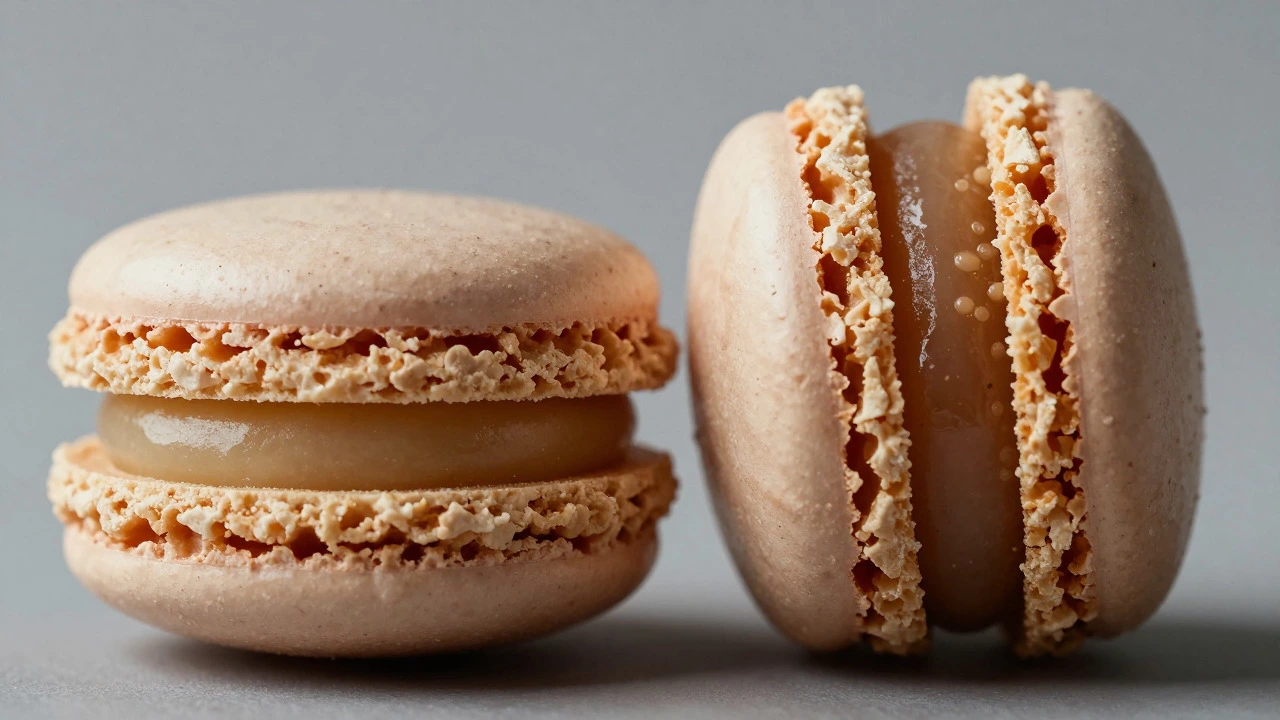
- Off Smell: Macarons should smell like almonds, vanilla, chocolate, or fruit. If they smell sour, yeasty, or just "off," throw them out. Rancid almond flour has a distinct, unpleasant odor.
- Mold: Check the edges of the filling. Mold can grow quickly in humid fridges. If you see any fuzzy spots, discard the entire batch if they were stored together.
- Texture Changes: If the shell feels rock-hard instead of crisp-chewy, or if the filling is grainy or separated, the quality has degraded significantly. They might not be unsafe, but they won’t taste good.
- Sogginess: If the bottom of the shell is mushy, moisture has migrated from the filling. This usually happens if the macaron was stored for too long or wasn’t cooled completely before filling.
Troubleshooting Common Storage Issues
My macarons are sticking together. This happens when the filling is too soft or the container isn’t cold enough. Always chill your assembled macarons for at least 24 hours before eating them. This "maturing" period helps the filling set and bonds the shell and filling together, reducing stickiness.
The shells are drying out. If your fridge is particularly dry, place a small bowl of water in the back of the fridge (not touching the macarons) to increase humidity slightly. Or, wrap the container in a damp (not wet) paper towel before sealing it.
I forgot to freeze them and they’ve been in the fridge for two weeks. Technically, they might still be safe if the filling is stable, but the texture will likely be compromised. The shells may have absorbed too much moisture from the air or dried out from the cold. Taste test one first. If it tastes fine, enjoy it immediately. Don’t save it for later.
Frequently Asked Questions
Can I eat macarons straight from the fridge?
You can, but it’s not recommended. Cold temperatures mute flavors and make the texture harder. For the best experience, take your macarons out of the fridge 30 to 60 minutes before eating. This allows them to reach room temperature, unlocking the full aroma and softening the shell to its ideal chewy state.
Do I need to assemble macarons before storing them?
Yes, always store assembled macarons. Unfilled shells dry out extremely quickly because they lack the moisture barrier provided by the filling. If you bake shells ahead of time, store them separately in an airtight container at room temperature for up to a week, but they are best used within 2-3 days. Once filled, refrigerate or freeze immediately.
Why do my macarons get soggy in the fridge?
Sogginess occurs when moisture migrates from the filling into the porous almond shell. This is common with high-moisture fillings like fruit curds or jams. To prevent this, create a barrier by adding a thin layer of ganache or buttercream between the shell and the juicy filling. Also, ensure your containers are truly airtight to prevent external humidity from affecting them.
Can I freeze unfilled macaron shells?
Yes, you can freeze unfilled shells for up to a month. Store them in an airtight container with parchment paper between layers. Thaw them at room temperature before filling. However, note that frozen shells can be more brittle and prone to cracking during handling, so handle them with care.
Is it safe to eat macarons after the expiration date?
The "expiration" dates discussed here are guidelines for peak quality, not strict safety deadlines. If stored properly in the fridge for up to a week, they are generally safe. If frozen for 3 months, they are also safe. However, if there are signs of mold, off smells, or significant texture degradation, it’s best to discard them. When in doubt, throw it out.