Vegan Kit Kat Checker
Verdict
Select a variant above and click "Check Vegan Status" to see if it is suitable for your diet.
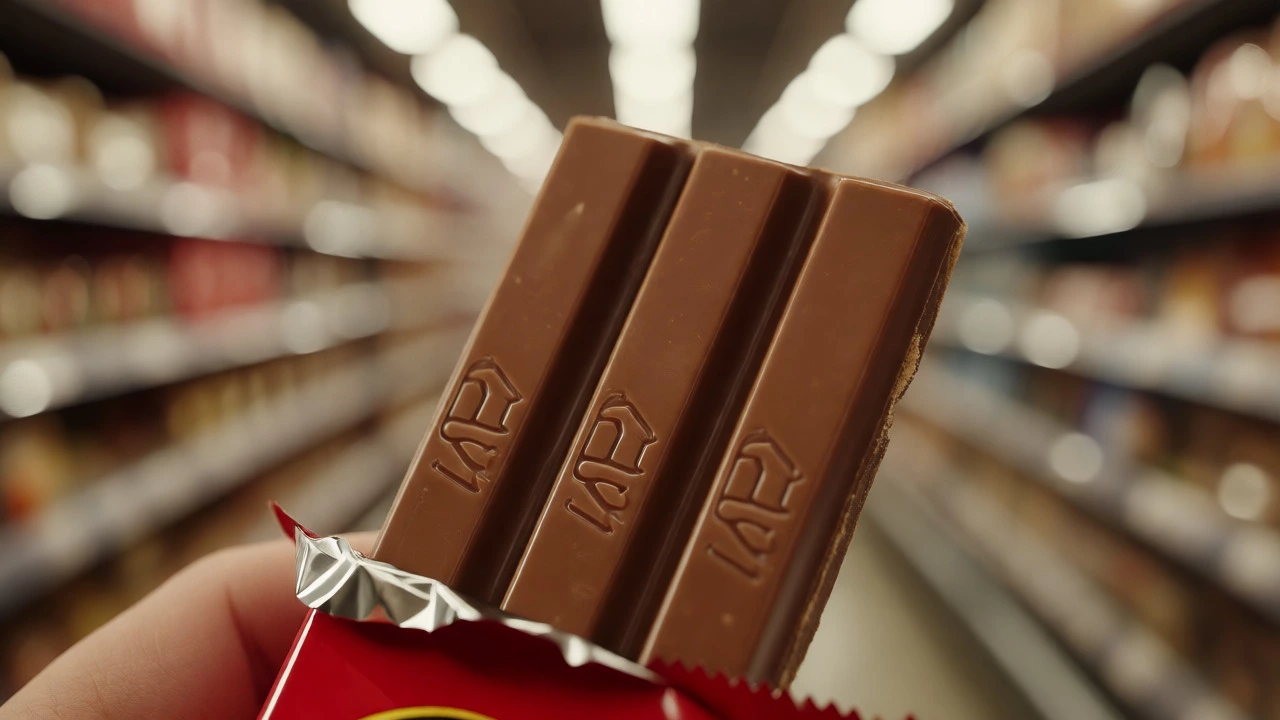
You grab a Kit Kat from the checkout aisle because you’re craving that specific snap of wafer and smooth chocolate. You check the back for the little green leaf logo, or maybe you just trust your memory. But then doubt creeps in. Is it actually vegan? If you’ve ever stared at a wrapper wondering if "milk solids" are sneaky non-vegan ingredients, you aren’t alone. For most people in the UK and US, the standard Kit Kat is not vegan.
But here’s where it gets messy: the answer depends entirely on where you live and which version you buy. In 2026, the landscape has shifted slightly with new plant-based launches, but the classic bar remains stubbornly dairy-heavy. Let’s break down exactly what’s inside, why milk powder is the dealbreaker, and what you can actually eat if you want to stay plant-based.
The Short Answer: No, Not Usually
If you pick up a standard four-finger Kit Kat in Brighton, London, or New York, it contains dairy. Specifically, it contains milk. This makes it vegetarian-friendly but strictly off-limits for vegans. The primary culprit isn’t just the chocolate coating; it’s the filling and the binding agents within the wafers themselves.
Why does this matter? Because many people assume dark chocolate is automatically vegan. While dark chocolate often skips milk, Kit Kats use milk chocolate. Even the "Dark" variants in some regions sometimes contain trace amounts of milk solids or are processed on lines that handle significant milk products, leading to cross-contamination warnings that strict vegans avoid.
Decoding the Ingredient List
To understand why a Kit Kat fails the vegan test, we need to look at the EAV model (Entity-Attribute-Value) of its ingredients. We aren’t just looking for "milk" as a word; we’re looking for derivatives.
| Ingredient | Source | Vegan Status | Reason |
|---|---|---|---|
| Milk Chocolate | Dairy Cow | Non-Vegan | Contains whole milk powder and cocoa butter. |
| Sugar | Sugarcane/Beet | Vegan-Friendly* | Usually fine, but bone char filtering is possible in US sugar. |
| Wheat Flour | Wheat Plant | Vegan | Plant-based grain. |
| Palm Oil | Palm Tree | Vegan | Plant oil, though ethical concerns exist regarding sustainability. |
| Soya Lecithin | Soybean | Vegan | Emulsifier derived from soy. |
*Note on Sugar: In the UK, beet sugar is common and rarely uses bone char. In the US, cane sugar might be filtered using animal bones. If you are a strict vegan in the US, this is a secondary concern after the obvious milk content.
The Global Variation Problem
This is where things get confusing for travelers and online shoppers. Kit Kat is manufactured by different companies depending on the region. In the UK and Ireland, it’s made by Nestlé. In the US, it’s made by Hershey’s. This leads to slight recipe differences, but neither version is vegan.
However, Japan is a different story. Japan has over 300 flavors of Kit Kat. Some limited-edition flavors have been accidentally vegan, such as certain Matcha Green Tea or Melon versions, provided they didn’t include milk powder. But relying on this is risky. Labels change, and recipes are tweaked without major announcements. Always read the label, even if a blog from 2024 said it was safe.
Are There Any Official Vegan Kit Kats?
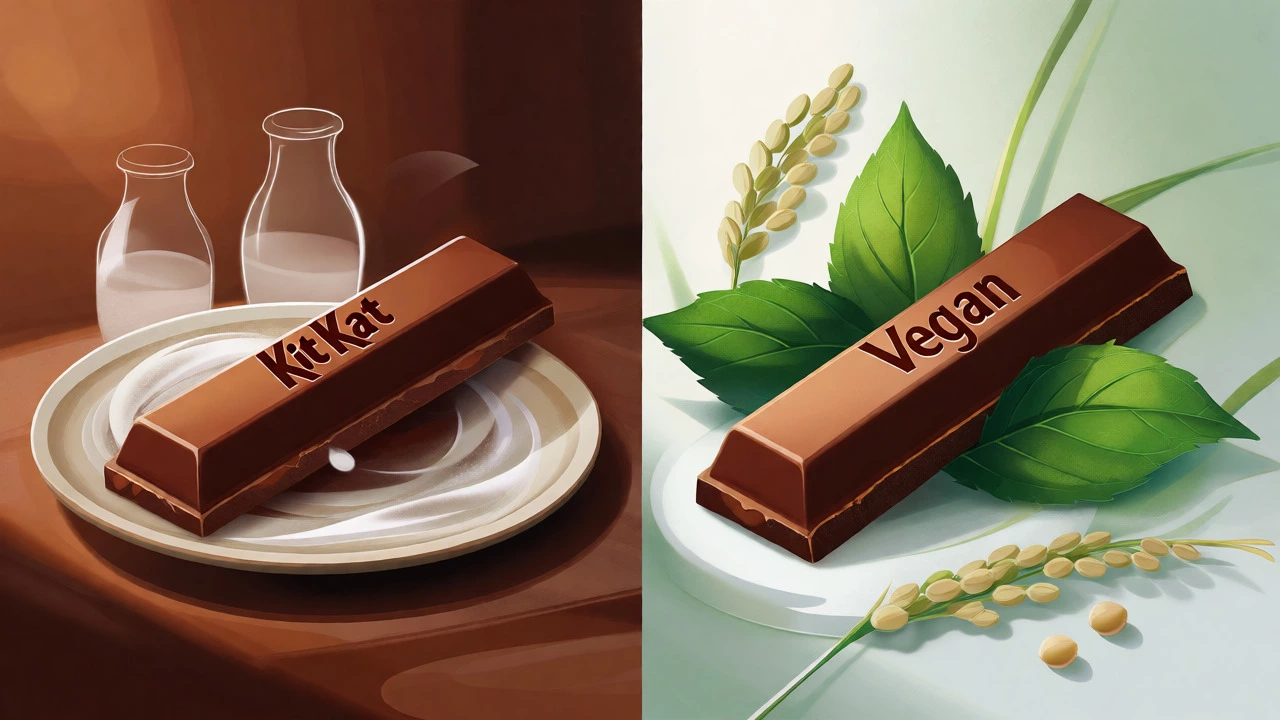
Nestlé has responded to the demand for plant-based options. They launched KitKat V, a dedicated vegan version of the classic bar. It replaces the milk powder with rice syrup and other plant-based ingredients to mimic the creamy texture.
But availability is spotty. As of late 2025 and into 2026, KitKat V is available in select markets like Germany, France, Italy, and parts of the UK, but it hasn’t had a wide, permanent rollout across all UK supermarkets yet. You might find it in health food stores or larger Tesco/Sainsbury’s branches, but don’t expect it in every corner shop. And definitely don’t expect it in the US mainstream aisles yet.
Better Than Waiting: Top Vegan Alternatives
If you can’t find KitKat V, or if you prefer a brand that guarantees vegan status, there are excellent alternatives. The key is finding something with the same textural contrast: crisp wafer, smooth coating.
- Lindt Excellence Dark Chocolate: Not a wafer bar, but if you just want the chocolate experience, Lindt’s 70%+ dark bars are typically vegan. Check the label for "may contain milk" warnings if you have severe allergies.
- Trader Joe’s Crisp Wafers: If you have access to Trader Joe’s (or their equivalents), they often carry store-brand wafer cookies coated in dark chocolate that are accidentally vegan.
- Go Max Go Foods: A US-based brand making "Kandy Kittens" and similar bars that are explicitly vegan and certified. They aim for that exact crunch.
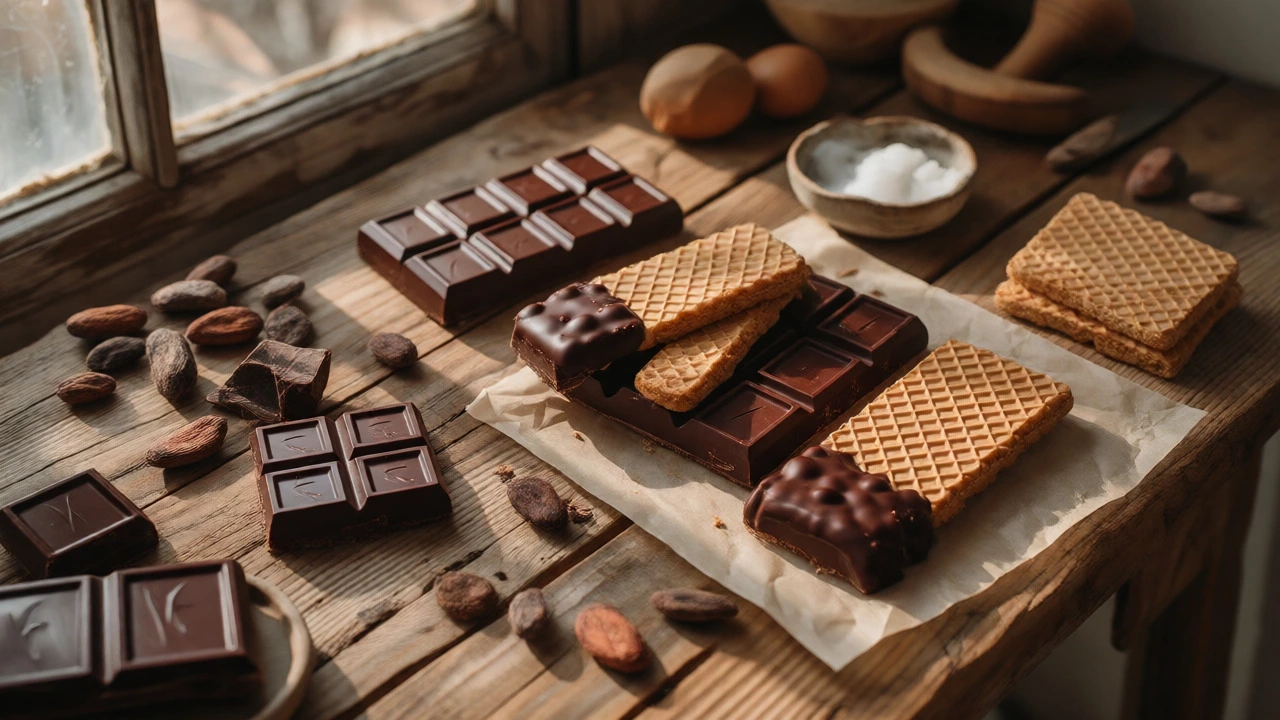
- Homemade Kit Kats: Yes, you can make them. Use vegan white chocolate or dark chocolate, dip homemade wafer biscuits (or store-bought vegan wafers), and freeze until set. It takes effort but tastes fresher.
What About Cross-Contamination?
A lot of vegans wonder if eating a regular Kit Kat is "bad" because of shared machinery. Most manufacturers add a "May Contain Milk" warning. This means the equipment isn’t thoroughly cleaned between batches, so microscopic particles of milk could end up in your bar.
For ethical vegans who avoid animal products due to environmental or moral reasons, this trace amount doesn’t involve direct consumption of an animal product, so many still eat it. However, for those with dairy allergies or strict dietary requirements (like kosher or halal considerations involving specific processing), these warnings matter. If you are trying to reduce dairy intake for health reasons, the trace amount is likely negligible. If you are avoiding it for allergy safety, stick to certified vegan brands.
How to Spot Vegan Chocolate Bars Quickly
You don’t need a chemistry degree to spot vegan candy. Here’s a quick checklist to use next time you’re in the supermarket:
- Look for the Logo: The Vegan Society’s sunflower logo or the PETA bunny are gold standards. If you see it, you’re good.
- Scan for "Milk": Look for words like milk powder, whey, casein, lactose, or butterfat. These are all dairy.
- Check the Chocolate Type: If it says "Milk Chocolate," it’s not vegan. If it says "Dark Chocolate," it *might* be, but check for milk fat.
- Read the Allergen Statement: At the bottom of the pack, it will list allergens. If "Milk" is bolded or listed, it contains milk.
The Ethical Dilemma: Palm Oil
Even if you find a vegan Kit Kat alternative, you might hit another hurdle: palm oil. Kit Kats use palm oil to keep the wafers crisp and prevent melting. Palm oil production is linked to deforestation and habitat loss for orangutans and tigers.
Many vegans avoid palm oil for ethical reasons beyond just animal exploitation. If you fall into this category, look for bars that use sustainable palm oil (RSPO certified) or alternative fats like coconut oil or shea butter. Brands like Ritter Sport offer several vegan options that are transparent about their sourcing.
Frequently Asked Questions
Is the dark chocolate Kit Kat vegan?
Generally, no. In most markets, including the UK and US, the dark chocolate Kit Kat still contains milk solids or traces of milk due to shared manufacturing lines. Always check the ingredient list for "milk" or "milk solids."
Where can I buy KitKat V?
Availability varies by region. In Europe, it is more common in major supermarkets. In the UK, you may find it in larger chains like Tesco or Sainsbury’s, or in specialty vegan shops. In the US, it is harder to find and often requires ordering online from specialty retailers.
Are Japanese Kit Kats vegan?
Some limited-edition Japanese flavors are accidentally vegan, but most standard ones contain milk. Flavors like Wasabi or certain Fruit varieties have been known to be vegan, but you must read the Japanese label carefully for "milk" (gyūnyū). Never assume based on flavor name alone.
Does Kit Kat contain gelatin?
No, standard Kit Kats do not contain gelatin. Gelatin is usually found in gummy candies or marshmallows. The non-vegan element in Kit Kat is primarily milk/dairy.
Can vegetarians eat Kit Kat?
Yes, Kit Kats are suitable for vegetarians. They contain milk and eggs (in some regional variations of the wafer), but no meat-derived ingredients like gelatin or rennet.
Final Thoughts: Read the Label, Every Time
The world of vegan snacking is changing fast. What was true in 2020 might not be true today. Nestlé is under pressure to expand its vegan range, and Hershey’s is testing plant-based concepts too. But until a fully vegan Kit Kat becomes the global standard, you cannot rely on muscle memory when grabbing that red wrapper.
If you’re in Brighton, try checking the independent health shops along North Laine-they often stock imported European vegan sweets before the big supermarkets catch on. Or, embrace the DIY route. Making your own vegan wafers gives you control over the sugar source and ensures zero hidden dairy. Until then, treat the classic Kit Kat as a rare vegetarian treat, and keep your eyes peeled for the green leaf logo on the new plant-based releases.
Popular Posts

4 Handy Tips for Perfect Homemade Cookies
Feb, 10 2025