
🥓 Bacon Gluten-Free Safety Checker
Step 1: Analyze the Package Label
Step 2: Kitchen & Preparation Habits
Imagine you are standing in the grocery aisle, holding a pack of sliced Bacon is a cured meat product made from pork belly or back that has been smoked, salted, and often seasoned. It is a staple in breakfasts worldwide. But if you have celiac disease or non-celiac gluten sensitivity, your eyes immediately scan the label for one specific word: gluten.
The answer isn't as simple as a yes or no. While plain bacon is naturally gluten-free, the manufacturing process can introduce hidden risks. For those managing strict dietary restrictions, understanding the difference between "gluten-free by nature" and "certified gluten-free" is crucial to avoiding accidental exposure.
The Natural State of Bacon
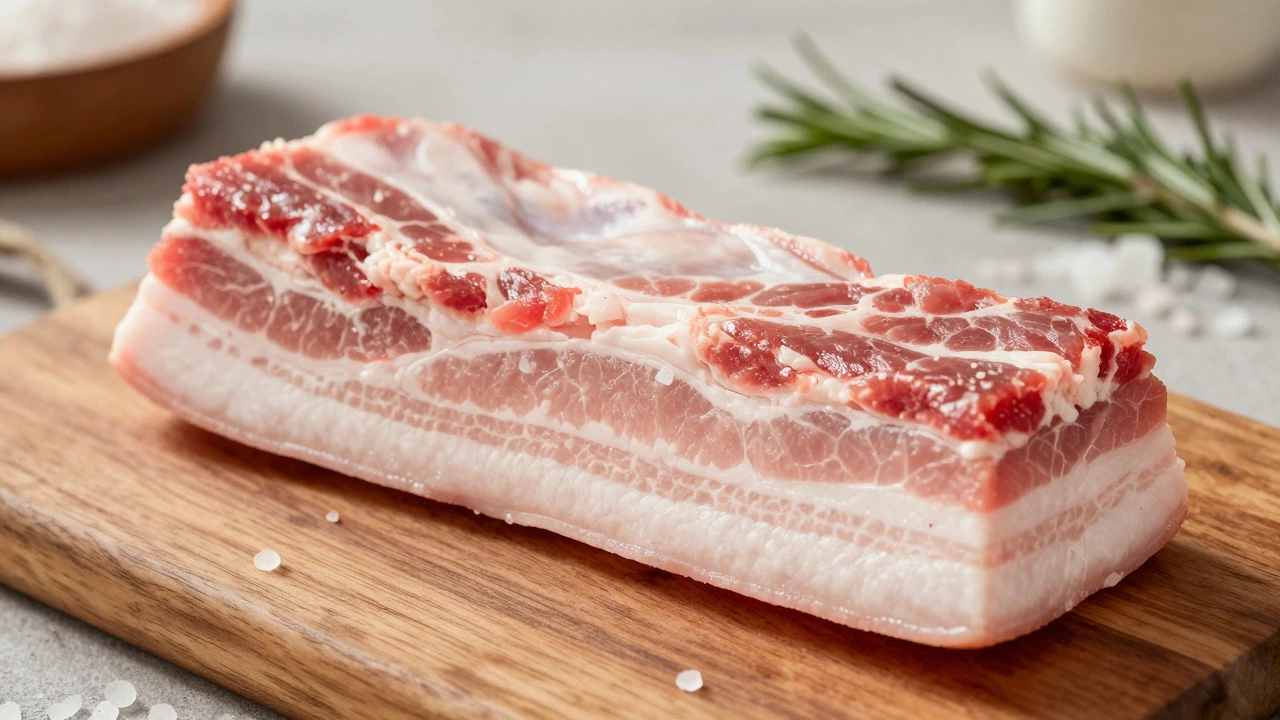
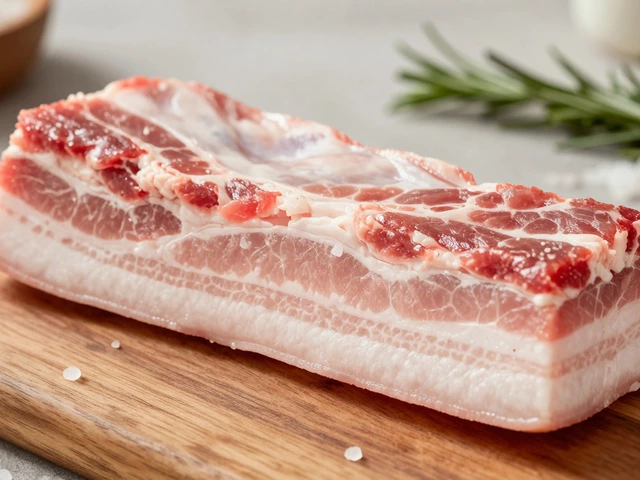
At its core, Pork Belly is the cut of pork used to make traditional bacon, consisting of layers of fat and lean meat. Since pigs do not eat grains like wheat, barley, or rye in their primary biological makeup, raw pork contains zero gluten. If you were to take a slab of fresh pork belly, cure it with just salt and water, and smoke it over wood, you would have a completely gluten-free product.
This natural state is why many people assume all bacon is safe. However, modern food production is far more complex than home curing. The variables introduced during processing determine whether that piece of bacon is safe for your gut or a source of inflammation.
Where Gluten Hides in Processed Meats
The danger lies in the additives. Manufacturers use various ingredients to enhance flavor, preserve texture, or extend shelf life. Here are the common culprits found in commercial bacon labels:
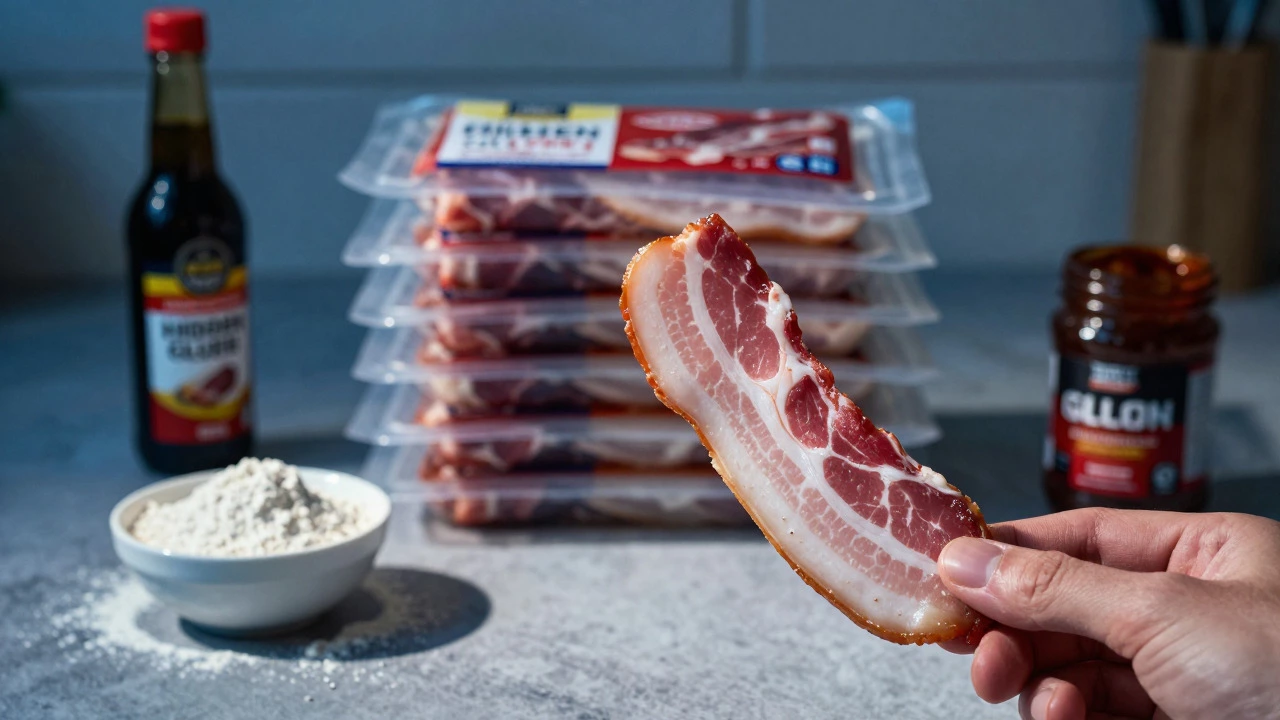
- Fillers and Binders: Some brands add flour or starch to keep slices together or improve yield. Wheat flour is the most common offender here.
- Glazes and Rubs: Sweet glazes often contain honey or sugar mixed with maltodextrin (usually corn-based, but sometimes wheat-based) or actual wheat flour for thickening. Smoky rubs might include breadcrumbs or spice blends containing anti-caking agents derived from wheat.
- Sodium Nitrite and Preservatives: While usually gluten-free, some preservative systems interact with other ingredients that may carry trace gluten.
According to the Food and Drug Administration (FDA), a product labeled "gluten-free" must contain less than 20 parts per million (ppm) of gluten. This threshold is low enough for most people with celiac disease to tolerate without symptoms, but it is not zero. If you are highly sensitive, even 20 ppm might trigger a reaction, making certification status vital.
Reading the Label: What to Look For
You don't need to be a chemist to spot red flags. When shopping for gluten free bacon, flip the package over and check the ingredient list and allergen statement. Look for these phrases:
- "Contains: Wheat" - Immediate stop. This means gluten is an intentional ingredient.
- "May Contain Wheat" - A warning about cross-contamination. The facility processes wheat products on the same line.
- "Certified Gluten-Free" - The gold standard. This indicates third-party testing ensures levels below 20 ppm.
Be wary of vague terms like "natural flavors." In the US, natural flavors can technically contain gluten unless specified otherwise, though this is rare in meat products. In Europe, regulations are stricter, and labeling tends to be more transparent regarding allergens.
Cross-Contamination Risks in the Kitchen
Even if you buy certified gluten-free bacon, your kitchen habits matter. Cross-contact happens when gluten transfers from contaminated surfaces or utensils to your food. Consider these scenarios:
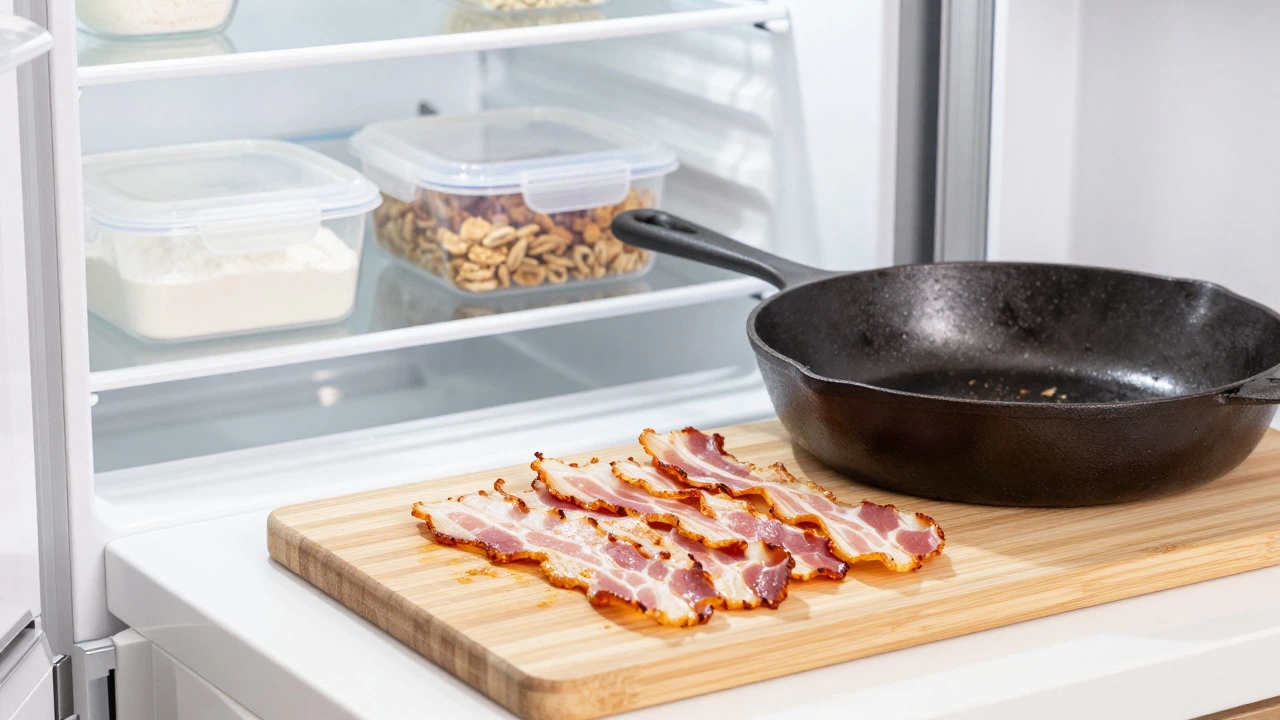
- Using the same knife to cut bread and then slice your bacon.
- Frying bacon in a pan previously used for pancakes without thorough cleaning.
- Storing bacon near open packages of flour or cereal in the fridge.
To mitigate this, dedicate a specific cutting board and knife for gluten-free prep. Wash hands thoroughly before handling meat. If you share a fryer with friends who eat regular bacon, ensure the oil is changed frequently, as gluten particles can linger in grease.
Bacon vs. Other Cured Meats
Bacon isn't the only cured meat you might question. Understanding how it compares to other deli items helps you navigate the entire section. Below is a quick comparison of common cured meats and their typical gluten status.
| Meat Type | Natural Gluten Status | Common Additives | Risk Level |
|---|---|---|---|
| Bacon | Gluten-Free | Salt, Sugar, Smoke Flavor | Low to Medium (Check for fillers) |
| Turkey Ham | Gluten-Free | Sugar, Phosphates, Dextrose | Medium (Often contains wheat starch) |
| Salami | Gluten-Free | Spices, Wine, Fatback | High (Wine vinegar and spices vary) |
| Prosciutto | Gluten-Free | Salt only | Very Low |
Notice that Prosciutto, being dry-cured with only salt, carries the lowest risk. Turkey ham, however, is often processed with wheat starch to mimic the texture of pork ham, making it a frequent trap for those on a gluten-free diet.
Safe Brands and Certification Marks
While brand availability varies by region, looking for recognized certification logos provides peace of mind. Organizations like the GFCO (Gluten-Free Certification Organization) or local equivalents test batches regularly. These marks indicate that the manufacturer has implemented strict controls to prevent cross-contact.
In the UK and Europe, look for the "Coeliac UK" logo or similar national body endorsements. In the US, the GFCO seal is widely trusted. Always verify that the certification applies to the specific product variant you are buying, as companies often produce both gluten-free and regular lines in the same facility.
Bacon in Gluten-Free Baking and Cooking
For those who bake gluten-free cakes or pastries, bacon adds a savory-sweet element that complements maple syrup or brown sugar. Because gluten-free flours (like almond or rice flour) lack the elasticity of wheat, adding crispy bacon bits can provide textural contrast. Just ensure the bacon is cooked thoroughly to remove excess moisture, which can make gluten-free batters too wet.
When using bacon in recipes, render the fat first. This lard can be used as a substitute for butter in pie crusts, offering a rich flavor profile that works well in gluten-free shortcrust pastry. The key is to strain the rendered fat through a fine mesh sieve to remove any solid particles that might have adhered to the meat.
Frequently Asked Questions
Is all bacon gluten-free?
No. While plain bacon is naturally gluten-free, many commercial brands add fillers, glazes, or seasonings that contain wheat. Always check the label for "Contains Wheat" or "May Contain Wheat" warnings.
What is the safest type of bacon for celiac disease?
The safest option is uncured bacon with a simple ingredient list: pork, salt, and possibly sugar or smoke flavor. Look for products with a "Certified Gluten-Free" label to ensure third-party testing has verified gluten levels below 20 ppm.
Can I cook gluten-free bacon in the same pan as wheat-based foods?
It is risky. Crumbs and oils from wheat-based foods can stick to the pan surface. To be safe, use a dedicated pan or wash the pan thoroughly with hot soapy water before cooking gluten-free bacon. Changing frying oil frequently also reduces cross-contact risk.
Does smoked bacon contain gluten?
Smoking itself does not add gluten. However, some smokes are flavored with liquid smoke or added sugars that might contain wheat-derived ingredients. Check the label to confirm the smoking process uses natural wood smoke or gluten-free flavorings.
How much gluten is considered safe for someone with celiac disease?
Most guidelines suggest staying below 10-20 ppm of gluten daily. Products labeled "gluten-free" meet the FDA standard of less than 20 ppm. Individuals with high sensitivity should aim for certified gluten-free products to minimize cumulative exposure.
Popular Posts

How Many Macarons Do You Need for a Tower?
May, 31 2025

Gluten-Free Flour: What to Use for Cakes
Jun, 15 2025