
Vegan Pasta Ingredient Checker
Paste the ingredient list from your pasta package below. We'll scan it for common non-vegan ingredients.
Common Non-Vegan Culprits to Watch For:
- Eggs: Whole egg, egg whites, dried albumen.
- Dairy: Whey, casein, lactose, milk solids.
- Additives: L-Cysteine (often from feathers/hair), Vitamin D3 (often from lanolin).
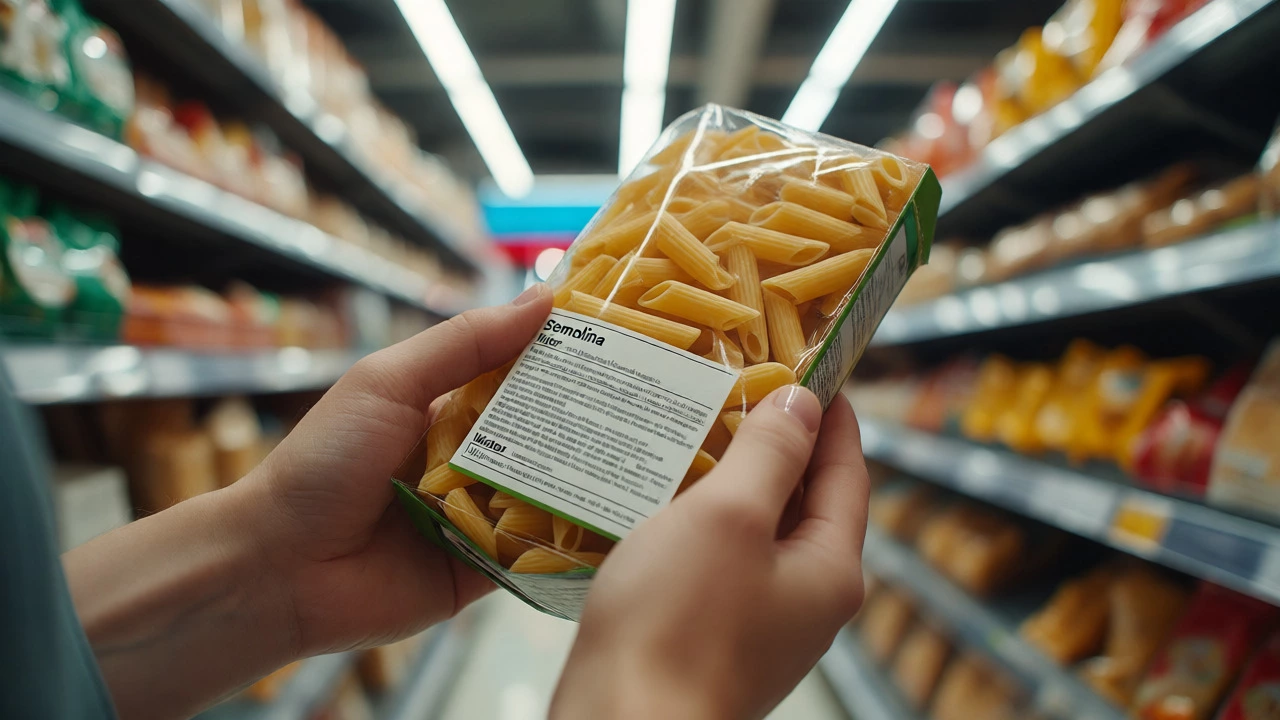
You’re standing in the aisle, staring at a box of penne or fusilli, wondering if you can actually eat it. It’s a common panic for anyone new to vegan pasta. The label says "semolina" and "water," which sounds safe, but then you spot "enriched flour" or see a picture of a chicken on the back of the package. Does that mean there are eggs inside? The short answer is: most dried pasta is accidentally vegan, but not all of it. And fresh pasta? That’s a whole different story.
Here’s the thing about pasta-it’s one of the simplest foods on earth. Traditionally, it’s just dough rolled out and cut. But modern manufacturing adds layers of complexity. Some brands use eggs for richness and color. Others add dairy derivatives like whey powder to improve texture. Then there are the sneaky ones, using animal-derived processing aids that don’t show up clearly on the front label. If you’re trying to stick to a strict plant-based diet, especially when making vegan desserts or savory mains, you need to know exactly what’s in your bowl.
The Basic Anatomy of Pasta
To understand why some pasta isn’t vegan, you have to look at how it’s made. There are two main categories: dried (or shelf-stable) pasta and fresh pasta. They serve different purposes in the kitchen, and their ingredient lists reflect that difference.
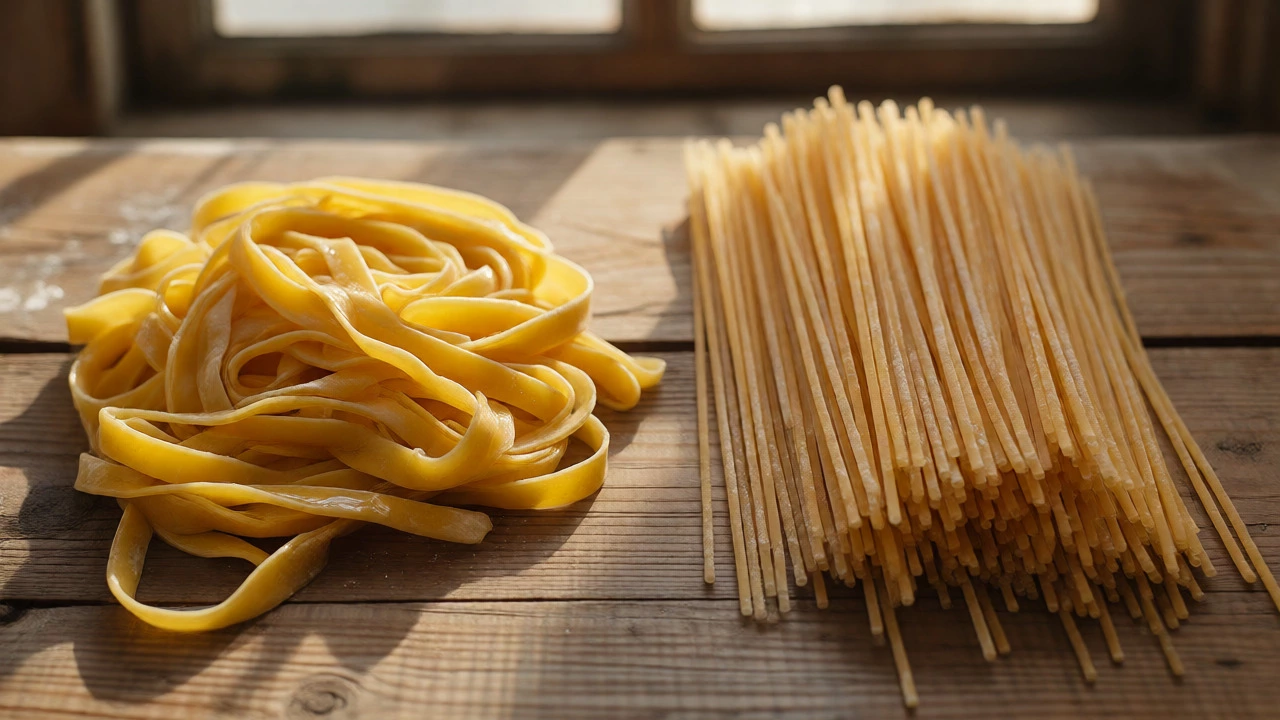
Dried Pasta is a type of pasta made from durum wheat semolina and water, extruded through dies and dried at low temperatures for long-term storage. This category includes spaghetti, macaroni, farfalle, and rotini. Because it needs to survive months on a shelf without spoiling, manufacturers keep the ingredients minimal. Typically, it’s just semolina flour and water. Sometimes they add salt. Rarely, they might add vitamins for enrichment, which are usually synthetic or plant-based, but you should always check.
Fresh Pasta, on the other hand, is uncooked pasta that has not been dried, typically containing eggs to bind the dough and provide a richer flavor profile. Think fettuccine alfredo or homemade ravioli. Eggs are standard here. They give the pasta its yellow hue and tender bite. Without eggs, fresh pasta dough can be difficult to handle and may crack during boiling. However, egg-free versions exist, often relying on oil or extra water for binding.
The confusion often stems from assuming all pasta is created equal. It’s not. If you grab a box of Barilla Spaghetti from the shelf, you’re likely eating a vegan product. If you buy a tub of fresh cheese tortellini from the refrigerated section, you’re almost certainly eating non-vegan food due to the cheese filling and potentially the dough itself.
Hidden Animal Products in Pasta
It’s not just about seeing an egg listed. The devil is in the details. Here are the most common non-vegan culprits hiding in plain sight:
- Eggs: The obvious one. Found in fresh pasta, stuffed pasta (like ravioli), and some specialty dried shapes labeled as "egg noodles." Look for terms like "whole egg," "egg whites," or "dried egg albumen."
- Milk and Dairy Derivatives: Less common in plain pasta, but frequent in flavored varieties. Check for "whey," "casein," "lactose," or "milk solids." These are often added to instant noodle packets or creamy sauce mixes included with the pasta.
- L-Cysteine: This is a big one for strict vegans. L-cysteine is an amino acid used as a dough conditioner to make bread and pasta more elastic. While it can be synthesized chemically, it is often derived from duck feathers, hog hair, or human hair. It rarely appears on the ingredient list directly; instead, it might be hidden under "enzymes" or "dough conditioners." If the brand doesn’t specify "synthetic" or "plant-derived," assume it might not be vegan unless certified.
- Vitamin D3: In enriched pastas, Vitamin D3 is sometimes added. Standard Vitamin D3 comes from lanolin (sheep’s wool). Vegan Vitamin D3 exists (from lichen), but it’s more expensive, so many mass-market brands still use the sheep-derived version.
Don’t forget the sauces! You might find perfect vegan pasta, but if you’re buying a jar of carbonara or alfredo, those are loaded with cream and parmesan. Even "vegetarian" labels don’t guarantee vegan status, as vegetarian diets allow eggs and dairy.
How to Read the Label Like a Pro
Scanning a label takes ten seconds, but knowing what to look for saves you from ruining dinner. Here is a quick checklist for identifying vegan-friendly pasta:
- Check the Ingredient List First: Ignore the marketing claims on the front. Turn the box over. If you see "eggs," put it back. If you see "milk," "butter," or "cream," put it back.
- Look for Allergen Statements: Below the ingredients, there’s usually a line saying "Contains: Wheat, Soy" or "May contain traces of milk." If it says "Contains: Egg," it’s definitely not vegan. If it says "May contain traces of milk," it’s technically vegan by ingredient, but cross-contamination occurred. Strict vegans might avoid this; casual vegans usually don’t mind.
- Search for Certifications: The easiest hack is finding a logo. Look for the "Certified Vegan" sunflower logo, the PETA bunny, or a simple "Vegan" stamp. These certifications require audits, so you don’t have to guess about obscure additives like L-cysteine.
- Beware of "Enriched": Enriched flour means nutrients were added back after processing. While mostly iron and B-vitamins, if Vitamin D is listed, investigate the source. Most US and UK brands do not specify, so if you are hyper-cautious, choose unenriched or organic options where fortification is less aggressive.
Top Vegan-Friendly Pasta Brands
Not all brands play it safe. Some have built their reputation on clean, simple ingredients. Others mix things up based on the specific product line. Always check the individual SKU, but these brands are generally reliable starting points for plant-based eating.
| Brand | Typical Status | Notes |
|---|---|---|
| Barilla | Mostly Vegan | Standard dried shapes (spaghetti, penne) are vegan. Avoid egg noodles and fresh filled pastas. |
| De Cecco | Vegan | Premium Italian brand. Uses bronze dies and air drying. Almost all dried pasta is just semolina and water. |
| Rummo | Vegan | Similar to De Cecco. High-quality durum wheat. No eggs in standard lines. |
| Goya | Mixed | Many products are vegan, but some Asian-style noodles or enriched versions may contain egg or milk derivatives. |
| Saffron Road | Vegan Certified | Often carries explicit vegan labeling. Good for convenience meals. |
| Trader Joe's | Mixed | Store-brand pasta varies. Their "Organic Brown Rice Pasta" is vegan. Their fresh egg noodles are not. Read every label. |
Notice a pattern? Traditional Italian dried pasta is your safest bet. Italians have eaten pasta for centuries, and historically, it didn’t require eggs. Eggs are a Northern European or American addition to pasta doughs, particularly for softer textures. Stick to the classics-spaghetti, linguine, rigatoni-and you’ll rarely go wrong.
Alternatives: When Wheat Isn’t Enough
If you’re gluten-free or just want variety, there are plenty of gluten-free vegan pasta options. Just because it’s gluten-free doesn’t automatically mean it’s vegan, though. Some rice pastas use egg white to help them hold together because rice flour lacks gluten structure.
Rice Noodles are translucent noodles made from rice flour and water, commonly used in Vietnamese and Thai cuisine. Most traditional rice vermicelli and flat rice sheets are naturally vegan. However, fried rice sticks often contain palm oil, which some vegans avoid due to environmental concerns, though it is technically plant-based.
Soba Noodles are Japanese noodles made from buckwheat flour, often mixed with wheat flour. Pure buckwheat soba is rare and brittle. Most commercial soba contains wheat. Crucially, some brands add egg to the dough. Always check the label. Authentic Japanese soba is usually just buckwheat, wheat, and water, making it vegan.
Kelp Noodles are transparent, crunchy noodles made from seaweed extract, known for being extremely low in calories and carbohydrates. These are inherently vegan and gluten-free. They come packed in brine and need rinsing before use. They don’t absorb sauce well, so they’re best for stir-fries or cold salads rather than heavy marinara dishes.
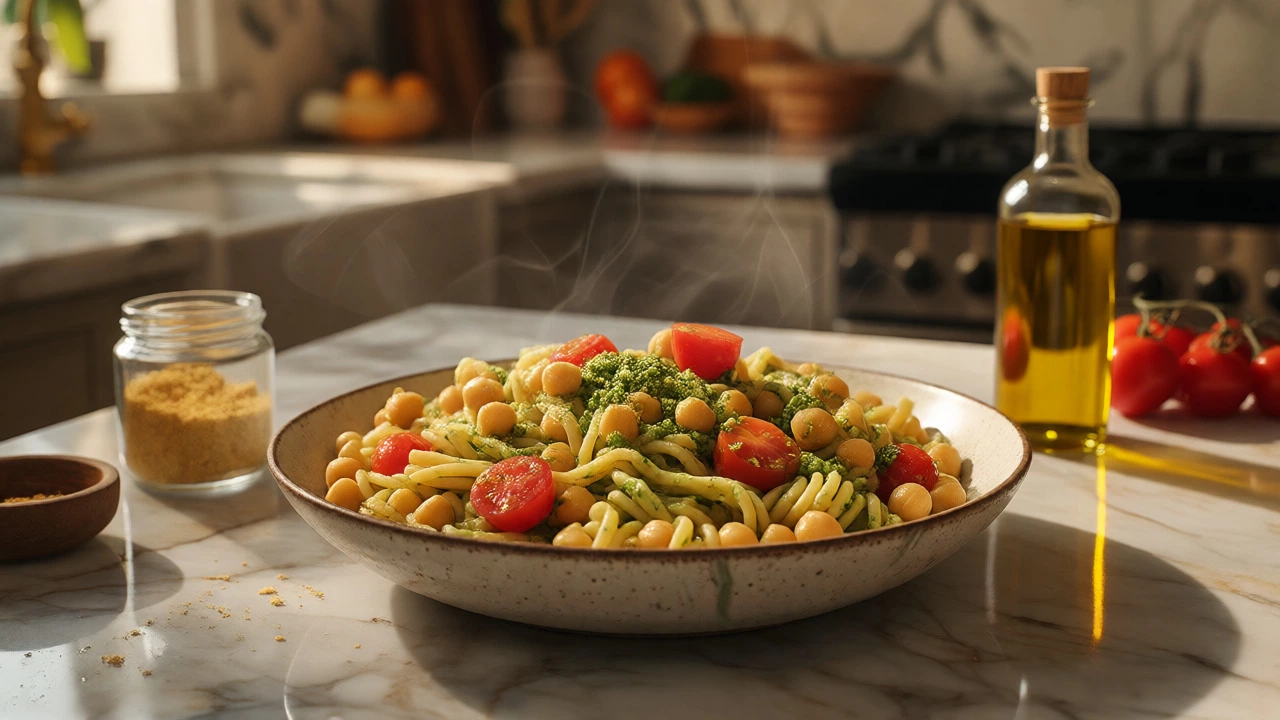
Chickpea and Lentil Pasta are modern pasta alternatives made from legume flours, offering higher protein content than traditional wheat pasta. Brands like Banza or Tolerant are popular. Most are vegan, using only chickpea flour and water. However, some "blends" might include tapioca starch or rice flour, which are fine, but occasionally manufacturers add egg whites for elasticity. Again, read the label.
Cooking Tips for Vegan Pasta Success
Switching to vegan pasta doesn’t mean your food will taste bland. In fact, many chefs argue that high-quality dried pasta, cooked correctly, has better texture than fresh egg pasta. Here’s how to elevate your meal:
- Salt Your Water Generously: Since there’s no egg richness, you need flavor from the start. The water should taste like the sea. Don’t skimp on salt.
- Reserve Pasta Water: This is crucial. Starchy pasta water helps emulsify oils and create creamy sauces without dairy. If you’re making a garlic and oil pasta (Aglio e Olio), adding a splash of pasta water creates a silky coating that clings to the noodles.
- Use Nutritional Yeast: For a cheesy flavor without the cheese, sprinkle nutritional yeast on top. It’s rich in B12 and has a nutty, umami taste that pairs perfectly with pasta.
- Embrace Healthy Fats: Olive oil, avocado oil, or cashew cream can replace butter or heavy cream. Cashew cream, made by blending soaked cashews with water, mimics the texture of Alfredo sauce surprisingly well.
Remember, pasta is a vehicle for sauce. If your sauce is vegan, and your pasta is vegan, you’ve got a complete meal. Don’t let the fear of hidden ingredients stop you from enjoying one of the world’s most comforting foods.
Is all dried pasta vegan?
No, not all dried pasta is vegan. While the majority of standard dried pasta shapes (like spaghetti, penne, and fusilli) are made with just semolina and water, some varieties include eggs. Specifically, look out for products labeled "Egg Noodles," "Egg Fettuccine," or certain Asian-style dried noodles. Always check the ingredient list for "egg," "egg whites," or "albumen."
Does Barilla pasta contain eggs?
Most standard Barilla dried pasta products do not contain eggs. Their classic blue-box range (Spaghetti, Penne, Rigatoni) is typically vegan. However, Barilla also produces specific lines like "Protein+" or certain fresh pasta varieties that may contain eggs or other animal-derived ingredients. Always verify the specific package label, as formulations can change.
Why is my pasta not vegan if it only lists wheat and water?
If your pasta lists only wheat and water but you suspect it’s not vegan, check for hidden additives. Sometimes, "dough conditioners" or "enzymes" are used, which could theoretically be animal-derived (though rare in simple pasta). More commonly, the issue lies in cross-contamination warnings (e.g., "manufactured in a facility that processes eggs") or the inclusion of Vitamin D3 sourced from lanolin in enriched versions. If strict avoidance is necessary, look for a certified vegan label.
Are lasagna noodles vegan?
Dry lasagna noodles are often vegan, but not always. Many major brands produce dry lasagna sheets using only semolina and water. However, some brands, particularly those focusing on "fresh-style" dry noodles, may add eggs to improve pliability. Additionally, pre-made lasagna sheets sold in the refrigerated section are frequently made with eggs. Always inspect the ingredient panel before purchasing.
Can I make vegan pasta from scratch?
Yes, absolutely. Making vegan pasta at home is easy. Substitute each egg in a traditional recipe with 2 tablespoons of water plus 1 teaspoon of olive oil, or use aquafaba (chickpea liquid) for better binding. Use semolina flour for a rougher texture that holds sauce well, or all-purpose flour for smoother noodles. Knead thoroughly and let the dough rest to ensure elasticity without eggs.
Popular Posts
How Much Does a Hundred Macarons Cost in 2025?
Nov, 6 2025