
Gluten-Free Peanut Butter Safety Analyzer
Select a brand to see its gluten-free risk assessment.
Check the criteria above and click Analyze.
Most people assume that because peanuts are legumes and not grains, they are automatically safe for a gluten-free diet. It makes sense on the surface: wheat, barley, and rye contain gluten; peanuts do not. So, why does the question "Is peanut butter gluten-free?" pop up so often in forums and bakery chats? The short answer is yes, pure peanut butter is naturally gluten-free. The long answer involves factory floors, shared machinery, and the hidden dangers of cross-contact.
If you are baking gluten-free cakes or managing Celiac disease, you cannot rely on the ingredient list alone. You need to understand how food is processed. A jar labeled "Natural Peanut Butter" might look safe, but if it was made on the same line as a cookie dough spread containing wheat flour, it could be contaminated. This guide breaks down exactly what to look for, which brands are safe, and how to keep your kitchen free from hidden gluten.
The Science Behind Peanuts and Gluten
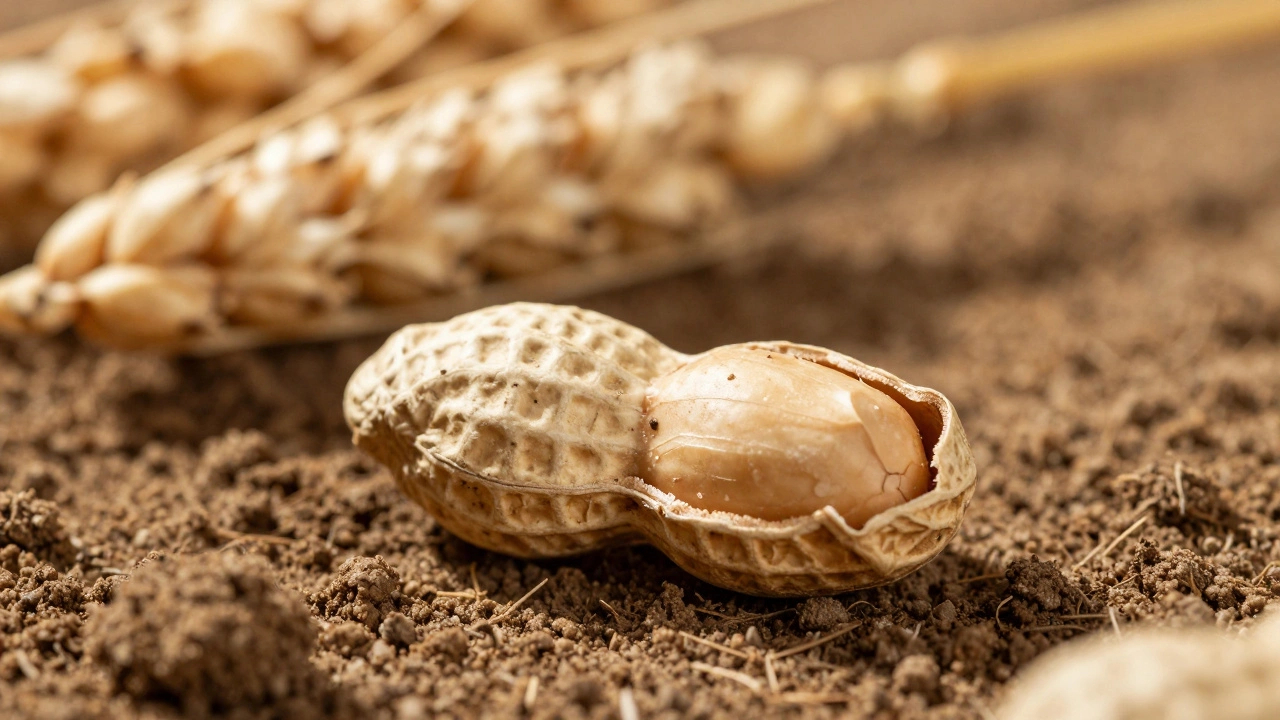
To understand the risk, we first have to define what gluten actually is. Gluten is a group of proteins found in wheat, barley, rye, and triticale that gives dough its elasticity. Peanuts are legumes. They grow underground, unlike wheat which grows in fields above ground. Biologically, there is zero chance that a peanut plant absorbs gluten from the soil or air. Therefore, raw, shelled peanuts are 100% gluten-free.
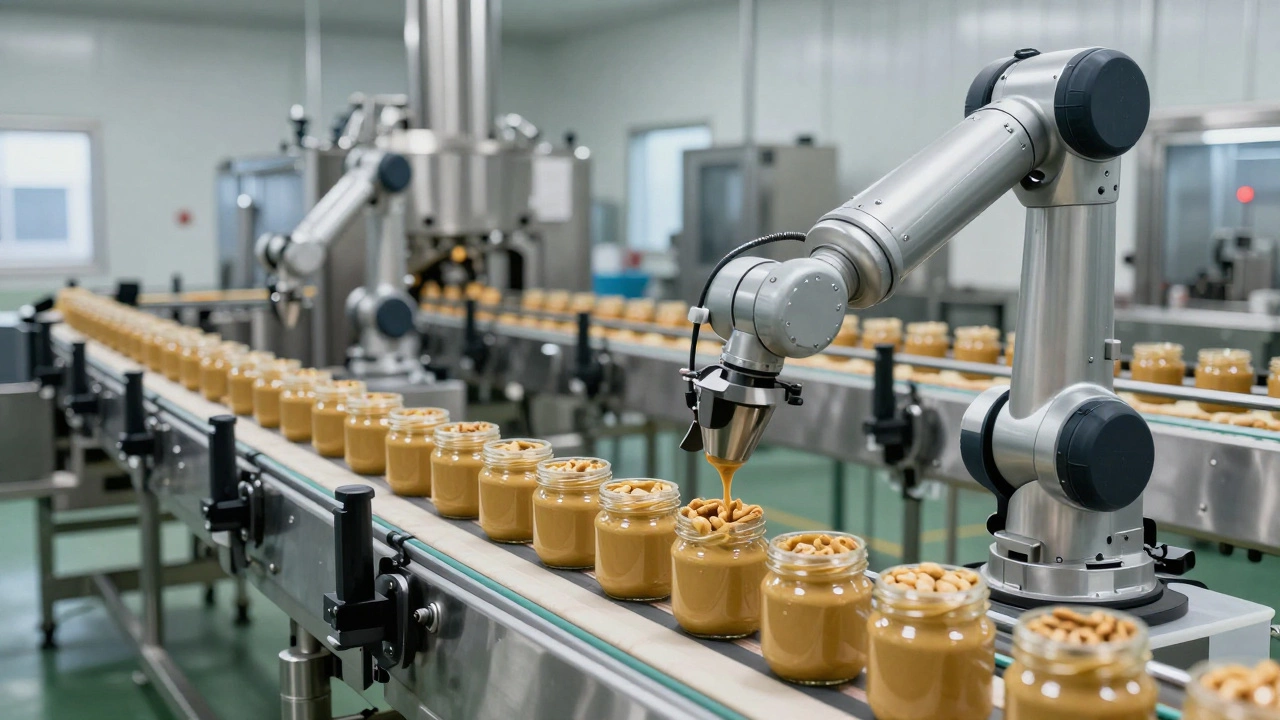
The problem arises during processing. When manufacturers turn peanuts into butter, they roast them, grind them, and often add stabilizers like hydrogenated oils or salt. If the facility also processes wheat-based products, microscopic particles of gluten can end up in the peanut butter. For someone with mild sensitivity, this might not matter. For someone with Celiac disease, even trace amounts (as low as 20 parts per million) can trigger an autoimmune response that damages the small intestine.
Cross-Contamination: The Silent Threat
Cross-contamination happens when gluten-free foods come into contact with gluten-containing foods during manufacturing, storage, or preparation. In the context of peanut butter, this usually happens in three ways:
- Shared Equipment: Many large-scale factories use the same roasters and grinders for different spreads. If the machine isn't thoroughly cleaned between batches of wheat-based cookies and peanut butter, residue remains.
- Flavor Additives: Some flavored peanut butters include additives like malt flavoring (derived from barley), soy sauce (often contains wheat), or cookie pieces. These ingredients introduce gluten directly into the product.
- Packaging Lines: Even if the mixing equipment is separate, if the jars are sealed on the same conveyor belt as gluten-containing products, airborne flour dust can settle into open lids before they are closed.
This is why reading the label is only half the battle. You must look for specific certifications. A statement saying "Made in a facility that also processes wheat" is a red flag for strict gluten-free diets. Conversely, a "Certified Gluten-Free" logo means the product has been tested and verified to contain less than 20 ppm of gluten.
Safe vs. Risky Brands: What to Buy
Navigating the grocery aisle can be confusing. Here is a breakdown of common scenarios and brand examples to help you decide. Note that formulations change, so always check the current label.
| Brand Type | Risk Level | Why? | Verdict |
|---|---|---|---|
| Skippy (Standard) | Low to Moderate | Manufactured in facilities that may process wheat. No dedicated GF certification on all SKUs. | Check label carefully. Not recommended for Celiacs. |
| Jif (Creamy/Crunchy) | Moderate | Similar to Skippy. Some flavors contain gluten (e.g., Cookie Dough). | Avoid unless specifically marked GF. |
| Smucker’s Natural | Low | Often made in dedicated facilities or certified GF lines. Ingredients are simple. | Generally safe, but verify the "Certified Gluten-Free" seal. |
| Justin’s | Very Low | Most varieties are Certified Gluten-Free. Made in dedicated facilities. | Highly recommended for strict diets. |
| Store Brand (Generic) | Variable | Depends entirely on the manufacturer. Often cheaper due to shared facilities. | Risky. Always read the allergen statement. |
When shopping, prioritize brands that explicitly state "Certified Gluten-Free." Organizations like the Gluten Intolerance Group (GIG) or Beyond Celiac certify products after rigorous testing. This certification costs money, which is why these jars are often slightly more expensive. However, for those with medical needs, that extra cost buys peace of mind.
Using Peanut Butter in Gluten-Free Baking
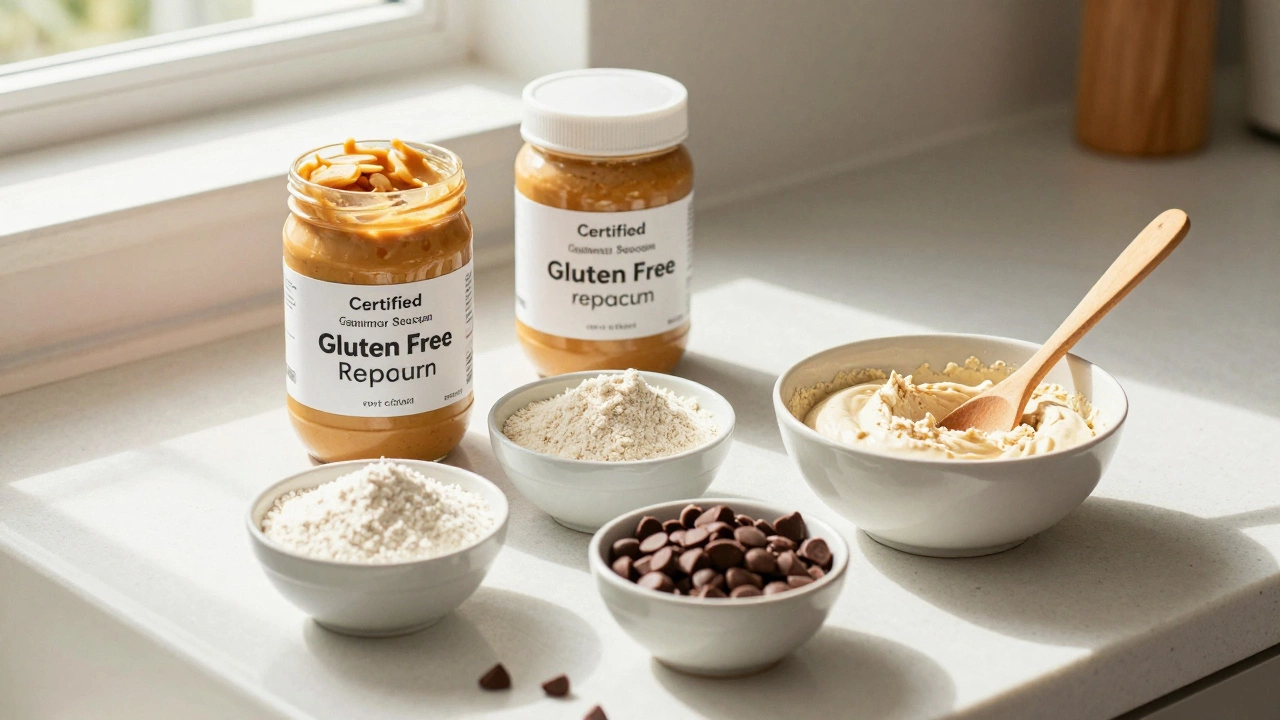
Since this article relates to Gluten-Free Cakes, let's talk about using peanut butter in your recipes. Peanut butter is a fantastic binder and fat source in gluten-free baking. It adds moisture and richness, which helps combat the dryness often associated with gluten-free flours like almond or rice flour.
However, you must ensure every component is safe. If you are making a peanut butter cake, check the following:
- The Flour Blend: Ensure your gluten-free flour mix doesn't contain xanthan gum derived from corn that was processed with wheat (rare, but possible). Most commercial GF blends are safe.
- Baking Powder: Some cheap baking powders use starches that might contain wheat. Use a certified gluten-free brand like Rumford or Bob's Red Mill.
- Chocolate Chips: If adding chocolate chips to your peanut butter cake, many standard brands are processed on shared equipment. Choose Enjoy Life or Guittard for safety.
- Honey: Pure honey is gluten-free, but some flavored honeys may contain additives. Stick to raw, unfiltered honey.
One pro tip: When spreading peanut butter on gluten-free bread, use a clean knife. If you previously used that knife to spread regular jam or mustard (which might contain gluten traces from other utensils), you've just contaminated your sandwich. Keep a dedicated "GF Only" set of knives and spatulas in your kitchen.
Reading Labels Like a Pro
You don't need a degree in food science to spot hidden gluten. Just follow these three steps every time you pick up a jar:
1. Check the Ingredient List First
Look for obvious culprits: Wheat, Barley, Rye, Malt, Brewer's Yeast, and Soy Sauce (unless tamari). If you see any of these, put the jar back. Also watch out for vague terms like "natural flavors" or "modified food starch," which can sometimes hide gluten sources.
2. Scan the Allergen Statement
In the US and EU, major allergens including wheat must be declared. Look for phrases like "Contains: Wheat" or "May Contain: Wheat." If it says "Processed in a facility with wheat," it is not safe for Celiacs, though it might be okay for those with non-Celiac gluten sensitivity.
3. Look for the Certification Seal
The most reliable indicator is a third-party certification logo. These seals guarantee that independent labs have tested the product. Common seals include the GFCO (Gluten-Free Certification Organization) mark. If you see this, you can buy with confidence.
Frequently Asked Questions
Is natural peanut butter gluten-free?
Yes, natural peanut butter (containing only peanuts and salt) is naturally gluten-free. However, you must still check the label for cross-contamination warnings. Some natural brands are made in facilities that also process wheat, which poses a risk for those with Celiac disease.
Can I eat Skippy peanut butter if I am gluten-free?
It depends on your level of sensitivity. Standard Skippy peanut butter is not certified gluten-free and is manufactured in facilities that process wheat. While the ingredients themselves do not contain gluten, there is a risk of cross-contact. For Celiacs, it is safer to choose a certified brand like Justin's or Smucker's Certified GF.
Does peanut butter contain wheat?
Pure peanut butter does not contain wheat. Peanuts are legumes. However, some flavored peanut butters may contain wheat-derived ingredients such as malt flavoring, cookie pieces, or soy sauce. Always read the ingredient list to ensure no wheat products were added.
What is the safest peanut butter brand for Celiacs?
Brands that carry a "Certified Gluten-Free" label are the safest options. Popular choices include Justin's, Smucker's Natural (specifically the certified lines), and Trader Joe's Organic Peanut Butter. These brands undergo rigorous testing to ensure gluten levels are below 20 parts per million.
Is homemade peanut butter gluten-free?
Yes, homemade peanut butter is generally gluten-free if you use raw, shelled peanuts and clean equipment. You control the entire process, eliminating the risk of factory cross-contamination. Just ensure your blender or food processor hasn't been used recently for gluten-containing foods without thorough cleaning.
Popular Posts

Why Am I Suddenly Gluten Intolerant?
Apr, 6 2025

Why Vinegar is Essential in Pavlova Recipes
Mar, 24 2025