Tiramisu Cheese Compatibility Checker
Confused about which cheese goes in your tiramisu? Select the cheese you have on hand to see if it will work, why, and what alternatives exist.
Details will appear here.
Why this choice?
💡 Pro Tip & Substitutes
No substitutes needed.
You walk into a supermarket, see a tub labeled "Mozzarella," and think, "Great, I'll use that for my tiramisu." Then you taste it. It’s salty. It’s rubbery. And it tastes nothing like the creamy, dreamy dessert you were promised. If you’ve ever looked at a recipe for Tiramisu and wondered why the cheese called for isn't the one on your pizza, you aren't alone. The confusion usually stems from a simple linguistic mix-up or a translation error. There is no such thing as "Mozzarella" and "Mozzarella" being different things in the same language. But there is a massive difference between Mascarpone and Mozzarella.
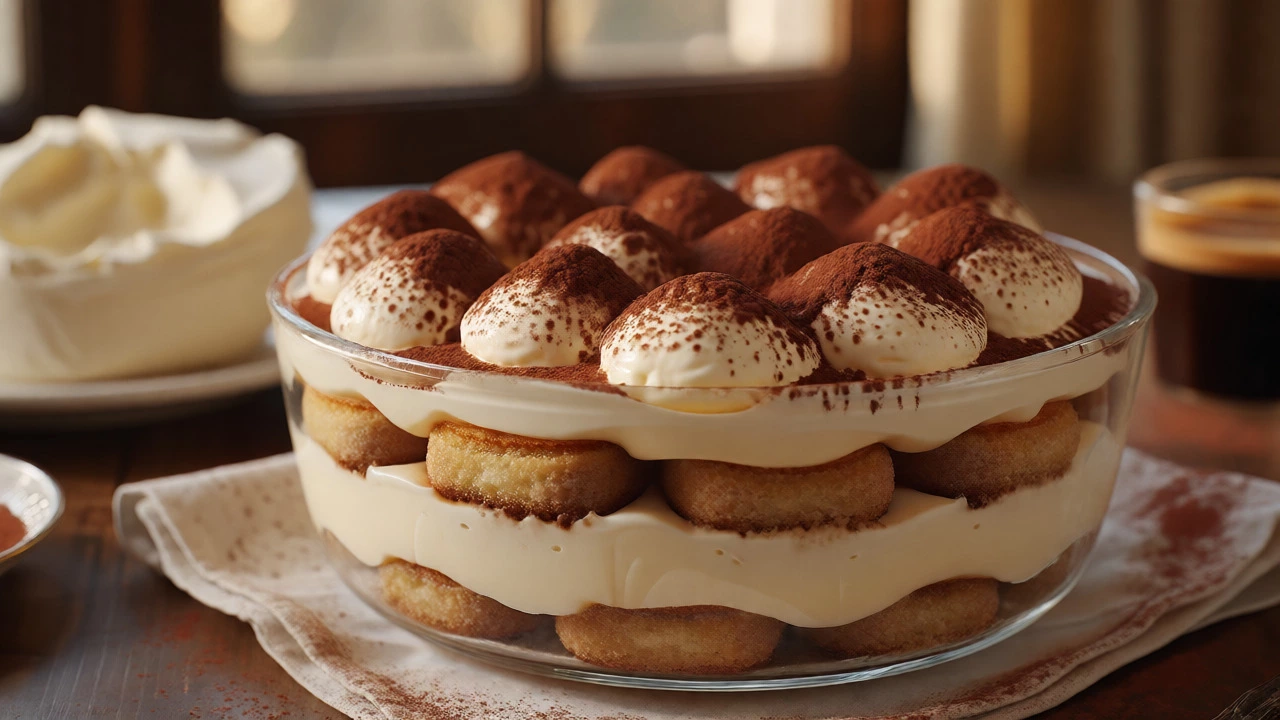
Here is the hard truth: Traditional tiramisu does not use mozzarella. It uses mascarpone. If a recipe calls for mozzarella in a sweet context, it is either a mistake, a regional variant gone wrong, or a misunderstanding of the word itself. Let’s clear up this dairy dilemma so you never ruin another batch of coffee-soaked ladyfingers.
The Name Game: Why the Confusion Exists
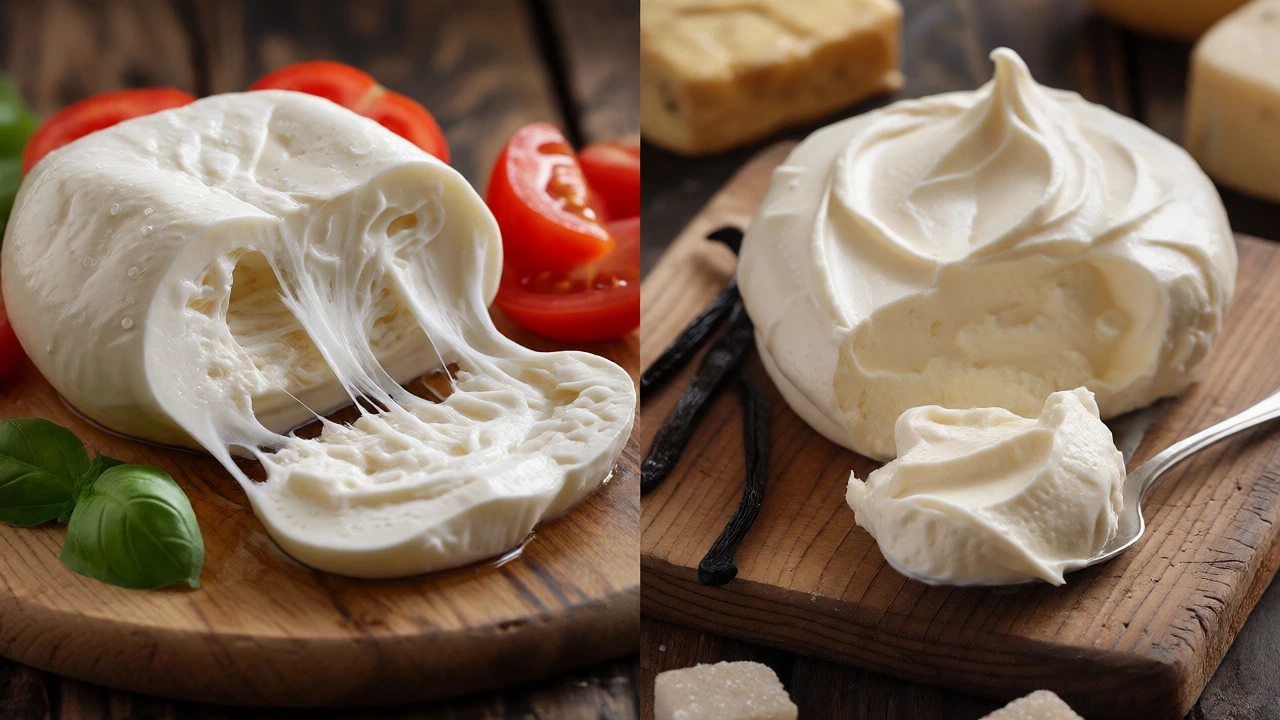
Why do people keep asking if there are two types of mozzarella? Usually, it’s because of how the words sound similar to other Italian cheeses, or due to poor labeling in non-Italian markets. In Italy, the naming conventions are strict. Mozzarella is a stretched-curd cheese (pasta filata), typically made from cow’s milk (Fior di Latte) or water buffalo milk (Bufala). It is savory, elastic, and designed to melt into gooey strands.
Mascarpone, on the other hand, is a fresh cream cheese. It is made by heating cream and adding an acid, like citric acid or vinegar, to coagulate the fats. It has no rind, no stretching process, and absolutely no place on a Margherita pizza. When someone asks about the difference between "mozzarella and mozzarella," they are almost certainly trying to distinguish between Mascarpone and Mozzarella, or perhaps confusing Mascarpone with Ricotta.
Mascarpone: The Heart of Tiramisu
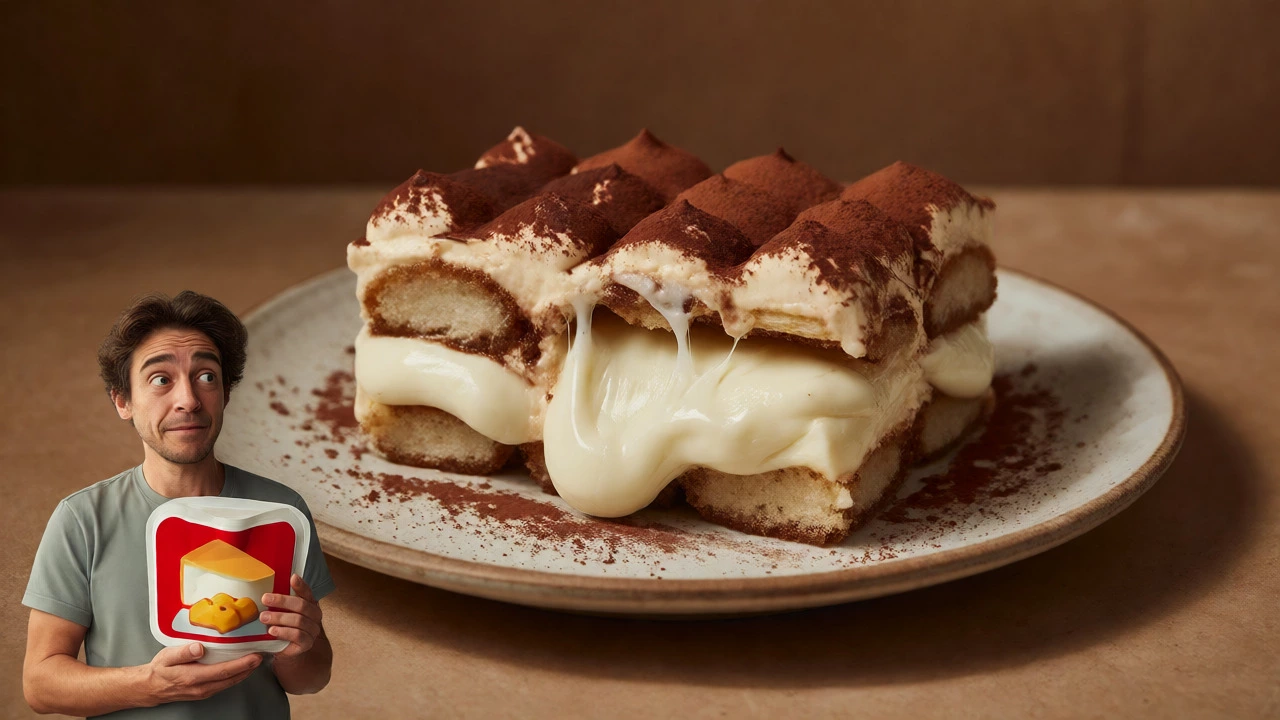
To understand why tiramisu fails with mozzarella, you have to look at what makes mascarpone special. Mascarpone is defined by its fat content. By law in Italy, it must contain at least 75% fat in dry matter. This high fat content gives it a texture closer to thick clotted cream or frosting than to standard cheese.
- Texture: Smooth, spreadable, and velvety. It whips easily without becoming grainy.
- Flavor: Mildly sweet and buttery, with a slight tang. It doesn't compete with sugar or espresso.
- Function: It acts as a stabilizer and flavor carrier. It binds the egg yolks and sugar into a rich custard layer.
If you try to whip mozzarella, you get stringy bits. If you whip mascarpone, you get cloud-like peaks. That structural integrity is crucial when you’re layering sponge biscuits that will eventually collapse under their own weight if the filling is too runny or too solid.
Mozzarella: The Pizza Powerhouse
Mozzarella is built for heat and salt. Its primary job is to stretch and brown. When you bite into a slice of pizza, you want resistance followed by a pull. You don’t want a creamy mouthfeel; you want elasticity.
| Feature | Mascarpone | Mozzarella |
|---|---|---|
| Primary Use | Desserts (Tiramisu, Cannoli), Risotto finishing | Pizza, Lasagna, Caprese Salad |
| Fat Content | High (60-75%) | Moderate (20-30%) |
| Salt Level | Very Low / None | Moderate to High |
| Texture | Creamy, Spreadable | Elastic, Stringy, Firm |
| Production Method | Acid Coagulation of Cream | Stretched Curd (Pasta Filata) |
Notice the salt difference. This is the dealbreaker for desserts. A tablespoon of fresh mozzarella can add a noticeable brine to a sweet dish. Mascarpone adds richness without altering the sweetness balance. Imagine putting salted butter in your cake batter instead of unsalted. Now imagine doing that with cheese. That’s the mozzarella problem.
Can You Substitute One for the Other?
Technically, yes. Physically, you can put mozzarella in tiramisu. Should you? Absolutely not. But let’s say you’re in a pinch. You have no mascarpone, but you have ricotta and heavy cream. Can you make a substitute? Yes. Can you make it with mozzarella? Barely.
Some modern fusion recipes try to use mozzarella in sweet contexts, often pairing it with fruits like peaches or strawberries. In these cases, the mozzarella is usually very fresh (sold in water) and drained thoroughly to remove excess moisture and salt. Even then, the texture remains distinct. It won’t blend into a smooth mousse; it will remain as distinct curds or strings within the fruit.
If you are desperate for a mascarpone substitute for tiramisu, here is the hierarchy of options:
- Ricotta + Heavy Cream: Blend 1 cup of whole-milk ricotta with ½ cup of whipped heavy cream. This mimics the fat content and smoothness best.
- Cream Cheese + Butter: Mix 8 oz of softened full-fat cream cheese with ¼ cup of melted butter and a splash of milk. This gets close in richness but lacks the delicate tang of mascarpone.
- Mascarpone Alternative Blends: Some commercial brands sell "cream cheese spreads" that are lower in salt. Check the label carefully. If it says "salt added," avoid it for tiramisu.
Using mozzarella as a substitute results in a dessert that tastes more like a savory appetizer layered with coffee. It’s edible, but it’s not tiramisu.
Beyond Tiramisu: Where Each Cheese Shines
Understanding the chemistry helps you cook better elsewhere. Because mascarpone is high in fat and low in protein structure compared to aged cheeses, it melts beautifully into warm sauces. Adding a dollop to hot risotto creates a glossy finish without breaking. It also works wonders in pasta fillings for ravioli, where you want a creamy center that oozes rather than stretches.
Mozzarella, conversely, relies on its protein matrix for its unique properties. Fresh mozzarella sold in brine is perfect for salads because it holds its shape while releasing moisture. Low-moisture mozzarella, the kind you buy in blocks, is engineered for baking. It browns and bubbles because of its specific moisture-to-fat ratio. You wouldn't use block mozzarella in tiramisu any more than you’d use mascarpone on a pepperoni pizza-it would just slide off.
Buying Tips: How to Spot Quality
When shopping for tiramisu ingredients, read the label. Authentic Italian mascarpone should list only two ingredients: cream and an acidulant (like lactic acid or citric acid). If you see stabilizers like guar gum or carrageenan, it’s likely a mass-produced version that might be gummier than ideal. While still usable, it won’t have the same luxurious mouthfeel.
For mozzarella, freshness is key. If you’re using it for a Caprese salad, buy it packed in liquid. The whey keeps it hydrated and mild. For cooking, check the moisture content. High-quality mozzarella should smell clean and milky, not sour or yeasty. If it smells strongly of ammonia, it’s too old.
Common Mistakes to Avoid
Don’t over-whip mascarpone. Unlike cream cheese, which is sturdy, mascarpone can split if beaten too aggressively after being chilled. Bring it to room temperature before mixing it with eggs and sugar. If you whip cold mascarpone, you’ll end up with a grainy, separated mess that looks like cottage cheese.
Don’t skip draining mozzarella if you’re experimenting with savory-sweet hybrids. Excess water from fresh mozzarella will make your layers soggy. Pat it dry with paper towels before incorporating it into any mixture.
Finally, don’t assume all "Italian Cheeses" are interchangeable. Parmigiano Reggiano, Pecorino, Provolone, Fontina-each has a distinct role. Treating them as generic "cheese" leads to culinary disasters. Knowing the difference between the stretched curd (Mozzarella) and the cream-based (Mascarpone) is step one in mastering Italian cuisine.
Is mascarpone the same as cream cheese?
No. While both are soft, white cheeses, mascarpone is made from cream and has a much higher fat content (up to 75%) compared to cream cheese (typically around 33%). Mascarpone is milder, sweeter, and less salty. Cream cheese has a distinct tang and firmer structure due to added stabilizers and bacterial cultures.
Can I use mozzarella in tiramisu?
You can, but it won't taste like traditional tiramisu. Mozzarella is salty and elastic, whereas tiramisu requires a sweet, creamy, and smooth filling. Using mozzarella will result in a savory, rubbery texture that clashes with the coffee and cocoa flavors.
What is the closest substitute for mascarpone?
The best substitute is a mixture of whole-milk ricotta and heavy cream. Blend 1 part ricotta with 1/2 part whipped heavy cream until smooth. This replicates the high fat content and creamy texture of mascarpone better than cream cheese alone.
Why is my mascarpone grainy?
Graininess usually happens if mascarpone is beaten too vigorously or if it was too cold when mixed. To fix it, let it sit at room temperature for 30 minutes and fold gently rather than whipping. If it has separated completely, it may have been overheated during storage.
Does mascarpone need to be cooked?
Not necessarily. In tiramisu, it is used raw. However, it can be added to hot dishes like pasta or soups for richness. Just stir it in at the very end of cooking to prevent splitting.
Popular Posts

Gluten-Free Baking: What to Avoid for Perfect Cakes
Jun, 20 2025