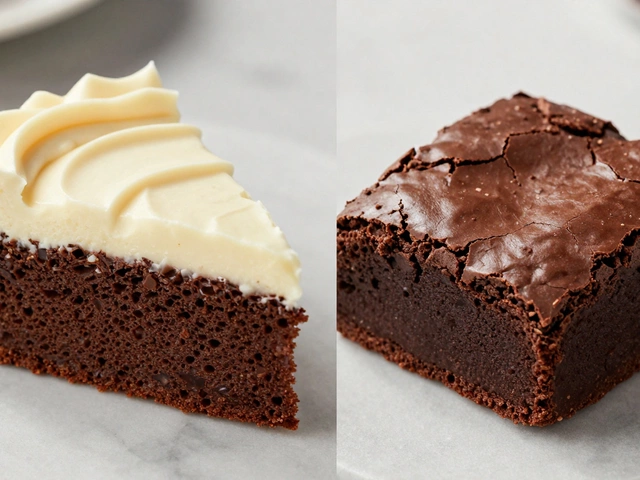
🍪 Cookie Fat Substitution Calculator
Curious how swapping butter changes your cookies? Select a fat below to see its impact on flavor, texture, and spread control compared to the gold standard.
Butter
The non-negotiable foundation. Rich, creamy, and provides precise structural control.
Result Analysis
Perfect Balance
Ideal for standard chocolate chip and sugar cookies. Tender, balanced spread, and rich dairy notes.
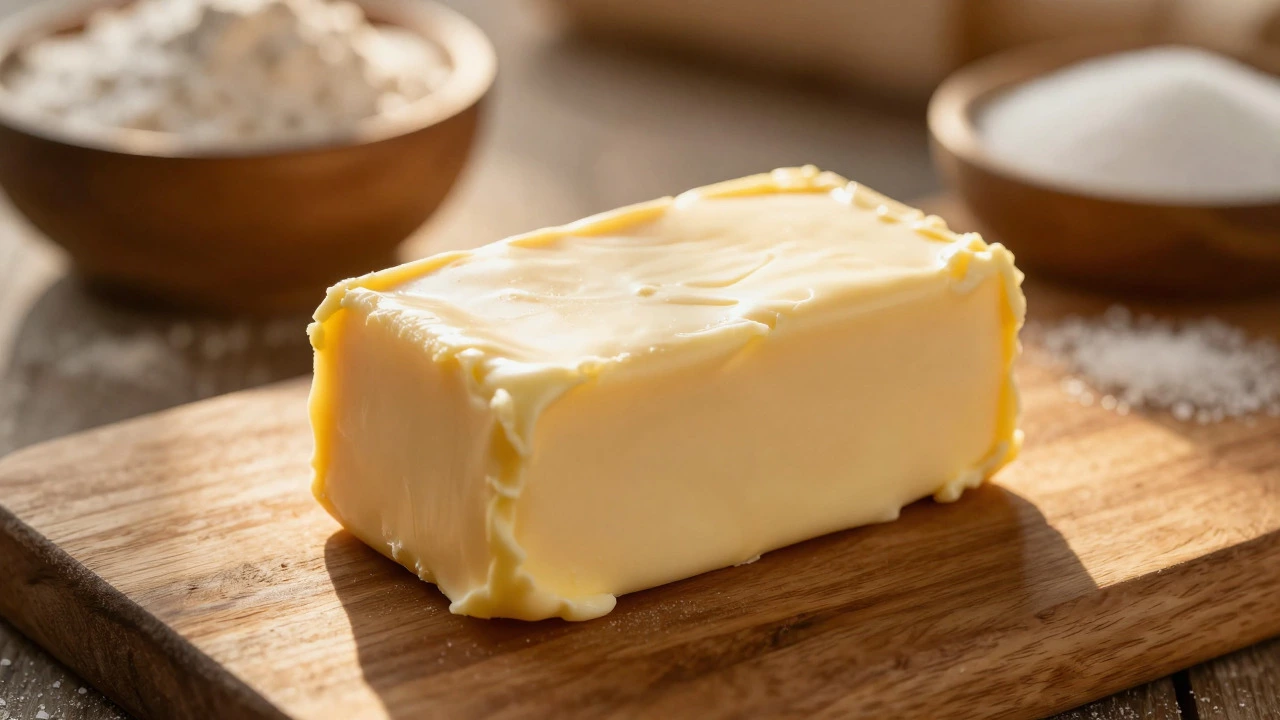
Ask any baker what makes a cookie taste like that-warm, chewy, with that perfect snap-and you’ll get ten different answers. Some swear by chocolate chips. Others argue it’s the brown sugar. But if you strip away the add-ins and look at the structural backbone of every great cookie, one ingredient stands head and shoulders above the rest: butter is the primary fat responsible for flavor, tenderness, and spread control in short doughs. It’s not just an ingredient; it’s the engine of the recipe.
Why Butter Is the Non-Negotiable Foundation
Think of a cookie as a tiny architecture project. The flour provides the walls (structure), the sugar provides the windows (lightness and browning), but the butter? That’s the foundation. Without it, you don’t have a cookie; you have a cracker or a brittle shard.
Butter contains roughly 80% milk fat and 15-20% water. This specific composition is crucial. The milk fat coats the gluten proteins in the flour, preventing them from forming long, tough strands. This process, known as tenderizing, is why cookies are soft and flaky rather than chewy like bread. If you replace butter with oil, you lose this coating effect because oil lacks the solid structure and water content of butter. The result? A denser, often greasier product that doesn’t hold its shape well.
Furthermore, butter brings a depth of flavor that no other fat can replicate. The lactose and milk solids in butter caramelize during baking, creating those complex, nutty notes we associate with "baked goods." Margarine might work structurally, but it rarely delivers the same aromatic payoff.
The Role of Flour: Structure vs. Texture
If butter is the foundation, all-purpose flour is a blend of hard and soft wheat flours typically containing 10-12% protein. Its job is to create the gluten network that holds the cookie together. However, too much flour leads to a dry, cake-like texture, while too little results in a cookie that spreads until it’s paper-thin.
The type of flour matters more than most home bakers realize. Bread flour has higher protein (12-14%), which creates more gluten. This is great for pizza crusts but terrible for delicate cookies. Conversely, pastry flour (8-9% protein) creates very tender cookies but can be fragile. All-purpose flour hits the sweet spot for most standard recipes. If your cookies feel tough, check your flour. Are you using fresh, unclumped flour? Sifting it before measuring can prevent accidental over-measuring, which is a common culprit behind dense batches.
Sugar: More Than Just Sweetness
We often think of granulated white sugar as a crystalline form of sucrose used for sweetness and browning, but in cookies, it’s a textural tool. White sugar contributes to crisp edges and a sandy texture. It also helps with spreading because it dissolves into the liquid phase of the dough, allowing the cookie to flatten out in the oven.
On the other hand, brown sugar is white sugar combined with molasses, adding moisture and acidity. The molasses adds hygroscopic properties, meaning it attracts and retains water. This keeps the center of the cookie moist and chewy. The acidity in brown sugar also reacts with leavening agents like baking soda, helping the cookie rise slightly. A classic ratio is 50/50 white and brown sugar, but shifting that balance changes the entire mouthfeel. More white sugar equals crunchier; more brown sugar equals chewier.
Fats Compared: What Happens When You Swap?
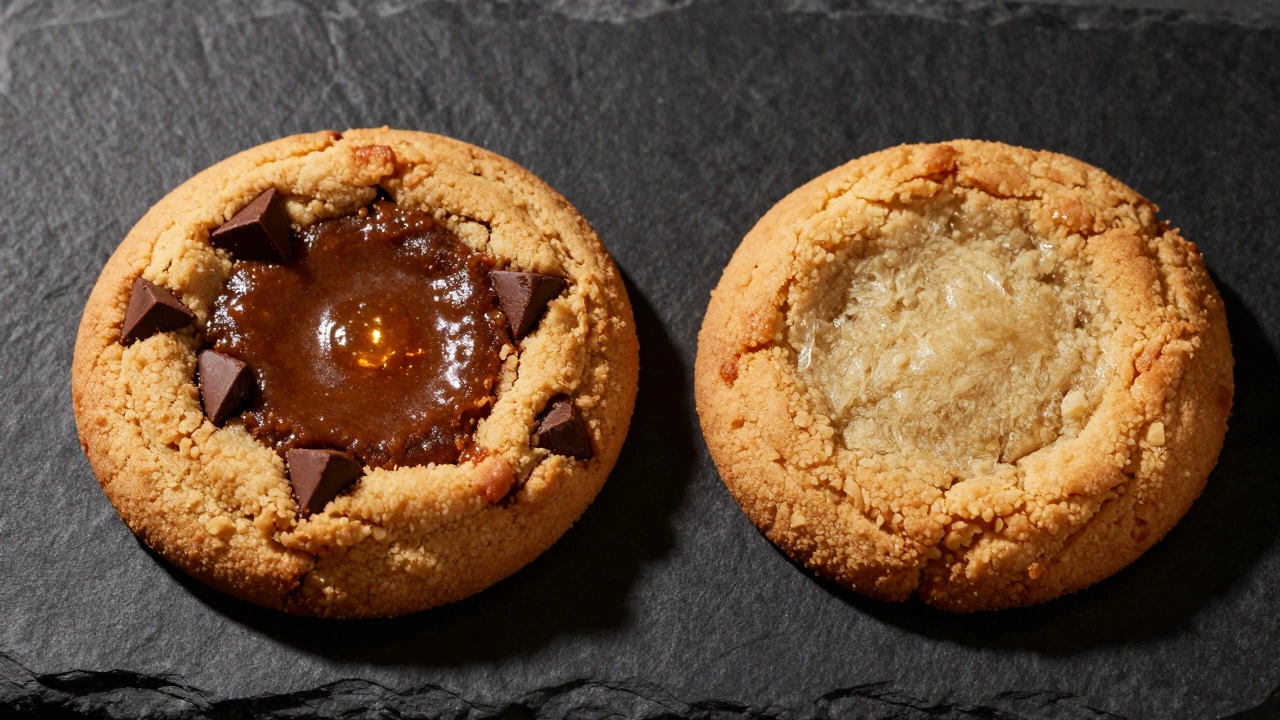
Curious how other fats stack up against butter? Here’s a quick breakdown of what happens when you substitute:
| Ingredient | Flavor Profile | Texture Impact | Best Use Case |
|---|---|---|---|
| Unsalted Butter | Rich, creamy, dairy notes | Tender, balanced spread | Standard chocolate chip, sugar cookies |
| Margarine | Neutral, sometimes waxy | Denser, less tender | Budget-friendly alternatives |
| Vegetable Oil | Neutral | Moist, cake-like, no spread control | Vegan cookies, very soft textures |
| Coconut Oil | Distinct coconut aroma | Dense, crumbly if not careful | Vegan, tropical flavors |
Notice that butter is the only option that offers both high flavor and precise textural control. While vegan options are improving, they often require additional binders (like applesauce or flax eggs) to mimic the emulsifying power of egg yolks and butter.
The Hidden Player: Eggs and Leavening
You might ask, "What about eggs?" Egg yolks are rich in lecithin, a natural emulsifier that binds fat and water. They add richness and help hold the structure together. Egg whites provide lift and lightness. However, without butter, eggs alone can’t create that signature short-dough tenderness. They rely on the fat to do the heavy lifting.
Leavening agents like baking soda are a chemical leavener that releases carbon dioxide when heated and exposed to acid. are essential for puffiness, but they don’t define the cookie’s identity. You can make a perfectly good cookie with just flour, sugar, and butter. Add eggs and soda, and you elevate it, but remove the butter, and you fundamentally change the category of dessert you’re making.
Pro Tips for Maximizing Your Butter
Since butter is the star, treat it with care. Here are three ways to get the most out of it:
- Temperature Control: Cold butter creates flakier layers (think drop cookies with crispy edges). Room temperature butter creates softer, cakier centers. Choose based on your desired outcome.
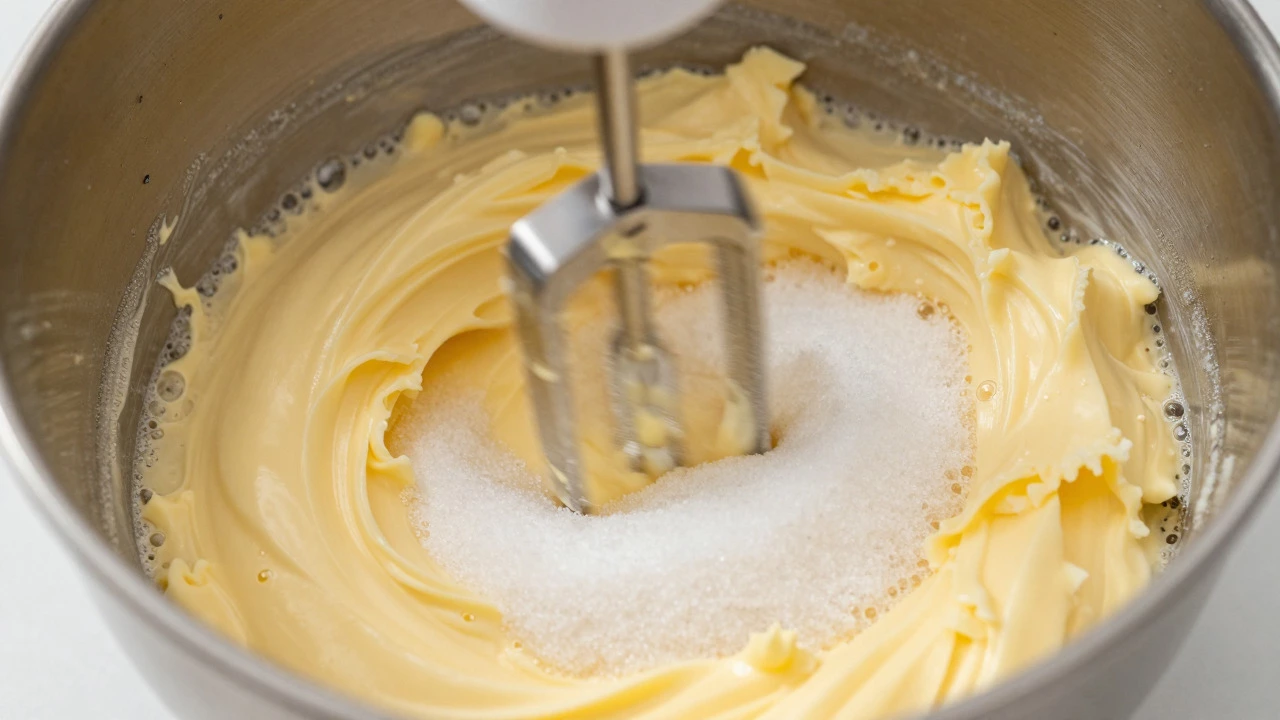
- Creaming Technique: Creaming butter and sugar incorporates air bubbles. These bubbles expand in the oven, giving the cookie lift. Don’t rush this step; beat until pale and fluffy.
- Salt Balance: If using unsalted butter, always add a pinch of salt. It enhances the buttery flavor and balances the sweetness. Salt is the secret weapon that makes the butter taste even better.
Common Mistakes That Ruin Cookies
Even with the right ingredients, technique can trip you up. Overmixing the dough develops too much gluten, leading to tough cookies. Under-baking leaves the center raw, while over-baking dries out the edges. And perhaps the biggest mistake: using melted butter when the recipe calls for softened. Melted butter floods the flour immediately, creating a wetter dough that spreads excessively and becomes thin and crispy all over, losing that chewy center.
Frequently Asked Questions
Can I use margarine instead of butter for cookies?
Yes, but the texture will be denser and the flavor less rich. Margarine has a higher water content and lower milk solids, so it doesn't tenderize the flour as effectively. For best results, stick to real butter, especially for gourmet or gift-worthy cookies.
Why do my cookies turn out flat and crispy?
This usually happens if the butter was too warm or melted, causing the dough to spread rapidly in the oven. It can also happen if you under-chill the dough or use too much white sugar relative to brown sugar. Try chilling the dough for at least 30 minutes before baking to firm up the fat.
Is brown sugar necessary for chewy cookies?
Not strictly necessary, but highly recommended. Brown sugar adds moisture via molasses and acidity for leavening. If you only have white sugar, reduce the liquid in the recipe slightly or add a tablespoon of honey to mimic the moisture retention of brown sugar.
What is the ideal ratio of butter to flour in cookies?
A standard starting point is a 1:2 ratio of butter to flour by weight (e.g., 100g butter to 200g flour). This yields a balanced cookie that isn't too greasy or too dry. Adjust based on whether you prefer a richer, shorter texture (more butter) or a sturdier, cake-like texture (more flour).
Does the type of butter matter?
European-style butters with higher fat content (82-86%) produce superior cookies compared to standard American butters (80%). The higher fat content means less water, resulting in less steam production and better browning. If available, use European-style butter for professional-quality results.
Popular Posts

How Long Does a Brownie's Effect Last?
May, 27 2025

Mastering Fudge: Why Rainy Days Can Ruin Your Recipe
Oct, 10 2024