Bake Pavlova: Easy Tips, Common Mistakes, and Best Recipes
When you bake pavlova, a light, airy meringue-based dessert with a crisp shell and soft center, often topped with whipped cream and fruit. Also known as meringue cake, it’s a showstopper for birthdays, holidays, or just because you want something sweet that doesn’t feel heavy. Unlike other cakes, pavlova doesn’t rely on flour or butter—it’s all about sugar, egg whites, and a little vinegar or cornstarch to keep it stable. That’s why getting it right feels like magic… and why so many people mess it up.
Most failures happen because people don’t understand how meringue, a whipped mixture of egg whites and sugar that forms the base of pavlova behaves. Heat it too fast? It cracks. Don’t dry it out long enough? It weeps. Add sugar too quickly? It won’t hold shape. The key isn’t fancy tools—it’s patience. You need to let the oven cool slowly after baking, sometimes for hours, so moisture escapes gently. That’s why many recipes say to turn off the oven and leave the pavlova inside overnight. It’s not optional—it’s the secret.
And while people think pavlova is Australian or New Zealand, the truth is, it’s a global mystery. Both countries claim it, but no one knows for sure. What we do know is that it’s a dessert for people who love texture: crunchy outside, pillowy inside, bright with fruit. It’s not for everyone—some find it too sweet, too delicate, too fussy. But if you’ve ever bitten into one that’s perfect? You’ll get why bakers keep trying.
You’ll find posts here that answer the real questions: Why does my pavlova collapse? Can I make it ahead? What fruit works best? How do I fix a sticky bottom? One post even explains why adding vinegar helps more than lemon juice. Another breaks down how humidity ruins pavlova, and what to do if you live in a damp climate. There’s no fluff—just what works, tested in real kitchens.
Whether you’re baking for the first time or you’ve had three failed attempts this month, the guides below will help you bake a pavlova that doesn’t just look good—it tastes like it was made by someone who actually knows what they’re doing.
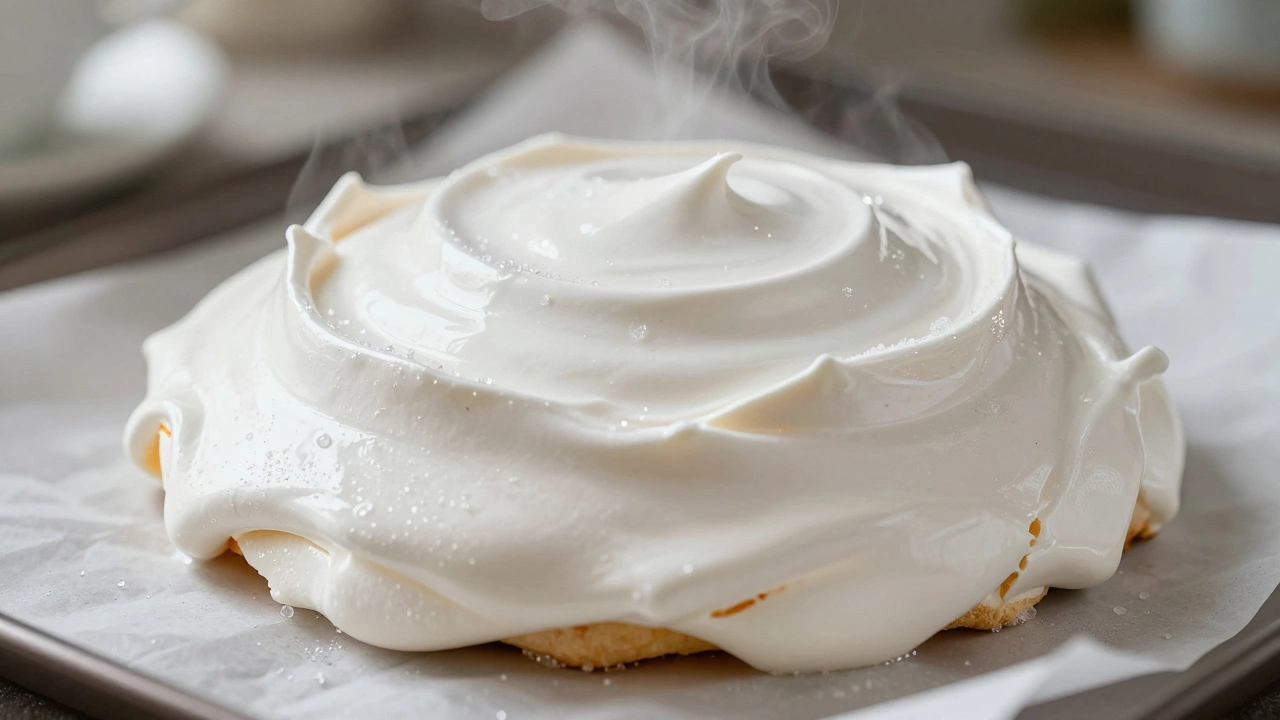
How to Stop Pavlova Cracking: Simple Fixes for Perfect Meringue
Learn why pavlova cracks and how to fix it with simple, proven techniques-temperature control, slow cooling, cornstarch, and fresh eggs. Say goodbye to cracked meringue and bake a perfect pavlova every time.
View MorePopular Posts
What Makes a Brownie Taste Like Cake?
Jun, 3 2025