Overbaked Brownies: Why They Happen and How to Fix Them
When you pull out a pan of overbaked brownies, brownies that have been cooked past their ideal point, resulting in a dry, crumbly texture instead of fudgy richness. Also known as dry brownies, they’re one of the most common baking mistakes—but also one of the easiest to prevent. You followed the recipe, set the timer, and still ended up with something that crumbles like a cookie. What went wrong? It’s not always about time. Sometimes it’s the oven, the pan, or even the type of chocolate you used.
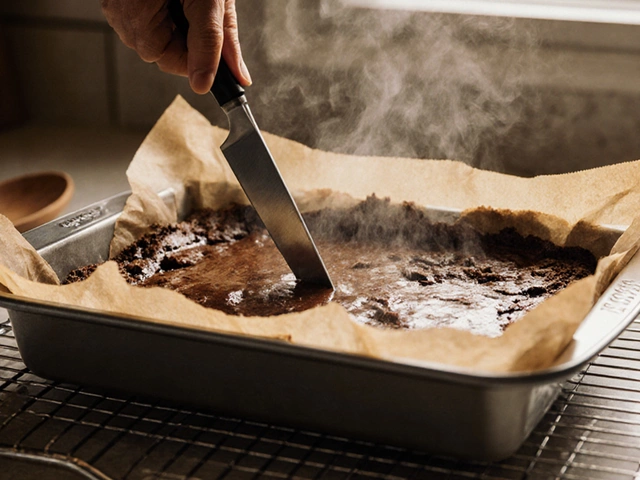
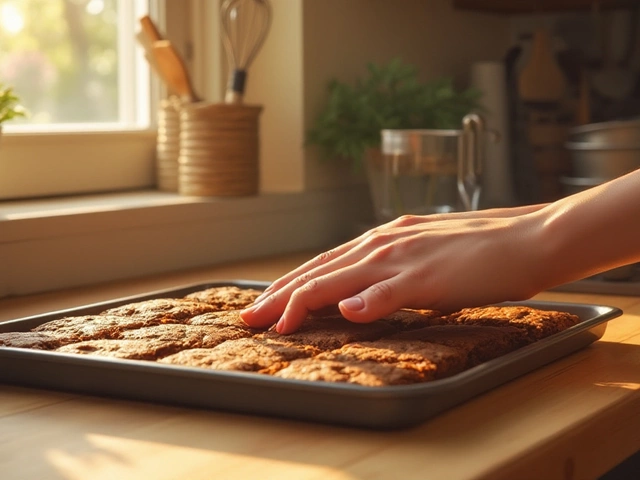
Brownie texture, the balance between fudgy, cakey, or chewy, depends heavily on moisture retention and baking precision. Overbaked brownies lose that melt-in-your-mouth quality because too much moisture evaporates. The edges turn hard, the center dries out, and what should be rich and dense becomes chalky. This often happens when bakers rely too much on the timer and not enough on visual and tactile cues. A toothpick test isn’t enough—you need to look for a slight wobble in the center, not a jiggle. That wobble means the residual heat will finish cooking them as they cool.
Another big culprit? Oven temperature, the actual heat inside your oven, which can be off by as much as 50 degrees even in newer models. If your oven runs hot—and many do—your brownies cook faster than the recipe expects. That’s why using an oven thermometer is one of the simplest fixes. It’s not glamorous, but it’s the difference between perfect brownies and regret.
And don’t forget the pan. Dark metal pans absorb more heat than light-colored or glass ones. If you used a dark pan and didn’t lower the oven temperature by 25°F, you’re basically baking your brownies on high heat. That’s a recipe for overdone edges and a dry center. Even the type of sugar matters. Brown sugar holds more moisture than white sugar, so swapping them can change how your brownies behave.
But here’s the good news: if your brownies are already overbaked, you’re not stuck with them. A quick soak in warm milk or cream can bring back some softness. Layer them with whipped cream or ice cream—the moisture from the toppings makes a huge difference. Turn them into brownie trifle, crumble them over yogurt, or blend them into milkshakes. You don’t have to throw them out. You just have to rethink how you use them.
Most of the posts in this collection focus on the fine details that make or break brownies: how long to cool them, how to store them, why they crack, and what happens when you skip ingredients like vanilla or butter. You’ll find real-world fixes, not just theory. No fluff. Just what works.
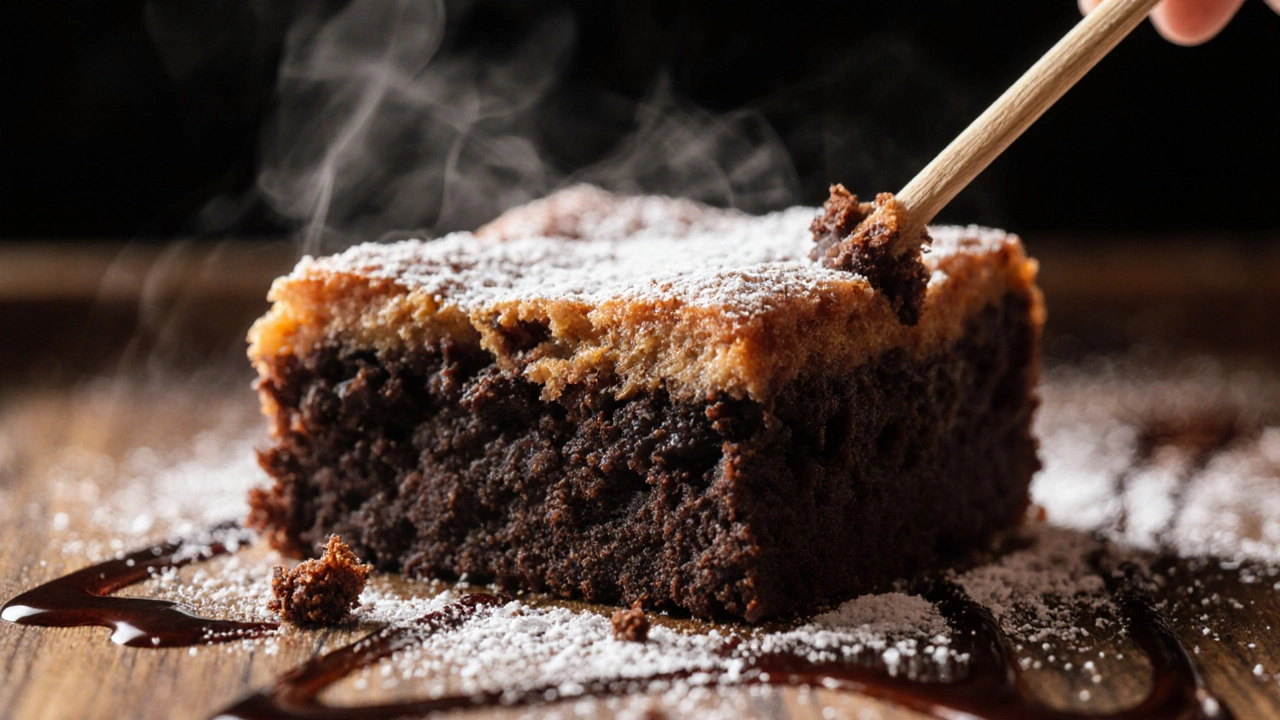
Why Brownies Turn Hard After Baking
Brownies turn hard after baking due to overbaking, too much flour, or improper storage. Learn how to fix texture issues and bake moist, fudgy brownies every time.
View More