Celiac Travel Destination Finder
Select a Destination:
Your Sensitivity Level:
Italy
Very SafeRecommended Treat:
GF Torta della Nonna
Key Advantage:
High medical awareness and rigorous AIC standards for restaurants.
Imagine landing in a foreign city, starving, and realizing that every single bakery window is filled with golden crusts and fluffy sponges that are strictly off-limits. For someone with celiac disease, traveling isn't just about sightseeing; it's a tactical operation. You aren't just looking for 'wheat-free' options-you're looking for kitchens that actually understand cross-contamination. While many places claim to be gluten-free, the reality is that some countries treat it as a fad, while others treat it as a medical necessity. If you're craving a slice of authentic gluten-free cakes without the fear of an accidental reaction, where should you actually fly to?
Quick Guide: The Top Celiac-Friendly Spots
- Italy: The gold standard for medical awareness and dedicated GF pasta/pizza.
- USA: The king of variety and dedicated gluten-free bakeries.
- Australia: Heavy focus on health labels and clear allergen marking.
- UK: Incredible supermarket accessibility and high-street chains with clear protocols.
The Italian Paradox: Pasta Heaven for Celiacs
It seems crazy to suggest the birthplace of wheat-based pasta, but Italy is arguably the most celiac-friendly country in the world. Why? Because Celiac Disease is taken very seriously as a medical condition there. The AIC (Italian Celiac Association) has pushed for rigorous standards in restaurants.
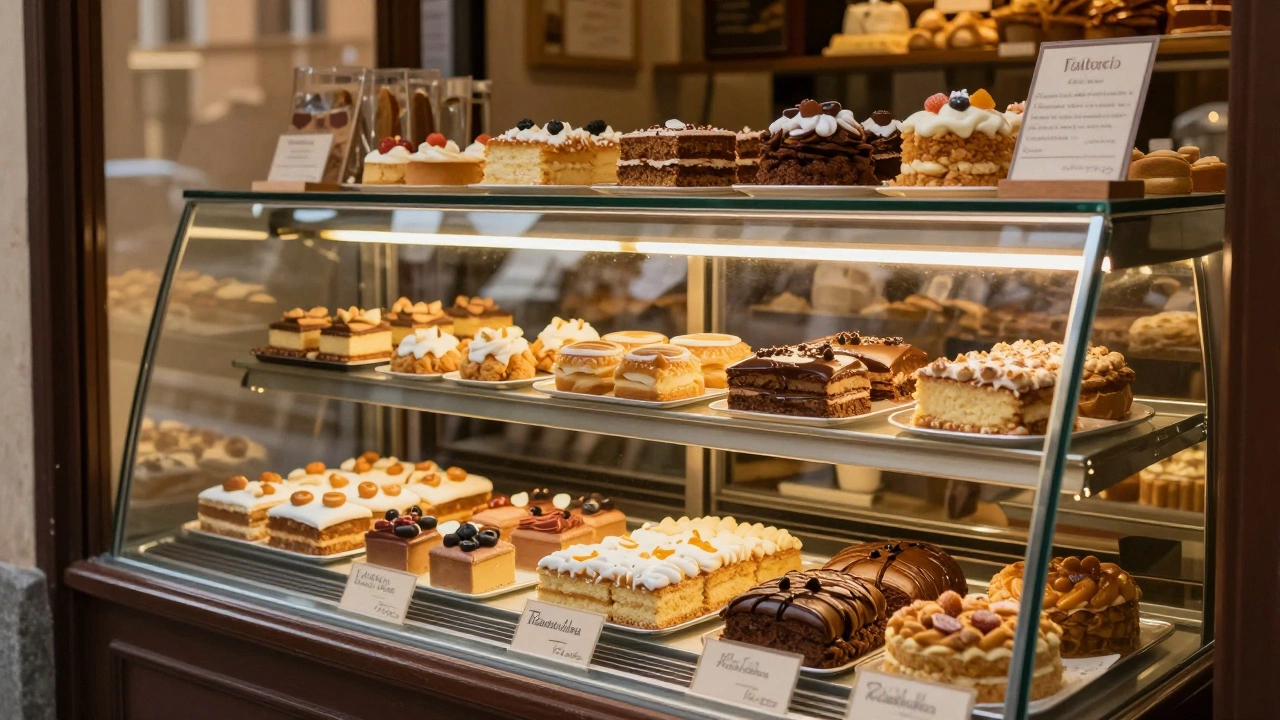
In Italy, you'll find that "Senza Glutine" isn't just a menu buzzword. Many restaurants have separate cooking areas or use dedicated fryers. When it comes to sweets, you can find incredible gluten-free versions of traditional cakes. Instead of a crumbly mess, Italian GF cakes often use high-quality almond flour or rice blends that keep the texture moist. If you visit a local pasticceria, don't be surprised if they have a dedicated glass case for GF treats to avoid crumbs flying everywhere.
The American Approach: Variety and Scale
If Italy is about medical standards, the United States is about sheer volume. The US has turned gluten-free living into an art form. You can find dedicated gluten-free bakeries in almost every mid-sized city where the entire facility is wheat-free. This is the safest bet for anyone who is extremely sensitive to cross-contamination.
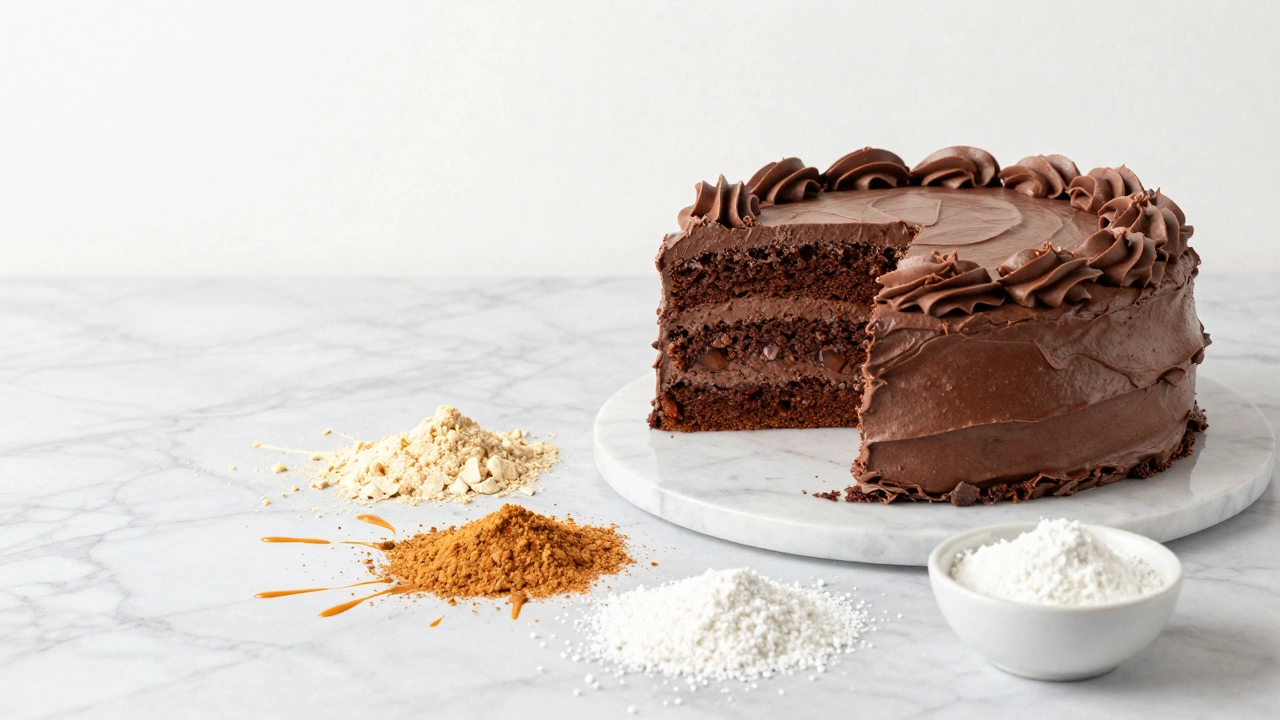
The level of innovation in Gluten-Free Baking here is unmatched. We're talking about cakes that actually taste like cake, using blends of potato starch, tapioca, and xanthan gum to mimic the elasticity of gluten. Whether it's a multi-layered chocolate cake or a classic red velvet, the US market ensures that you don't have to settle for a "sad" version of a dessert.
| Country | Menu Availability | Cross-Contamination Risk | Best GF Treat |
|---|---|---|---|
| Italy | Very High | Low (Strong AIC standards) | GF Torta della Nonna |
| USA | Extreme | Very Low (Dedicated Bakeries) | GF Layer Cakes |
| UK | High | Moderate to Low | GF Victoria Sponge |
| Australia | High | Low (Strict Labeling) | GF Macarons |
The UK Experience: Supermarket Superpowers
Living in the UK, I've noticed that the biggest strength here is the accessibility of high-quality pre-packaged gluten-free goods. While a tiny village cafe might struggle with the concept, the major supermarkets have entire aisles dedicated to GF living. This makes it easy to grab a safe cake for a party without stressing over the ingredients list.
High-street coffee chains in the UK have also stepped up. Many now offer a gluten-free cake option, though the caution here is the "shared environment." For those with severe celiac disease, a cake made in a kitchen that also handles flour can be risky. However, the overall awareness of Gluten-Free diets is higher now than it ever has been, meaning most chefs know that "gluten-free" doesn't mean "just take off the bun."
Australia and the Culture of Labeling
Australia is a fantastic spot for celiacs because of its obsession with clear labeling. The Food Standards Australia New Zealand (FSANZ) ensures that allergens are clearly marked on packaging. This takes the guesswork out of shopping for snacks or cake mixes.
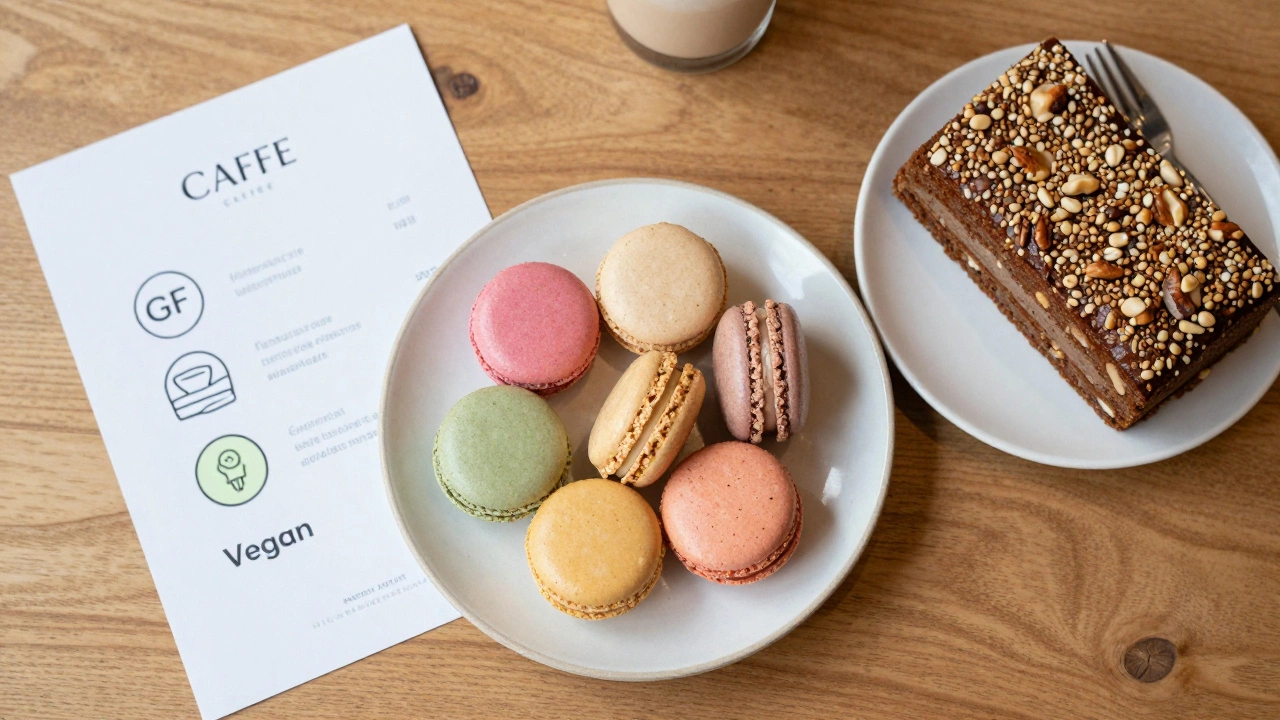
The cafe culture in cities like Melbourne or Sydney is incredibly progressive. It's common to see a menu where GF, Vegan, and Dairy-Free options are clearly highlighted with icons. Their approach to GF cakes often leans toward the "healthier" side, using a lot of nuts and seeds, which actually results in a richer, more flavorful cake that doesn't rely on processed starches.
How to Spot a Celiac-Friendly Spot Anywhere
Regardless of the country, you can use a few heuristics to figure out if a bakery is safe. First, look for a dedicated GF menu rather than a few "GF options" scribbled at the bottom. A dedicated menu usually means the kitchen has a system in place.
Ask specifically about the fryers. If they fry their gluten-free appetizers in the same oil as breaded chicken, it's a hard pass. For cakes, ask if they use separate equipment. A bakery that uses a separate mixer for their GF batches is a gold mine. Also, check for certifications. In Italy, look for the AIC seal. In the US, look for "Certified Gluten-Free" labels on packaged treats.
The Risks of 'Gluten-Free' Marketing
We have to talk about the difference between "gluten-friendly" and "celiac-safe." In many parts of Asia or South America, a waiter might tell you a dish is gluten-free because it doesn't contain wheat, but they might not know that the soy sauce in the glaze is packed with wheat.
This is where a translation card becomes a lifesaver. Don't rely on the word "gluten" alone; list the ingredients you cannot have (wheat, barley, rye). When searching for gluten-free cakes in these regions, stick to naturally GF desserts. Think coconut-based cakes in Southeast Asia or corn-based sweets in Mexico. These are often safer than a "modified" version of a Western cake.
Is Italy really safer than the US for celiacs?
It depends on your needs. Italy has better systemic medical awareness and restaurant standards via the AIC. However, the US has more "100% dedicated" facilities where no wheat ever enters the building, which is the safest possible option for those with extreme sensitivity.
What is the best gluten-free cake to look for when traveling?
Naturally gluten-free options are always safest. Look for almond-based cakes (like Torta di Mandorle in Italy), flourless chocolate cakes, or coconut cakes. These are less likely to be "conversions" and more likely to be naturally safe.
Can I trust "gluten-free" labels in non-English speaking countries?
Not always. In some countries, "gluten-free" is a marketing term for weight loss rather than a medical standard. Always use a translation card and ask about cross-contamination specifically (shared fryers, shared ovens).
Which countries have the worst celiac awareness?
Many countries in Central Asia and parts of Africa have lower awareness. In these regions, the best strategy is to stick to whole foods-fresh fruits, rice, and grilled meats-and avoid processed bakery items entirely.
Are GF cakes from supermarkets as safe as bakery ones?
Often, they are safer because they are produced in controlled factories with strict labeling laws. A small local bakery may not have the equipment to prevent flour dust from settling on a GF cake.
Next Steps for Your GF Adventure
If you're planning a trip, start by downloading an app like "Find Me Gluten Free." It's like Yelp but specifically for the celiac community. Read the reviews-look for people who mention "severe celiac」 rather than just "gluten-sensitive," as their standards are much higher.
Carry a stash of your favorite GF snacks for the plane and the first few hours in a new city. It removes the panic of "hunger-shopping" and allows you to be more selective about where you eat. Finally, always double-check the ingredients of the flour used in GF cakes; some use soy or corn, which might be an issue if you have multiple allergies.
Popular Posts

The Secrets to Soft Homemade Cookies
Feb, 13 2025