Cheesecake Matchmaker
Let's find your slice!
You walk into a bakery or scroll through Instagram, and suddenly you’re faced with a dozen options. Is it the dense, creamy slice from a classic deli? The cloud-like square that shakes when you move the plate? Or perhaps the burnt, custardy disc straight out of Spain? If you’ve ever wondered what's the most popular cheesecake, the answer isn’t just one type-it’s a battle of textures, temperatures, and traditions.
While New York-style often claims the throne in Western pop culture, global preferences vary wildly depending on where you are. In Tokyo, airiness wins. In San Sebastián, charred edges are a badge of honor. And in parts of Europe, gelatin sets the standard for a reason. This guide breaks down the heavy hitters, explains why they dominate their respective regions, and helps you decide which one deserves a spot on your table tonight.
The Heavyweight Champion: New York-Style Cheesecake
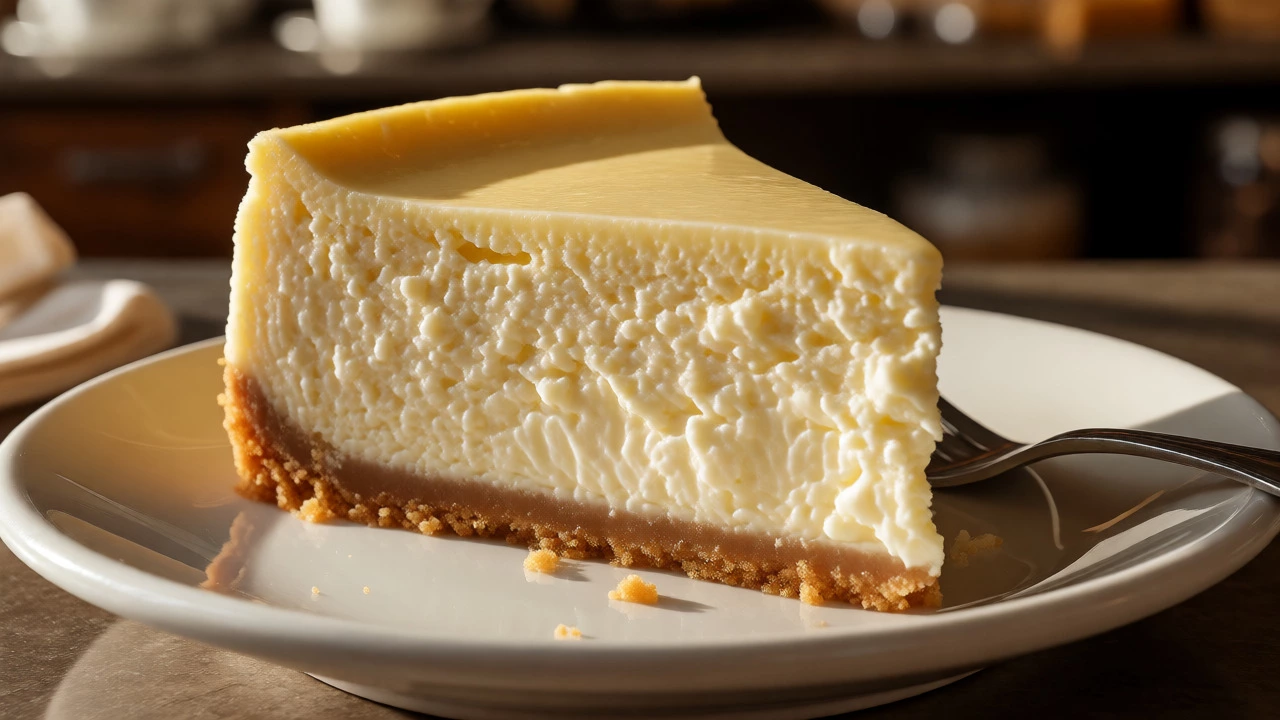
If you ask an American what cheesecake is, they’ll likely describe this one. New York Cheesecake is a dense, rich, and creamy dessert made primarily with cream cheese, eggs, sugar, and heavy cream, baked in a water bath to prevent cracking. It typically sits atop a graham cracker crust.
Why is it so ubiquitous? It’s all about consistency. The high fat content (usually full-fat cream cheese) creates a luxurious mouthfeel that feels indulgent without being overly sweet. The use of sour cream or heavy cream adds tanginess and moisture, balancing the richness. Because it’s baked slowly in a bain-marie (water bath), the texture remains uniform-no curdling, no rubbery bits.
This style dominates coffee shops and diners across the US and UK because it holds up well under refrigeration and travels easily. You can buy a whole pie at a supermarket, and it will taste exactly like the one from a fancy restaurant. That predictability makes it the default choice for beginners and pros alike.
The Airy Contender: Japanese Soufflé Cheesecake
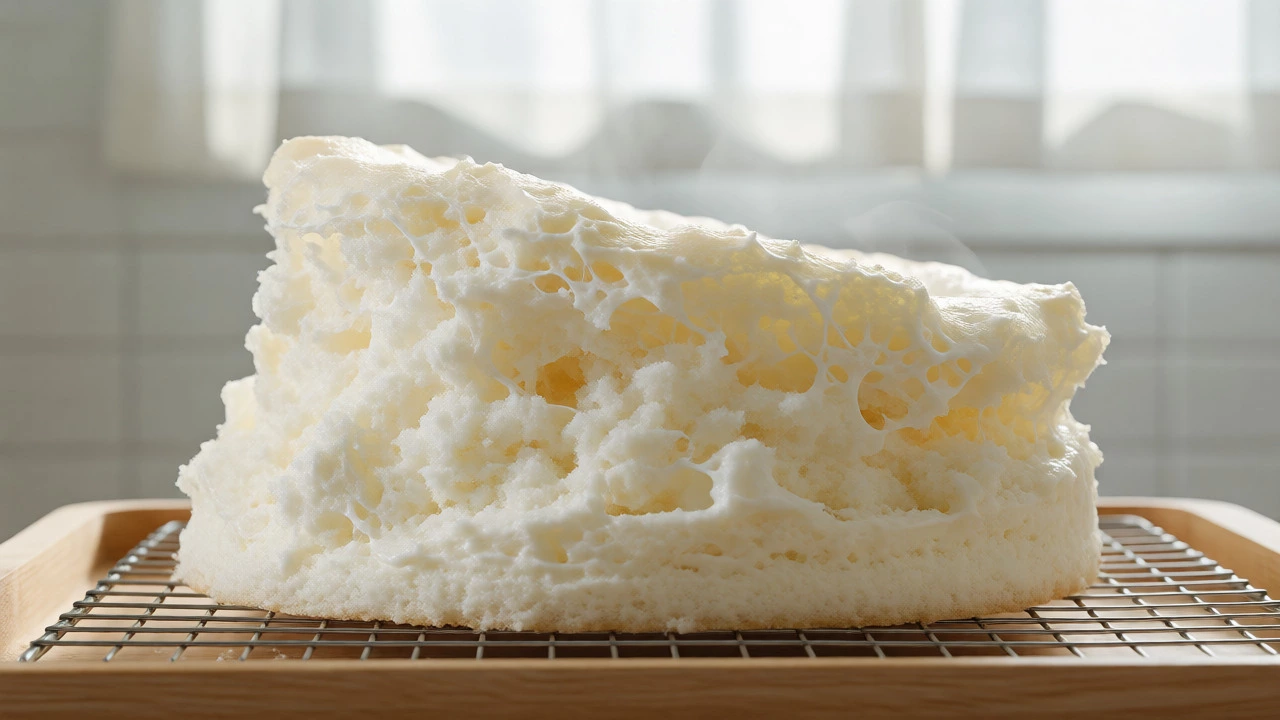
Cross the Pacific, and the definition of "popular" shifts dramatically. Japanese Cheesecake is a light, fluffy cake resembling a soufflé, characterized by its jiggly texture and mild sweetness, achieved by folding whipped egg whites into a batter of cream cheese, milk, and flour.
Unlike its American cousin, this isn’t really a "cake" in the traditional sense-it’s closer to a sponge cake infused with cheese flavor. The secret lies in the meringue. Egg whites are whipped to stiff peaks and gently folded in, trapping air bubbles that expand during baking. The result is a dessert that collapses slightly as it cools but retains a cloud-like interior.
It’s incredibly popular in Asia and among health-conscious bakers elsewhere because it’s significantly lighter. One slice won’t leave you feeling weighed down. However, it’s temperamental. Open the oven door too early, and it deflates. Let it cool too fast, and it cracks. But when you nail it? It’s ethereal.
The Rebel: Basque Burnt Cheesecake
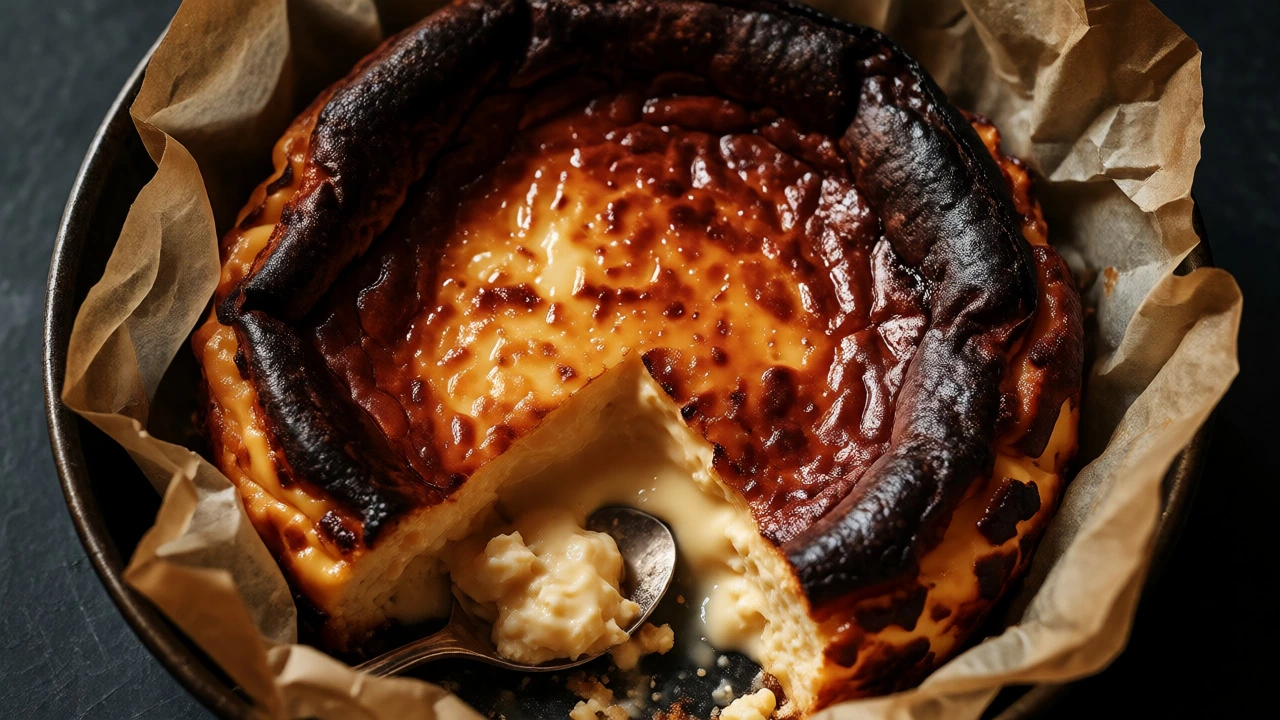
Then there’s the anti-cheesecake. Originating from La Viña bar in San Sebastián, Spain, Basque Cheesecake is a rustic, crustless cheesecake baked at high temperatures until the top is deeply caramelized and blackened, while the center remains soft and almost molten.
No crust. No water bath. No fuss. Just cream cheese, sugar, eggs, and cream, poured into a parchment-lined pan and blasted at 200°C (400°F). The Maillard reaction does the heavy lifting here, creating complex bitter-sweet notes on the surface that contrast sharply with the creamy, pudding-like interior.
This style exploded in popularity globally around 2018 and hasn’t slowed down since. Why? It’s forgiving. Unlike New York-style, which demands precision to avoid cracks, Basque cheesecake looks better when it’s messy. The "burnt" exterior is intentional. It appeals to modern palates that enjoy contrast-bitter vs. sweet, crisp vs. creamy. Plus, it’s gluten-free by default, making it accessible to more people.
The Classic European: German Käsekuchen
In Germany and much of Central Europe, cheesecake looks different. Käsekuchen is a traditional German cheesecake made with quark instead of cream cheese, often featuring a shortcrust pastry base and flavored with vanilla or lemon zest.
Quark is key here. It’s a fresh dairy product similar to thick yogurt or cottage cheese but smoother. It has less fat than cream cheese, resulting in a lighter, tangier filling. Many recipes also include semolina or starch to stabilize the mixture, giving it a firmer, more custard-like set rather than the dense creaminess of American versions.
This style is popular because it’s less cloying. It’s often served cold, sometimes topped with fruit compote or powdered sugar. If you find American cheesecake too heavy, this is your gateway drug. It’s refreshing, subtly sweet, and pairs beautifully with strong coffee.
The Frozen Favorite: No-Bake Cheesecake
Not everyone wants to fire up the oven, especially in summer. No-Bake Cheesecake is a chilled dessert where the filling is set using gelatin or agar-agar instead of heat, typically featuring a biscuit crust and a mousse-like texture.
This category includes everything from the frozen cheesecakes found in supermarkets to artisanal versions with berry swirls. The reliance on gelatin gives it a distinct "wobble" that differs from baked versions. It’s easier to make, faster to prepare, and requires zero baking skills.
However, purists argue it lacks depth. Without the chemical changes that occur during baking (like protein denaturation and caramelization), the flavor profile remains flat. It tastes mostly like sweetened cream cheese. But for quick desserts or hot climates, it’s unbeatable.
Comparing the Top Contenders
To help you choose, here’s how these styles stack up against each other in terms of effort, taste, and suitability.
| Feature | New York Style | Japanese Style | Basque Style | German Style |
|---|---|---|---|---|
| Main Dairy | Cream Cheese | Cream Cheese + Eggs | Cream Cheese | Quark |
| Texture | Dense, Creamy | Airy, Fluffy | Custardy, Molten Center | Firm, Tangy |
| Crust | Graham Cracker | None or Sponge | None | Shortcrust Pastry |
| Difficulty | Moderate (Watch for cracks) | High (Technique sensitive) | Low (Hard to mess up) | Moderate |
| Best For | Classic comfort | Light desserts | Modern flair | Tangy preference |
How to Choose Your Perfect Slice
Picking the right cheesecake depends entirely on what you value in a dessert. Here’s a quick decision tree:
- Do you love richness? Go for New York-style. It’s the ultimate comfort food.
- Are you watching calories or prefer lightness? Try Japanese cheesecake. It satisfies the craving without the heaviness.
- Are you a beginner baker? Start with Basque. It’s nearly impossible to ruin, and the imperfections add character.
- Do you dislike sweet desserts? Opt for German Käsekuchen. The tanginess cuts through the sugar.
- Is it a hot day? Make a No-Bake version. Keep the kitchen cool and enjoy a chilled treat.
Another factor is occasion. New York-style slices cleanly and looks professional on a platter. Basque cheesecake is meant to be scooped, making it perfect for casual gatherings. Japanese cheesecake is best eaten immediately after cooling, as it loses volume over time.
Common Pitfalls and Pro Tips
Even the most popular cheesecakes fail if you ignore basic physics. Here are three mistakes I see constantly in my Brighton kitchen:
- Overmixing the batter. Once you add eggs, mix on low speed only. Overbeating incorporates too much air, causing the cake to rise rapidly and then collapse, creating cracks.
- Skipping the room temperature step. Cold cream cheese doesn’t blend smoothly. Leave your ingredients out for at least two hours before starting. Lumps are the enemy of smooth texture.
- Chilling too quickly. Baked cheesecakes need gradual cooling. Turn off the oven, crack the door open, and let it sit inside for an hour. Sudden temperature changes cause thermal shock, leading to fissures on the surface.
For those experimenting with flavors, remember that cheesecake is a blank canvas. Add lemon zest for brightness, espresso powder for depth, or swirl in salted caramel for contrast. Just ensure any add-ins don’t introduce too much liquid, which can weaken the structure.
Frequently Asked Questions
Which cheesecake is the healthiest option?
Japanese cheesecake is generally lower in fat and calories per slice compared to New York-style because it relies heavily on egg whites for volume rather than cream and heavy cream. However, portion size matters. A small slice of German Käsekuchen made with low-fat quark can also be a lighter choice.
Can I freeze cheesecake?
Yes, most baked cheesecakes freeze well. Wrap individual slices tightly in plastic wrap and then foil. They can last up to two months in the freezer. Thaw them overnight in the refrigerator before serving. Japanese cheesecake freezes less effectively due to its delicate structure, so it’s best enjoyed fresh.
Why is my cheesecake watery?
Watery cheesecake usually results from overbaking or rapid cooling. When proteins tighten too much, they squeeze out moisture (syneresis). To fix this, bake until the center still jiggles slightly like Jell-O, then cool gradually. Using full-fat dairy also helps maintain emulsion stability.
What is the difference between cream cheese and quark?
Cream cheese is higher in fat and has a smoother, richer texture. Quark is a fresh acid-set cheese with lower fat content and a tangier, more yogurt-like flavor. Substituting one for the other will change both the taste and texture of your cheesecake, making it either lighter and tangier (quark) or denser and richer (cream cheese).
Do I need a springform pan for cheesecake?
A springform pan is highly recommended for New York and German styles because removing the sides allows for clean release without damaging the crust. Basque cheesecake doesn’t require one since it’s served directly from the parchment paper. Japanese cheesecake benefits from a deep springform pan to support its height during rising.