Tiramisu Origin & Authenticity Explorer
Explore the three major claims for the birthplace of Tiramisu and learn how to spot the real deal.
The Leading Claim
Date: 1960s–1970s
Evidence: Menu records, trademark registration at Le Beccherie.
High CredibilityThe Historical Contender
Date: 18th Century
Evidence: Literary references, anecdotal links to Count Cavour.
Medium-Low CredibilityThe Dialect Variant
Date: 1950s
Evidence: Oral tradition, local dialect name "Tiretiameisu".
Medium CredibilitySelect a Region
Click on one of the cards above to see detailed historical context about that region's claim.
Is It Really Tiramisu? The Authenticity Test
Traditional tiramisu is austere. Check these ingredients to see if your version aligns with the original Treviso style.
Your Score: 0/100
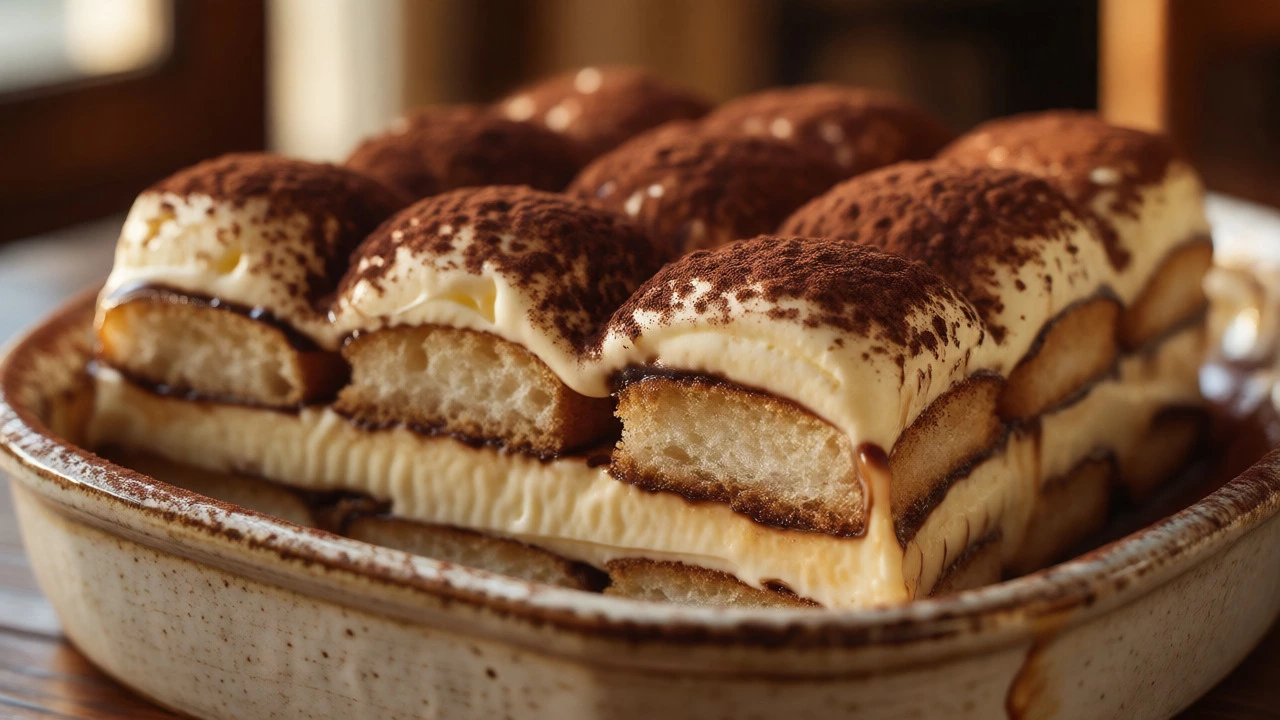
You might think you know where tiramisu comes from. It’s the ultimate Italian classic, right? Espresso-soaked ladyfingers layered with creamy mascarpone and dusted with cocoa. But here is the twist: if you ask ten Italians where it was invented, you’ll likely get three different answers. For decades, this dessert has been wrapped in mystery, fueled by regional pride and a lack of clear documentation until the late 20th century.
The truth is messier-and more interesting-than the marketing brochures suggest. While most people assume tiramisu dates back to the Renaissance or even further, credible evidence points to a much more recent birth. This isn’t just about food trivia; understanding the origin helps you appreciate why the recipe is so specific and why variations like the "Tirameisu" debate matter when you’re trying to make an authentic version at home.
The Great Debate: Treviso vs. Turin vs. Friuli
If you dig into the culinary archives, three regions claim the crown for inventing tiramisu. The most famous claim belongs to Treviso, located in the Veneto region of northeastern Italy. The story goes that a restaurant called Le Beccherie created the dish in the 1960s or 70s. But wait-there’s also a strong case for Turin in Piedmont, which claims the dessert existed as early as the 18th century, possibly named after Count Camillo Benso di Cavour. Then there’s Friuli Venezia Giulia, specifically the town of Tolmezzo, which argues they had a similar dessert called "Tiretiameisu" long before anyone else.
So, who actually won? Most food historians lean toward Treviso. Why? Because while other regions had desserts with similar ingredients, Treviso provided the first documented proof of the name "tiramisu" on a menu. In 1972, Giuseppe Ciampini, the owner of Le Beccherie, reportedly registered the trademark. Before that, recipes were often handwritten and passed down orally, making them hard to date precisely.
| Region | Claimed Date | Evidence Type | Credibility Score |
|---|---|---|---|
| Treviso (Veneto) | 1960s-1970s | Menu records, trademark registration | High |
| Turin (Piedmont) | 18th Century | Literary references, anecdotal | Medium-Low |
| Friuli Venezia Giulia | 1950s | Oral tradition, local dialect names | Medium |
Why the Name Matters More Than You Think
The word "tiramisu" literally translates to "pick me up" or "lift me up." This isn’t just poetic branding; it’s a functional description. The combination of caffeine from the espresso and sugar provides a quick energy boost, while the fat from the mascarpone keeps you satiated. If the dessert originated in Treviso, the name likely stuck because it was served as a post-dinner treat designed to help guests recover from a heavy meal without feeling sluggish.
In contrast, the Friulian name "Tiretiameisu" suggests a similar function but hints at a different linguistic root. The confusion over naming conventions is part of why the origin is so contested. Food historian Silvano Zanella spent years researching this exact topic. His findings suggest that the modern iteration of tiramisu emerged only after World War II, when ingredients like mascarpone and eggs became more accessible to the average Italian household. Before the war, mascarpone was expensive and often reserved for special occasions.

The Ingredients That Define Authenticity
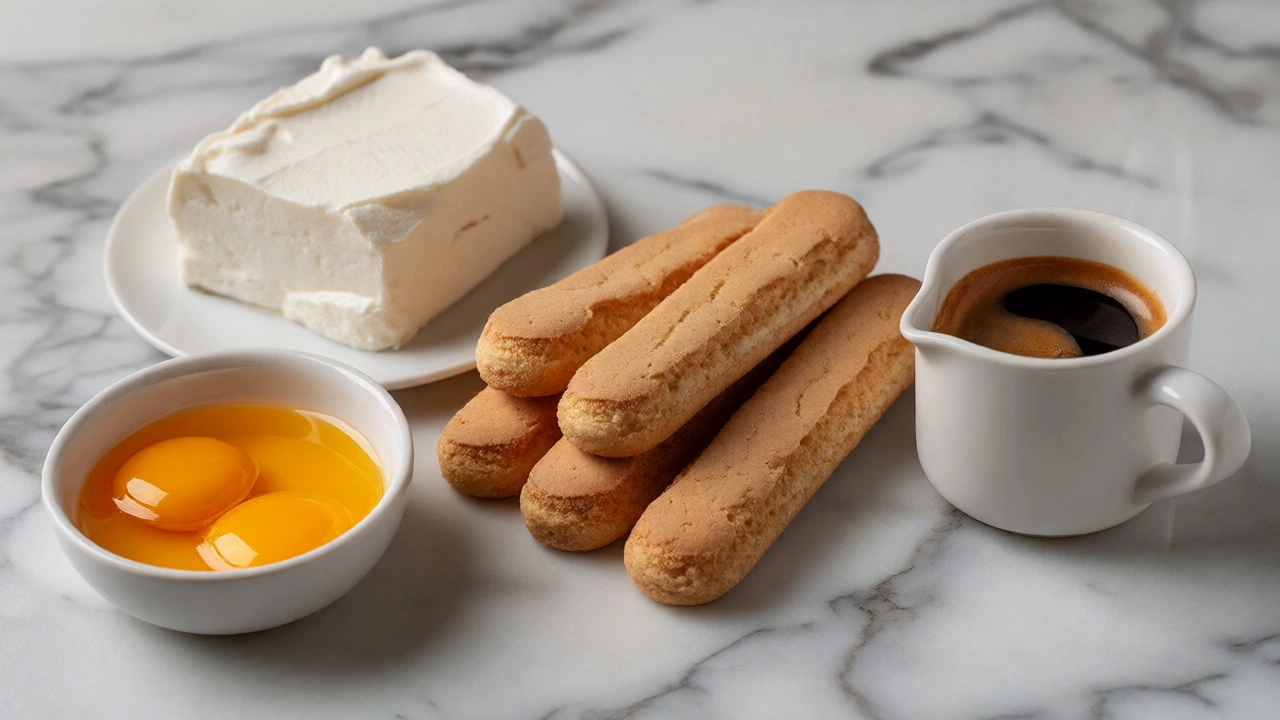
To understand the origin, you have to look at what went into the pot. Traditional tiramisu relies on four core components. If any of these are substituted incorrectly, you’re not making tiramisu-you’re making a mousse or a trifle.
- Mascarpone: A double-cream cheese from Lombardy. It must be fresh, high-fat, and slightly sweet. Substituting cream cheese changes the texture entirely.
- Savoiardi (Ladyfingers): These aren’t just cookies; they are dry, sponge-like biscuits designed to absorb liquid without disintegrating. American "ladyfingers" are often too soft or moist, leading to a soggy disaster.
- Espresso: Strong, dark-roast coffee. Decaf doesn’t provide the same structural integrity or flavor profile required for the "pick me up" effect.
- Eggs: Specifically separated yolks and whites. The yolks are whipped with sugar into a zabaglione, while the whites are folded in for airiness.
The absence of gelatin is another key marker of authenticity. Many non-Italian recipes use gelatin to stabilize the cream, but traditionalists argue this makes the dessert rubbery. The original method relies on the emulsion of egg yolks and mascarpone to hold its shape when chilled properly.
How Tiramisu Went Global
Tiramisu didn’t stay in Northeastern Italy for long. By the 1980s, it had exploded across Europe and into North America. Part of this success can be attributed to tourism. As international travelers visited Venice and Milan, they encountered the dessert and brought the craving home. Restaurants outside Italy began copying the recipe, often simplifying it. They added alcohol (like Marsala wine or rum), used pre-made custards, or skipped the egg separation process.
This global spread diluted the strict regional identity of the dish. Suddenly, "tiramisu" meant any layered coffee-cheese dessert, regardless of whether it followed the Treviso rules. Today, you can find matcha tiramisu, strawberry tiramisu, and even vegan versions using cashew cream. While these are delicious, they drift far from the historical roots of the dish.
Common Myths About Its History
Let’s bust a few persistent myths. First, no, tiramisu was not invented during the time of Catherine de’ Medici in the 16th century. Mascarpone wasn’t widely produced then, and espresso machines hadn’t been invented yet. Coffee itself arrived in Europe later, and the specific preparation of soaking biscuits in espresso is a modern technique.
Second, the idea that it was invented by a single chef in a single night is romantic but unlikely. Culinary evolution rarely happens in isolation. It’s more probable that cooks in the Veneto region experimented with existing ingredients-leftover savoiardi, cheap eggs, and available coffee-to create a new dessert. Over time, one version gained popularity and got branded as "tiramisu."
How to Spot Authentic Tiramisu
If you want to taste something close to the original, look for these signs. The layers should be distinct but cohesive. The mascarpone cream should be pale yellow, indicating the presence of raw egg yolks (which are traditionally pasteurized in modern kitchens for safety). The cocoa powder should be unsweetened and dusted generously on top, not mixed into the cream.
Avoid places that serve tiramisu in individual cups with visible gelatin shine. Also, be wary of desserts labeled "tiramisu" that contain strawberries or bananas unless clearly marked as a fusion variant. Authentic tiramisu is austere in its ingredient list. Complexity comes from balance, not addition.
Is tiramisu really Italian?
Yes, tiramisu is widely recognized as an Italian dessert, specifically originating from the Veneto region. However, its exact city of origin is debated between Treviso, Turin, and Friuli Venezia Giulia. Despite the debate, all claimants agree it is an Italian creation.
Why is it called tiramisu?
The name "tiramisu" comes from the Venetian dialect phrase "tireme su," which means "pick me up" or "lift me up." This refers to the energizing effects of the caffeine in the espresso and the sugar in the mascarpone mixture.
Does traditional tiramisu contain alcohol?
Traditional authentic tiramisu does not necessarily require alcohol. Some recipes include Marsala wine or rum, but many purists argue that adding alcohol masks the flavors of the coffee and mascarpone. The original Treviso recipe often omits alcohol entirely.
Can I make tiramisu without raw eggs?
Yes, you can use pasteurized eggs to reduce the risk of salmonella while maintaining the traditional texture. Alternatively, some modern adaptations use whipped cream or mascarpone stabilized with gelatin, though this deviates from the classic method.
What is the difference between tiramisu and mascarpone cake?
Tiramisu specifically involves layering coffee-soaked ladyfingers with a mascarpone and egg cream, topped with cocoa. A mascarpone cake might use sponge cake instead of ladyfingers and may not involve coffee soaking, making it a broader category of dessert rather than the specific tiramisu definition.