Cheesecake Egg Ratio Calculator
Analysis Results
- Texture Prediction --
- Cracking Risk --
- Flavor Profile --
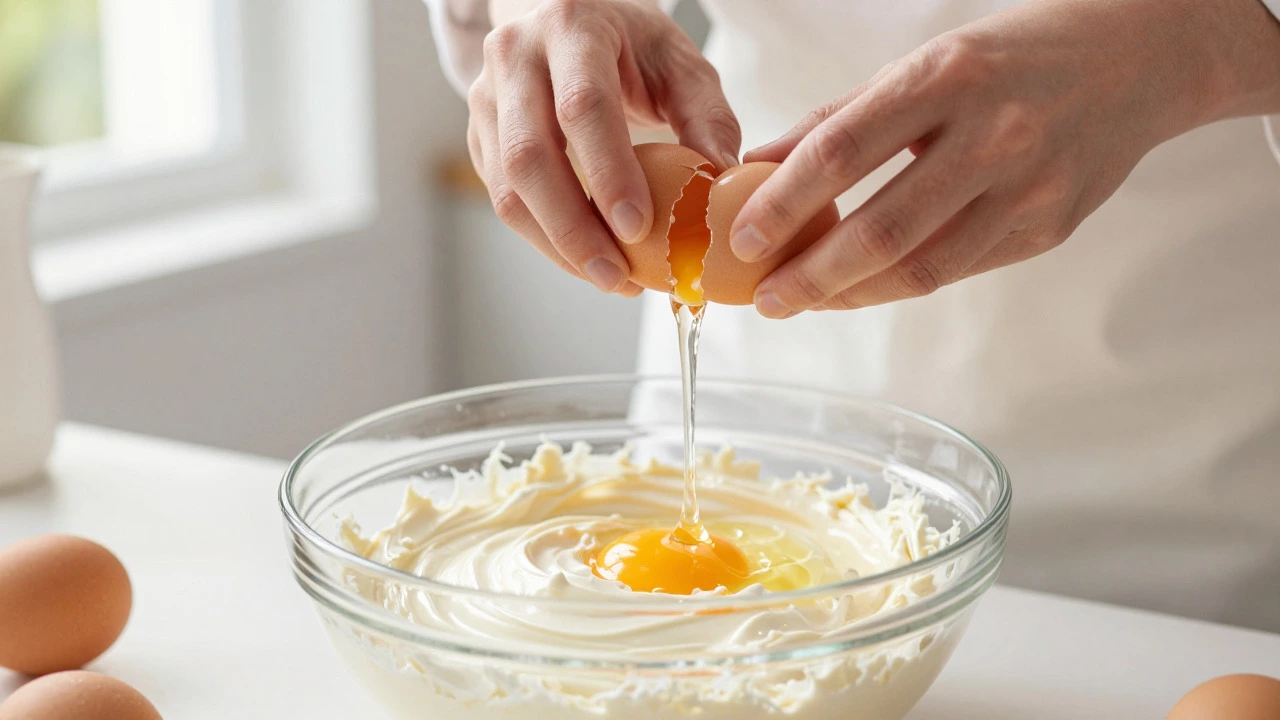
Have you ever stared at a cheesecake recipe that called for four eggs when your usual trusty batch only needs three? Or maybe you found yourself with one leftover egg yolk and wondered if tossing it into the batter would ruin everything. It is a common kitchen dilemma. You want the perfect slice, but you are unsure if changing the ingredient list by just one small item will change the outcome. The short answer is yes, adding an extra egg does make a difference. It changes how the cake sets, how it feels on your tongue, and even how it looks after slicing.
Cheesecake is not like chocolate chip cookies where you can add or subtract ingredients without much consequence. It is a delicate balance of chemistry. Every component plays a specific role. Cream cheese provides the fat and tang. Sugar adds sweetness and helps dissolve the crystals. But the eggs? They are the structural engineers. They hold the whole thing together. When you add more of them, you are altering the foundation. Let us break down exactly what happens inside that oven when you decide to go overboard with the eggs.
The Science Behind the Structure
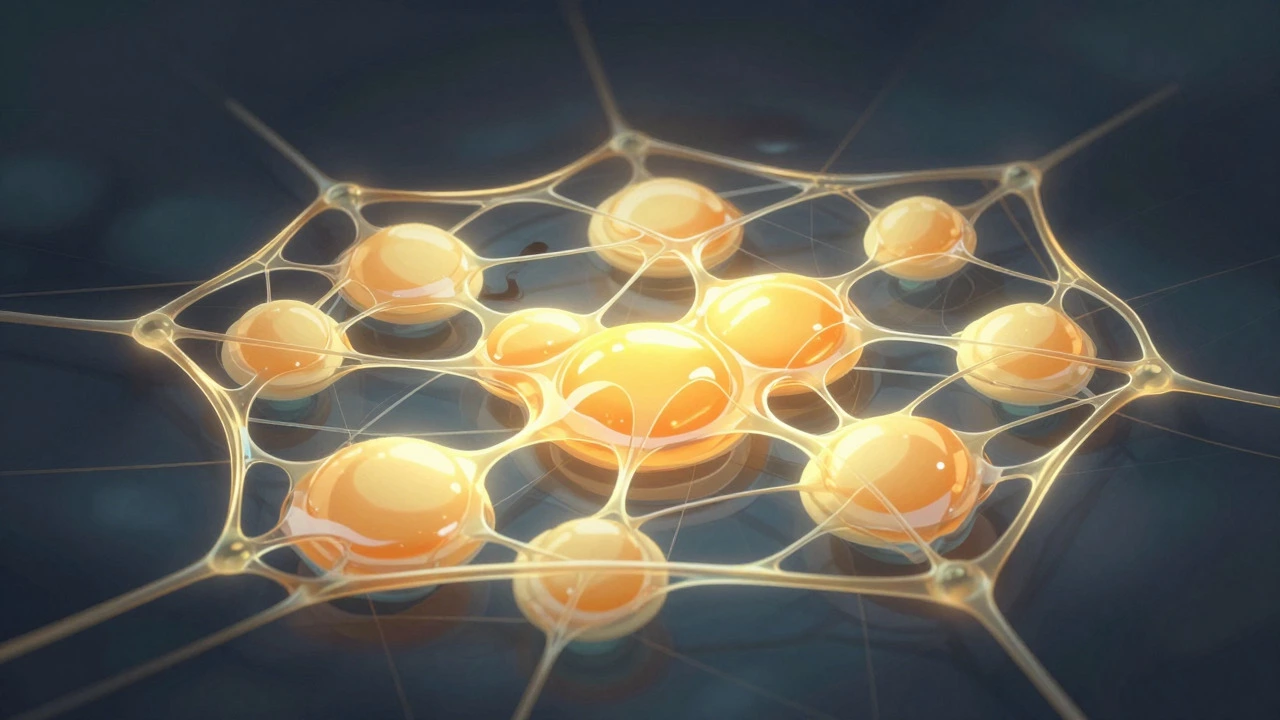
To understand why an extra egg matters, we need to look at what eggs actually do in a custard-based dessert like cheesecake is a rich, dense dessert made from cream cheese, sugar, and eggs that bakes into a smooth, creamy texture. Eggs contain proteins, specifically albumin in the whites and lipoproteins in the yolks. When these proteins are heated, they unfold and link together. This process is called coagulation. Think of it like building a net. The tighter the net, the firmer the structure.
In a standard New York-style cheesecake, the ratio of eggs to cream cheese is carefully calculated. Usually, you see about one large egg for every eight ounces of cream cheese. If you have a 32-ounce block of cream cheese (which is two pounds), the recipe likely calls for four eggs. If you add a fifth egg, you are increasing the protein content significantly. More protein means a tighter net. A tighter net traps less moisture and creates a denser final product. The result is a cheesecake that stands up taller and holds its shape more rigidly, but it might also feel heavier in the mouth.
There is also the issue of water content. Eggs are roughly 75% water. Adding an extra egg introduces more liquid into the batter. While this sounds like it would make the cake wetter, the opposite often happens during baking. The additional proteins bind with the starches and fats, locking that water in place within a very tight matrix. This can lead to a drier crumb if the cake is baked too long, because the structure becomes so firm that it squeezes out moisture rather than retaining it softly.
Changes in Texture: From Silky to Firm
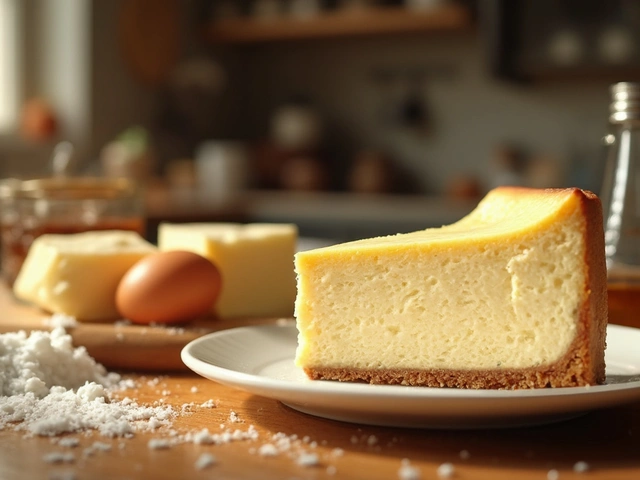
The most noticeable change you will experience is in the mouthfeel. A classic, well-made cheesecake should be incredibly smooth and almost melt-in-your-mouth soft. It should have a slight jiggle when you take it out of the oven, similar to a set pudding. When you add an extra egg, you push the texture away from "pudding-like" and closer to "firm custard."
- Density: The cake will be denser. Instead of being airy and light, it will feel substantial. Some people love this; others find it heavy. If you prefer a lighter, fluffier texture, an extra egg is working against you.
- Chewiness: There may be a slight increase in chewiness. This is not the elastic chew of bread, but a resistance when you bite into it. It indicates that the protein network has become too tight.
- Slicing Quality: On the bright side, a cheesecake with more eggs often slices cleaner. Because the structure is firmer, it is less likely to stick to the knife or collapse slightly as you cut through it. For those who struggle with messy edges, this can be a pro tip, though it comes at the cost of creaminess.
If you are aiming for that iconic, silky New York style, sticking to the recommended ratio is crucial. Deviating by even half an egg can shift the balance from luxurious to rubbery. However, if you are making a lighter, fluffier style of cheesecake, such as a Japanese cotton cheesecake or a soufflé-style version, the rules are different. Those recipes rely on whipped egg whites for lift, so the number of whole eggs matters less than the volume of air incorporated.
Flavor Shifts: Richness vs. Egginess
You might worry that adding another egg will make your dessert taste like scrambled eggs. Fortunately, in most cases, it will not. The strong flavor of the cream cheese, along with vanilla extract and lemon juice, usually masks the distinct taste of the egg. However, there is a subtle shift in richness.
Egg yolks contain fat and lecithin, which act as emulsifiers. They help blend the fat from the cream cheese with the sugar and other liquids, creating a smoother, glossier batter. An extra yolk can enhance this richness, giving the cake a deeper, more decadent flavor profile. If you are adding a whole extra egg, you are getting both the white (protein) and the yolk (fat). The added fat can make the cake taste richer, but the added protein can make it taste less creamy if overcooked.
Conversely, if you use an older recipe that calls for fewer eggs, you might find the flavor is brighter and more acidic because the cream cheese dominates. Modern palates often prefer the balanced, rounded flavor that comes from the proper egg-to-cheese ratio. So, while you might not taste "egg," you will definitely taste the difference in overall harmony. The cake might feel less sharp and more muted.
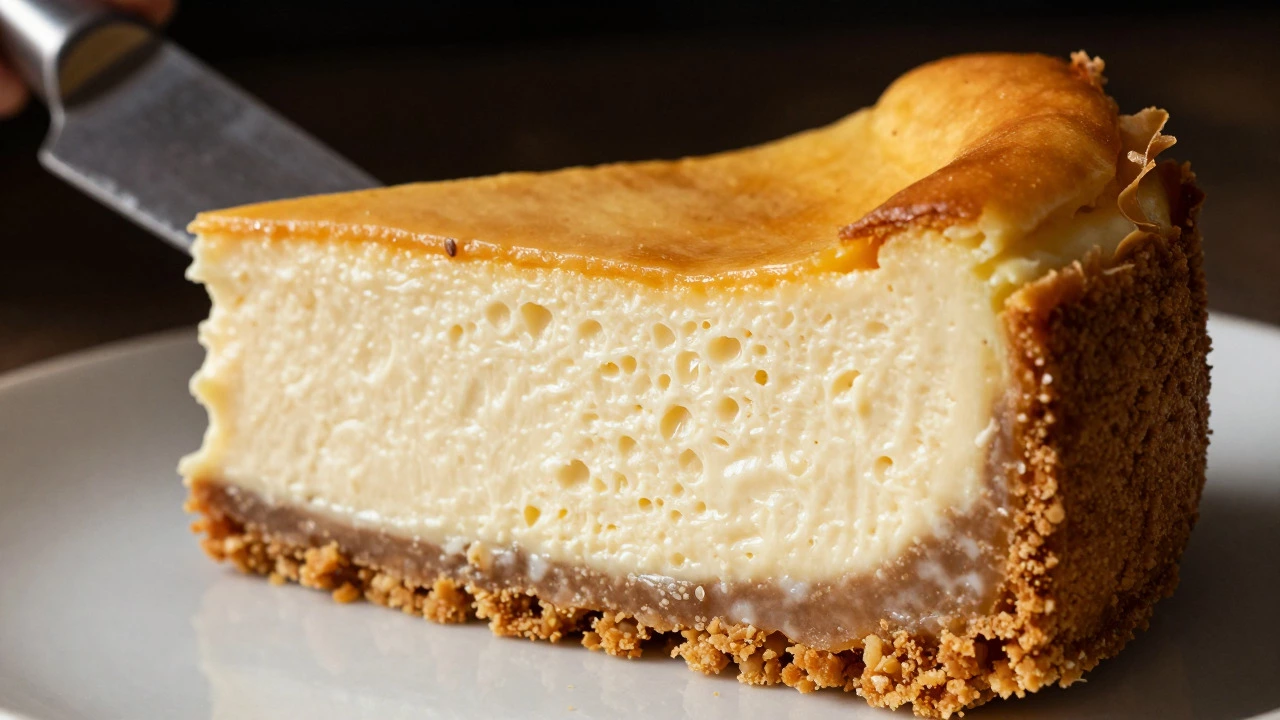
Risks of Over-Egging: Cracks and Shrinkage
One of the biggest fears for any baker is a cracked top. We all know that cracks happen when the cheesecake rises too quickly and then falls back down as it cools. Adding an extra egg increases the risk of this happening. Why? Because the extra protein causes the cake to rise more aggressively in the oven. As the proteins set, they expand. If the center is still liquid while the edges are set, the tension pulls the surface apart, creating a crack.
Shrinkage is another concern. A cheesecake should pull away slightly from the sides of the pan as it cools, but it should not shrink dramatically. Excess protein can cause the cake to contract more than usual. This happens because the tight protein network shrinks as it loses heat. If your cake shrinks too much, it can separate from the crust, leaving an ugly gap between the filling and the graham cracker base. This is purely aesthetic, but it makes for a less professional-looking slice.
To mitigate these risks, if you must add an extra egg, consider using a water bath. Baking the cheesecake in a pan surrounded by hot water slows down the cooking process. This gentle heat allows the proteins to set slowly and evenly, reducing the shock that leads to cracks. It also helps keep the texture moist, counteracting the drying effect of the extra protein.
| Characteristic | Standard Ratio (1 egg per 8oz cheese) | Extra Egg Added |
|---|---|---|
| Texture | Smooth, creamy, soft set | Firm, dense, potentially rubbery |
| Mouthfeel | Melts easily | Substantial, slight chew |
| Cracking Risk | Moderate | High (due to rapid rise) |
| Slicing | May stick slightly | Clean cuts, holds shape well |
| Flavor Profile | Balanced tang and sweetness | Richer, slightly muted acidity |
When Should You Add an Extra Egg?
So, is adding an extra egg always a bad idea? Not necessarily. There are specific scenarios where it might be beneficial. First, if you are using smaller eggs. Recipes generally assume large eggs. If you are in a region where medium or small eggs are the standard, you might need to add an extra one to achieve the same volume and protein content. Always weigh your eggs if precision is key. A large egg weighs about 50 grams without the shell.
Second, if you are making a larger batch. Sometimes, recipes are scaled up incorrectly. If you double the cream cheese but forget to double the eggs, the cake will be runny. In this case, adding the missing egg is not an experiment; it is a correction. Ensuring the ratio remains consistent is vital for structural integrity.
Third, personal preference plays a huge role. Some people simply dislike the jiggly, soft texture of traditional cheesecake. They prefer something that feels more like a firm mousse or a dense pudding. If you fall into this camp, experimenting with an extra egg could give you the satisfaction of a slice that stands tall and doesn't slump under its own weight. Just be prepared to bake it at a lower temperature for a longer time to prevent the exterior from drying out before the interior sets.
Troubleshooting Your Egg-Rich Cheesecake
If you have already baked your cheesecake with an extra egg and you are worried about the results, here are some tips to save the day. If the top has cracked, do not panic. Top it with a thick layer of fruit compote, whipped cream, or chocolate ganache. These toppings hide imperfections beautifully and add moisture back into the slice.
If the texture feels too dense or rubbery, try serving it slightly warmer. Room temperature cheesecake is always softer than cold cheesecake. Taking it out of the fridge 30 minutes before serving can help relax the protein structure just enough to improve the mouthfeel. Also, ensure your knife is hot and dry before slicing. A hot knife glides through dense textures much better than a cold one, preventing further compression and tearing.
For future batches, consider separating the eggs. Using only the yolks can add richness without the tightening effect of the whites. If you want the structure but not the density, you might whip the egg whites separately and fold them in gently. This incorporates air, counteracting the heaviness of the extra protein. This technique is commonly used in lighter, soufflé-style cheesecakes and can rescue a recipe that feels too heavy.
Conclusion on Ingredient Ratios
Baking is a science, but it is also an art. Understanding the role of each ingredient empowers you to make informed decisions. Adding an extra egg to your cheesecake will make it denser, firmer, and potentially richer, but it risks cracking and a rubbery texture. For most home bakers seeking that classic, creamy New York style, sticking to the tested ratio is the safest bet. However, if you crave a denser, more substantial slice, or if you are adjusting for egg size, that extra egg might be exactly what you need. Experiment carefully, observe the results, and adjust your technique accordingly. After all, the best recipe is the one that satisfies your palate.
Can I substitute an extra egg with egg whites only?
Yes, you can. Adding only egg whites will increase the protein structure without adding the fat from the yolk. This will make the cheesecake firmer and slightly less rich. It is a good option if you want a cleaner slice but want to avoid the heaviness of a whole extra egg.
How many eggs should I use for a 9-inch cheesecake?
For a standard 9-inch cheesecake using 32 ounces (two pounds) of cream cheese, you typically need 4 large eggs. This maintains the ideal ratio of one egg per 8 ounces of cheese for a creamy, stable texture.
Why did my cheesecake crack after adding an extra egg?
The extra protein caused the cake to rise too quickly and set too firmly, creating tension on the surface. To prevent this, use a water bath, bake at a lower temperature, and avoid opening the oven door during baking.
Does adding more eggs make cheesecake sweeter?
Not directly. Eggs are not sweet. However, they can mute the tanginess of the cream cheese, making the overall flavor profile seem sweeter by comparison. The primary driver of sweetness is still the amount of sugar in the recipe.
Can I fix a rubbery cheesecake?
You cannot undo the cooking process, but you can mask the texture. Serve it with a topping like fresh berries or sauce to add moisture and contrast. Also, serve it at room temperature rather than chilled to soften the protein structure slightly.
Popular Posts
Discover the Most Beautiful Cake Recipes
Feb, 22 2025