Billionaire Cake Cost & Complexity Estimator
Customize Your Project
Your Analysis
Enter your details to see the breakdown.
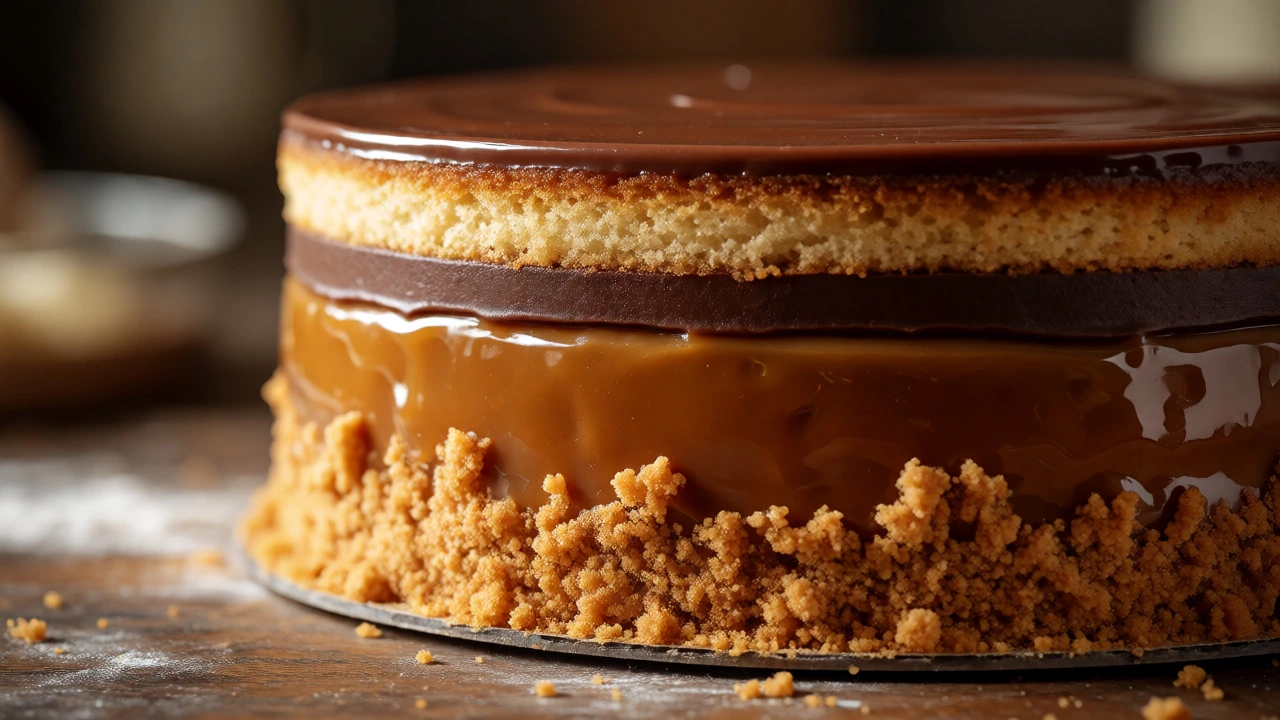
You’ve probably heard the term thrown around at dinner parties or seen it on Instagram: billionaire cake is a lavish, multi-layered dessert that takes the classic millionaire’s shortbread and elevates it into a towering celebration of chocolate, caramel, and biscuit. But what actually makes it worth the hype? Is it just extra sugar, or is there real culinary logic behind this indulgence?
If you’re confused about whether this is a specific brand product or a homemade creation, you’re not alone. Most people assume it’s some high-end bakery exclusive from London or New York. In reality, it’s often a home-baker’s ambitious project-a way to turn a simple tea-time snack into a showstopper. Let’s break down exactly what goes into one, why it’s called "billionaire" (hint: it’s not about net worth), and how you can make it without needing a professional kitchen.
The Anatomy of a Billionaire Cake
To understand the billionaire cake, you first need to respect its ancestor: millionaire’s shortbread. Traditional millionaire’s shortbread is a no-bake bar consisting of three layers: a buttery biscuit base, a thick layer of soft caramel, and a topping of milk chocolate. It’s dense, rich, and beloved across the UK and Australia.
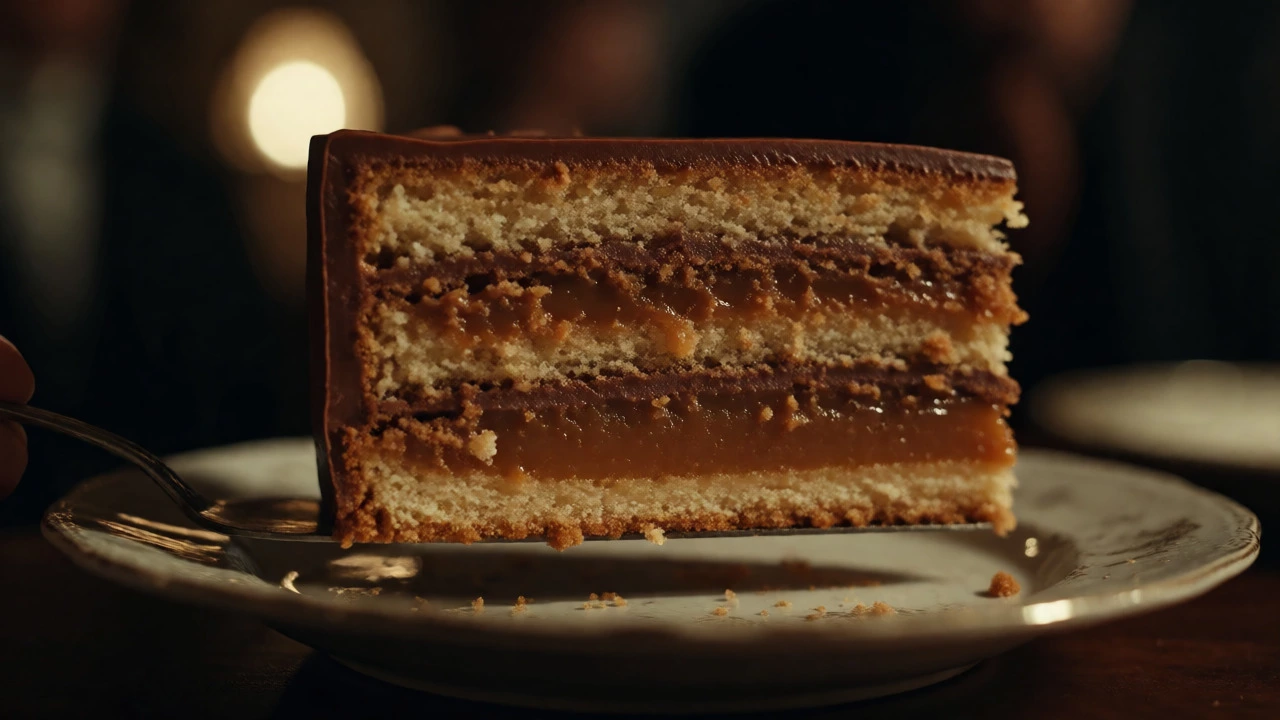
A billionaire cake takes those same components but scales them up dramatically. Instead of flat bars, you get vertical height. The structure usually involves multiple layers of sponge or biscuit, separated by generous amounts of salted caramel and chocolate ganache. Some versions even incorporate layers of praline or hazelnut spread for added complexity.
Why the name change? It’s purely marketing flair. Since "millionaire’s" was already taken, bakers needed a hyperbole to signal that this version was richer, taller, and more decadent. Think of it like upgrading from economy class to first class-you’re getting the same destination, but with significantly more legroom and champagne.
Key Ingredients That Define the Flavor Profile
The magic isn’t in exotic ingredients; it’s in the ratios. If you try to skimp on butter or use low-quality chocolate, the whole thing falls apart-literally and figuratively.
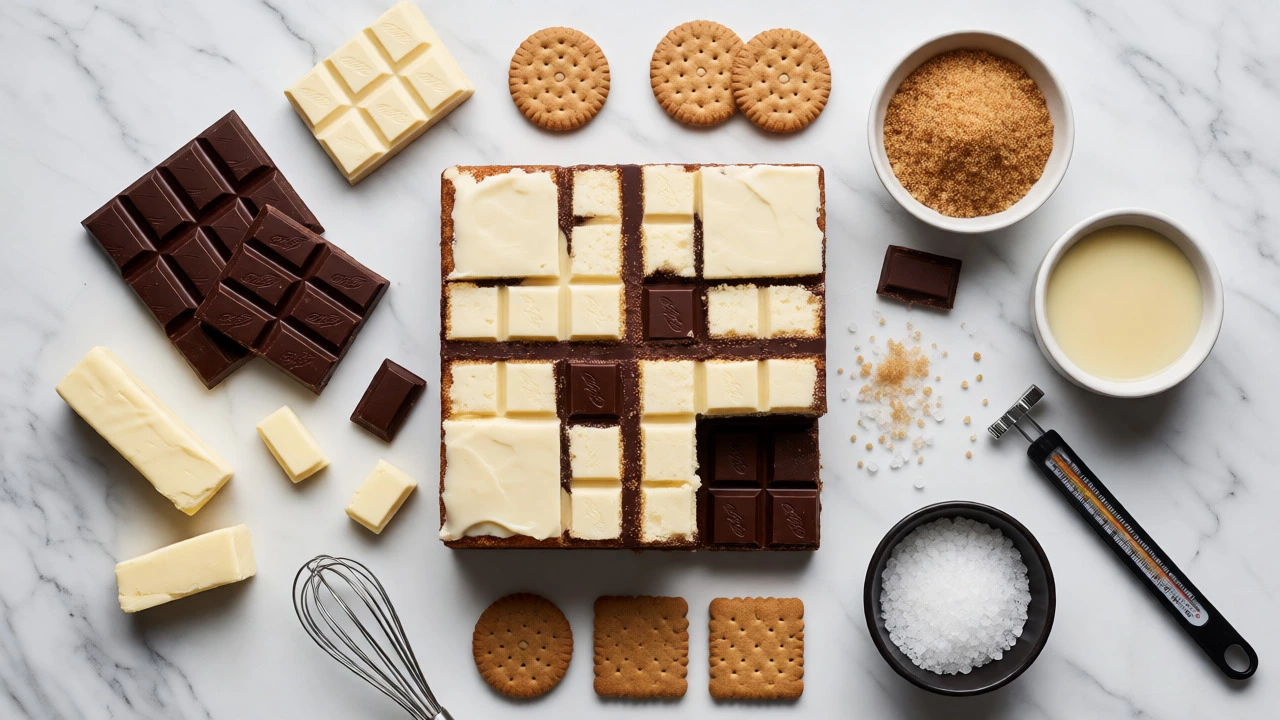
- The Base: Unlike standard sponge cakes, a billionaire cake often relies on a crushed biscuit base made from digestive biscuits or graham crackers mixed with melted butter. This provides structural integrity. Without it, the weight of the caramel and chocolate would cause the cake to collapse under its own glory.
- The Caramel Layer: This is where amateurs fail. You need soft caramel made from condensed milk, brown sugar, and butter. It needs to be cooked to the "firm ball" stage (around 118°C/245°F) so it holds its shape when sliced but melts in your mouth. Adding sea salt here transforms it from sweet to addictive.
- The Chocolate Top: Milk chocolate is traditional, but dark chocolate (70% cocoa) cuts through the sweetness. The key attribute here is tempering-or at least ensuring the chocolate sets firmly. If it’s too warm, it’ll slide off the cake when you cut it.
Some modern variations introduce a fourth element: chocolate mousse or whipped cream between the layers. This lightens the texture, making the massive calorie count feel less heavy. But purists argue that diluting the density ruins the point.
Billionaire Cake vs. Millionaire’s Shortbread: What’s the Difference?
It’s easy to mix these two up, especially if you’re ordering from a menu. Here’s a quick breakdown to help you decide which one suits your occasion.
| Feature | Millionaire’s Shortbread | Billionaire Cake |
|---|---|---|
| Structure | Flat, rectangular bars | Tall, layered round or square cake |
| Preparation | No-bake (mostly) | Often requires baking sponges + assembly |
| Portion Size | Small, snack-sized squares | Large slices, served as a main dessert |
| Complexity | Low - beginner friendly | Medium - requires cooling time and precision |
| Best For | Picnics, lunchboxes, casual coffee | Birthdays, celebrations, dinner parties |
Notice the preparation difference? Millionaire’s shortbread is forgiving. You press the base, pour the caramel, chill it, top it, and done. A billionaire cake demands patience. Each layer must set completely before adding the next, or you’ll end up with a muddy swirl instead of distinct strata.
Step-by-Step Assembly Guide
Making a billionaire cake at home is entirely possible if you follow a strict timeline. Rushing the cooling process is the number one mistake I see.
- Prepare the Biscuit Base: Crush 200g of digestives and mix with 100g of melted butter. Press firmly into a lined 20cm springform tin. Chill for 30 minutes.
- Cook the Caramel: Combine 400g condensed milk, 100g brown sugar, and 50g butter in a saucepan. Stir constantly over medium heat until it reaches 118°C. Pour over the chilled base and smooth the top. Refrigerate for at least 2 hours until firm.
- Bake the Sponge Layers (Optional): If you want a true "cake," bake two thin vanilla sponges. Let them cool completely. Brush them with apricot jam to keep them moist.
- Layering: Place one sponge on top of the set caramel. Spread a thin layer of chocolate ganache. Add the second sponge. Repeat if you have more layers.
- Final Topping: Melt 200g of good quality chocolate. Pour over the top and let it set in the fridge for another hour.
Pro tip: Use a hot knife to slice through the layers. Dip the blade in boiling water and wipe it dry before each cut. This ensures clean edges rather than crumbly messes.
Common Pitfalls and How to Avoid Them
Even experienced bakers struggle with this dessert because of the physics involved. Gravity is your enemy here.
Soggy Bottoms: If your biscuit base gets wet, it’s likely because the caramel was too hot when poured. Always test a drop of caramel on a cold plate-if it doesn’t set immediately, wait longer. Alternatively, brush the base with a little melted chocolate before pouring the caramel. This creates a moisture barrier.
Cracking Chocolate: If your top layer cracks when you cut it, the chocolate was too thick or didn’t adhere properly. Ensure the layer beneath is slightly tacky, or add a teaspoon of coconut oil to the melted chocolate to improve flow and flexibility.
Structural Collapse: If the cake leans to one side, your layers weren’t level. Use a cake leveler or a serrated knife to trim the tops of your sponges flat before stacking. Uneven pressure causes the softer caramel to squeeze out unevenly.
Variations and Dietary Adjustments
Not everyone wants pure sugar overload. Fortunately, the billionaire cake format is adaptable.
For gluten-free diets, swap the digestive biscuits for gluten-free oat biscuits or almond flour cookies. The rest of the recipe remains unchanged since the caramel and chocolate are naturally gluten-free.
If you prefer a lighter taste, substitute half the milk chocolate with white chocolate infused with raspberry coulis. The tartness of the fruit cuts through the richness of the caramel, creating a more balanced profile. This variation is particularly popular in summer months when heavy desserts feel overwhelming.
Vegan versions exist too, though they require careful ingredient sourcing. Use plant-based butter, coconut milk-based condensed milk alternatives, and vegan dark chocolate. Note that vegan caramel often has a lower setting temperature, so you may need to extend the chilling time by an additional hour.
Where to Buy vs. Where to Bake
Should you attempt this yourself or buy it ready-made? In Brighton, where I live, several independent bakeries offer pre-sliced billionaire cake wedges. They typically cost between £4 and £6 per slice. Given the ingredient costs (premium chocolate, real butter, long cooking times), this price is fair.
However, buying means you lose control over sweetness levels. Commercial versions often rely on glucose syrup to stabilize the caramel, giving it a chewier, less natural texture. Homemade allows you to adjust the salt-to-sugar ratio to your preference. If you’re hosting a group of six or more, baking is also significantly cheaper-total ingredient cost for a large cake is rarely over £10.
Frequently Asked Questions
Is billionaire cake the same as millionaire’s shortbread?
No, they are related but distinct. Millionaire’s shortbread is typically a flat, no-bake bar with three layers. A billionaire cake is a taller, multi-layered dessert that often includes baked sponge elements and more complex assembly, designed to be served as a slice rather than a small square.
Why is it called a billionaire cake?
The name is a playful exaggeration. Since "millionaire’s shortbread" was already established, bakers used "billionaire" to imply that this version was richer, larger, and more luxurious than its predecessor. It signals higher indulgence, not actual monetary value.
Can I make billionaire cake ahead of time?
Yes, it actually improves with age. You can assemble it up to 3 days in advance. Keep it refrigerated in an airtight container to prevent the chocolate from absorbing fridge odors. Bring it to room temperature for 20 minutes before serving for the best texture.
How do I stop the caramel from being too sticky?
Ensure you cook the caramel to the correct temperature (118°C/245°F). If it’s too sticky, it wasn’t cooked long enough. Using a candy thermometer is the most reliable method. Also, ensure the biscuit base is fully chilled before pouring the caramel to prevent melting.
Is billionaire cake suitable for vegetarians?
Generally, yes. Standard recipes use dairy and eggs, which are vegetarian-friendly. However, check your chocolate source, as some brands use whey powder or other animal-derived additives. Vegan versions are available using plant-based substitutes.
Popular Posts
Homemade vs Box Cake: Which Actually Tastes Better?
Jul, 12 2026
Michigan’s Famous Cake: Discover the Delight
Mar, 11 2025