America's Favorite Cake Finder
Discover why Chocolate Cake dominates the US market, or see how other favorites stack up against it.
Select a flavor above to view popularity stats and facts.
National Popularity Index
Relative Market Share (Est.)
Note: Data derived from grocery chain sales reports and search trend analysis mentioned in the article.
You walk into any bakery in Ohio or scroll through a Pinterest feed in California, and you see it everywhere. It’s not red velvet. It’s not lemon drizzle. It’s Chocolate Cake. While regional pride might argue for Texas Sheet Cake in the South or Key Lime Pie (technically a pie, but often grouped with cakes) in Florida, the data consistently points to one clear winner when you ask Americans what their favorite cake is.
But why does this simple combination of cocoa powder, flour, sugar, and butter hold such a massive title? Is it nostalgia? Accessibility? Or just pure, unadulterated taste? We dug into sales data from major grocery chains, search trend histories, and industry reports to figure out exactly what makes America’s number one cake so dominant-and whether your local bakery agrees.
The Undisputed Champion: Why Chocolate Wins
If you look at sales figures from companies like Kroger, one of the largest supermarket chains in the United States, or search volume on platforms like Google Trends over the last decade, chocolate cake remains the top choice by a significant margin. In many surveys conducted by food industry groups, nearly 40% of Americans cite chocolate as their go-to flavor for celebrations.
This isn’t just about kids wanting sweet treats. Adults choose it too. There is something psychologically comforting about dark, rich cocoa. Unlike fruit-based cakes that can be seasonal or delicate, chocolate cake feels substantial. It survives transport well, freezes without losing texture, and pairs with almost any frosting. Whether it’s a dense fudge layer or a light sponge, the versatility keeps it at the top of the list.
Consider the economics. Cocoa powder is shelf-stable and relatively inexpensive compared to fresh berries or exotic extracts. This makes chocolate cake the default option for home bakers who want a guaranteed crowd-pleaser without breaking the bank or risking a failed experiment.
Regional Rivals That Come Close
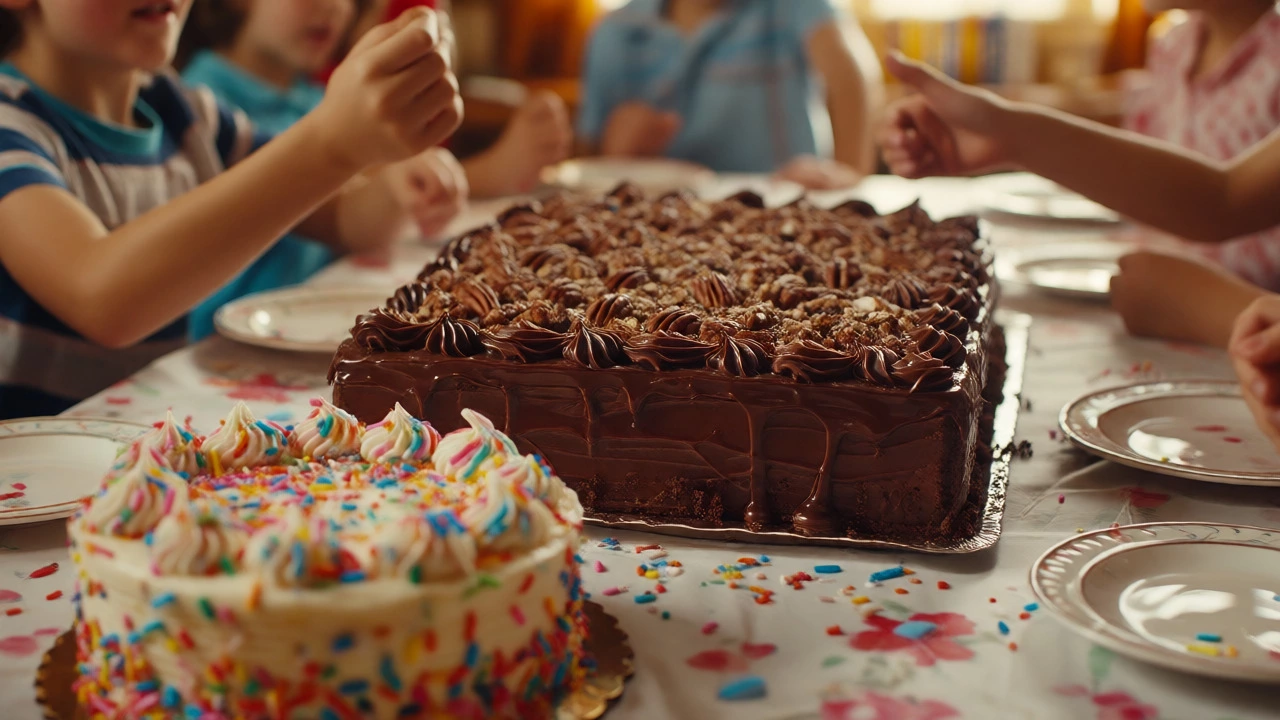
While chocolate takes the national crown, don’t dismiss the regional heavyweights. If you’re in the Midwest, you might hear loud praise for Funfetti Cake. Often called "birthday cake" generically, this vanilla-based sponge filled with rainbow sprinkles dominates children’s parties across states like Illinois and Wisconsin. It’s visually festive and tastes distinctly nostalgic, reminding parents of their own childhoods.
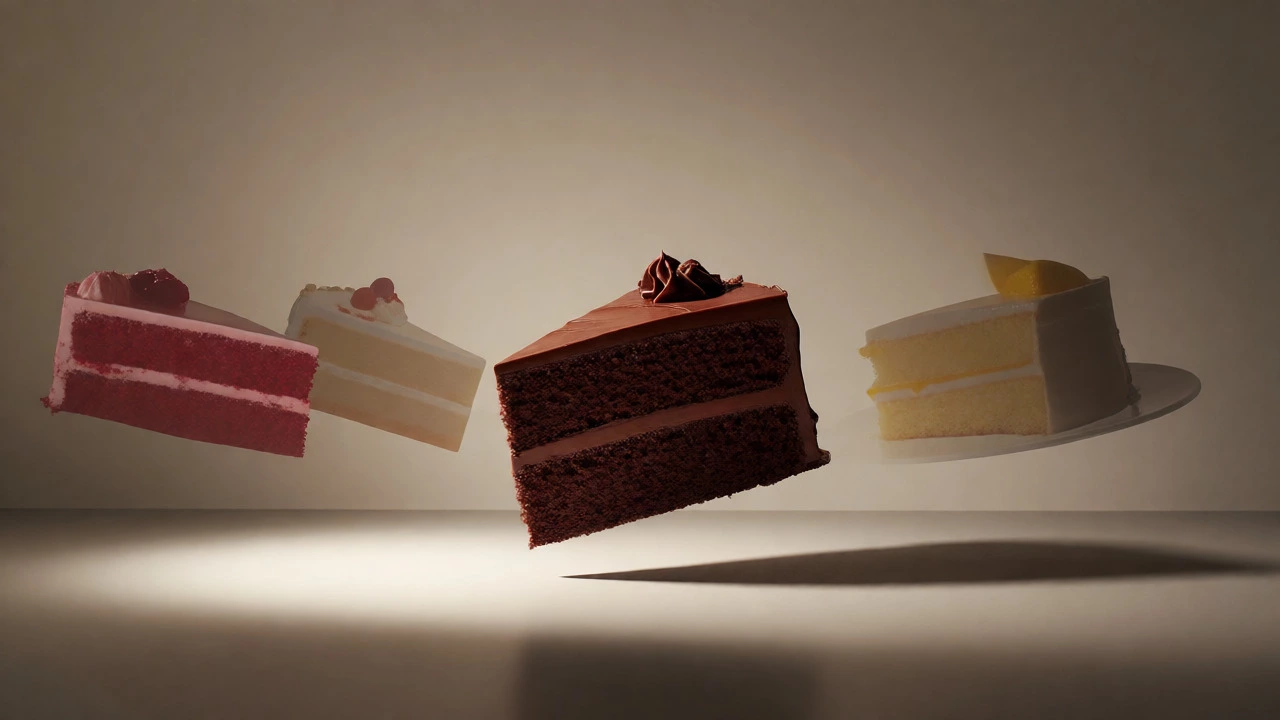
| Cake Type | Primary Appeal | Common Occasion | National Popularity Rank |
|---|---|---|---|
| Chocolate | Rich flavor, universal appeal | Any celebration, holidays | #1 |
| Vanilla/Funfetti | Nostalgia, visual appeal | Children's birthdays | #2 |
| Red Velvet | Aesthetic, tangy cream cheese pairing | Valentine's Day, weddings | #3 |
| Lemon | Freshness, lighter profile | Spring gatherings, showers | #4 |
| Texas Sheet Cake | Ease of preparation, large batches | Potlucks, church events | #5 |
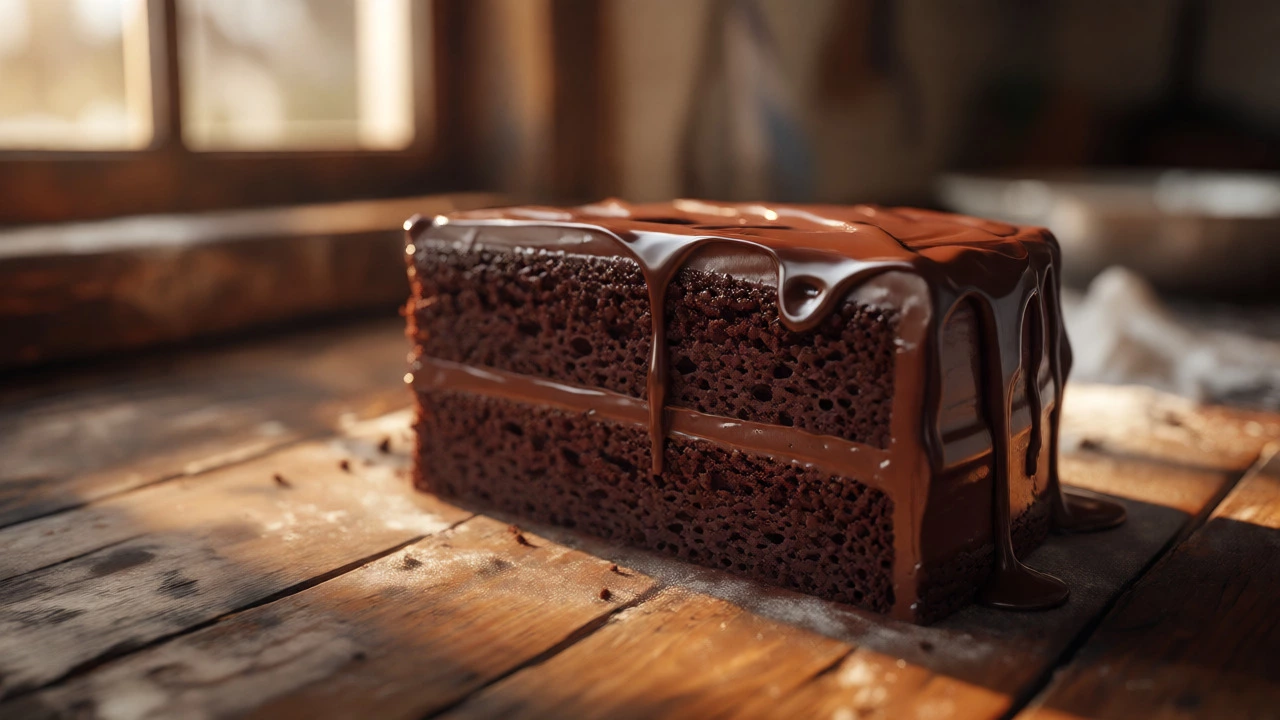
In the South, Texas Sheet Cake holds a special place. Unlike the layered tortes found in cities, this is a single-layer cake baked in a sheet pan, topped with warm chocolate icing and pecans. It’s practical. You make one pan, feed twenty people, and clean up two bowls. For community events where convenience matters more than elegance, it often outsells fancy tiered cakes.
Then there’s Red Velvet. Despite debates about whether it’s truly chocolate (it has less cocoa than standard chocolate cake), its bright red color makes it a social media star. Sales spike massively around Valentine’s Day and Christmas, pushing it into third place nationally. But outside those holidays? It fades behind the steady demand for plain old chocolate.
Search Trends vs. Actual Purchases
Here’s where things get interesting. Search queries for "best cake recipe" often highlight novelty flavors-matcha, ube, or salted caramel. People love to experiment online. But when they actually buy or bake, they revert to the classics.
Data from baking supply retailers shows that while searches for unique ingredients rise, bulk purchases of cocoa powder and vanilla extract remain constant year-round. This disconnect suggests that while we dream about trying new flavors, our actual consumption habits are conservative. We stick to what we know works.
For example, if you look at holiday spikes, Thanksgiving sees a surge in pumpkin spice cakes, but these are niche. They don’t dethrone chocolate. Even during summer, when lemon or berry cakes seem logical due to freshness, chocolate still commands a larger share of total dessert orders because it doesn’t rely on perishable fruit quality.
The Role of Nostalgia and Marketing
Why do we keep coming back to chocolate? Part of it is marketing history. Since the early 20th century, brands like Hershey’s and Betty Crocker have positioned chocolate cake as the ultimate comfort food. School lunches, family dinners, and holiday feasts all featured it. This created a deep neural pathway linking chocolate cake with safety and happiness.
Think about your earliest memories of a party. Was it a complex mousse? Probably not. It was likely a boxed mix or a homemade chocolate slab. That emotional anchor is powerful. When adults plan weddings or graduations, they often subconsciously choose flavors that evoke positive past experiences rather than taking risks on unfamiliar tastes.
Furthermore, chocolate masks imperfections. If your oven runs hot or your mixing technique is shaky, a dense chocolate cake forgives errors better than a delicate angel food cake. This reliability reinforces its status as the "safe" choice for amateur bakers.
How to Make the Best Version of America’s #1 Cake
Just because it’s popular doesn’t mean every chocolate cake is good. Many Americans settle for dry, crumbly versions from cheap mixes. To truly honor the title of "number one," you need to elevate it. Here is how professionals adjust the standard formula:
- Use Hot Coffee: Replace some of the water in your batter with hot brewed coffee. You won’t taste coffee; it intensifies the cocoa flavor.
- Add Sour Cream or Buttermilk: These acids tenderize the gluten strands, resulting in a moister crumb that stays soft for days.
- Don’t Overmix: Once you add flour, stop mixing as soon as it disappears. Overworking develops gluten, turning your cake tough.
- Bloom Your Cocoa: Mix your cocoa powder with boiling water or oil before adding other wet ingredients. This releases flavor compounds that raw cocoa hides.
These small tweaks transform a generic box mix into something bakery-worthy. It explains why, despite being the most common cake, it’s also the one most frequently reinvented in kitchens across the country.
Future Trends: Will Anything Dethrone Chocolate?
As health consciousness rises, some predict a shift toward alternative flours like almond or coconut, or lower-sugar options. However, historical data suggests resistance to change in dessert preferences. During the low-carb craze of the 2000s, cake sales dipped slightly but recovered quickly once diets relaxed.
Veganism is another factor. Plant-based chocolate cakes using aquafaba (chickpea brine) instead of eggs are gaining traction. Yet, even within vegan circles, chocolate remains the preferred base. It seems the specific ingredient changes, but the core desire for rich, cocoa-heavy satisfaction stays constant.
Unless a completely new flavor profile captures the cultural zeitgeist in a way chocolate hasn’t been able to compete with, expect America’s number one cake to stay right where it is for years to come.
Is Red Velvet really a chocolate cake?
Technically, yes, but barely. Red Velvet contains cocoa powder, but usually in smaller amounts than traditional chocolate cake. Its distinct flavor comes from the reaction between cocoa, acidic ingredients like vinegar or buttermilk, and sometimes food coloring. Most chefs classify it as a separate category due to its unique texture and tanginess, though it shares the same foundational elements.
Why is Funfetti cake so popular for birthdays?
Funfetti appeals to nostalgia and visual excitement. The rainbow sprinkles create a sense of celebration immediately upon cutting the cake. Psychologically, the bright colors trigger associations with joy and childhood parties. Additionally, the vanilla base provides a neutral canvas that complements various frostings, making it versatile for different party themes.
Do Americans prefer store-bought or homemade chocolate cake?
Surveys indicate a split preference depending on the occasion. For casual weeknight desserts, store-bought or boxed mixes dominate due to convenience. However, for significant milestones like weddings, anniversaries, or milestone birthdays, homemade or artisanal bakery cakes are strongly preferred. Consumers perceive homemade cakes as higher quality and more personal, especially when made from scratch using premium ingredients.
What is the most popular cake flavor in other countries?
Global preferences vary significantly. In France, Opera Cake and Mille-feuille are iconic. Japan favors shortcake with fresh strawberries and whipped cream. Germany is known for Black Forest Cake (Schwarzwälder Kirschtorte). While chocolate appears globally, the accompanying flavors and textures differ greatly based on local agricultural products and culinary traditions.
Can I make chocolate cake healthier without losing popularity?
Yes, by substituting ingredients. Using applesauce or mashed bananas reduces fat content. Swapping half the flour for almond flour adds protein and healthy fats. Dark chocolate instead of milk chocolate increases antioxidant levels. While purists might notice a texture difference, these modifications allow chocolate cake to fit into modern dietary needs while retaining its beloved flavor profile.
Popular Posts
Are Bagels Vegan? What to Look for on the Label
Apr, 26 2026
Discovering the Best Cheese for Perfect Tiramisu
Jan, 7 2025