
Global Cake Matchmaker
Not sure which cake to try next? Answer three quick questions about your taste preferences, and we'll recommend a world-famous cake that suits your palate.
Why It Fits You
Key Flavor Notes
Baking Tip
Ask ten people what the best cake in the world is, and you’ll get eleven arguments. It’s a question that sparks fierce loyalty, whether you’re standing in a queue for a slice of Sachertorte in Vienna or biting into a sticky toffee pudding in a rainy English pub. There is no single scientific answer, but there are heavyweights that consistently top global polls, chef rankings, and cultural debates. If you want to know which dessert deserves the crown, we need to look at texture, flavor complexity, historical impact, and how well it holds up under scrutiny.
The Contenders for the Crown
When food critics and historians compile lists of the greatest cakes ever made, a few names appear with suspicious regularity. These aren’t just tasty; they represent specific culinary breakthroughs or perfect executions of technique. The debate usually narrows down to three main categories: the rich and dense, the light and airy, and the culturally iconic.
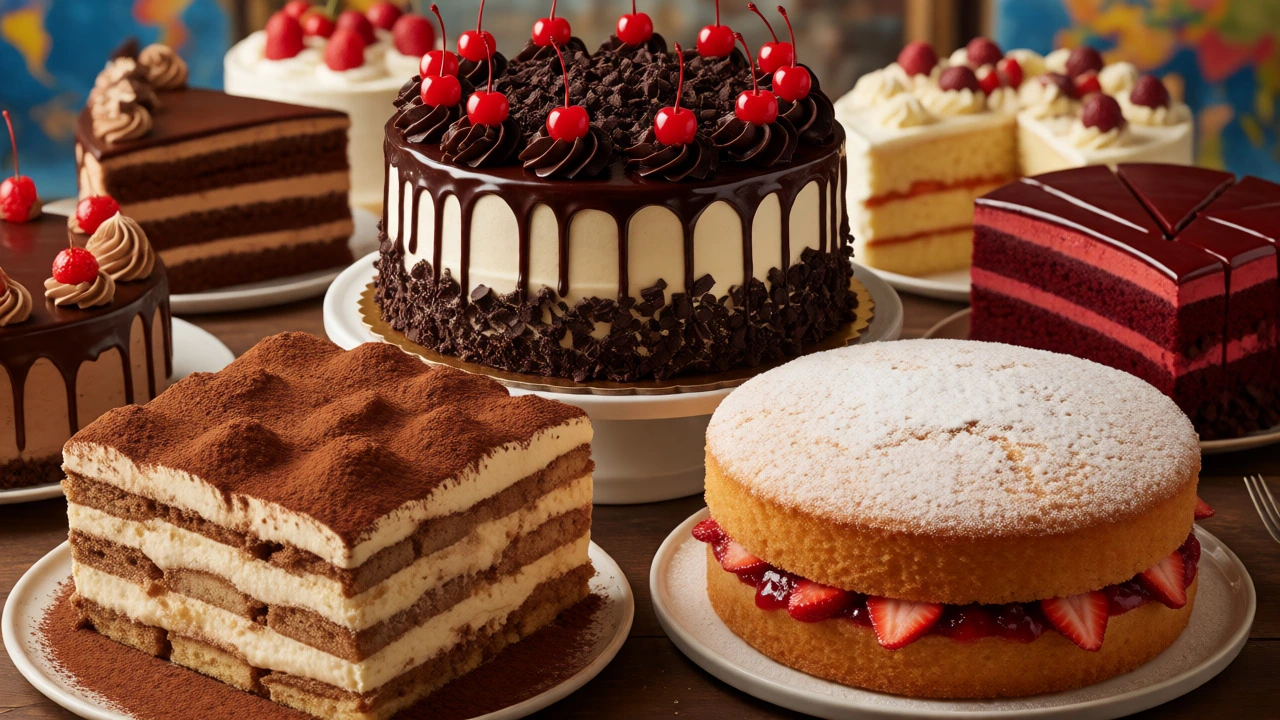
First, there’s the Black Forest Gateau from Germany. This isn’t your average chocolate sponge with cherries on top. Authentic Schwarzwälder Kirschtorte uses kirsch (cherry brandy) soaked into layers of dark chocolate sponge, whipped cream, and sour cherries. The alcohol cuts through the fat of the cream, creating a balance that feels sophisticated rather than cloying. It’s a structural marvel-tall, stable, and visually striking.
Then you have the Tiramisu. While technically a no-bake dessert, many classify it as a cake due to its layered structure using ladyfingers (savoiardi). Originating in Italy, likely in the Veneto region, it relies on espresso-soaked biscuits and mascarpone cheese. Its popularity exploded globally because it requires no oven skill yet delivers intense flavor. The contrast between the bitter coffee, the creamy cheese, and the dusting of cocoa powder hits every taste receptor at once.
And finally, the Victoria Sponge. You might think this is too simple to compete, but don’t be fooled. Created during Queen Victoria’s reign, this cake is about precision. Two golden sponges sandwiched with strawberry jam and clotted cream. If the sponge is dry or the jam is too runny, the whole thing collapses. When done right, it’s ethereal. It represents the pinnacle of British baking simplicity.
Why Texture Matters More Than Flavor
You might argue that flavor is king, but texture is the queen who rules the court. A cake can taste like heaven, but if it crumbles into sawdust in your mouth, you won’t finish the slice. The best cakes on earth master the interplay between moistness and structure.
Take the Red Velvet, for example. Often misunderstood as just "pink chocolate," true red velvet gets its color from a reaction between cocoa powder, buttermilk, and vinegar. The acid tenderizes the gluten, resulting in a crumb that is incredibly soft and slightly tangy. This acidity balances the sweetness of the cream cheese frosting, which is essential because cream cheese alone can feel heavy. Without that textural and flavor counterbalance, Red Velvet is just sugar overload.
Compare this to a traditional Pound Cake. The name comes from the original recipe: one pound each of butter, sugar, flour, and eggs. It’s dense, buttery, and substantial. It doesn’t rely on leavening agents beyond air beaten into the butter. This density makes it perfect for soaking up syrups or pairing with strong flavors like lemon zest or almond extract. It’s not fluffy, but it’s satisfying in a way that light cakes aren’t.
| Cake Name | Origin | Key Texture Profile | Primary Flavor Note |
|---|---|---|---|
| Black Forest Gateau | Germany | Dense sponge, airy cream | Cherry & Chocolate |
| Tiramisu | Italy | Soft biscuit, creamy mousse | Coffee & Mascarpone |
| Victoria Sponge | UK | Light, fluffy, delicate | Butter & Strawberry |
| Red Velvet | USA | Velvety, tender crumb | Cocoa & Cream Cheese |
| Sachertorte | Austria | Firm, apricot-glazed | Dark Chocolate & Apricot |
The Cultural Weight of Sweet Treats
Food isn’t eaten in a vacuum. The "best" cake often depends on where you grew up and what comfort means to you. In France, the Paris-Brest is legendary. It’s a choux pastry ring filled with praline mousseline cream. It was created in 1910 to commemorate a bicycle race from Paris to Brest. The shape mimics a wheel. It’s complex, requiring precise choux technique, but the payoff is a nutty, caramelized crunch followed by silky smooth filling. It’s a celebration of French patisserie skill.
In Japan, Castella holds a special place. Introduced by Portuguese traders in the 16th century, this sponge cake has become uniquely Japanese. It’s denser than Western sponges, with a fine, tight crumb and a honey-like sweetness. It’s often served with green tea, whose bitterness complements the cake’s mild flavor. This cross-cultural adaptation shows how a "foreign" cake can become a national treasure over centuries.
Meanwhile, in Latin America, Tres Leches cake dominates celebrations. Three types of milk-evaporated, condensed, and heavy cream-are poured over a baked sponge until it’s nearly saturated. It sounds risky, but the result is a cake that melts in your mouth without being soggy. It’s a testament to the idea that moisture equals joy. For many, nothing beats the shock of cold, milky sweetness against a warm afternoon.
How to Choose Your Personal Winner
So, who wins? Since I can’t eat cake for you, here’s a quick guide to help you decide which one deserves your next slice.
- If you love richness: Go for Sachertorte or Devil’s Food Cake. These are heavy hitters. They satisfy deep chocolate cravings and pair perfectly with black coffee or red wine.
- If you prefer lightness: Stick with Angel Food Cake or Chiffon Cake. Angel Food uses only egg whites, making it airy and low-fat. Chiffon adds oil and yolks for moisture while keeping the lift. Both are great for summer parties.
- If you want nostalgia: Try Lamingtons from Australia. Chocolate-coated sponge squares rolled in desiccated coconut. Simple, messy, and deeply comforting.
- If you enjoy complexity: Pick Opera Cake. Layers of almond joconde sponge, coffee syrup, ganache, and buttercream. It’s intricate and visually stunning, with distinct layers of flavor in every bite.
Notice how these choices depend entirely on your mood. One day you might crave the sharp tang of lemon in a Lemon Drizzle Cake; another day, you need the decadence of Tiramisu. That variability is what keeps us eating cake forever.
The Science Behind the Perfect Slice
What makes a cake "good" from a chemical perspective? It’s mostly about emulsification and protein structure. Butter traps air when creamed with sugar, creating bubbles that expand during baking. Eggs provide structure through coagulation. Flour provides the framework via gluten. Sugar tenderizes by interfering with gluten formation and retaining moisture.
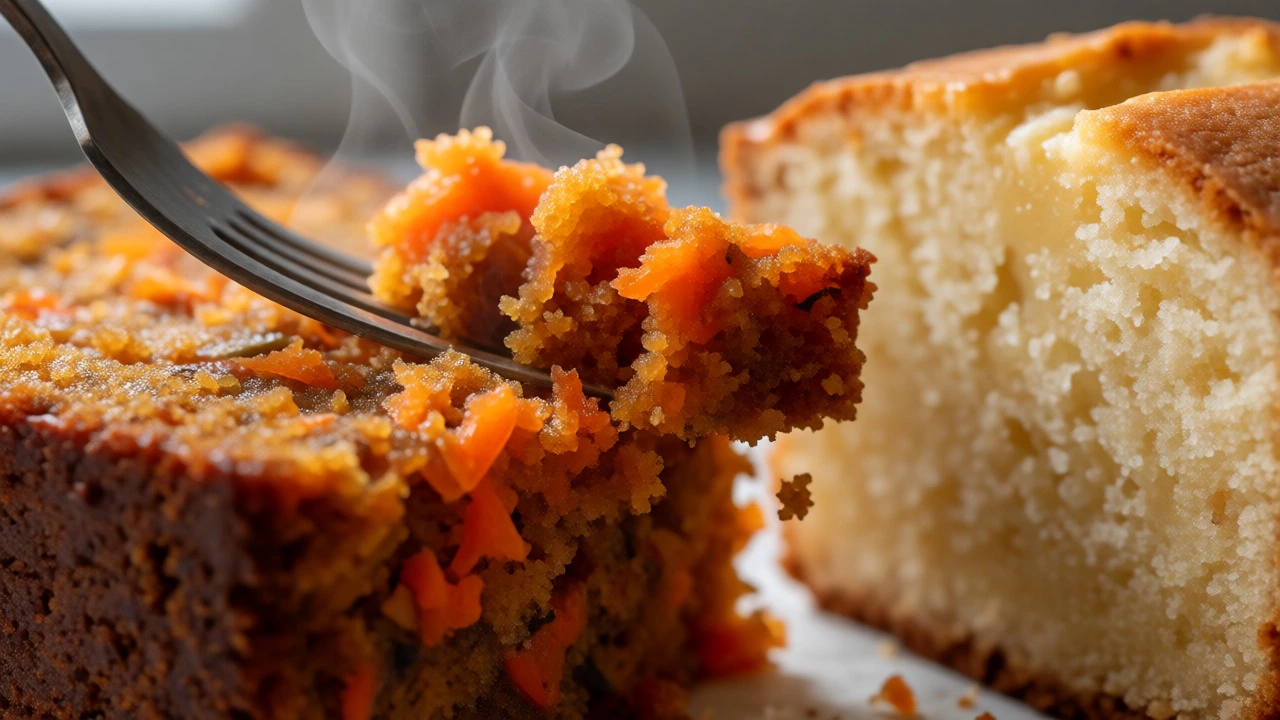
The best bakers understand these interactions intuitively. For instance, why does Carrot Cake stay so moist? Because grated carrots release water slowly during baking, keeping the crumb hydrated long after other cakes would dry out. Plus, the spices-cinnamon, nutmeg, ginger-add aromatic compounds that trick our brains into perceiving more flavor intensity than actually exists.
Another factor is temperature. Serving temperature changes everything. A cold Cheesecake tastes different than a room-temperature one. Cold suppresses sweetness and aroma; warmth releases them. That’s why many chefs recommend serving dense cakes like Banana Bread or Zucchini Loaf slightly warm. The fats melt, releasing volatile aromatics that hit your nose before you even take a bite.
Common Mistakes That Ruin Great Cakes
Even the best recipes fail if executed poorly. Here are the most common pitfalls I see home bakers make:
- Overmixing the batter: Once you add flour, mix gently. Overworking develops gluten, turning a tender sponge into rubber.
- Cold ingredients: Unless specified (like pie crusts), use room-temperature butter and eggs. They emulsify better, trapping more air.
- Opening the oven door early: Sudden temperature drops cause cakes to sink in the middle. Wait until the minimum bake time passes.
- Icing a warm cake: Frosting melts off warm cakes. Let it cool completely on a wire rack. Patience pays off in presentation.
Avoiding these errors elevates any recipe. A mediocre recipe baked correctly will always beat a gourmet recipe baked badly.
Final Verdict: Is There Really a Best?
Is there an objective best cake? No. But there are objectively superior examples within their genres. If you judge by technical difficulty and refinement, the Opera Cake or Mille-feuille (though a pastry) take the lead. If you judge by universal appeal and ease of enjoyment, Chocolate Chip Cookie Bars or Brownies might win, though they blur the line between cake and cookie.
Personally, living in Brighton, I’m biased toward the seaside classics. A proper Bakewell Tart or a slice of Victoria Sponge with fresh cream remains unbeatable on a grey Sunday afternoon. But ask me again after a trip to Tokyo, and I might say Matcha Roll Cake. Ask me after Christmas, and it’s Pavlova (technically a meringue-based dessert, but close enough).
The beauty of cake is its diversity. It adapts to local ingredients, climate, and tradition. So instead of searching for one winner, try expanding your palate. Order something unfamiliar next time you’re at a bakery. You might find your new favorite hiding in plain sight.
Which country is known for having the best cakes?
There is no single country, but Austria, France, and Italy are frequently cited for their high standards in patisserie. Austria is famous for Sachertorte and Linzer Torte, France for Opera Cake and Mille-feuille, and Italy for Tiramisu and Cannoli. Each nation has perfected different styles, making a direct comparison difficult.
What is the most popular cake in the world?
While sales data varies by region, Chocolate Cake is arguably the most universally recognized and consumed cake type globally. However, in terms of specific named dishes, Tiramisu and Cheesecake have massive international followings due to their adaptability and availability in cafes worldwide.
Why is Black Forest cake called "Black Forest"?
It is named after the Black Forest region in Germany, specifically the liquor used in the recipe: Schwarzwälder Kirschwasser (black forest cherry schnapps). The dark chocolate shavings also evoke the image of the dense, dark pine forests of the region.
Can vegan cakes taste as good as traditional ones?
Yes, modern vegan baking techniques allow for excellent results. Using aquafaba (chickpea water) instead of egg whites can create incredibly light sponges. Coconut oil or vegan butter provides necessary fat content. Many people cannot distinguish a well-made vegan carrot cake or chocolate fudge cake from its dairy counterpart.
What makes a cake moist?
Moisture comes from several sources: fat (butter/oil), liquid (milk/juice), and hygroscopic sugars (brown sugar/honey). Adding fruit purees like applesauce or banana also helps retain moisture. Additionally, brushing the baked layers with simple syrup ensures hydration throughout the storage life of the cake.
Popular Posts

What Makes a Cookie Legendary?
Feb, 11 2025
What Is the Most Fancy Cake in the World?
Dec, 28 2025