
Global Dessert Popularity Quiz
Think you know what the world is eating? Test your knowledge on why Tiramisu claims the crown and how other desserts stack up.
Loading question...
Quiz Complete!
0/5
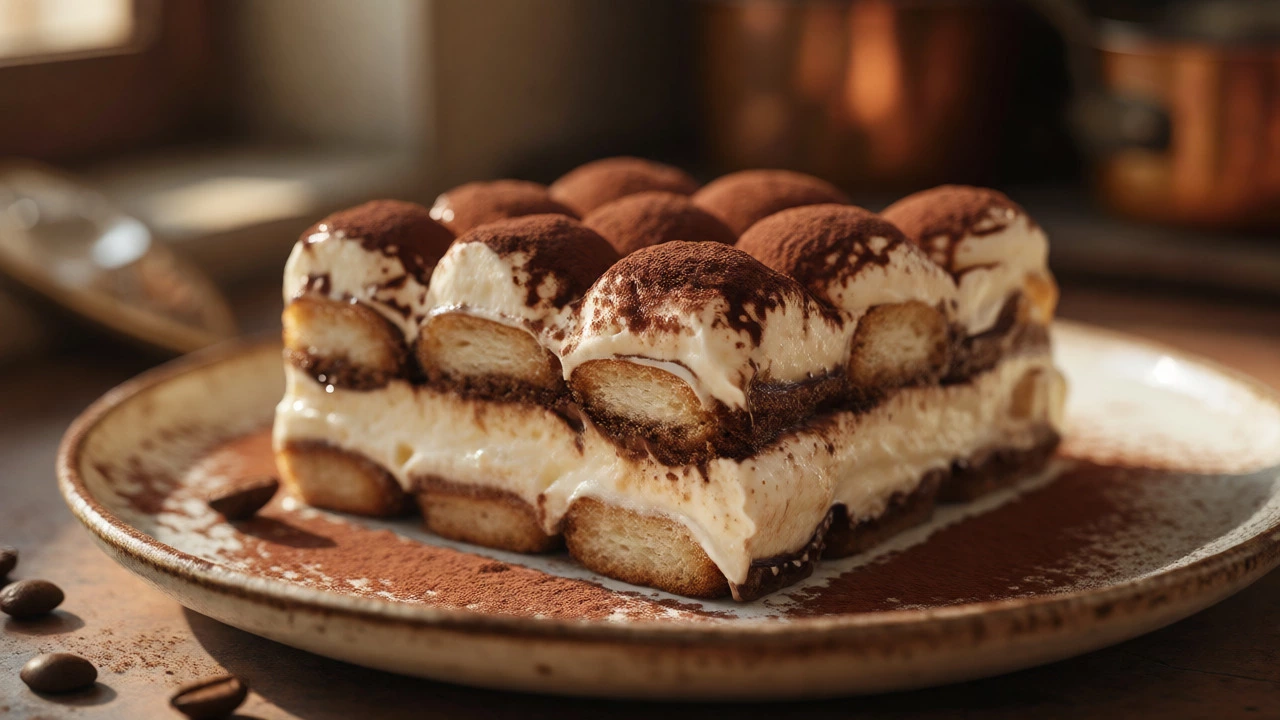
Think about your last trip to a bakery or a quick glance at a restaurant menu. What did you see everywhere? Chocolate cake? Ice cream? Maybe a slice of cheesecake? It feels like these heavy hitters dominate the global palate, but if we look at consumption data, sales figures, and cultural penetration, one specific Italian classic consistently tops the charts: Tiramisu. This coffee-soaked, mascarpone-topped delight isn't just popular in Italy; it has conquered kitchens from Tokyo to Toronto.
But is it truly the number one? The answer depends on how you measure "consumed." Are we talking about units sold by major chains? Home-cooked frequency? Or sheer volume of ingredients purchased? Let’s break down why Tiramisu holds the crown for many metrics, while acknowledging the fierce competition from chocolate-based treats and ice cream.
Why Tiramisu Claims the Top Spot
Tiramisu is a marvel of simplicity and sophistication. Originating in the Veneto region of Italy in the late 1960s, it combines Ladyfingers (savoiardi), espresso, egg yolks, sugar, and Mascarpone cheese. Unlike complex pastries requiring hours of baking, Tiramisu is an assembly job. You dip, layer, chill, and serve. This ease of preparation makes it a staple in home kitchens worldwide.
Its global appeal stems from its flavor profile. It hits three major craving centers: caffeine, fat, and sweetness. In a world where coffee culture is exploding-think Starbucks’ expansion into China and India-the pairing of coffee and dairy in Tiramisu is perfectly timed. A report from the International Dairy Federation noted that dairy-based desserts have seen steady growth in emerging markets, with mascarpone imports rising by 15% annually over the last five years.
Furthermore, Tiramisu travels well. It doesn’t melt like ice cream or crumble like a tart. It can be made ahead of time, improving in flavor after sitting overnight. This logistical advantage makes it a favorite for catering events, airline meals, and family gatherings across continents.
The Heavyweight Contenders: Chocolate and Ice Cream
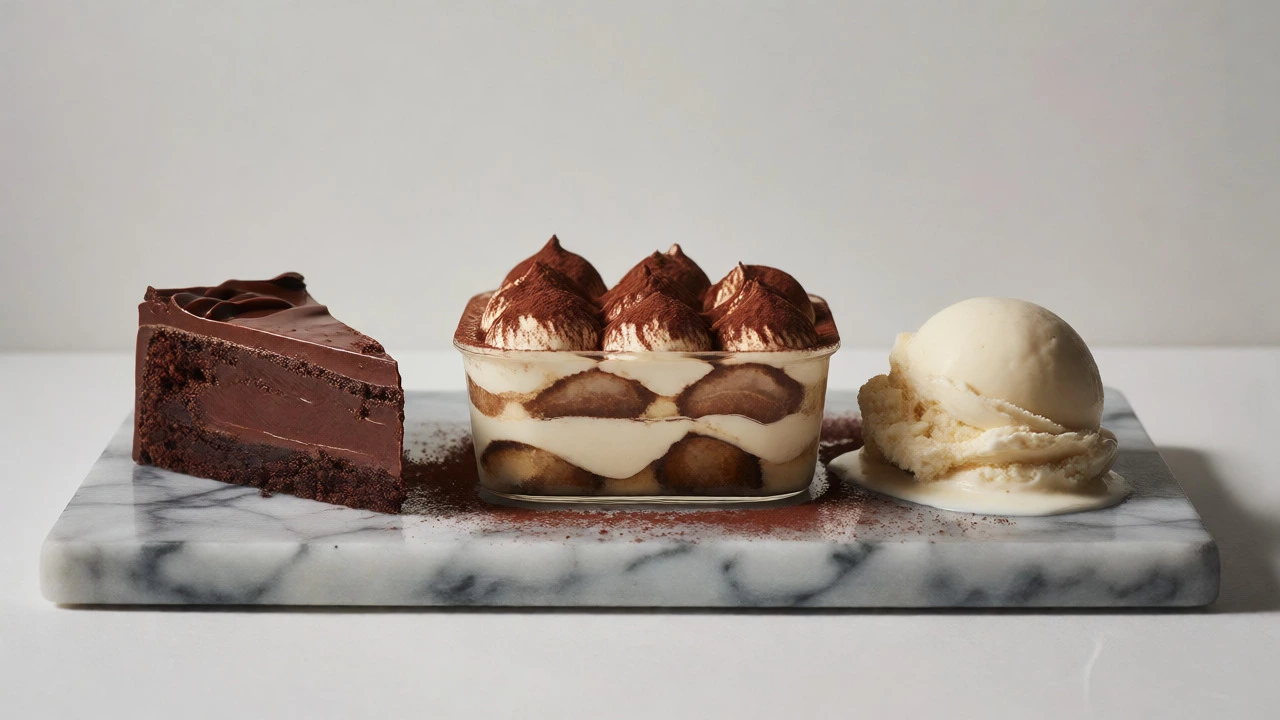
To understand Tiramisu’s rank, we must look at the competitors. If we define "dessert" broadly, Ice Cream is arguably the most frequently eaten sweet globally, especially in warmer climates and during summer months. However, ice cream is often categorized separately as a frozen treat rather than a plated dessert. When restricted to traditional baked or assembled sweets, chocolate-based items take the lead.
Chocolate Cake remains a universal comfort food. From the German Schwarzwälder Kirschtorte to American devil’s food cake, variations exist in almost every culture. Yet, chocolate cake requires baking skills, ovens, and precise timing. Tiramisu’s no-bake nature gives it an edge in regions with limited kitchen infrastructure or hot climates where running an oven is undesirable.
Another strong contender is Cheesecake. New York-style cheesecake has become a global brand, exported through franchises and supermarkets. But cheesecake is calorie-dense and heavy. Modern dietary trends favor lighter options, pushing consumers toward Tiramisu, which can be portion-controlled more easily due to its layered structure.

Regional Preferences and Cultural Nuances
Dessert consumption is deeply tied to local culture. In Asia, red bean paste desserts and mochi are staples, but Western-style sweets are gaining ground rapidly. In Japan, Tiramisu is so popular that convenience stores sell individual portions daily. Similarly, in South Korea, cafe culture has embraced Tiramisu as a standard menu item alongside bingsu (shaved ice).
In Latin America, dulce de leche-based desserts like alfajores compete fiercely. However, the rise of specialty coffee shops has introduced Tiramisu to younger demographics who associate it with urban, modern lifestyles. Meanwhile, in Europe, national pride keeps local favorites alive-France loves crème brûlée, Spain prefers flan-but Tiramisu transcends borders because it feels both exotic and familiar.
Here is a comparison of key factors influencing global dessert popularity:
| Dessert | Preparation Complexity | Global Availability | Cultural Adaptability | Shelf Life |
|---|---|---|---|---|
| Tiramisu | Low (No-bake) | High (Cafés & Supermarkets) | High (Coffee culture link) | Medium (3-4 days refrigerated) |
| Chocolate Cake | Medium-High (Baking required) | Very High | Medium (Varies by style) | Short (Stales quickly) |
| Ice Cream | Low (Industrial production) | Very High | High (Flavor variants) | Long (Frozen storage) |
| Cheesecake | Medium (Baking/Water bath) | High | Medium (Heavy profile) | Medium (Refrigerated) |
The Role of Coffee Culture in Driving Tiramisu Sales
You cannot discuss Tiramisu without discussing coffee. The word "Tiramisu" literally translates to "pick me up," referring to the energy boost from caffeine and sugar. As global coffee consumption rises-projected to reach 10 billion cups per day by 2027 according to the International Coffee Organization-demand for coffee-flavored desserts follows suit.
Major chains like Costa Coffee and Caffè Nero have standardized Tiramisu offerings, making it accessible to millions who might never visit an authentic Italian trattoria. This industrialization helps maintain its top-tier status. Even McDonald’s has experimented with McCafé desserts featuring tiramisu flavors in European markets.
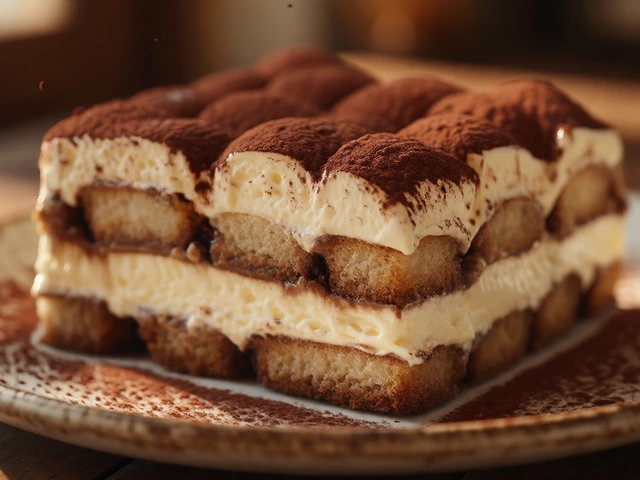
Moreover, social media plays a huge role. Platforms like Instagram and TikTok favor visually appealing desserts. Tiramisu’s distinct layers, dusted cocoa topping, and elegant presentation make it highly shareable. Viral recipes for "easy tiramisu" using store-bought ladyfingers have garnered hundreds of millions of views, driving home-consumption rates higher than any other plated dessert.
Health Trends and Ingredient Accessibility
Modern consumers are more health-conscious than ever. While Tiramisu is not a health food, it avoids the excessive flour and sugar load found in many cakes. By using eggs and cheese as the primary structural elements, it offers protein and fat satiety. This aligns with keto and low-carb adaptations, where almond flour substitutes replace ladyfingers, allowing dieters to enjoy a version of this global favorite.
Ingredient accessibility also boosts its ranking. Mascarpone and espresso beans are now available in most large supermarkets worldwide, whereas specialized ingredients for regional desserts (like matcha powder or tamarind) may remain niche. This widespread availability ensures Tiramisu remains a viable option for home cooks in diverse geographic locations.
Conclusion: Why It Wins
While ice cream wins on sheer volume in some datasets, and chocolate cake wins on nostalgia, Tiramisu wins on consistency, trend alignment, and ease of access. It bridges the gap between sophisticated dining and casual snacking. It satisfies the global love for coffee while offering a creamy, rich texture that appeals to nearly every palate.
If you’re looking to try the world’s most beloved plated dessert, start simple. Buy good quality espresso, fresh mascarpone, and proper savoiardi biscuits. Avoid pre-sweetened mixes. The magic lies in the balance of bitter coffee against sweet cream. Give it a try tonight-you’ll see why billions of people agree.
Is Tiramisu really the most popular dessert in the world?
It depends on the metric. For plated, non-frozen desserts served in cafes and homes globally, Tiramisu is widely considered the most popular. However, if you include all sweet snacks, chocolate bars or ice cream cones likely have higher unit sales.
Why is Tiramisu so popular outside of Italy?
Its popularity stems from its compatibility with global coffee culture, its no-bake preparation method which simplifies home cooking, and its visually appealing presentation that performs well on social media platforms.
Can Tiramisu be made vegan?
Yes. Traditional Tiramisu uses eggs and dairy, but vegan versions substitute mascarpone with cashew cream or coconut yogurt, and use plant-based whipped toppings. Many commercial brands now offer ready-made vegan Tiramisu pots.
How long does Tiramisu last in the fridge?
Homemade Tiramisu typically lasts 3 to 4 days when stored properly in an airtight container in the refrigerator. The flavors often improve after the first 24 hours as the ladyfingers fully absorb the coffee and liqueur.
What is the difference between Tiramisu and Zuppa Inglese?
Both are Italian layered puddings. Zuppa Inglese uses sponge cake soaked in Alchermes (a red herbal liqueur) and custard, resulting in a pink color and different flavor profile. Tiramisu uses ladyfingers, espresso, and mascarpone, creating a brown, coffee-flavored dessert.
Popular Posts
How Long Does Fresh Pastel Dough Last in the Fridge?
May, 13 2025