French Macaron Guide & Cost Estimator
Plan your sweet tour of France. Compare top boutiques, learn to spot fresh shells, and calculate your budget.
Style: Classic, traditional, pastel colors
Famous For: Rose, Vanilla, Green Tea
Vibe: Luxury tea room, tourist-friendly
Price: €3–€4/piece
Best for: Gifting, photos, classic tastes.
Style: Modern, bold, creative combinations
Famous For: Ispahan (Rose/Lychee/Raspberry), Mogador
Vibe: Gourmet boutique, foodie-focused
Price: €3–€4/piece
Best for: Serious foodies, unique flavors, thinner shells.
Is this Macaron Fresh?
Answer these questions to determine if you are getting good value.
Macaron Budget Calculator
Estimate your spending based on location and quantity.
Estimated Total Price:
Pro Tip: Storage & Travel
- Buy Small: Eat within 48 hours for best texture.
- Heat Warning: Ask for a cooler bag if traveling; heat melts ganache.
- Freezing: Freeze in airtight containers if storing longer. Thaw slowly in fridge for 24h.
You’ve seen them on Instagram. You’ve tasted the colorful, almond-flavored sandwich cookies at a local bakery back home. But eating a macaron in its birthplace is a completely different sensory experience. The air smells faintly of roasted almonds and sugar. The texture is crisp on the outside, yielding with a slight chew inside, and the filling melts before you can even think about chewing. If you are planning a trip to France, skipping the best macarons would be like visiting Rome and ignoring pizza.
But here’s the catch: not all French macarons are created equal. In fact, many tourists end up with dry, overly sweet shells because they don’t know where to look. This guide cuts through the noise. We aren’t just listing famous names; we’re telling you which spots offer the authentic experience, how much you should expect to pay, and what to order so you don’t waste your appetite on mediocre treats.
The Quick Summary: Your Cheat Sheet
- Top Tier: Pierre Hermé for innovative flavors and Ladurée for classic elegance.
- Budget-Friendly: Local artisanal bakeries often beat big brands for freshness and price.
- Must-Try Flavors: Pistachio, Raspberry, and Salted Caramel (Caramel Beurre Salé).
- Price Expectation: €2-€4 per piece in high-end boutiques; €1.50-€2.50 in local boulangeries.
- Pro Tip: Buy fresh daily. Macarons lose their crunch after 24 hours.
Why Location Changes Everything
A macaron is technically simple: two meringue-based shells filled with ganache, buttercream, or jam. Yet, it is notoriously difficult to make. Humidity affects the drying process. Oven temperature must be precise. Almond flour quality varies wildly between suppliers. When you eat one in Paris, Lyon, or Bordeaux, you are tasting the specific expertise of that city’s pastry culture.
In Paris, the focus is often on aesthetics and brand prestige. In Lyon, known as the gastronomic capital, the focus shifts to depth of flavor and technical perfection. In the countryside, you might find rustic versions using local honey or lavender. Understanding this regional nuance helps you decide where to spend your euros.
The Heavyweights: Ladurée vs. Pierre Hermé
You cannot talk about macarons without mentioning the two giants. They are the Coca-Cola and Pepsi of the pastry world, but unlike soda, both are genuinely excellent-just for different reasons.
| Feature | Ladurée | Pierre Hermé |
|---|---|---|
| Style | Classic, traditional, pastel colors | Modern, bold, creative combinations |
| Famous For | Rose, Vanilla, Green Tea | Ispahan (Rose/Lychee/Raspberry), Mogador |
| Vibe | Luxury tea room, tourist-friendly | Gourmet boutique, foodie-focused |
| Price Range | High (€3-€4/piece) | High (€3-€4/piece) |
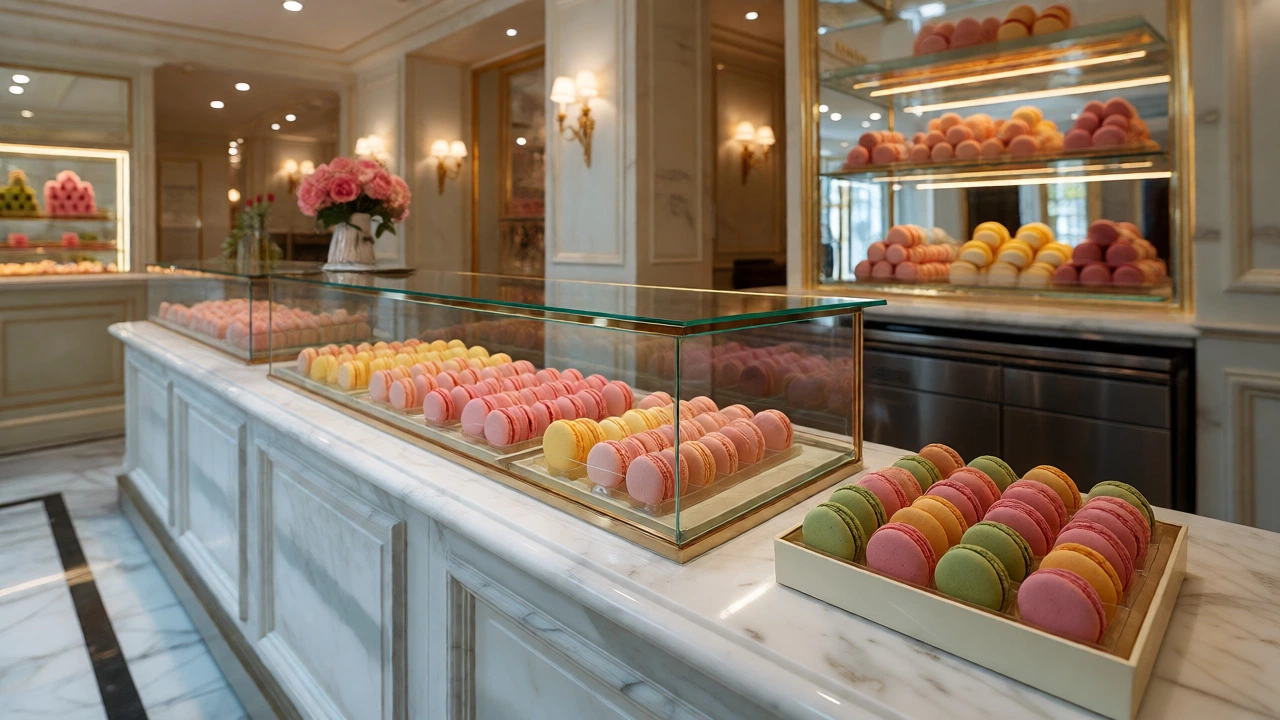
Ladurée is the safe bet. Founded in 1862, it popularized the double-shell structure we know today. Their macarons are consistent. If you want to gift a box that looks beautiful and tastes familiar, go here. The Champs-Élysées location is iconic, though crowded. The interior is pink and gold, perfect for photos. But be warned: the service can feel rushed due to volume.
Pierre Hermé is where you go if you consider yourself a serious food lover. He revolutionized the macaron by treating it like a fine dish. His "Ispahan" is legendary-a combination of rose cream, lychee flesh, and raspberry pieces. It sounds odd on paper, but the balance is flawless. Hermé’s shells are slightly thinner and crisper than Ladurée’s. If you visit Paris, try his seasonal limited editions. They change monthly and often feature unexpected ingredients like truffle or yuzu.
Hidden Gems Beyond the Tourist Trail
While the big names dominate search results, some of the best macarons are found in smaller, less flashy shops. These places often use higher-quality ingredients because they sell fewer units and turn over stock faster.
In Paris, check out Sadaharu Aoki. This Japanese-French fusion pâtissier offers unique flavors like Matcha, Black Sesame, and Yuzu. The matcha macaron is intense and earthy, cutting through the sweetness perfectly. Another favorite among locals is Hugo & Victor. Known for artistic presentations, their macarons are visually stunning and taste clean, without the cloying sugar rush found elsewhere.
If you venture to Nancy, you must visit Maison des Sœurs Macarons. This shop claims to preserve the original recipe from the nuns who invented the concept centuries ago. Their macarons are larger, flatter, and have a distinct chewiness compared to the modern Parisian style. It’s a historical taste test worth doing if you are traveling eastward.
How to Spot a Fresh Macaron
Nothing ruins a macaron experience like biting into a stale shell. Here is how to tell if you are getting good value for your money:
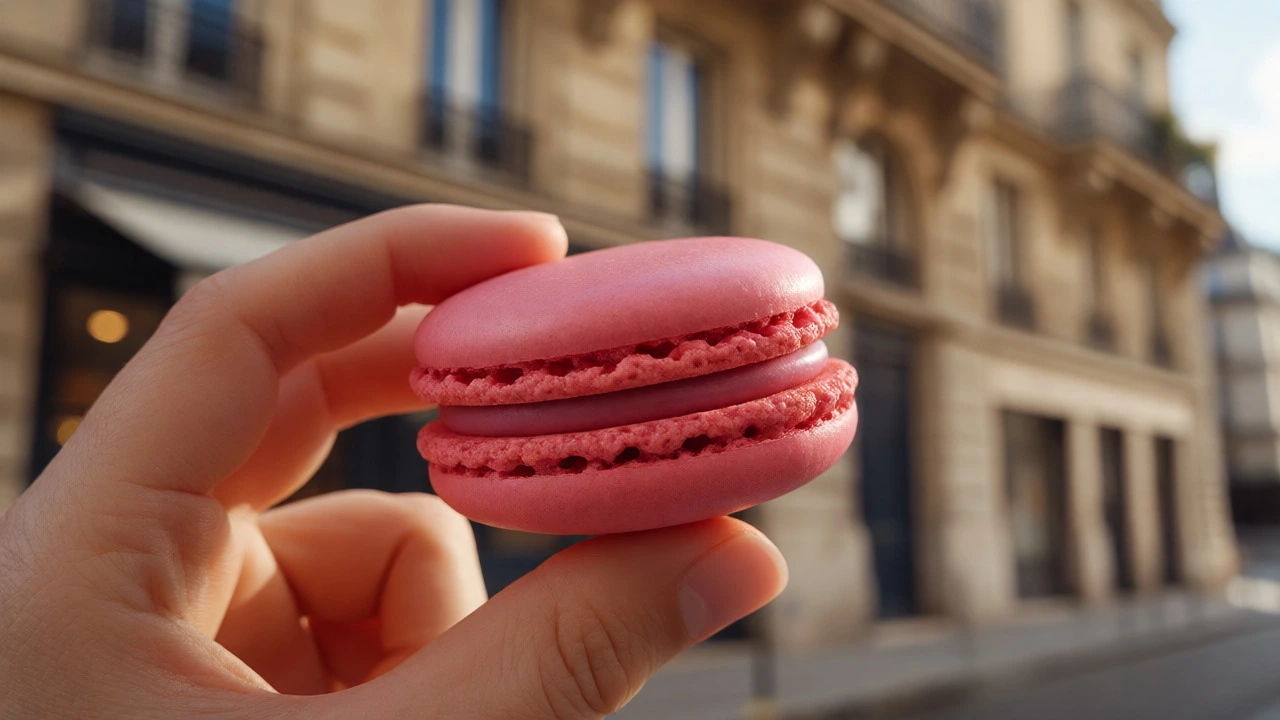
- The Feet: Look at the base of the shell. A proper macaron has "feet"-a rough, bubbly ring at the bottom. No feet means the batter was overmixed or the oven was too hot. Flat bottoms are bad news.
- The Surface: It should be smooth and shiny. Cracks indicate humidity issues during baking. While cracked macarons still taste okay, they lack the visual appeal and structural integrity.
- The Fill: The filling should bulge slightly beyond the edges of the shell. If the filling is hidden inside, it might be old or poorly assembled. The ratio of shell to filling matters; you want enough ganache to moisten the almond cookie without making it soggy.
- The Snap: When you bite down, the top shell should crack cleanly. If it bends or feels rubbery, it has absorbed moisture from the fridge or been sitting out too long.
Regional Specialties Worth Hunting
France is diverse, and so are its sweets. Don’t limit your search to Paris.
In Alsace, particularly around Strasbourg, you will find macarons infused with local spices. Kirsch (cherry brandy) and cinnamon are common additions. The region’s proximity to Germany influences the bolder flavor profiles.
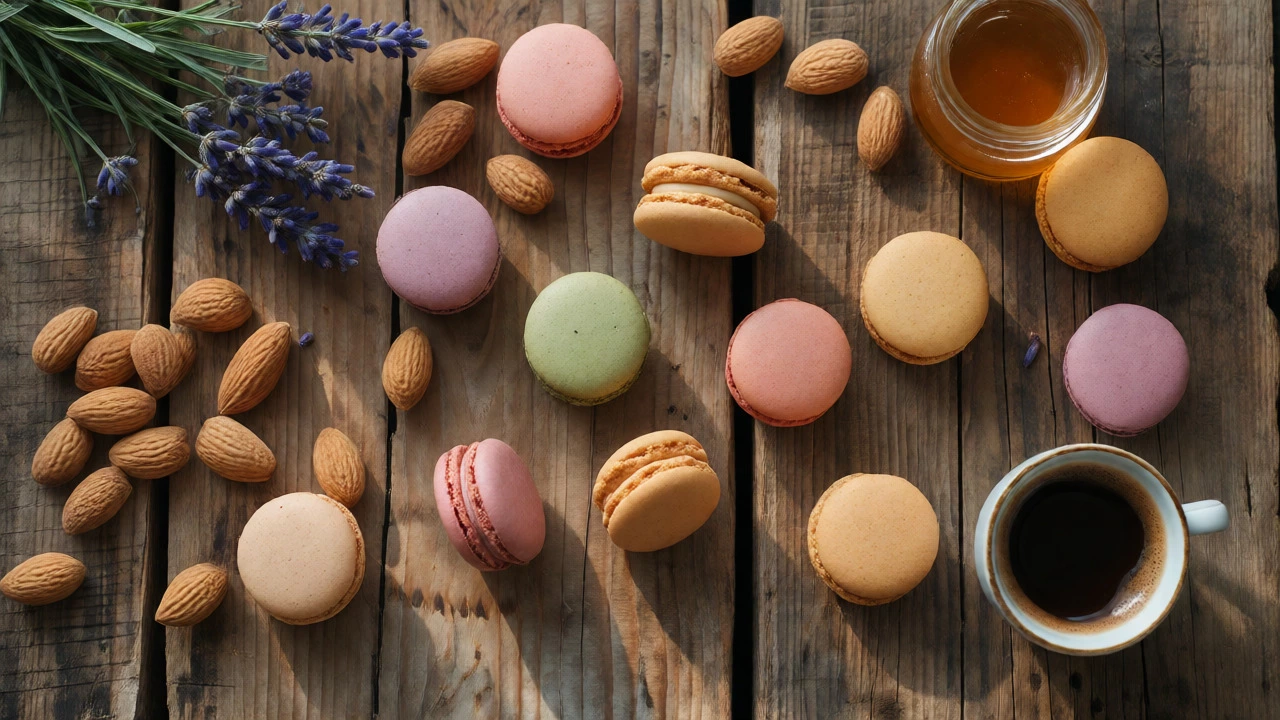
In Provence, look for lavender and honey variations. Lavender is grown extensively in the hills surrounding Avignon and Aix-en-Provence. A well-made lavender macaron should smell floral but not taste like soap. Pair it with a glass of rosé wine for an afternoon treat.
For chocolate lovers, head to La Rochelle or other Atlantic coast towns. Some chocolatiers there specialize in dark chocolate ganache fillings made with single-origin beans. The salt air seems to enhance the richness of the cocoa.
Practical Tips for Buying and Eating
Before you buy, keep these logistical points in mind to maximize enjoyment.
Buy Small Quantities First. Most boutiques sell boxes of 6, 12, or 24. Unless you are gifting, buy a small pack. Macarons are rich. Eating six in one sitting can lead to sugar fatigue. Try one of each flavor first to see what appeals to you.
Storage Matters. If you plan to travel with them, ask for a cooler bag. Heat softens the shells and melts the ganache. Conversely, do not leave them in direct sunlight. Ideally, consume within 48 hours of purchase. If you need to store them longer, freeze them in an airtight container. Thaw slowly in the fridge for 24 hours before serving to restore texture.
Pairing Drinks. Sweet pastries need acidic or bitter counterpoints. Champagne is the classic choice because the bubbles cleanse the palate. Strong black coffee or espresso also works well. Avoid milk-heavy drinks like lattes, which compete with the creamy fillings. For non-alcoholic options, try unsweetened herbal teas like hibiscus or mint.
Common Myths About Macarons
Let’s clear up some confusion. Many people confuse macarons with macaroons. They are different. Macaroons are coconut-heavy, dense, and baked until golden brown. Macarons are delicate, almond-based, and pale. Do not ask for a "coconut macaron" in Paris unless you want strange looks.
Another myth is that color equals flavor intensity. Not always. Pastel colors can mask strong flavors, while bright greens might be artificial dyes rather than natural pistachio. Always read the ingredient list if you have allergies or prefer natural products. High-end shops often use natural coloring, but mass-market versions may rely on synthetic additives.
Are macarons gluten-free?
Generally, yes. Traditional macarons are made with almond flour, egg whites, and sugar, containing no wheat flour. However, cross-contamination in bakeries that handle wheat products is possible. If you have celiac disease, always confirm with the staff whether they prepare macarons in a dedicated gluten-free area.
How much does a macaron cost in France?
Prices vary by location and brand. At luxury boutiques like Ladurée or Pierre Hermé, expect to pay between €2.50 and €4.00 per piece. In standard boulangeries or patisseries, prices range from €1.50 to €2.50. Supermarket versions can be cheaper but rarely match the quality of artisanal shops.
What is the most popular macaron flavor?
Vanilla and Chocolate remain timeless classics. However, Pistachio is widely considered the benchmark for judging a bakery's skill because it requires high-quality nuts to avoid bitterness. Fruit flavors like Raspberry and Lemon are also extremely popular for their refreshing acidity.
Can I buy macarons as souvenirs?
Yes, but be careful. Macarons are fragile and perishable. If flying, choose sturdy packaging and carry them on board rather than checking luggage. Avoid buying large boxes if you cannot refrigerate them immediately upon arrival. Better yet, buy them at the airport duty-free right before boarding to ensure freshness.
Is there a difference between Parisian and provincial macarons?
Parisian macarons tend to be more standardized and aesthetically driven, catering to tourists. Provincial macarons, especially in regions like Alsace or Provence, often incorporate local ingredients like spices, fruits, or spirits, resulting in more complex and rustic flavor profiles.
Popular Posts
What Brazil Inherited from Italy: Tiramisu's Journey
Feb, 18 2025