Find Your Macaron Monarch
Select the option that best matches your preference in each category to discover which macaron style rules your palate.
1. Flavor Philosophy
2. Texture Preference
3. Brand Image
4. Filling Ratio
Your Macaron Monarch is...
Walk into any high-end patisserie in Paris, New York, or Tokyo, and you will see them: small, colorful, sandwich-like cookies that look like little discs of joy. They are delicate, expensive, and undeniably iconic. But if you ask ten different bakers who invented the macaron, you might get ten different answers. There is no single "king" wearing a crown on a throne of almond flour. Instead, there is a lineage of bakers, each claiming a piece of the throne.
The question "Who is the king of macarons?" usually stems from a mix-up between two very different treats, or it refers to the modern commercial giants who popularized the confection globally. To find the true ruler of this sweet kingdom, we have to separate myth from reality, and the humble Italian cookie from its French cousin.
The Great Confusion: Macaron vs. Madeleine vs. Macaroon
Before we crown anyone, we need to clear up the biggest misunderstanding in the world of pastries. Many people confuse the French macaron with the coconut macaroon. These are not the same thing.
The coconut macaroon is a dense, chewy bar made primarily of shredded coconut, egg whites, and sugar. It has been around for centuries and looks nothing like the smooth-shelled treat sold in boxes of twelve for $30. The French macaron, however, is an airy meringue cookie made from ground almonds, egg whites, and powdered sugar, filled with ganache, buttercream, or jam.
There is also the madeleine, a shell-shaped sponge cake. While they share some historical roots in France, they are distinct entities. If you are looking for the "king," you are almost certainly talking about the French macaron. Its rise to fame is a story of migration, marriage, and marketing.
The Monk Who Brought the Cookie to France
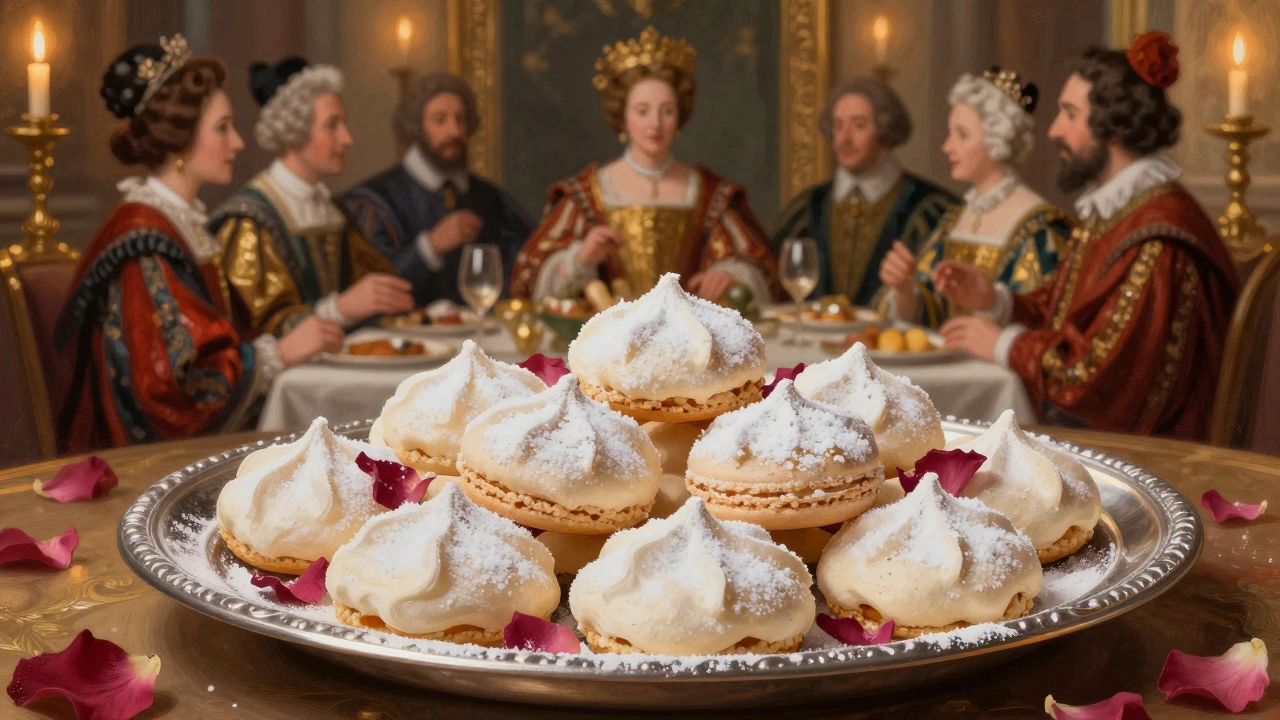
If we are talking about origins, the title of "Father of the Macaron" belongs to a man named Caterina de' Medici's pastry chef, Pierre Desfontaines. In the 16th century, Catherine de' Medici married Henry II of France. She brought her entire court with her, including her personal pastry chefs. Among them was Pierre Desfontaines.
Desfontaines introduced the Italians' version of the cookie-a simple, flat, sweet meringue-to the French court. At the time, these were just called "macarons" (derived from the Italian maccherone). They were plain, often flavored with rosewater or orange blossom water, and served as elegant bites at royal banquets. There was no filling yet. Just two thin, crisp discs.
So, why isn't Pierre Desfontaines the "King" today? Because he didn't create the sandwich. He created the foundation. The evolution of the macaron from a single disc to the filled cookie we know today happened over the next few centuries, slowly gaining popularity across Europe.
The Sandwich Moment: When Two Became One
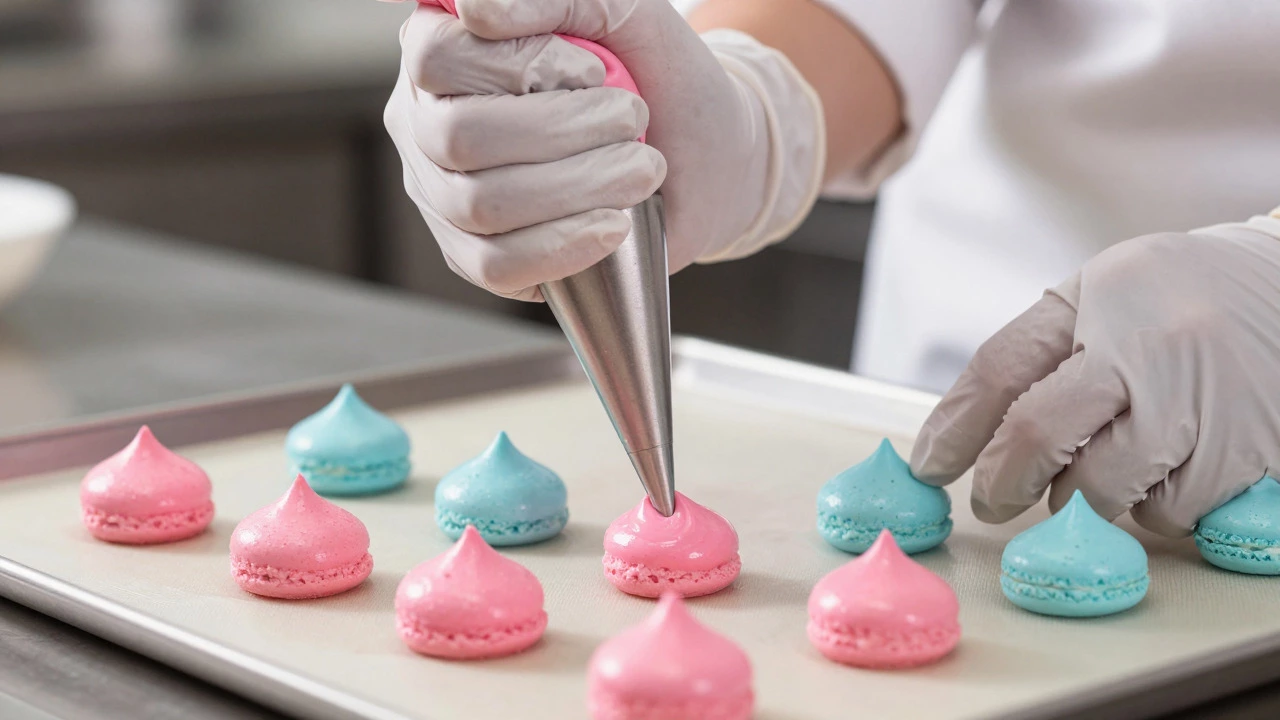
The transformation of the macaron into a sandwich cookie is the most debated part of its history. Most food historians point to the early 20th century in the city of Lyon, France. Legend has it that a baker named Louis Ernest decided to fill his macarons with chocolate ganache or jam to protect the delicate shells during transport. This innovation turned a fragile snack into a more substantial, luxurious treat.
Another claim comes from the famous bakery Ladurée. Founded by Louis Ernest's father-in-law, Adolphe Muruzi, Ladurée claims to have perfected the recipe and added the filling in 1930. Whether it was Louis Ernest or the team at Ladurée, this era marked the birth of the modern macaron as we recognize it: a smooth, domed shell with a ruffled "foot" and a creamy center.
This period established the technical standards for baking macarons. The batter must be folded precisely (a technique known as macaronage) to achieve the right consistency. Too much folding, and the feet don't form; too little, and the tops crack. This difficulty is part of what makes the macaron so revered-and so expensive.
Ladurée vs. Pierre Hermé: The Real Royal Feud
If there is a "King" and a "Queen" of the modern macaron world, they are Ladurée and Pierre Hermé. This is where the title gets interesting. For decades, Ladurée was the undisputed monarch. They opened their first shop in Paris in 1862 and became synonymous with elegance, royalty, and high society. Their macarons were the standard: classic flavors, consistent quality, and beautiful packaging.
Then came the challenger: Pierre Hermé. Known as the "Picasso of Pastry," Hermé worked for Ladurée in the 1970s before striking out on his own. He revolutionized the macaron by introducing complex, unexpected flavor combinations. Think yuzu and basil, lavender and honey, or even savory-sweet profiles like black truffle and foie gras (yes, really).
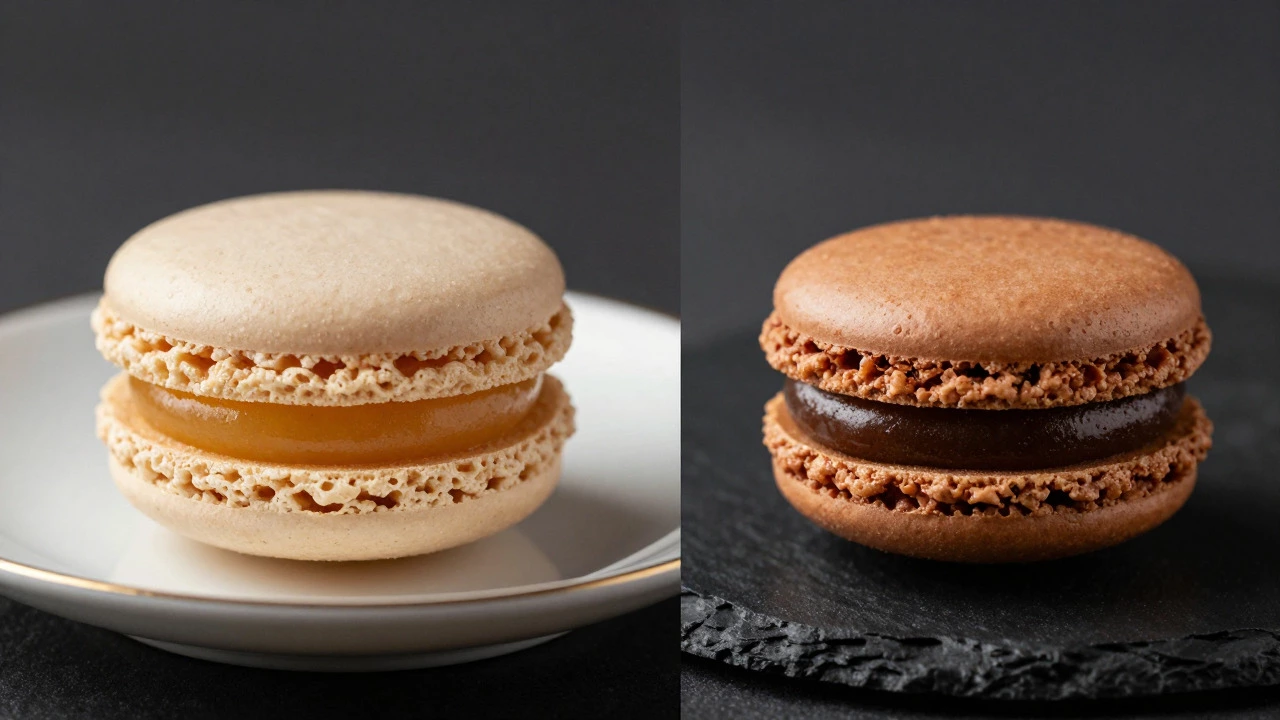
Hermé's approach was artistic rather than traditional. He treated the macaron as a canvas for culinary experimentation. His macarons are often smaller, denser, and more intense in flavor than Ladurée's lighter, fruitier versions. Food critics and enthusiasts often debate which is better, but both agree that these two brands elevated the macaron from a simple cookie to a high-art dessert.
| Feature | Ladurée | Pierre Hermé |
|---|---|---|
| Flavor Profile | Classic, fruity, light | Complex, innovative, intense |
| Shell Texture | Crispy outside, soft inside | Denser, chewier |
| Filling Ratio | Balanced | More filling relative to shell |
| Brand Image | Royal, traditional, elegant | Artistic, avant-garde, creative |
| Price Point | High ($4-$5 per unit) | Very High ($5-$6 per unit) |
So, who is the king? If you value tradition, heritage, and classic tastes, Ladurée holds the crown. If you value innovation, bold flavors, and culinary artistry, Pierre Hermé is your ruler. Both have global empires now, with shops in major cities worldwide.
The Modern Macaron Empire
In recent years, the "royalty" has expanded beyond France. Brands like Hermès (the luxury fashion house) entered the game, partnering with pastry chefs to create limited-edition macarons that match their seasonal collections. Then there are American contenders like David Lebovitz's collaborations and local artisanal bakeries in San Francisco, New York, and Los Angeles that rival Parisian quality.
The internet has also democratized the macaron. Home bakers share tips on how to avoid hollow shells, fix cracked tops, and balance sweetness. You don't need a degree from Le Cordon Bleu to make a decent macaron anymore, though mastering it still takes practice. The "king" is no longer just one person or brand; it's a community of enthusiasts who appreciate the science and art behind this tiny cookie.
Why the Macaron Remains Supreme
Despite the competition from cupcakes, donuts, and other trendy desserts, the macaron remains supreme. Why? Because it is a perfect storm of texture, flavor, and visual appeal. The contrast between the crisp shell and the creamy filling is unmatched. The colors are Instagram-worthy. And the fact that they are difficult to make adds to their allure.
When you buy a box of macarons, you aren't just buying a cookie. You are buying a piece of history, a demonstration of skill, and a moment of indulgence. Whether you prefer the classic elegance of Ladurée or the bold creativity of Pierre Hermé, you are participating in a tradition that spans centuries.
So, who is the king of macarons? There is no single answer. But if you had to pick one figurehead, it would be the collective legacy of French pastry chefs who turned a simple almond cookie into a global phenomenon. The throne is shared, and that makes the competition all the sweeter.
Who invented the macaron?
The macaron originated in Italy in the 16th century. It was brought to France by Catherine de' Medici's pastry chef, Pierre Desfontaines, when she married Henry II of France. However, the modern filled macaron was developed later, likely in Lyon in the early 20th century by bakers like Louis Ernest or at the Ladurée bakery.
Is Ladurée or Pierre Hermé better?
It depends on your preference. Ladurée is known for classic, fruity, and lighter flavors with a crispy shell. Pierre Hermé is famous for innovative, complex, and intense flavor combinations with a denser, chewier texture. Both are considered top-tier in the pastry world.
What is the difference between a macaron and a macaroon?
A French macaron is a smooth, round, sandwich cookie made from almond flour, egg whites, and sugar. A macaroon is typically a dense, chewy cookie made primarily from shredded coconut. They are completely different in ingredients, texture, and appearance.
Why are macarons so expensive?
Macarons are labor-intensive to make. They require precise measurements, specific techniques (like macaronage), and careful baking to avoid cracks or hollow shells. High-quality ingredients like fresh eggs, premium almond flour, and fine chocolates also drive up the cost. Additionally, brands like Ladurée and Pierre Hermé charge for their prestige and artistic presentation.
Can I make macarons at home?
Yes, but it requires practice. Common issues include cracked tops, lack of "feet," and hollow shells. Using a kitchen scale, following a tested recipe, and understanding humidity levels can help improve your results. Many successful home bakers start with basic flavors like vanilla or chocolate before trying more complex recipes.
Popular Posts
How Much Does a Hundred Macarons Cost in 2025?
Nov, 6 2025
Preventing Hard Brownie Edges: Tasty Secrets
Mar, 1 2025