
Banana Vegan Status Checker
Not sure if your banana snack is truly vegan? Select the details below to assess the risk of animal-derived contact.
Select options and click check to see results.
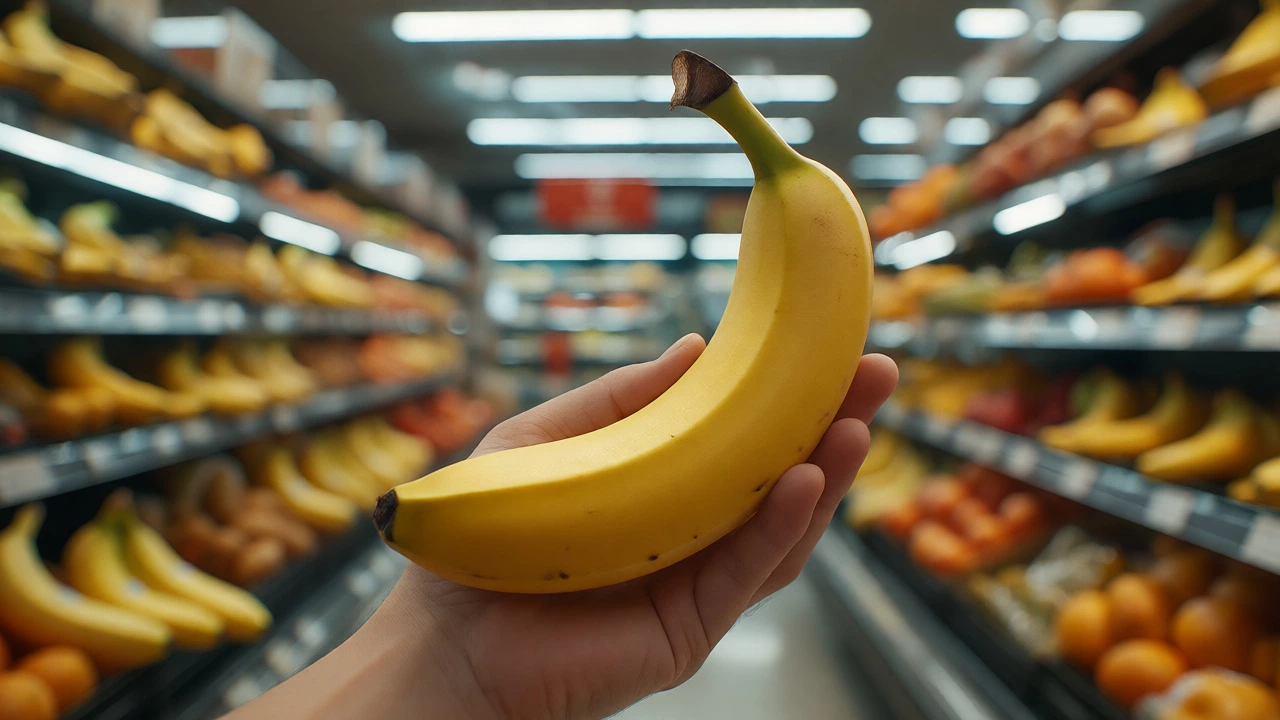
You’re standing in the produce aisle, holding a bunch of bright yellow bananas. They look perfect. No bruises, no green tips, just pure sunshine in peel form. You toss them into your cart, confident that nature’s most convenient snack is 100% plant-based. But then you see a tweet or read a blog post claiming bananas are not vegan. Suddenly, you’re second-guessing everything. Is there animal blood in my breakfast? Did I accidentally eat a bug?
This isn’t some obscure conspiracy theory. It’s a legitimate debate about industrial agriculture, food processing, and what we actually mean when we say "vegan." The short answer? Most bananas you buy at a standard supermarket might have had contact with animal-derived products during their journey from farm to shelf. The long answer involves shrimp shells, chemical sprays, and a deep dive into how modern farming works.
The Shrimp Shell Surprise: What Is Chitin?
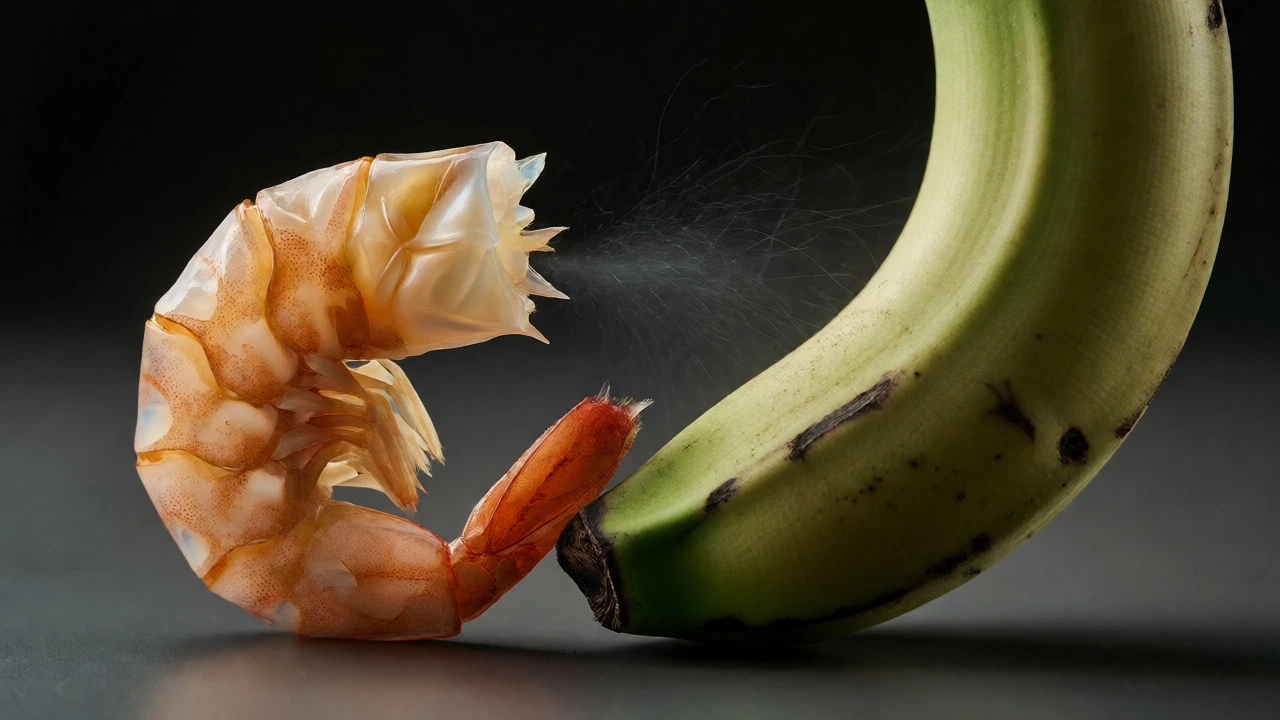
The primary reason people argue bananas aren't vegan centers on a substance called chitin, which is a natural polymer found in the exoskeletons of crustaceans like crabs, lobsters, and shrimp, as well as in fungal cell walls. For decades, farmers have used chitosan-a derivative of chitin-as an organic fungicide and preservative. Why? Because it helps prevent mold and extends the shelf life of crops without relying solely on synthetic chemicals.
Here’s the kicker: while chitosan can be derived from fungi (making it technically vegan), the commercial industry heavily relies on crustacean waste for production. It’s cheaper and more abundant. So, if your bananas were sprayed with a chitosan-based coating to keep them fresh during shipping across oceans, they’ve touched an animal product. Does this make the banana itself non-vegan? That depends on how strict your definition is.
Vegans generally avoid animal exploitation. If the animal was already dead (like shrimp waste from the seafood industry) and the chitin wasn't extracted specifically for the banana, many vegans accept it as a "gray area" or even fully acceptable. However, strict vegans who want zero animal involvement in their supply chain often reject conventionally farmed bananas unless they know the source of the chitosan.
It’s Not Just About the Peel: Ripening Agents
Even if we ignore the chitin debate, there’s another layer to the story: ripening. Bananas are harvested green because they travel better that way. Once they reach their destination country-say, the UK or the US-they need to turn yellow before hitting the shelves. This process usually happens in large rooms where ethylene gas is introduced. Ethylene is a natural plant hormone, so that part is fine.
But sometimes, growers use other additives. In some regions, particularly where regulations are looser, bananas might be treated with calcium carbide. When calcium carbide reacts with moisture, it produces acetylene gas, which mimics ethylene and speeds up ripening. While calcium carbide itself is mineral-based, the industrial processes involved can sometimes introduce contaminants. More importantly, some older practices involved dipping bananas in solutions containing animal fats or waxes to slow down respiration and keep them looking shiny.
In the EU and UK, regulations are stricter. The European Food Safety Authority (EFSA) monitors these additives closely. However, "organic" doesn't automatically mean "untouched by animals." Organic farms can still use approved biopesticides that may include animal derivatives. This is why reading labels-or knowing your brand-is crucial if you’re trying to avoid all animal contact.
The Wax Question: Do Bananas Have Animal Waxes?
Have you ever noticed how apples and citrus fruits often have a glossy shine? That’s usually wax. Sometimes it’s carnauba wax (plant-based) or shellac (insect-derived). What about bananas? Surprisingly, raw bananas rarely need waxing because their thick peels protect the fruit inside. But processed banana products? That’s a different story.
If you’re buying dehydrated banana chips, frozen banana slices, or pre-cut banana pieces, check the ingredients list. These products are often coated in oils or glazes to preserve texture and color. Some of these glazes contain beeswax or lanolin (wool grease). A whole banana straight from the stem? Unlikely to have wax. A bag of "crunchy banana bites"? Highly likely.
| Product Type | Likely Non-Vegan Additives | Vegan Risk Level |
|---|---|---|
| Fresh Whole Bananas | Chitosan spray (crustacean-derived) | Medium (depends on farm practice) |
| Banana Chips (Dehydrated) | Honey, beeswax, milk powder, butter flavoring | High |
| Frozen Banana Slices | Sugar syrups with bone char filtration | Low-Medium |
| Banana Puree (Canned) | Preservatives like BHA/BHT (sometimes animal-tested) | Low |
So, Should You Stop Eating Bananas?
If you stop eating bananas every time someone points out a potential animal derivative, you’ll run out of foods pretty quickly. Sugar, wine, beer, and even some breads have hidden animal contacts. The goal of veganism isn't purity; it's minimizing harm. Here’s how to navigate the banana dilemma without losing your mind:
- Buy Organic: Organic certifications often restrict the types of pesticides and coatings allowed. While not guaranteed to be free of chitin, organic farms are more likely to use plant-based alternatives or rely on natural methods.
- Choose Fair Trade: Fair Trade standards often include stricter environmental guidelines. Many Fair Trade cooperatives prioritize sustainable, low-input farming, reducing the need for heavy chemical sprays.
- Look for "Spray-Free": Some specialty grocers or direct-trade brands explicitly state their bananas are grown without chitosan or animal-derived fungicides. It’s worth asking your local greengrocer.
- Peel It: Remember, you don't eat the peel. Unless the spray penetrates deeply (which it shouldn't, given the peel's thickness), the actual fruit flesh remains untouched. For most vegans, this external contact is considered acceptable collateral damage in our current food system.
The Broader Context: Why This Matters for Desserts
Since bananas are a staple in vegan desserts, sweet dishes prepared without any animal products, including dairy, eggs, and honey, understanding their sourcing affects your baking too. If you’re making banana bread, you’re using the flesh, so the spray issue is minimal. But if you’re making a delicate mousse or a raw cheesecake where banana is the star, you might care more about the origin.
Also, consider the sugar in your dessert. Many refined white sugars are filtered through bone char (charred animal bones) to achieve that stark white color. If your banana split uses conventional sugar and ice cream made with gelatin, the banana is the least of your worries. Focus on the bigger picture first.
Are all bananas sprayed with chitin?
No. Chitosan spraying is common but not universal. Practices vary by farm, region, and certification. Organic and Fair Trade bananas are less likely to use animal-derived chitosan, though not guaranteed. Always check with specific brands if this is a priority for you.
Is chitosan always from animals?
Not always. Chitosan can be derived from fungi or fermented sources, which are vegan-friendly. However, commercially available agricultural chitosan is predominantly sourced from crustacean shells due to cost efficiency. Without specific labeling stating "fungal-derived," assume it could be animal-based.
Do I need to wash my bananas before peeling?
Yes, washing the outside of the banana peel is a good hygiene practice regardless of vegan status. It removes dirt, bacteria, and surface residues. Since you discard the peel, this step ensures that when you cut into the fruit, you don't transfer surface contaminants onto the edible flesh via your knife.
Are organic bananas definitely vegan?
Organic certification prohibits synthetic pesticides but allows certain natural ones. Some approved natural fungicides can be animal-derived. Therefore, "organic" does not automatically equal "vegan." However, organic farms are generally more transparent and eco-conscious, making them a safer bet for those concerned about animal derivatives.
What about genetically modified (GMO) bananas?
Most GMO research focuses on disease resistance (like Panama Disease). Genetic modification itself doesn't inherently involve animal products, unlike some gene-editing techniques that might use animal proteins. However, GMO crops are often paired with heavy herbicide use (like Roundup), which has its own ethical debates regarding environmental impact and worker safety, rather than direct animal content.
Popular Posts

Perfectly Portioning Macarons for Gatherings
Jan, 20 2025
Why Vinegar is Essential in Pavlova Recipes
Mar, 24 2025