Pavlova Ingredient Calculator
Start with your Egg Whites
Enter the number of egg whites you plan to use (typically 4 to 8).
Recipe Ratios
- Cornflour / Cornstarch --
- Sugar (Caster/Superfine) --
- Acid (Vinegar/Lemon Juice) --
Why these amounts?
Based on standard recipes (4-6 whites), the ideal ratio is roughly 1/2 tbsp cornflour per egg white. This provides enough starch granules to absorb excess moisture and prevent weeping without making the center dry or crumbly.
Enter the number of egg whites and click calculate to see the recommended ingredient ratios.
You’ve whipped the egg whites to stiff peaks. You’ve folded in the sugar with patience. But your pavlova comes out of the oven looking like a meringue pie-soft all the way through, or worse, weeping sticky syrup down its sides. If you’ve ever wondered why some recipes insist on that small spoonful of cornflour, you’re not alone. It’s the secret ingredient that separates a soggy disappointment from that iconic crackling crust and marshmallow-soft interior.
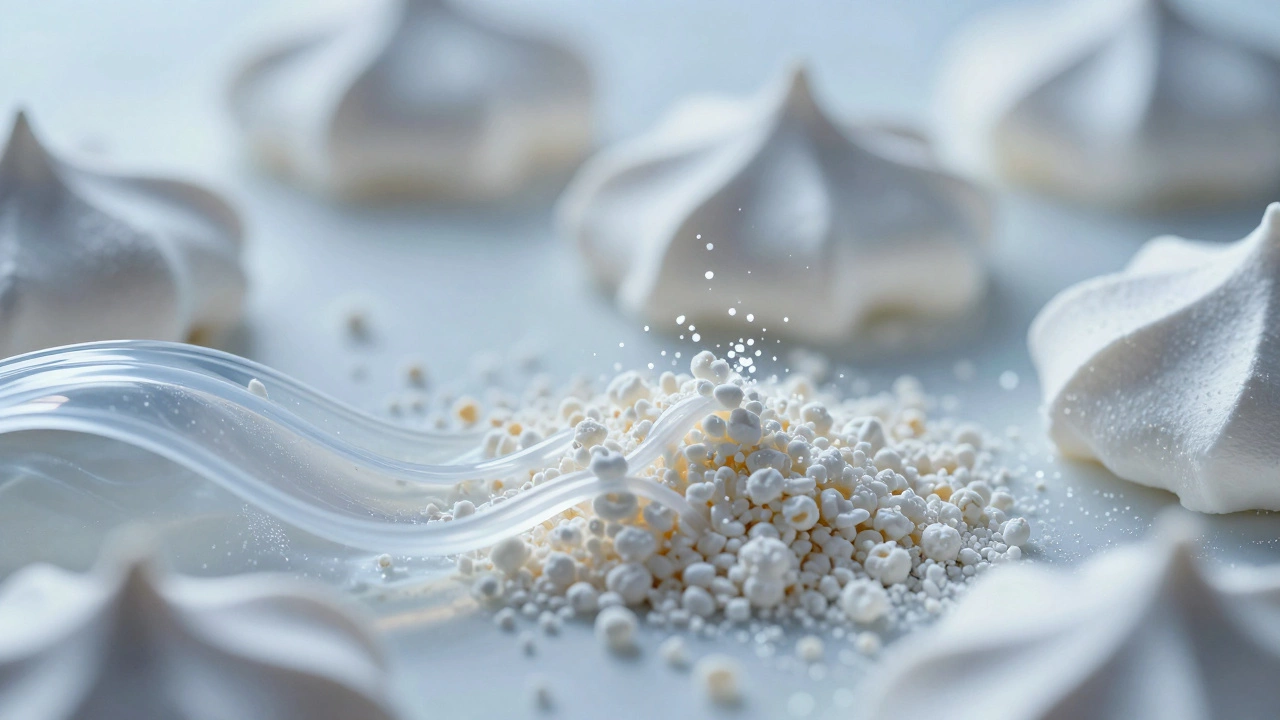
Cornflour (known as cornstarch in the US) isn’t just filler. It changes the physical structure of the meringue at a molecular level. Without it, you’re fighting against moisture and heat in ways that usually result in failure. Let’s break down exactly what this humble powder does inside your oven.
The Moisture Trap: Why Cornflour Creates the Crunch
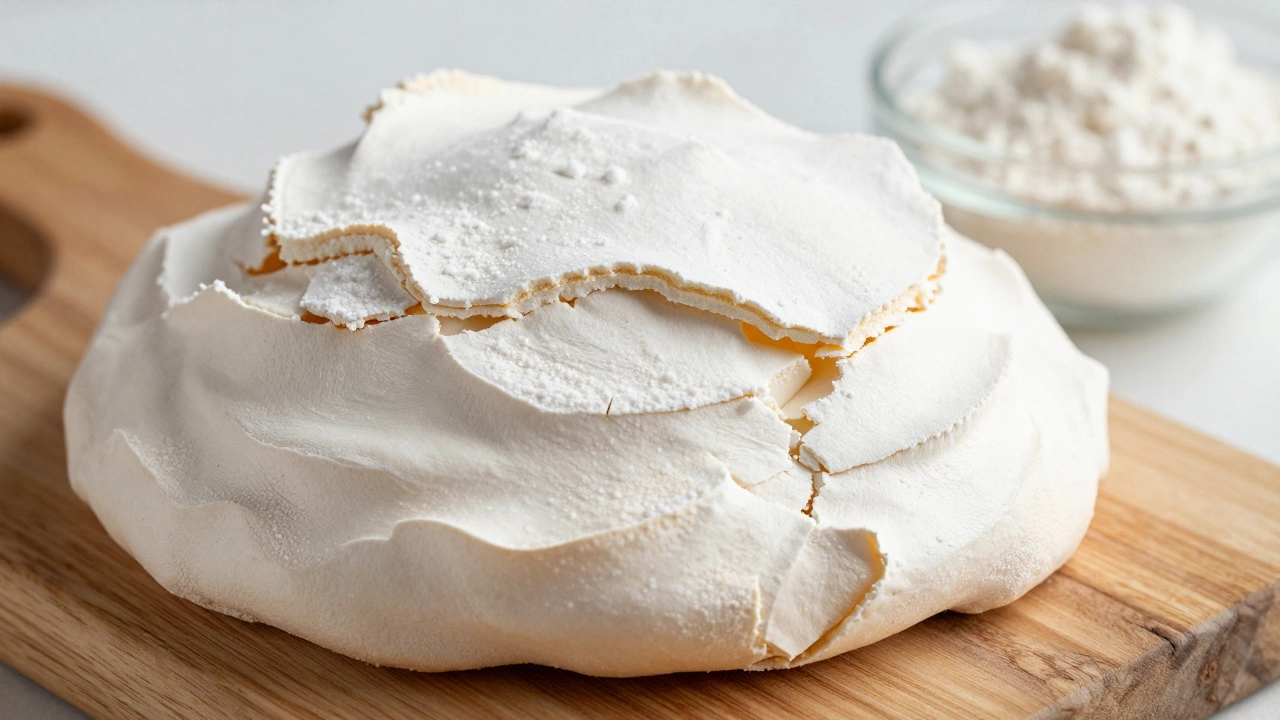
The defining feature of a great pavlova is the contrast between the exterior and the interior. You want a thin, crisp shell that shatters when you press it, giving way to a soft, chewy center. Water is the enemy of that crispness. Meringue is essentially egg whites and sugar, both of which hold onto water molecules tightly.
When you bake a standard meringue without cornflour, the water inside tries to escape as steam. This steam can cause the structure to collapse or remain damp. Cornflour acts as a desiccant-a drying agent. It absorbs excess moisture within the egg white mixture before it even hits the oven. By soaking up this free water, the cornflour ensures that the surface dries out faster and more thoroughly during the long, low-temperature bake. The result? A stable, dry crust that doesn’t turn into a gummy mess.
Does cornflour make the pavlova sweeter?
No. Cornflour is tasteless. Its role is purely structural and textural, not flavor-based.
Stabilizing the Foam Structure
Egg whites are proteins. When you whip them, you unfold these proteins and trap air bubbles. Sugar helps stabilize this foam, but it’s hygroscopic, meaning it attracts and holds water from the air. This is why meringues can become sticky on humid days. Cornflour interferes with the protein network in a beneficial way. It coats the protein strands slightly, preventing them from bonding too tightly and becoming tough or rubbery.
This stabilization is crucial because pavlovas are baked at very low temperatures, often around 120°C (250°F), for a long time. This slow process requires the foam structure to hold its shape without collapsing under its own weight. The cornflour provides internal support, allowing the pavlova to rise gently and maintain its height without cracking excessively or deflating.
Absorbing Weeping Syrup
One of the most common failures in pavlova making is “weeping.” This happens when liquid sugar syrup beads up on the surface or leaks from the bottom. It looks unappetizing and ruins the texture. Weeping occurs when the sugar hasn’t fully dissolved or when moisture migrates from the center to the cooler outer edges.
Cornflour tackles weeping head-on. Because it absorbs moisture, it keeps the internal environment of the meringue drier. Less free water means less chance of sugar syrup forming and migrating. If you’ve ever tried to salvage a weeping pavlova by covering it with cream immediately, you know how messy it gets. Adding cornflour prevents this issue entirely, giving you a clean, dry base for your toppings.
Cornflour vs. Cornstarch: Same Thing, Different Name
If you’re following an Australian or New Zealand recipe (where pavlova originated), it will say “cornflour.” If you’re in the US, Canada, or parts of Europe, look for “cornstarch.” They are identical products. Both are extracted from the endosperm of corn kernels and consist almost entirely of starch granules. Do not substitute wheat flour. Wheat flour contains gluten, which would make the pavlova dense and cake-like, completely destroying the airy texture you’re aiming for.
| Ingredient | Can Substitute? | Result if Used |
|---|---|---|
| Cornstarch | Yes (1:1) | Identical results |
| Tapioca Starch | Yes (1:1) | Slightly chewier center, good alternative |
| Potato Starch | Yes (1:1) | Very absorbent, may dry out center too much |
| All-Purpose Flour | No | Dense, cake-like, gluten-heavy texture |
| Arrowroot Powder | Yes (1:1) | Good clarity, similar texture to cornflour |
How Much Cornflour Should You Use?
Balance is key. While cornflour is essential, using too much can backfire. If you overload the mixture with starch, the center becomes dry and crumbly rather than soft and marshmallowy. Most standard pavlova recipes call for 1 to 2 tablespoons of cornflour for every 4 to 6 egg whites. This small amount is enough to control moisture without altering the delicate balance of the foam.
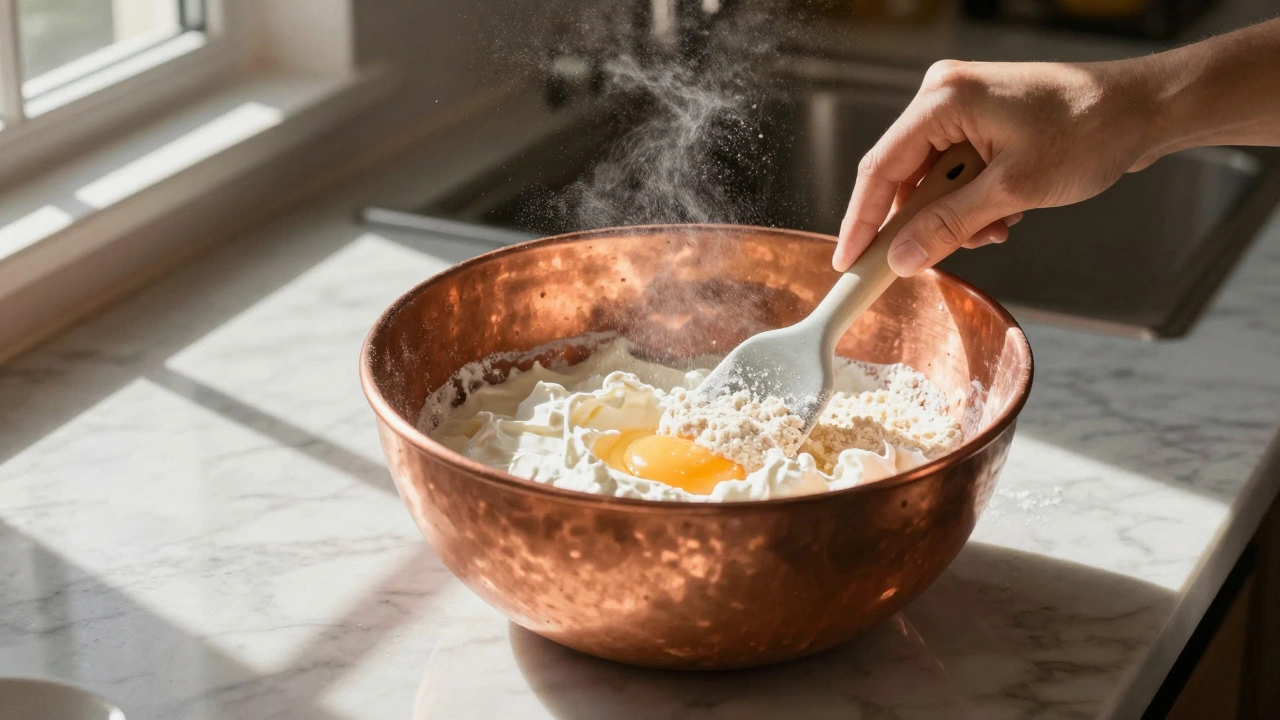
Always sift the cornflour with the sugar before folding it into the egg whites. This prevents lumps, which can create weak spots in the meringue structure. Lumps of dry cornflour won’t hydrate properly during the short mixing time, leading to gritty textures or uneven browning.
The Role of Acid: Working With Cornflour
While cornflour handles moisture and structure, acid (usually vinegar or lemon juice) handles stability and color. These two ingredients work together. The acid strengthens the protein bonds in the egg whites, helping them withstand the heat. The cornflour manages the water content. Together, they ensure the pavlova stays white (acid prevents yellowing) and maintains its shape.
Think of it as a team effort. The egg whites provide the lift, the sugar provides the sweetness and bulk, the acid provides strength and color, and the cornflour provides the texture and dryness. Remove any one of these, and the pavlova suffers.
Common Mistakes When Using Cornflour
Even with the right ingredients, technique matters. Here are the most common errors bakers make when incorporating cornflour:
- Folding too vigorously: Once the cornflour and sugar are added, fold gently. Over-mixing deflates the air bubbles you worked so hard to create.
- Skipping the sifting: As mentioned, lumps are bad. Sift the cornflour with the sugar to ensure an even distribution.
- Baking at too high a temperature: Cornflour needs time to do its job. High heat sets the outside too quickly, trapping moisture inside. Stick to low and slow (120°C-130°C / 250°F-265°F).
- Removing from the oven too soon: Let the pavlova cool completely in the turned-off oven with the door slightly ajar. This gradual cooling allows the cornflour to continue absorbing residual moisture, setting the final texture.
Is Cornflour Gluten-Free?
Yes, pure cornflour is naturally gluten-free. This makes pavlova an excellent dessert option for those with celiac disease or gluten sensitivity, provided you use certified gluten-free cornflour and check all other ingredients (like vanilla extract) for cross-contamination. Unlike cakes or cookies, pavlova relies on egg whites for structure, not gluten networks, making it inherently suitable for gluten-free diets when made correctly.
Final Thoughts on the Secret Ingredient
Next time you see a small amount of cornflour in a pavlova recipe, don’t skip it. It’s not an optional extra; it’s the engineering marvel that allows this dessert to exist in its current form. It gives you the crisp shell you hear crunching and the soft center you love spreading with whipped cream and fresh berries. Treat it with respect, measure it accurately, and your next pavlova will be a showstopper.
Can I make pavlova without cornflour?
You can, but the texture will differ. Without cornflour, the shell may be less crisp and the center softer and potentially wetter. It will resemble a traditional Italian meringue more than a classic pavlova.
Why does my pavlova crack?
Cracking is often due to temperature changes. Opening the oven door too early or cooling the pavlova too quickly can cause cracks. Cornflour helps mitigate this by stabilizing the structure, but gentle handling is still required.
Does cornflour affect the taste?
No. Cornflour is flavorless. It only affects the texture and moisture content of the final dessert.
What is the best type of sugar for pavlova?
Superfine caster sugar is ideal because it dissolves easily. If you only have regular granulated sugar, blend it briefly in a food processor to reduce graininess, which helps prevent weeping.
How long should I bake a pavlova?
Typically 1.5 to 2 hours at a low temperature (120°C/250°F). The size of the pavlova matters; larger ones need more time. Always let it cool in the oven to finish drying.
Popular Posts
Perfectly Portioning Macarons for Gatherings
Jan, 20 2025
How Long Does Homemade Fudge Last? Storage Guide
Sep, 7 2026