NY Style Cheesecake Density Calculator
Ingredient Inputs
Adjust the sliders to see how ingredient proportions affect the texture.
Analysis Result
What Makes NY Style Cheesecake Different?
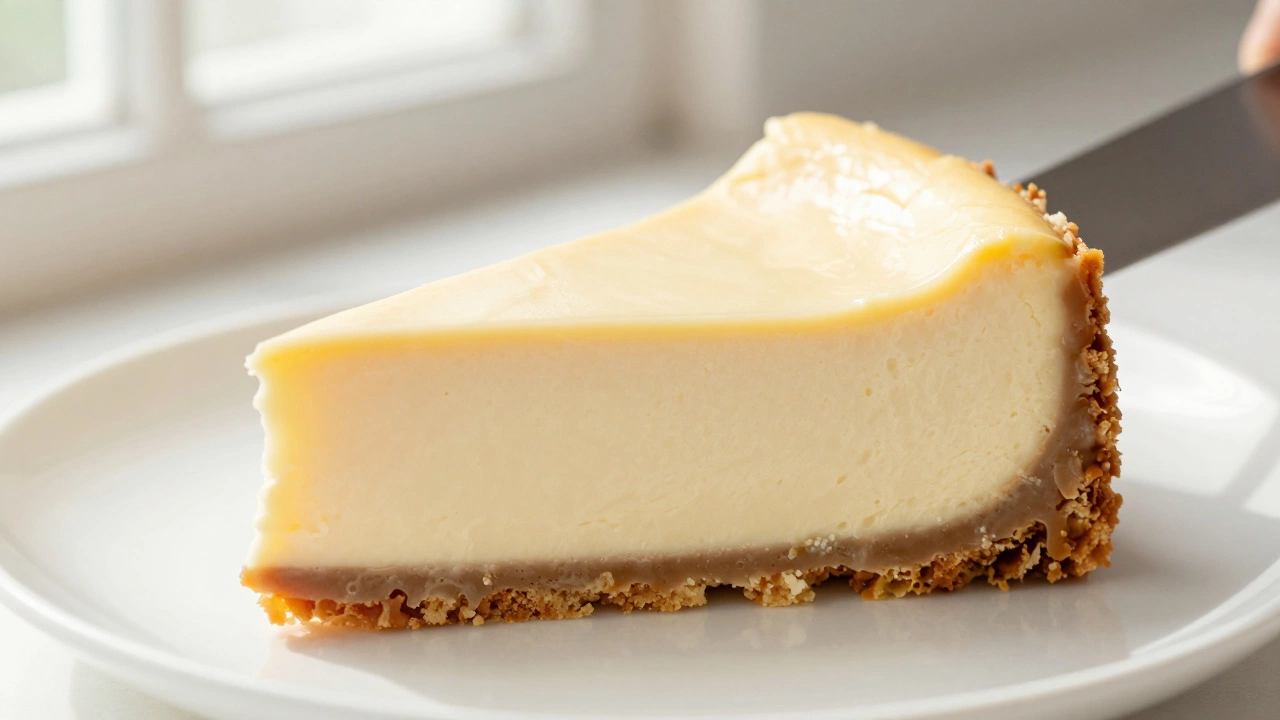
Have you ever taken a bite of a light, airy New York-style cheesecake is a dense, rich dessert made primarily with cream cheese, sugar, and eggs, known for its smooth texture and intense flavor and wondered why it feels so different from the fluffy versions you find in other parts of the world? It’s not just marketing. There is a specific set of techniques and ingredient ratios that define this iconic treat. When people ask "why is it NY style cheesecake?", they are usually asking about that unmistakable density and that profound richness that seems to melt on your tongue without being overly sweet.
The secret lies in simplicity and proportion. Unlike Philadelphia-style cheesecake is a lighter, fluffier variation often made with whipped egg whites or sour cream, resulting in a less dense crumb, which might use whipped egg whites to add air, the New York version relies on heavy cream and full-fat cream cheese to create a custard-like consistency. It is essentially a baked custard disguised as a cake. The result is a slice that stands tall on your plate, with a creamy interior that holds its shape but yields easily to a fork.
The Foundation: Ingredients That Matter
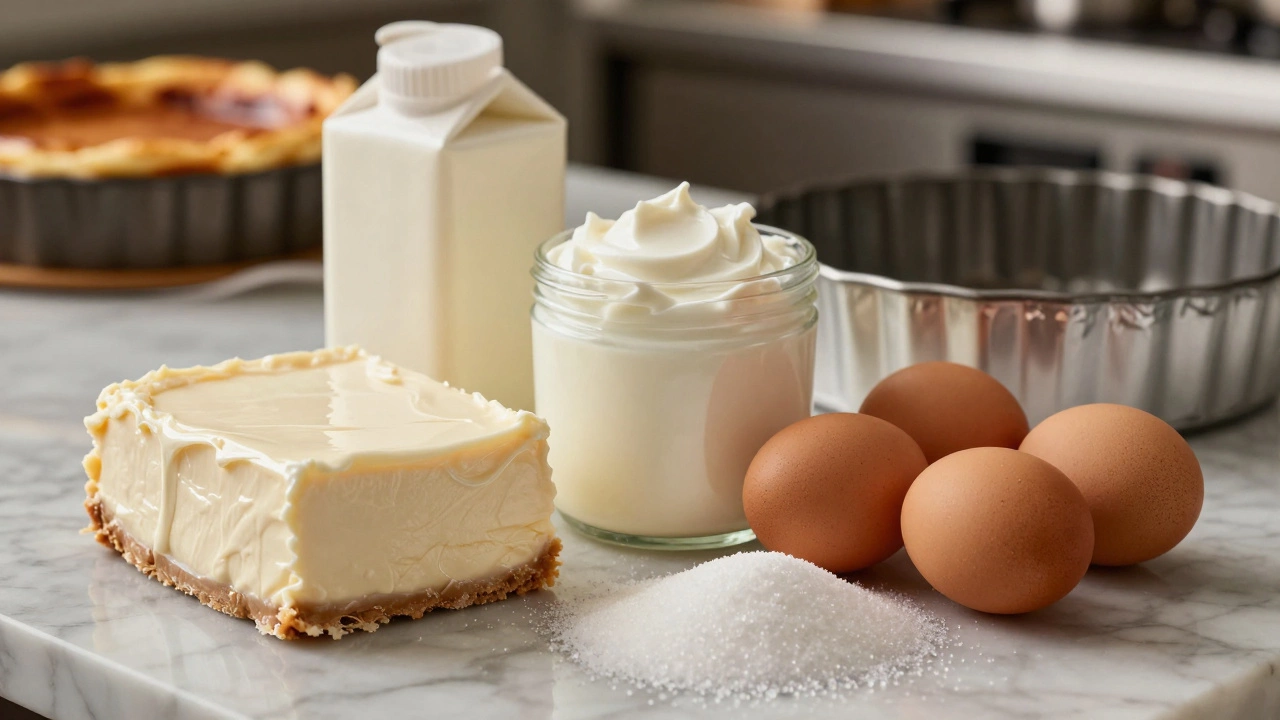
You cannot fake this texture with shortcuts. If you want that authentic NY style cheesecake experience, you need to respect the ingredients. The primary driver here is the quality and quantity of the dairy. Most recipes call for at least two pounds of full-fat cream cheese. Brands like Kraft Philadelphia Cream Cheese is the standard brand used in most authentic New York cheesecake recipes due to its consistent fat content and availability are often cited because their fat percentage (around 33%) provides the necessary structure and mouthfeel. Lower-fat alternatives will result in a rubbery or dry texture, completely missing the mark.
But cream cheese isn’t doing all the work. You also need:
- Sugar:Granulated white sugar is standard. It dissolves into the batter to create a glossy finish and contributes to the browning process. Some bakers add a touch of brown sugar for depth, but purists stick to white to keep the flavor profile clean.
- Eggs:Whole eggs provide structure and richness. The yolks add fat and emulsification, while the whites provide just enough protein to set the cake without making it tough. Over-beating these introduces air, which we want to avoid.
- Heavy Cream:This is the game-changer. Adding heavy cream (also known as double cream in some regions) increases the fat content significantly. This prevents the proteins in the cream cheese from tightening up too much during baking, keeping the texture silky rather than curdled.
- Vanilla Extract:Pure vanilla extract adds aromatic complexity. It balances the tanginess of the cream cheese. Avoid vanilla powder if possible; the liquid integrates better into the dense batter.
Note that there is no flour in an authentic NY cheesecake. Flour is often used in other styles to stabilize the mixture, but here, the eggs and cream do the stabilizing. Adding flour would make it taste more like a shortcake or a pastry, detracting from that pure, cheesy intensity.
The Crust: Graham Crackers vs. Digestives
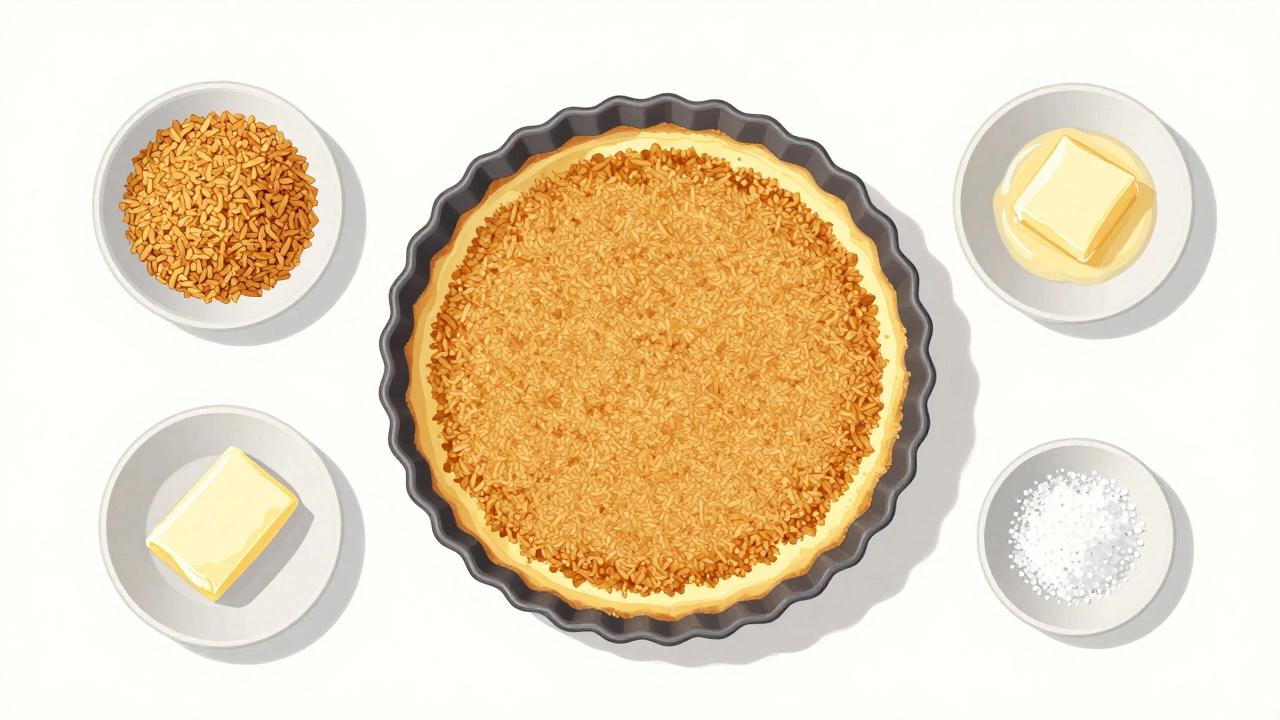
While the filling gets all the glory, the crust is essential for structural integrity. In New York, the traditional base is made from Graham crackers are sweet, unleavened square biscuits commonly used in North American desserts, particularly for pie and cheesecake crusts. These wafers have a distinct honey-like sweetness and a coarse texture that complements the smooth filling.
If you are baking outside of the US, you might not find Graham crackers easily. In that case, Digestive biscuits are a popular British biscuit often used as a substitute for Graham crackers in cheesecake crusts due to their similar crumbly texture and mild sweetness are a decent alternative, though they are slightly sweeter and less wheaty. Some high-end bakeries even use Sablé breton is a French butter cookie that can be used for a more sophisticated, less sweet crust in gourmet cheesecakes or plain graham cracker crumbs mixed with melted butter and a pinch of salt. The key is to press the crust firmly into the pan. A loose crust will slide out when you try to remove the cheesecake later.
Baking Techniques: Low and Slow
Why does your homemade cheesecake sometimes crack on top? Or worse, shrink away from the sides of the pan? These are common failures that ruin the perfect NY look. The answer lies in temperature control and cooling methods.
New York cheesecakes are typically baked in a water bath is a baking technique where the cheesecake pan is placed inside a larger pan filled with hot water to ensure gentle, even heating and prevent cracking. This method creates a humid environment in the oven, which regulates the temperature around the cake. Without a water bath, the edges of the cheesecake cook faster than the center, causing the proteins to contract rapidly and leading to those unsightly cracks.
Here is the step-by-step approach to getting the bake right:
- Mix gently: Beat the cream cheese and sugar until just combined. Do not whip it. You want to incorporate as little air as possible. Air bubbles expand in the oven and then collapse as the cake cools, creating holes and cracks.
- Add eggs one at a time: Mix each egg in fully before adding the next. Again, mix on low speed. You are looking for a homogenous batter, not a fluffy mousse.
- Preheat carefully: Most recipes call for a temperature between 300°F and 325°F (150°C - 160°C). Higher temperatures cause rapid expansion and cracking.
- The jiggle test: When the timer goes off, the center should still have a slight jiggle, like Jell-O. It will continue to cook from residual heat as it cools. If it looks set in the oven, it’s already overcooked.
Cooling: The Patience Test
This is where many home bakers fail. You cannot take a hot cheesecake out of the oven and put it straight into the fridge. The sudden temperature drop causes thermal shock, which leads to sinking and cracking.
Instead, turn off the oven and crack the door open slightly. Leave the cheesecake inside for about an hour. This allows it to cool gradually alongside the oven. Once it reaches room temperature, you can transfer it to the refrigerator. For the best texture, let it chill overnight. The flavors meld together, and the structure firms up, making slicing much cleaner.
| Feature | New York Style | Philadelphia Style | Basque Burnt |
|---|---|---|---|
| Texture | Dense, creamy, custard-like | Light, airy, fluffy | Soft, caramelized exterior, runny center |
| Crust | Graham cracker base | Often no crust or thin graham base | No crust |
| Main Dairy | Cream cheese + Heavy cream | Cream cheese + Sour cream/Whipped egg whites | Cream cheese + Eggs + Sugar |
| Baking Method | Water bath, low temp | Standard bake, higher temp | High temp, no water bath |
| Flavor Profile | Rich, tangy, sweet | Milder, lighter | Caramelized, smoky, rich |
Troubleshooting Common Issues
Even with the right recipe, things can go wrong. Here is how to fix the most frequent problems associated with NY style cheesecake.
Cracks on Top: This is almost always caused by over-mixing (incorporating too much air) or baking at too high a temperature. Ensure your cream cheese is at room temperature before mixing so it blends smoothly without vigorous beating. Always use a water bath.
Soggy Crust: If your bottom is wet, it’s likely because the water from the bath seeped into the pan. Wrap the bottom of your springform pan tightly in aluminum foil-double wrap it-to prevent leakage. Alternatively, pre-bake the crust for 10 minutes before adding the filling to create a moisture barrier.
Separation: If you see oil pooling on the surface, the cheesecake has been overheated, causing the fats to separate from the proteins. This happens if the oven temperature is too high or if you bake it for too long. Stick to the jiggle test.
Serving Suggestions
Because the flavor of a true NY cheesecake is so potent, it doesn’t need much accompaniment. A simple dusting of powdered sugar is elegant. However, many people enjoy a contrast in texture and acidity. Fresh berries like strawberries or raspberries cut through the richness perfectly. A drizzle of salted caramel sauce is a popular topping for cheesecake that adds a salty-sweet contrast to the creamy filling or a dark chocolate ganache can elevate it to a special occasion dessert. Serve slices cold, straight from the fridge, for the best firmness.
Can I make NY style cheesecake without a water bath?
You can, but it is risky. Without a water bath, the edges will likely overcook before the center is done, leading to cracks and a drier texture. If you must skip it, place a pan of hot water on the rack below the cheesecake to add humidity, and reduce the oven temperature by 25°F (15°C).
Why is my cheesecake rubbery?
A rubbery texture usually means the cheesecake was overmixed or overbaked. Overmixing develops the gluten in any added flour (if used) and tightens the protein structure in the eggs. Overbaking expels too much moisture. Aim for a soft center when removing it from the oven.
How long does NY style cheesecake last in the fridge?
Properly stored in an airtight container, NY style cheesecake will last for 5 to 7 days in the refrigerator. Because it contains fresh dairy and eggs, it is not safe to leave it at room temperature for more than two hours.
Can I freeze NY style cheesecake?
Yes, it freezes well. Wrap individual slices tightly in plastic wrap and then in aluminum foil. They will stay good for up to 3 months. Thaw them in the refrigerator overnight before serving. Note that the texture may become slightly softer after thawing.
What is the difference between NY style and regular cheesecake?
The main differences are density and ingredients. NY style uses more cream cheese and heavy cream, resulting in a denser, richer, and smoother texture. Regular or lighter styles often include sour cream, yogurt, or whipped egg whites, which make the cake fluffier and less intense in flavor.
Popular Posts

Who Made the Best Tiramisu in the World?
Apr, 25 2025