
Fudge Rescue Diagnostic Tool
Is your fudge wobbling like jelly or turning grainy? Use this tool to identify the problem and find the fix.
Problem Identified
Description of the issue goes here.
Recommended Fix
Select options on the left to diagnose your fudge.
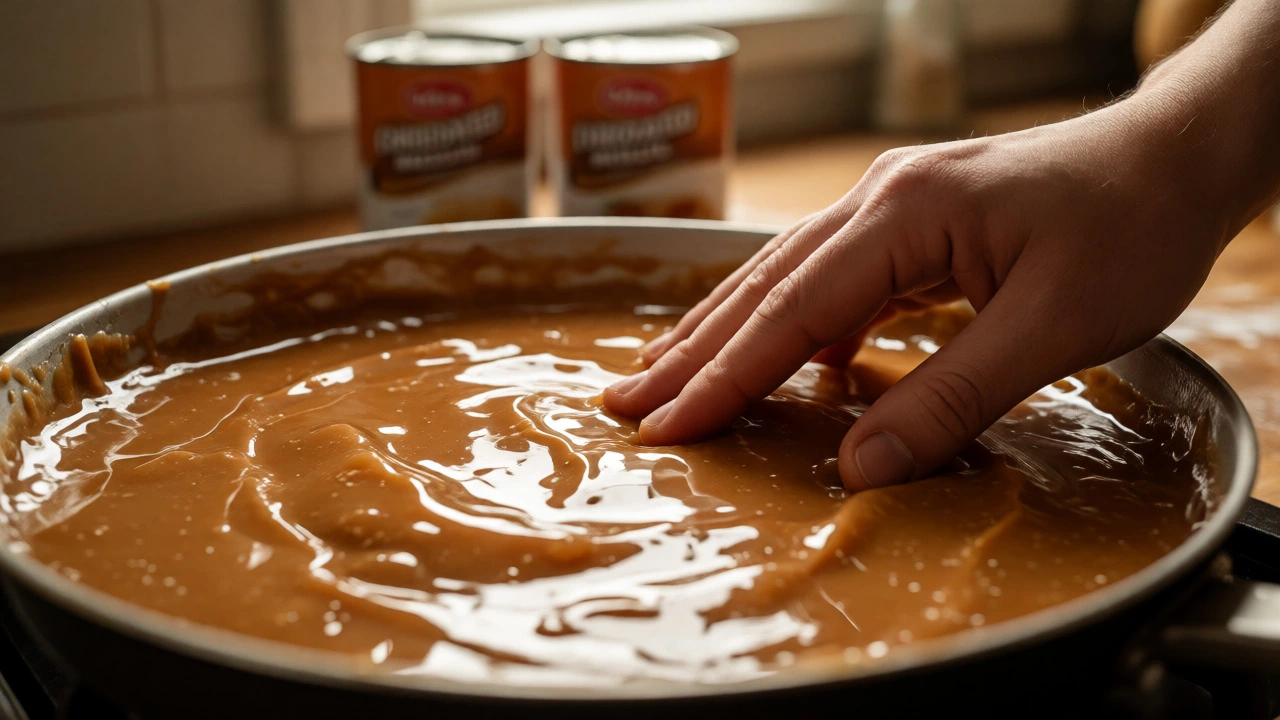
You poured the glossy, golden mixture into the pan, scraped the sides clean, and waited. An hour later, you check again. It’s still wobbling like jelly or, worse, it’s a sticky, grainy mess that refuses to firm up. If your no-bake fudge made with sweetened condensed milk won't set, you aren’t alone. This is one of the most common kitchen disasters in baking, but it’s almost always fixable if you know why it happened.
Unlike traditional sugar-based fudge, which relies on precise temperature control to reach the "soft ball" stage (around 112-115°C), condensed milk fudge depends on chemical reactions and fat content. When it fails, it’s usually down to three culprits: incorrect ratios, insufficient cooling time, or contamination from moisture. Let’s break down exactly what went wrong and how to save your batch.
The Science Behind No-Bake Fudge
To fix the problem, you first need to understand the mechanism. Traditional fudge works by boiling sugar syrup to evaporate water, forcing sugar crystals to form as it cools. Sweetened condensed milk is different. It’s already been heated to remove about 60% of its water content and has sugar added for preservation. When you mix it with chocolate and butter, you’re creating an emulsion where cocoa butter and dairy fats solidify as they cool below room temperature.
If your fudge stays soft, it means the fat network didn’t crystallize properly. This can happen if the chocolate wasn’t tempered correctly, if there was too much liquid introduced during mixing, or if the ambient temperature in your kitchen is too high. Think of it less as cooking and more as chemistry. You are building a structure out of solidified fats. If the ingredients are out of balance, the structure collapses.
Common Reason #1: The Wrong Type of Milk
This sounds obvious, but it’s the number one mistake beginners make. Did you grab evaporated milk instead of sweetened condensed milk? They look identical in cans-small, tinny, and white-but they behave completely differently.
- Sweetened Condensed Milk: Contains sugar. Thick, viscous, and sweet. Essential for setting because the sugar helps stabilize the mixture.
- Evaporated Milk: No added sugar. Thinner than condensed milk. If you use this, your fudge will likely remain runny unless you add significant amounts of powdered sugar or boil it longer.
If you used evaporated milk by accident, don’t panic. You can salvage it by stirring in two cups of sifted icing sugar per can of milk used. This reintroduces the necessary solids to help it firm up, though the texture might be slightly denser.
Common Reason #2: Temperature Shock and Cooling Time
Patience is an ingredient here. Many people assume fudge sets in ten minutes. In reality, cocoa butter needs time to transition from liquid to solid crystal forms. If you cut into it too early, you disrupt the setting process, leaving it soft forever.
Here is the rule of thumb for setting times based on method:
| Method | Ambient Temp (20°C) | Fridge (4°C) | Freezer (-18°C) |
|---|---|---|---|
| Stovetop Mix | 4-6 hours | 1-2 hours | 30-45 mins |
| Microwave Method | 3-4 hours | 45-60 mins | 20-30 mins |
| High Humidity Kitchen | 6+ hours | 2-3 hours | 45+ mins |
If you live in a warm climate or your kitchen is near an oven, ambient setting might never fully work. Always give it at least two hours in the fridge before testing. If it’s still soft after that, move to the freezer for 20 minutes. If it firms up in the freezer but melts back to soft in the fridge, your recipe lacks enough solidifying agents (like dark chocolate or butter).
Common Reason #3: Too Much Liquid or Incorrect Ratios
Fudge is sensitive to hydration. Adding extra vanilla extract, food coloring, or liqueurs can throw off the balance. A standard ratio is roughly 1 part condensed milk to 2 parts chocolate chips (by weight). If you add half a cup of Baileys or excessive vanilla, you introduce water that prevents the fats from locking together.
Check your recipe. Are you using large eggs? Some recipes include egg yolks for richness. If so, ensure they are fully cooked into the hot mixture. Raw egg whites can prevent setting. Also, beware of adding fresh fruit purees. Strawberry or raspberry puree contains high water content. If you want fruit flavor, use freeze-dried fruit powder instead. It adds intense flavor without the wetness that ruins the set.
Troubleshooting Graininess vs. Softness
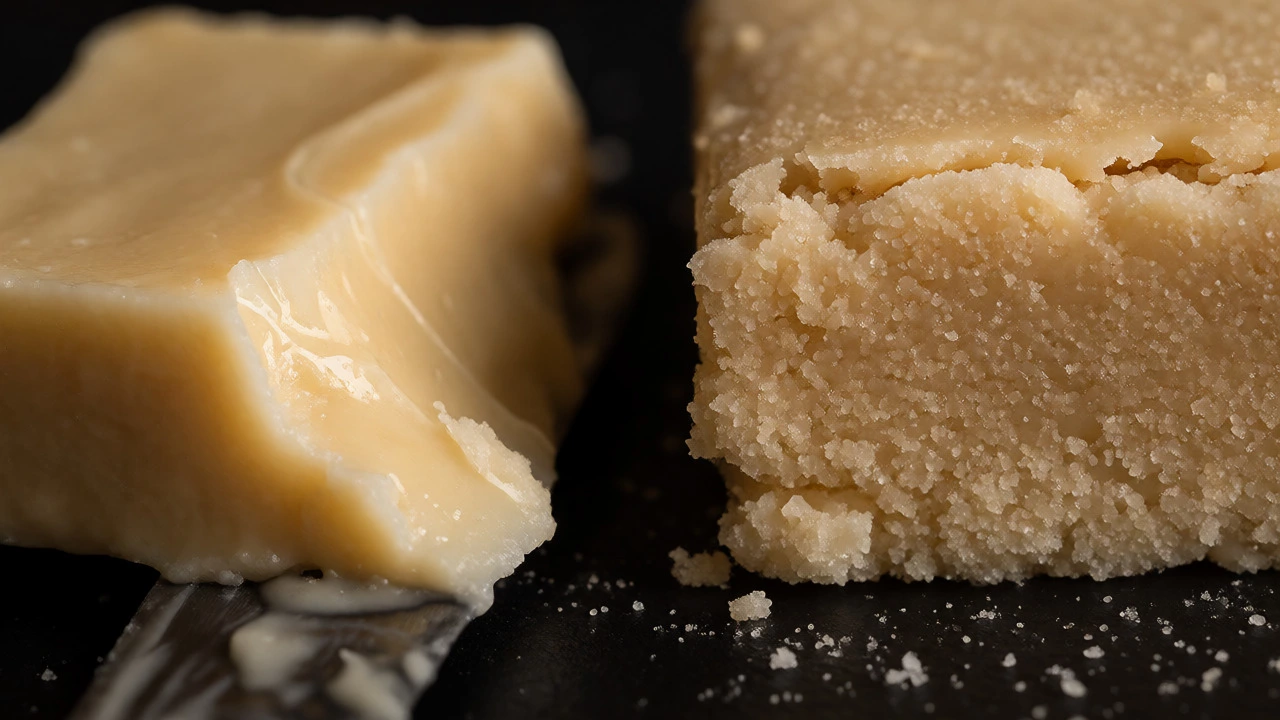
Not all failed fudge is soft. Sometimes it’s hard and gritty. This is called crystallization. It happens when sugar molecules clump together rather than staying dispersed in the fat matrix.
Soft/Wobbly Fudge: Usually caused by under-cooling, wrong milk type, or too much liquid. Fix: Chill longer, or re-melt and add more chocolate.
Grainy/Hard Fudge: Caused by overheating, stirring too vigorously while cooling, or using low-quality chocolate with poor cocoa butter quality. Fix: Re-melt gently with a splash of cream to smooth it out, then cool slowly.
How do you tell which one you have? Press your finger into the center. If it leaves a deep dent that doesn’t spring back, it’s too soft. If it cracks or feels sandy, it’s crystallized.
How to Rescue Runny Fudge
Don’t throw it away. You can almost always save a batch that hasn’t set. Here are three proven methods, ranked by effectiveness.
Method 1: The Refrigerator Reset
This is the easiest fix. Cover the pan tightly with cling film, ensuring it touches the surface of the fudge to prevent a skin from forming. Place it in the coldest part of your fridge for at least four hours, preferably overnight. Often, the issue is simply impatience. Cold temperatures accelerate the crystallization of cocoa butter. If it sets overnight, slice it cold for clean cuts.
Method 2: Add More Chocolate
If refrigeration doesn’t work, your fat-to-liquid ratio is off. Melt 100g of additional dark chocolate (70% cocoa) or white chocolate (if your fudge is light-colored). Stir it into your semi-set fudge over low heat until combined. Pour it back into the lined pan and chill again. Dark chocolate has higher cocoa butter content, which acts as a natural setting agent.
Method 3: The Powdered Sugar Boost
If you suspect too much liquid was added, stir in sifted icing sugar. Start with 1/2 cup per 400g of fudge mixture. Sift it first to avoid lumps. Mix thoroughly. This adds bulk and absorbs excess moisture. Note: This will make the fudge sweeter and slightly chalkier in texture, but it will definitely set.
Preventing Future Failures: Expert Tips
Once you’ve saved this batch, let’s ensure the next one is perfect. Prevention is easier than cure.
- Weigh Your Ingredients: Volume measurements (cups) are inaccurate for dense items like condensed milk. Use a digital scale. Precision matters in confectionery.
- Use High-Quality Chocolate: Cheap compound chocolate often uses vegetable oils instead of cocoa butter. These oils have lower melting points and may not set firmly at room temperature. Look for couverture or baking bars with real cocoa butter.
- Control the Heat: When melting chocolate and condensed milk together, use low heat. High heat causes the milk sugars to burn and the chocolate to seize. A double boiler is safer than direct heat.
- Dry Equipment: Ensure your bowl and spatula are completely dry. Even a teaspoon of water left in the bowl can cause the chocolate to seize or the fudge to become grainy.
- Add Flavorings Last: Stir in vanilla, extracts, or alcohol only after removing the pan from heat. Adding them while boiling can evaporate the flavor and alter the consistency unpredictably.
When to Give Up and Repurpose
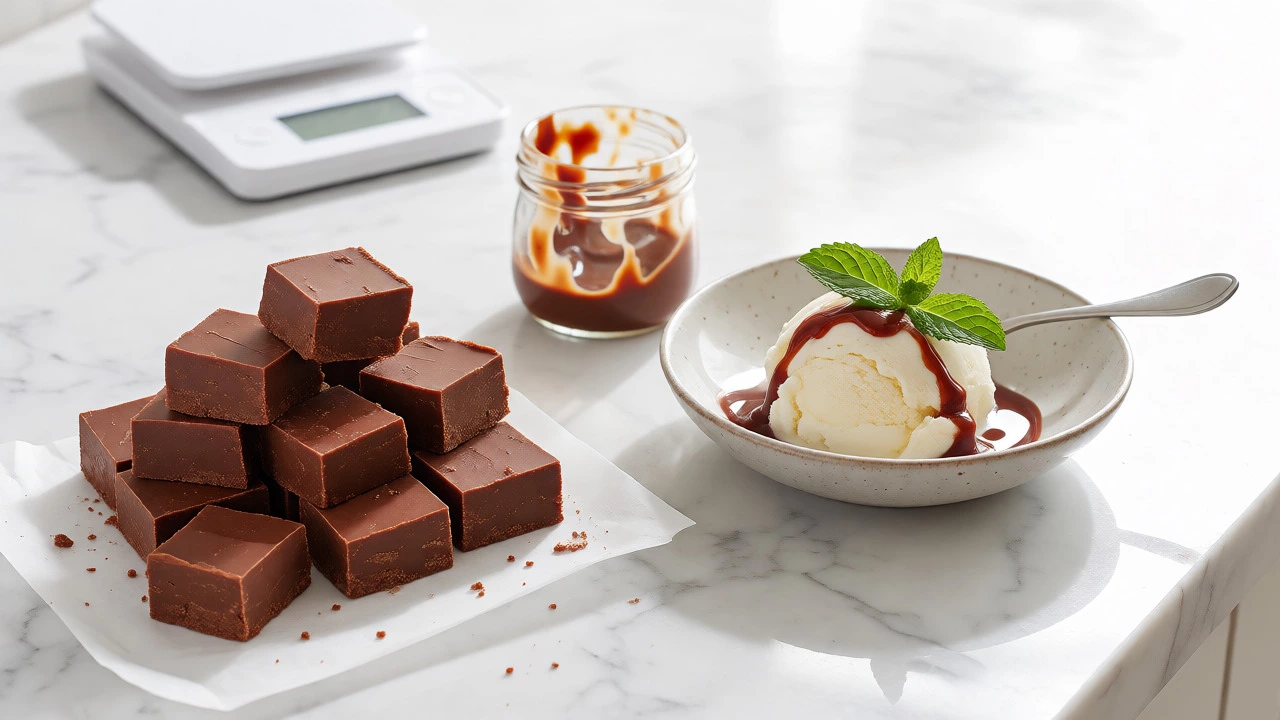
Sometimes, despite your best efforts, the texture just isn’t right. Maybe it’s too grainy to slice neatly, or perhaps it’s so soft it slides around the plate. Don’t despair. Soft fudge is essentially thick caramel sauce.
Scrape it into a jar and store it in the fridge. Use it as:
- A topping for ice cream or pancakes.
- A filling for cupcakes or brownies.
- A swirl-in for cheesecake batter.
- A dip for apple slices or pretzels.
It tastes delicious regardless of whether it holds its shape. So even if it fails as a candy, it succeeds as a dessert component.
Can I remelt fudge that didn't set?
Yes, absolutely. Gently reheat the fudge in a microwave-safe bowl or over a double boiler on low heat. Stir constantly until it becomes smooth and liquid again. Then, adjust the consistency by adding more chocolate (to thicken) or a splash of cream (to thin), pour it back into the mold, and allow it to set slowly in the refrigerator.
Why is my fudge grainy?
Graininess in condensed milk fudge is usually caused by sugar crystallization. This happens if the mixture was stirred too vigorously while cooling, if it was overheated causing the sugars to separate, or if the chocolate seized due to contact with moisture. To fix it, melt it down again, add a tablespoon of corn syrup or cream to inhibit further crystallization, and cool it undisturbed.
Does humidity affect fudge setting?
Yes, high humidity significantly impacts fudge. Sugar is hygroscopic, meaning it attracts moisture from the air. In humid environments, fudge struggles to lose enough moisture to set firmly, and it may become sticky or soft over time. If you live in a humid area, always store fudge in an airtight container and consider adding a small amount of cornstarch to your recipe to absorb excess moisture.
Can I use coconut milk instead of condensed milk?
You can use canned coconut milk, but it must be full-fat and sweetened (or you must add sugar). Regular unsweetened coconut milk is too watery and will result in a very soft, custard-like texture rather than firm fudge. For a vegan option, look specifically for "coconut condensed milk" which has the correct viscosity and sugar content for setting.
How long does homemade fudge last?
Homemade condensed milk fudge lasts about 2 weeks in an airtight container at room temperature in a cool place. It can last up to 3 weeks in the refrigerator. For longer storage, wrap individual pieces tightly in plastic wrap and foil, then freeze for up to 3 months. Thaw in the fridge before serving to maintain texture.
Popular Posts


Cornflour and Vinegar in Pavlova: Why They Matter
Jun, 12 2025

Six Basic Cookies Every Baker Should Know
Jun, 16 2025