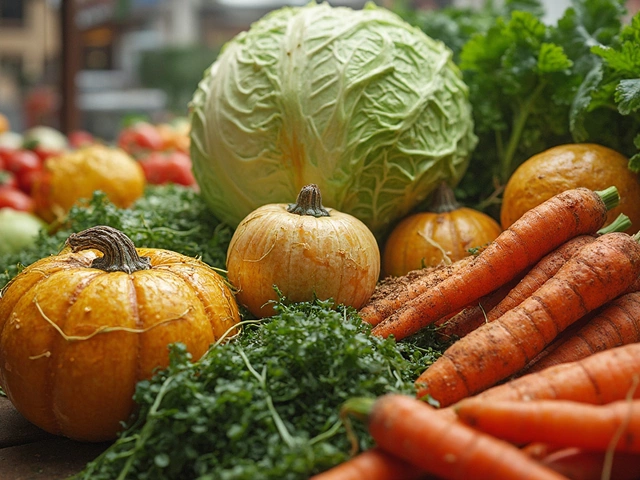
Baking Slang: Decoding Kitchen Terms You Actually Hear in the Oven
When you hear someone say they’re baking slang, the informal words and phrases bakers use to describe techniques, tools, and results in the kitchen. Also known as kitchen lingo, it’s the secret language that turns "mix the batter" into "fold in the eggs until they whisper"—and it’s everywhere in real baking. You won’t find it in textbooks, but you’ll hear it in every bakery, on every baking show, and in every Facebook group where someone’s panicking because their meringue collapsed.
It’s not just about sounding fancy. Baking slang exists because precision matters. When a baker says "crumb coat," they’re not talking about bread crumbs—they’re referring to that thin first layer of frosting you put on a cake before the final coat. It’s the difference between a lumpy, sticky mess and a smooth, professional finish. Same with "tempering chocolate." It doesn’t mean adding sugar. It means carefully heating and cooling chocolate so it sets shiny and snaps cleanly. Skip this step, and your truffles will melt in your hand before you even take a bite. These aren’t just words—they’re instructions that change the outcome.
Then there’s "overmix"—a phrase that strikes fear into every beginner baker. It doesn’t mean stirring too long. It means stirring until gluten wakes up and turns your cake into a brick. Or "bench rest," which sounds like a nap for dough—but it’s the 20-minute pause after shaping bread that lets the gluten relax so it rises evenly. And don’t get started on "macaronage." That’s not a brand of cookies. It’s the exact folding motion you use to get French macarons to have that perfect foot. Mess it up, and you’re left with lopsided, cracked shells. These terms aren’t random. They’re shorthand for decades of trial and error, passed down from baker to baker.
You’ll also hear "dry ingredients" and "wet ingredients" tossed around like they’re obvious—but if you’ve ever dumped flour into melted butter without sifting, you know it’s not that simple. "Creaming" butter and sugar isn’t just mixing. It’s beating air into them until the mixture turns pale and fluffy, which is the secret to light cakes. And "resting" your fudge? That’s not laziness. It’s letting sugar crystals form slowly so you don’t end up with gritty, grainy chunks. These phrases are the invisible rules that keep desserts from turning into disasters.
And then there’s the slang that sounds like nonsense until you’ve been burned by it. "Preheat the oven" isn’t a suggestion—it’s a rule. "Room temperature eggs"? That’s not about comfort. Cold eggs won’t emulsify properly with butter, and your cake will be dense. "Chill the dough"? That’s not to make it easier to handle—it’s to stop the butter from melting too fast and turning your cookies into puddles. These aren’t tips. They’re survival tactics.
What you’ll find below is a collection of posts that unpack exactly these kinds of terms—not as definitions in a glossary, but as real, lived experiences. You’ll learn why flour goes in cheesecake, how to stop pavlova from cracking, and why evaporated milk makes fudge smooth. You’ll see how people actually talk in kitchens, what they mean when they say "it’s not quite set," and why some bakers swear by cornstarch while others avoid it like poison. This isn’t theory. It’s what works when the timer goes off and the house smells like sugar.
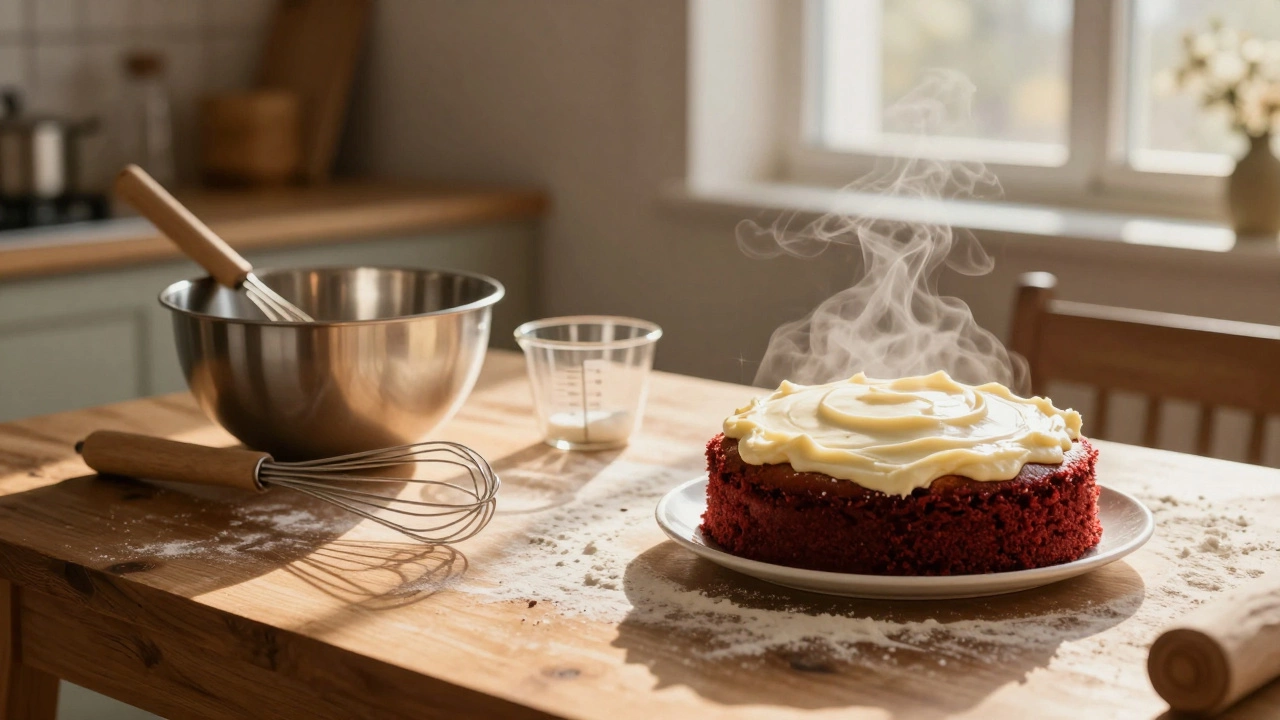
What Is the Street Name for Cake? Understanding Slang Terms for Cake in Baking Culture
The street name for cake isn't a baking term-it's slang for the dangerous drug MDPV. Learn why this confusion happens, how to spot real cake recipes, and what to do if you or someone you know is at risk.
View MorePopular Posts
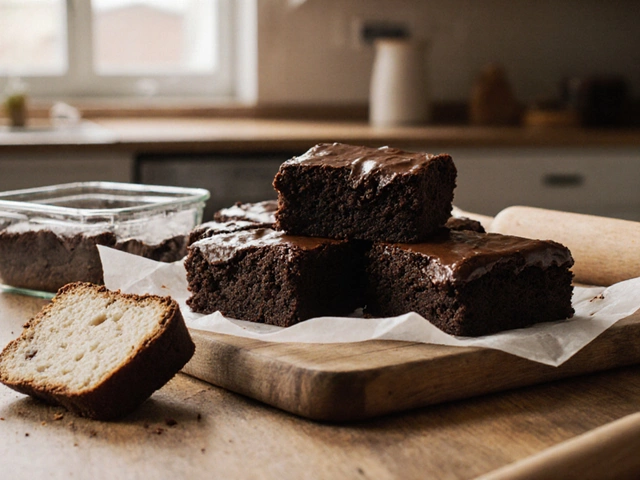
What Not to Do When Making Fudge
Mar, 30 2025