Cheesecake Type Selector
Not sure which cheesecake to make? Answer three simple questions to find the perfect match for your current situation.
You’ve probably stood in front of a bakery display, paralyzed by choice. On one side sits a dense, creamy block that looks like it could double as a doorstop; on the other, a light, airy cloud that barely holds its shape. Then there’s the chilled version that feels more like mousse than cake. What gives? Are they all just variations of the same thing, or are they fundamentally different beasts?
Here is the truth: cheesecake isn’t just one recipe with minor tweaks. It falls into three distinct categories based on how the cheese is set and whether heat is involved. Understanding these differences changes everything about how you bake, store, and serve them. Whether you’re aiming for the iconic density of a Manhattan classic or the effortless speed of a fridge-set dessert, knowing which type you’re making prevents disaster.
The Big Three: Baked, No-Bake, and Frozen
Most home bakers think in terms of ingredients-cream cheese versus ricotta, sugar versus honey. But the real divider is the setting method. The culinary world generally splits cheesecake into three camps: Baked Cheesecake, which relies on heat to coagulate proteins; No-Bake Cheesecake, which uses refrigeration and often gelatin or whipped cream for structure; and Frozen Cheesecake, a hybrid that leans on ice crystals and stabilizers for texture.
Why does this matter? Because treating a no-bake like a baked one results in a soupy mess. Treating a baked one like a frozen one leads to cracks and dryness. Let’s break down exactly what defines each group so you never mix up your techniques again.
1. Baked Cheesecake: The Heavyweight Champion
When people say "cheesecake," they usually mean this one. Baked cheesecake is defined by its use of heat to set the filling, typically involving eggs as a binding agent alongside dairy (cream cheese, sour cream, or quark). The most famous example is the New York style, known for its extreme density and richness. This isn't a delicate soufflé; it’s a substantial slice of comfort.
The science here is straightforward but unforgiving. Eggs contain proteins that unwind and bond when heated, creating a solid network that traps moisture. If you overcook it, those bonds tighten too much, squeezing out water and causing curdling-that’s why your cheesecake cracked down the middle. If you undercook it, the center remains wobbly and unstable.
- Key Ingredients: Cream cheese, eggs, sugar, vanilla, sometimes heavy cream or sour cream.
- Texture: Dense, creamy, rich, and smooth if done right. Crumbly if overbaked.
- Best For: Special occasions, holidays, and when you want that classic, indulgent mouthfeel.
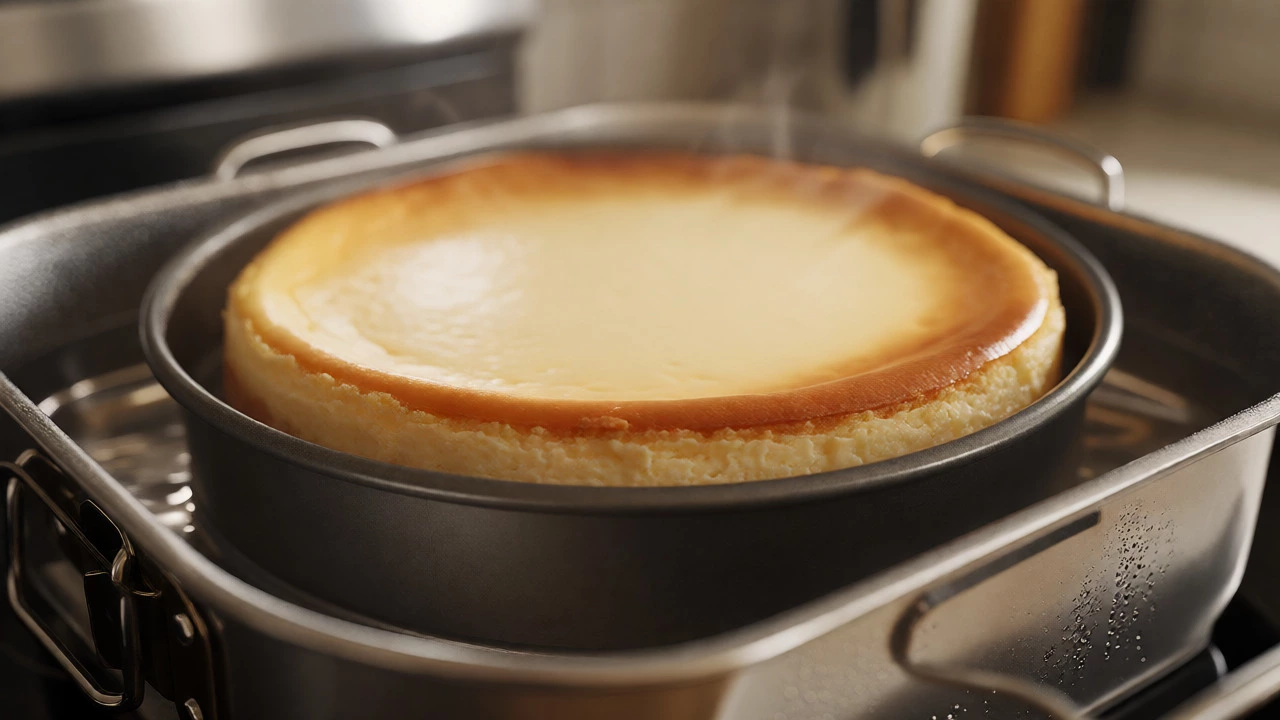
Pro tip from my kitchen in Brighton: Always bake in a water bath (bain-marie). Placing your springform pan inside a larger roasting pan filled with hot water creates gentle, even heat. It acts as a buffer, preventing the edges from cooking faster than the center. This single step reduces cracking by about 80%.
2. No-Bake Cheesecake: The Summer Savior
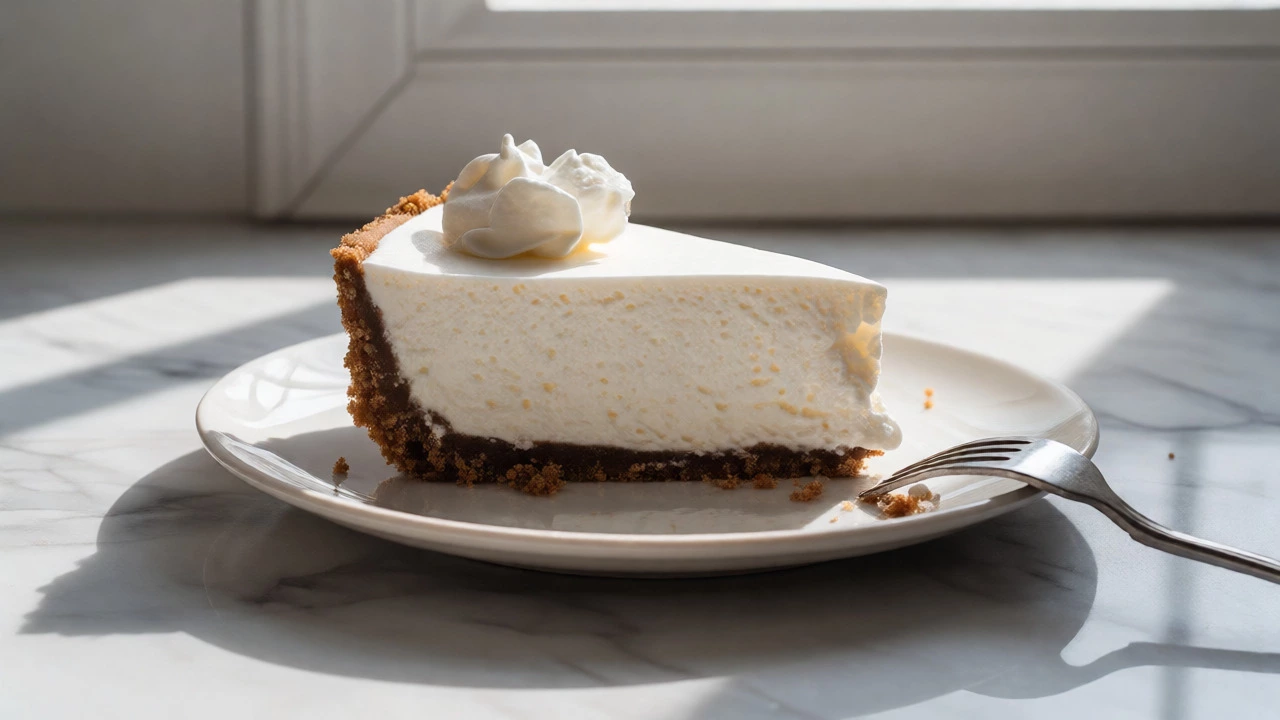
If turning on the oven in July sounds like torture, no-bake cheesecake is your best friend. Unlike its baked cousin, No-bake cheesecake sets through refrigeration, relying on the natural solidity of cold fats and often the structural support of whipped cream or gelatin. There are no eggs to cook, meaning no risk of scrambling your filling.
This type is lighter and airier because you fold in whipped cream. The result is closer to a firm mousse or a thick pudding than a dense brick. It’s refreshing, less sweet, and incredibly quick to assemble. However, it demands respect for temperature. If you leave it out on the counter for an hour, it will start to slide off the plate.
| Feature | Baked Cheesecake | No-Bake Cheesecake |
|---|---|---|
| Setting Agent | Eggs + Heat | Cold Fats + Whipped Cream/Gelatin |
| Prep Time | 20 mins active + 1-2 hours baking | 15 mins active + 4+ hours chilling |
| Texture | Dense, Smooth, Rich | Airy, Light, Mousse-like |
| Stability | High (holds shape at room temp briefly) | Low (melts quickly at room temp) |
The crust is crucial here. Since the filling is soft, you need a sturdy base. Digestive biscuits crushed with melted butter work well, but press them firmly. If the crust is loose, the soft filling will push it apart when you cut a slice. Chill the crust before adding the filling to ensure it stays compact.
3. Frozen Cheesecake: The Unexpected Contender
This is the outlier that confuses people. Is it ice cream? Is it cake? It’s both. Frozen cheesecake utilizes stabilizers like cornstarch or commercial thickeners, combined with high-fat dairy, to prevent large ice crystals from forming during freezing. Think of brands like Ben & Jerry’s cheesecake flavors or homemade versions where you freeze the entire assembly.
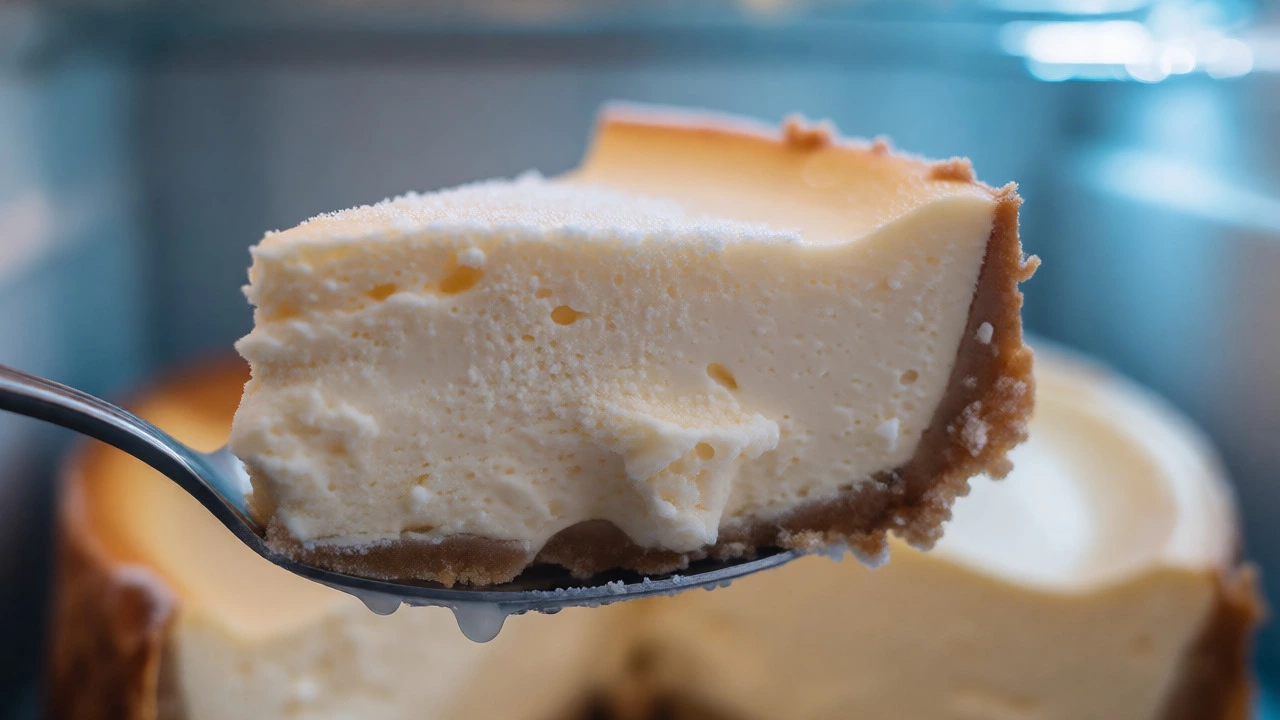
Unlike the other two, frozen cheesecake doesn’t rely on egg coagulation or simple fat solidification alone. It needs help to stay scoopable yet creamy. Without stabilizers, it becomes a rock-hard block of ice that shatters when you try to eat it. With them, it has a velvety, semi-firm texture that softens rapidly upon contact with warmth.
- Key Ingredients: Cream cheese, sugar, cornstarch or guar gum, whipped topping.
- Texture: Ice-cream-like, cool, refreshing, slightly firmer than no-bake.
- Best For: Hot summer days, parties where you want make-ahead desserts, or using leftover fruit purees.
A common mistake? Freezing it without wrapping it tightly. Air exposure causes freezer burn, ruining the delicate flavor of the cream cheese. Double-wrap it in plastic cling film and then foil. When serving, let it sit for 10-15 minutes. Rushing this leads to a knife bouncing off the surface.
How to Choose the Right Type for Your Needs
Still unsure which path to take? Ask yourself these three questions:
- Do I have time to watch the oven? If yes, go baked. If no, choose no-bake or frozen.
- Is it a hot day? Avoid baked cheesecake unless you enjoy sweating. No-bake and frozen shine here.
- Do I want elegance or ease? Baked cheesecake looks professional and slices cleanly. No-bake can look rustic and messy if not chilled properly. Frozen is casual fun.
Consider the audience too. Older relatives often prefer the traditional density of baked cheesecake. Kids and younger crowds usually gravitate toward the lighter, sweeter profiles of no-bake or frozen versions with fruit swirls.
Troubleshooting Common Cheesecake Disasters
Even pros mess up. Here is how to fix the most frequent issues based on the type you made.
Cracks in Baked Cheesecake
Cracks happen when the surface dries out before the center cooks. To hide them, top with fruit compote or whipped cream. Prevention is better: turn off the oven after baking and crack the door open. Let the cheesecake cool slowly inside. Sudden temperature drops cause contraction and splitting.
Soggy Bottoms in No-Bake
If your biscuit base turns mushy, moisture migrated from the filling. Solution: Brush the cooled crust with a thin layer of melted white chocolate. This creates a waterproof barrier. Alternatively, ensure your filling is fully set before pouring-it shouldn’t be runny.
Ice Crystals in Frozen Cheesecake
This means you froze it too slowly or didn’t mix enough air into the cream. Whip your cream to stiff peaks before folding. Ensure your freezer is set to -18°C (0°F) or lower. Fast freezing creates smaller crystals, resulting in a smoother texture.
Final Thoughts on Serving and Storage
Each type has its own rules for storage. Baked cheesecake lasts up to five days in the fridge, wrapped tightly. It actually tastes better on day two as the flavors meld. No-bake cheesecake should be eaten within three days; after that, the crust gets soggy and the filling weeps. Frozen cheesecake can last months, but quality degrades after eight weeks due to oxidation.
Remember, there is no "best" cheesecake. There is only the right cheesecake for the moment. Next time you crave something sweet, pause and decide: Do I want heat? Do I want effort? Or do I want instant gratification? The answer points directly to one of these three types.
Can I convert a baked cheesecake recipe to no-bake?
Not directly. Baked recipes rely on eggs setting with heat. Removing eggs leaves you with a liquid mixture. You must replace the setting power with gelatin or increase the ratio of whipped cream and chilled cream cheese significantly. It requires reformulating the recipe, not just skipping the oven.
Why is my no-bake cheesecake not setting?
This usually happens if the cream wasn't whipped to stiff peaks or if the fridge wasn't cold enough. Ensure your mixing bowl and beaters are chilled before whipping. Also, check that you used full-fat cream cheese; low-fat versions lack the necessary fat content to solidify properly when cold.
Which cheesecake type is easiest for beginners?
No-bake cheesecake is generally the easiest. There is no risk of burning, cracking, or undercooking. The main challenge is patience while it chills. If you follow the ratios correctly, it rarely fails.
Can I freeze baked cheesecake?
Yes, baked cheesecake freezes surprisingly well. Slice it first, wrap individual pieces in plastic wrap, then place them in an airtight container. Thaw overnight in the refrigerator. The texture remains nearly identical to fresh.
What is the difference between New York and Italian cheesecake?
Both are technically baked cheesecakes, but they differ in cheese and texture. New York uses cream cheese and eggs for a dense, rich texture. Italian cheesecake uses ricotta and often lacks eggs, resulting in a lighter, grainier, and less sweet profile. They belong to the same category (baked) but offer vastly different eating experiences.