Sicilian Cheesecake Ingredient Calculator
Adjust the serving size to see exact ingredient quantities needed for authentic Sicilian ricotta cheesecake
Ingredients Needed
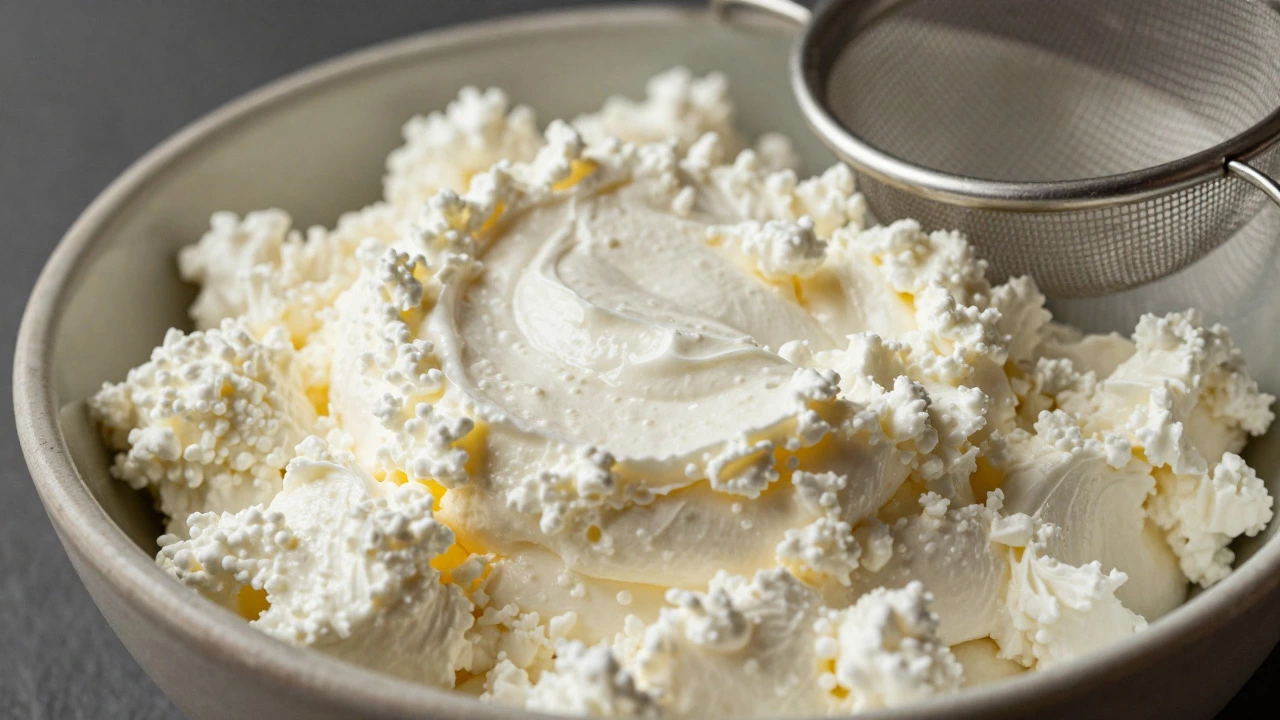
Drain whole-milk ricotta in a fine-mesh sieve for 1-2 hours to remove excess moisture and prevent a soggy cake.
Forget everything you know about the dense, creamy New York style. If you’ve ever tasted a true Sicilian cheesecake is a traditional Italian dessert made primarily with fresh ricotta cheese, giving it a lighter, grainier texture and brighter flavor compared to cream cheese-based varieties, you know it’s something else entirely. It’s sweeter, fluffier, and carries a distinct citrus punch that hits you before you even take a bite. But what exactly goes into making this golden-domed masterpiece?
The short answer is ricotta. That’s the star. But if you think it’s just ricotta, sugar, and eggs, you’re missing the nuance that makes it authentic. This isn’t a no-bake fridge cake; it’s a baked good with a specific structure, relying on high-quality ingredients to achieve its signature crumb. Let’s break down exactly what makes this dessert tick, ingredient by ingredient.
The Heart of the Cake: Fresh Ricotta
If you swap out the ricotta for cream cheese or mascarpone, you aren’t making Sicilian cheesecake anymore. You’re making a variation, but not the real deal. The magic lies in the nature of ricotta is an Italian whey cheese made from the serum left over from the production of other cheeses, characterized by a light, granular texture and mild, slightly sweet taste.
In Italy, particularly in Sicily, ricotta is often made fresh daily. When you buy it in supermarkets outside of Italy, especially pre-packaged tubs, it can sometimes be too wet or too processed. For the best result, you want whole-milk ricotta. Why? Because the fat content matters. Low-fat ricotta will make your cake dry and crumbly in a bad way. Whole milk ricotta provides the richness needed to balance the sweetness of the sugar and the acidity of the lemon.
Here’s a pro tip: if your ricotta looks watery, drain it. Place it in a fine-mesh sieve over a bowl for an hour or two in the fridge. Removing excess moisture prevents the cheesecake from becoming soggy and ensures it holds its shape when sliced. The texture should be moist but firm, like thick cottage cheese without the large curds.
The Crust: Biscotti vs. Graham Crackers
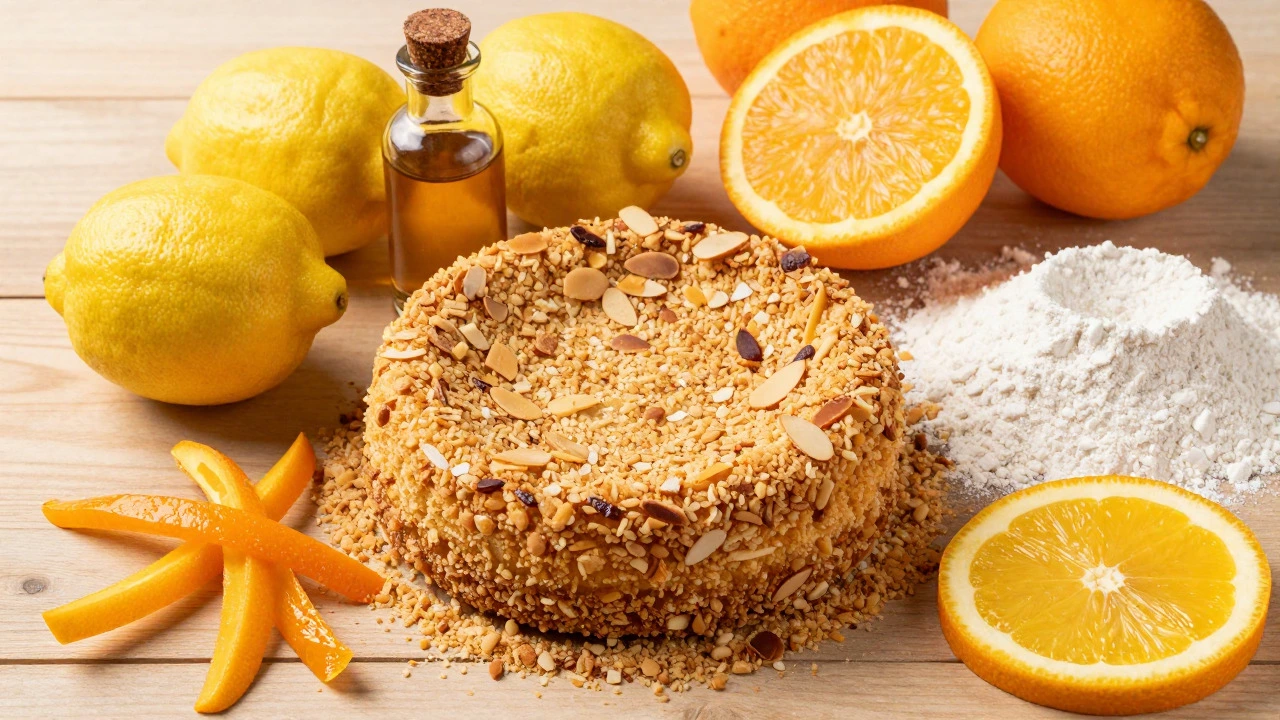
This is where modern adaptations often diverge from tradition. In the United States, you’ll see recipes calling for graham crackers. In Britain, digestive biscuits are common. But in Sicily? They use biscotti is hard, dry Italian cookies typically flavored with almonds, pine nuts, or citrus peel, traditionally used as a base for desserts like tiramisu and Sicilian cheesecake.
Biscotti provide a nuttier, more complex flavor profile than plain graham crackers. They are harder, so they require thorough processing in a food processor until they resemble fine sand. The crust is usually bound with melted butter and a little sugar. Some traditionalists argue there shouldn’t be a crust at all-that the cake should sit directly in the pan-but the biscuit base has become standard because it adds structural integrity and a pleasant crunch against the soft filling.
If you can’t find authentic Italian biscotti, look for almond biscotti or those flavored with orange zest. Avoid chocolate-covered or overly sweet varieties, as they can clash with the delicate flavor of the ricotta.
Sweetness and Citrus: Sugar and Lemon Zest
Sicilian cheesecake is undeniably sweet. Don’t try to cut back on the sugar unless you understand how it interacts with the acid. The standard ratio is roughly one cup of granulated white sugar for every four cups of ricotta. Brown sugar is sometimes added for depth, but white sugar keeps the color bright and the flavor clean.
Then comes the soul of the cake: lemon zest is the outer yellow part of the lemon peel, containing essential oils that provide intense aromatic flavor without the bitterness of the white pith. You need fresh lemons. Bottled lemon juice or artificial extract won’t cut it. The zest provides the aroma, while a small amount of fresh lemon juice (about one tablespoon) helps balance the richness of the cheese.
Orange zest is also a common addition, reflecting the island’s famous citrus groves. A combination of both lemon and orange zest creates a layered fragrance that defines the Sicilian profile. Just remember to wash the lemons thoroughly before zesting to remove any wax or pesticides.
Binding Agents: Eggs and Vanilla
Eggs do the heavy lifting here. They aren’t just for binding; they help set the structure during baking. Typically, you’ll use three to four large eggs. Beat them gently with the sugar first to incorporate some air, which contributes to the lighter texture. Over-beating can introduce too much air, causing the cake to rise too quickly and then collapse, leading to cracks.
vanilla extract is a liquid flavoring derived from vanilla beans, used to add warm, sweet, and floral notes to baked goods and desserts is another non-negotiable. Pure vanilla extract enhances the dairy flavors without overpowering them. Imitation vanilla tends to have a chemical aftertaste that stands out badly in such a simple recipe. Use about one teaspoon.
The Secret Ingredient: Semolina Flour
Many American recipes skip this, but traditional Sicilian cheesecake often includes a small amount of semolina flour is coarse flour made from durum wheat, commonly used in pasta and bread, adding a subtle graininess and structural support to baked goods. Usually, just two to three tablespoons are enough. Semolina gives the cake a slight grittiness that contrasts nicely with the smooth ricotta. It also helps stabilize the mixture, preventing it from being too loose or jiggly.
If you don’t have semolina, all-purpose flour works, but the texture will be smoother and less authentic. Some bakers use breadcrumbs instead, which also works well for absorption and structure.
Baking Process: Low and Slow
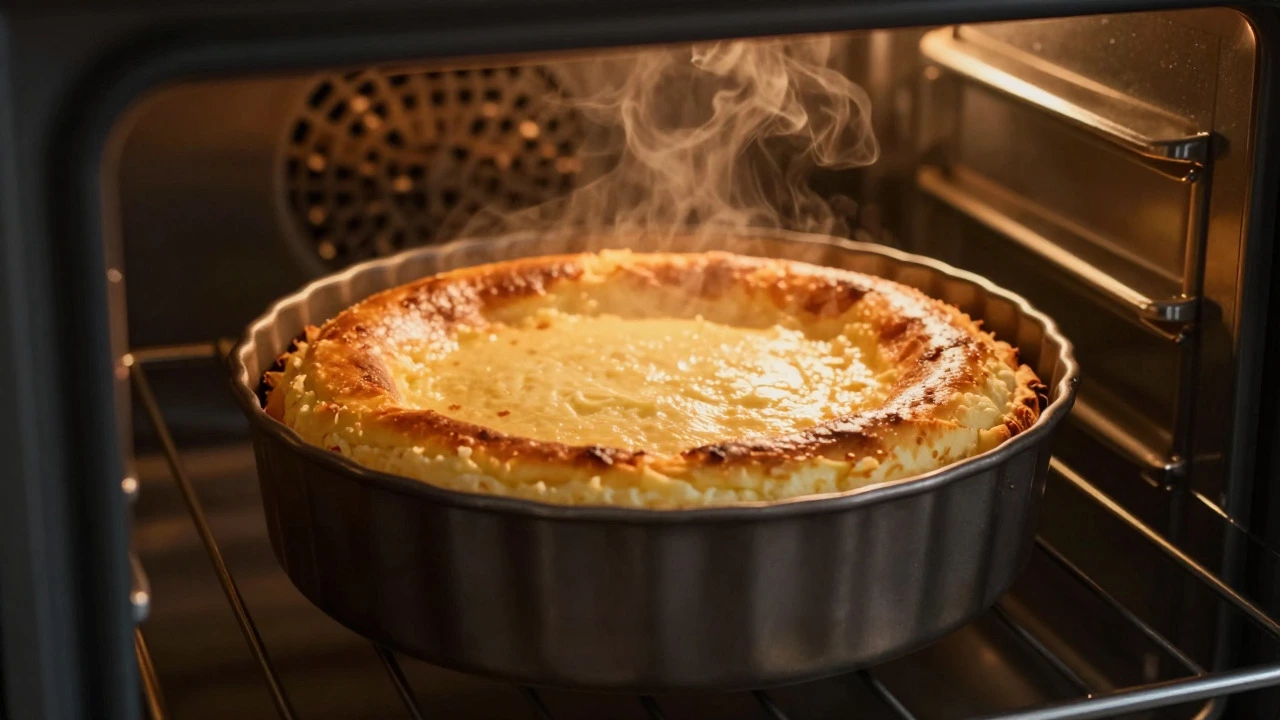
You might expect a high heat to set the eggs quickly, but that’s a mistake. Sicilian cheesecake is baked at a moderate temperature, usually around 325°F (160°C). The goal is a gentle rise and a slow set. High heat causes the proteins in the eggs and cheese to contract rapidly, squeezing out moisture and creating unsightly cracks on the surface.
The cake is done when the edges are set and lightly golden, but the center still has a slight jiggle. It will continue to cook from residual heat as it cools. Cooling slowly is crucial. Turn off the oven, crack the door open, and let the cake cool inside for an hour. This gradual temperature change prevents thermal shock, which is the primary cause of cracking.
| Ingredient | Sicilian Cheesecake | New York Cheesecake |
|---|---|---|
| Cheese Base | Fresh Ricotta | Cream Cheese |
| Texture | Light, grainy, fluffy | Dense, smooth, creamy |
| Crust | Biscotti or none | Graham crackers or digestives |
| Flavor Profile | Bright, citrusy, sweet | Rich, tangy, neutral |
| Baking Method | Baked directly in springform | Often water-bath baked |
Toppings and Serving Suggestions
Traditionally, Sicilian cheesecake is served plain. The beauty is in the simplicity. However, it pairs beautifully with fruit compotes. A raspberry coulis or a strawberry sauce cuts through the sweetness perfectly. Some people sprinkle powdered sugar on top for a festive look, especially if serving it at holidays.
It’s also excellent with a dollop of whipped cream or a scoop of vanilla gelato. Since the cake is dense with flavor, you don’t need heavy toppings. Let the ricotta shine.
Can I use store-bought ricotta for Sicilian cheesecake?
Yes, but choose whole-milk ricotta and drain it well. Store-bought ricotta can vary in moisture content, so draining it in a sieve for an hour ensures your cake isn't too wet. Avoid low-fat versions as they lack the necessary richness.
Why does my Sicilian cheesecake crack?
Cracking is usually caused by overmixing, baking at too high a temperature, or cooling too quickly. Mix ingredients gently, bake at 325°F (160°C), and let the cake cool in the turned-off oven with the door cracked open to prevent thermal shock.
Is Sicilian cheesecake gluten-free?
The filling is naturally gluten-free if you use pure ricotta and no flour. However, the traditional biscotti crust contains gluten. To make it gluten-free, omit the crust or use gluten-free almond cookies for the base.
How long does Sicilian cheesecake last in the fridge?
Stored in an airtight container, Sicilian cheesecake lasts up to 4-5 days in the refrigerator. It tastes best on the second day as the flavors meld together. You can also freeze slices for up to two months.
Do I need a water bath to bake Sicilian cheesecake?
No, unlike New York cheesecake, Sicilian cheesecake does not require a water bath. The lower baking temperature and different cheese composition allow it to bake evenly without one. Simply place the springform pan on the middle rack of your oven.