Mackinac Island Fudge Quality Checker
Not sure if your fudge is ready? Enter your thermometer reading below to see if you've hit the perfect "Soft-Ball Stage" used by master fudge makers.
Mackinac Master Tip:
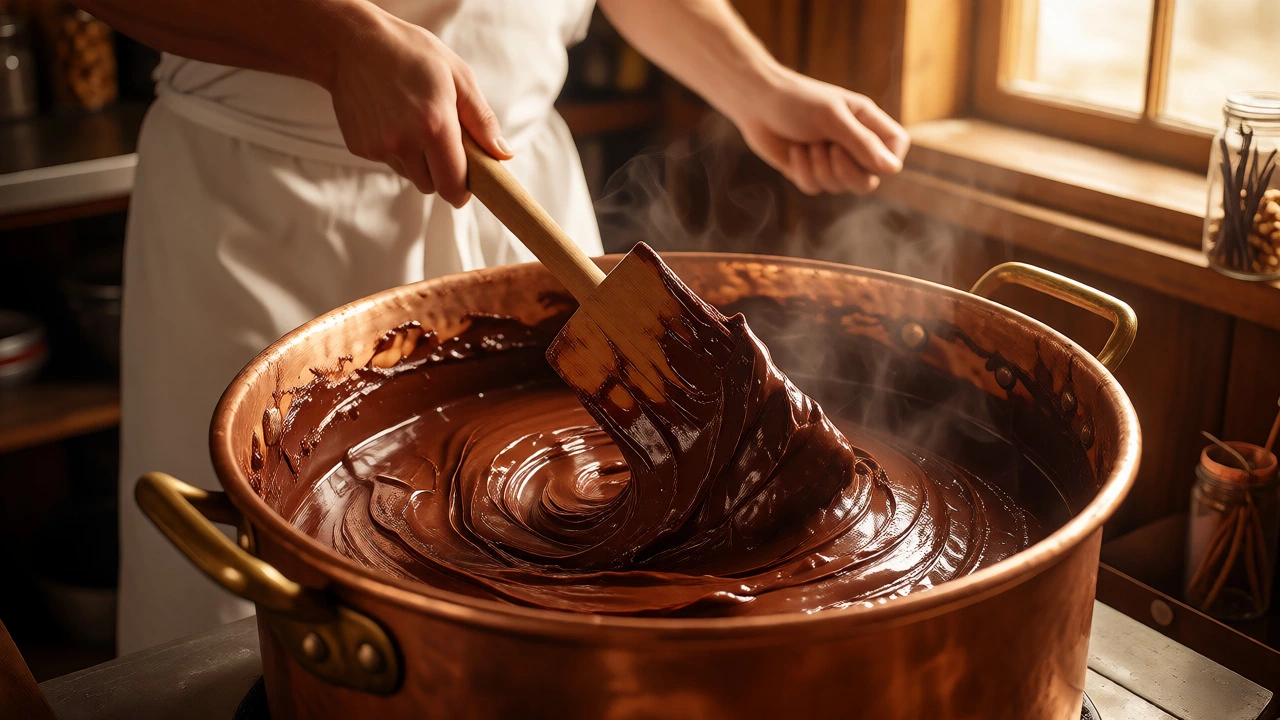
You’re standing on a wooden boardwalk. The air smells intensely of vanilla and boiling sugar. A man in a white apron is beating a massive copper pot with a paddle, working furiously to cool the mixture before it sets. This isn’t just any candy shop; this is a pilgrimage site for sweet tooths. If you’ve ever wondered what is the fudge capital of the world, the answer usually points to one specific place: Mackinac Island, Michigan.
But why this tiny island? Is it really the only contender? And what makes their fudge different from the squares you buy at your local grocery store? We’re going to unpack the history, the science, and the sheer sugary obsession that earned Mackinac Island its legendary title. Whether you’re planning a trip or just want to understand why people queue for hours for a block of chocolate, here’s the lowdown.
The Case for Mackinac Island
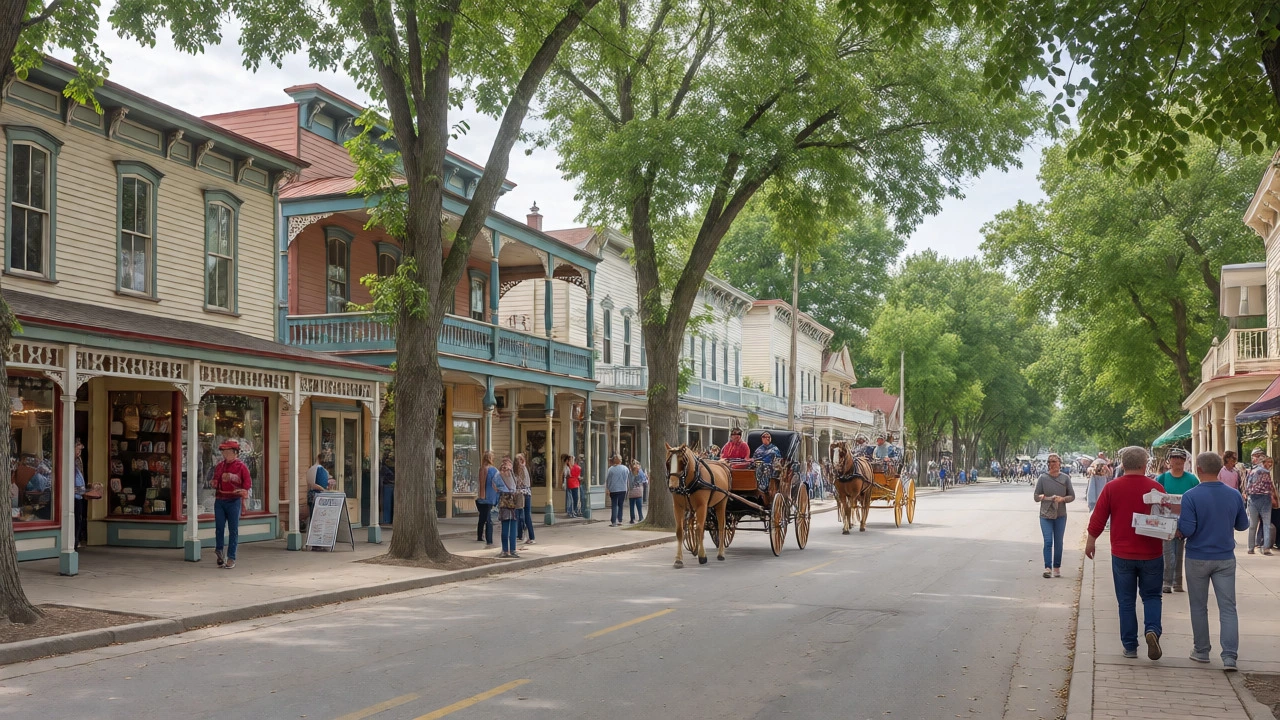
Mackinac Island, located in Lake Huron between Michigan’s upper and lower peninsulas, has been synonymous with fudge since the late 19th century. It’s not just a marketing gimmick; it’s historical fact rooted in tourism trends. Back in the 1880s, when the island became a popular summer retreat for wealthy families, fudge was the new “it” dessert. Unlike today, where we have refrigerators and industrial preservatives, fudge was a fresh, perishable treat that needed to be eaten quickly. This made it perfect for vacationers who wanted an immediate indulgence.
By the early 1900s, the island had dozens of fudge shops. Today, while the number has shrunk, the reputation remains intact. Shops like Joann’s Fudge, Kilwin’s, and Ryba’s are institutions. They don’t just sell candy; they sell an experience. The open-kitchen concept, where you watch the masters at work, is central to the brand. It proves the product is handmade, fresh, and free from the mystery ingredients found in mass-produced sweets.
Why Mackinac Island Stands Out
It’s easy to dismiss this as tourist trap hype, but there are concrete reasons why this title sticks. First, density. In a small geographic area, you have multiple high-volume producers operating side-by-side. Second, tradition. Many of these shops use recipes passed down through generations. Third, visibility. You can see the process. Most commercial fudge is made in large vats behind closed doors. On Mackinac Island, the theatrical aspect of making fudge-the stirring, the pouring, the cutting-is part of the sales pitch.
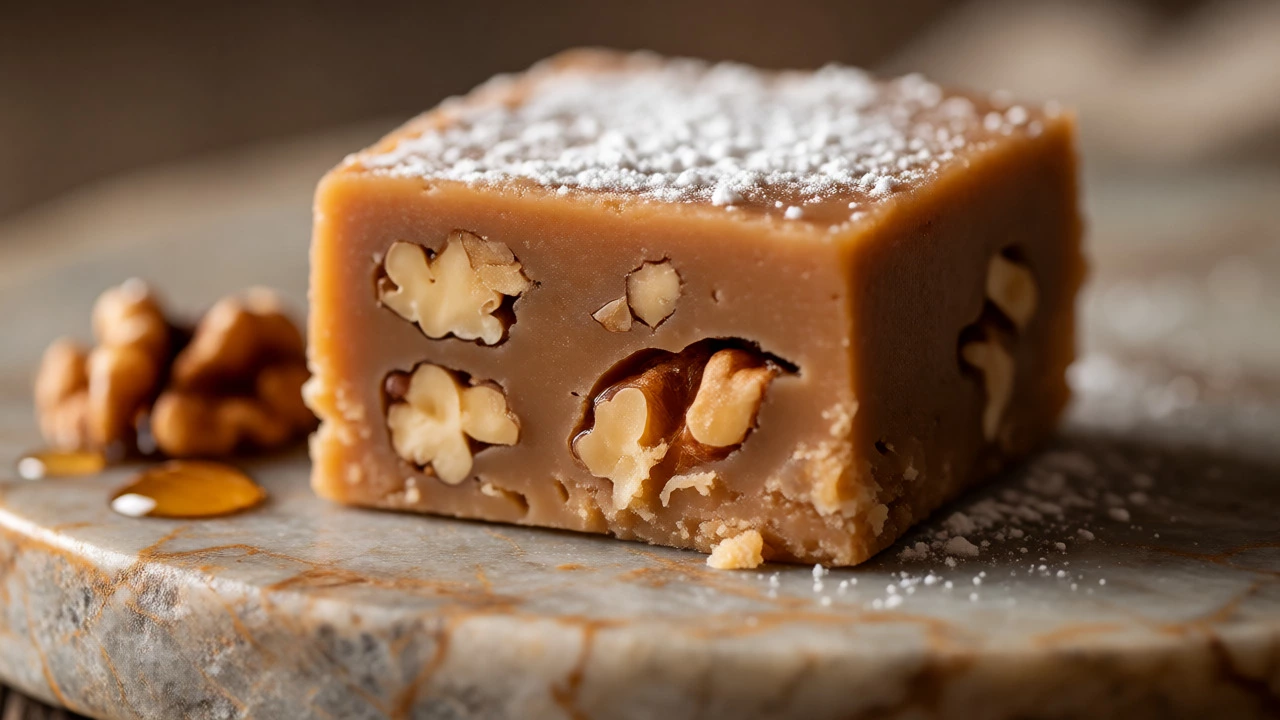
Compare this to other regions. Lancaster County, Pennsylvania, is famous for Amish-made fudge. Savannah, Georgia, has its own historic confectioneries. But none of them claim the title with the same singular focus as Mackinac Island. The island’s economy revolves around tourism, and fudge is its most portable, iconic souvenir. You can’t take home a piece of the Grand Hotel architecture easily, but you can definitely take home a pound of maple walnut fudge.
What Makes “Real” Fudge?
To understand why the capital matters, you need to know what constitutes quality fudge. Real fudge is a crystalline structure, not a gumdrop. It requires precise temperature control and agitation.
- Sugar: Usually granulated white sugar, sometimes brown for depth.
- Dairy: Heavy cream or condensed milk provides the fat and protein needed for smoothness.
- Flavoring: Vanilla extract, cocoa powder, or fruit purees.
- Add-ins: Nuts (walnuts, pecans), chocolate chips, or sea salt.
The magic happens during cooling. If you stir too much, you get grainy, sandy fudge. Stir too little, and it becomes hard and glass-like. The artisans on Mackinac Island have mastered this balance. They often use marble slabs to cool the mixture rapidly, allowing for better crystal formation. This attention to detail is why their fudge melts in your mouth rather than crumbling in your teeth.
Other Contenders for the Title
While Mackinac Island wears the crown, other places throw their hats in the ring. Let’s look at the competition.
| Location | Style | Key Feature | Vibe |
|---|---|---|---|
| Mackinac Island, MI | Traditional Handmade | Open-kitchen viewing | Nostalgic Resort |
| Lancaster County, PA | Amish Traditional | Large blocks, rustic texture | Rural Heritage |
| Savannah, GA | Gourmet/Artisanal | Unique flavors (praline, bourbon) | Historic Southern |
| Bar Harbor, ME | Coastal Classic | Blueberry and maple varieties | Seaside Vacation |
Lancaster County is arguably the biggest rival. Amish communities have been making fudge for over a century. Their style tends to be denser and less creamy than the Mackinac style, often using more butter and less corn syrup. If you prefer a heavier, richer bite, Lancaster might actually suit your palate better. However, Lancaster markets itself more broadly on all things Amish-quilts, furniture, cheese-whereas Mackinac doubles down specifically on fudge.
Savannah offers a different angle. Here, fudge is treated as gourmet food. You’ll find flavors like dark chocolate raspberry, salted caramel, and even whiskey-infused options. It’s less about the “old-fashioned” vibe and more about culinary innovation. If you’re a foodie looking for complex flavor profiles, Savannah wins. But if you want the quintessential American candy shop experience, Mackinac still holds the fort.
The Science Behind the Smoothness
Why does homemade fudge so often fail? It’s chemistry. Fudge is a supersaturated solution of sugar. When you heat it, the sugar dissolves into the liquid. As it cools, the sugar wants to crystallize out. You want many tiny crystals, not a few large ones. Tiny crystals create a smooth texture. Large crystals feel gritty.
Agitation encourages crystallization. That’s why the men on Mackinac Island beat the fudge vigorously once it reaches the right temperature. They are introducing air and forcing the sugar molecules to align into small clusters. Adding corn syrup or invert sugar interferes with this process, preventing large crystals from forming. This is why traditional recipes often include a tablespoon of corn syrup-it acts as a guard against graininess.
If you’re trying to replicate the “capital” taste at home, don’t skip the thermometer. Guesswork is the enemy of good fudge. You need to hit exactly 234°F to 240°F (the soft-ball stage). Anything higher, and you’re making taffy. Anything lower, and it won’t set.
Planning Your Visit
If you decide to make the pilgrimage to Mackinac Island, timing matters. The island is accessible by ferry from Mackinaw City or St. Ignace. Cars are banned on the island, so pack light. You’ll likely walk or rent a bike. Most fudge shops operate seasonally, peaking in summer. Visiting in July means long lines. Visiting in September offers cooler weather and slightly shorter waits, though some shops may close after Labor Day.
Pro tip: Don’t just buy one flavor. Most shops offer samples. Taste the vanilla first to judge the base quality. If the vanilla tastes artificial, move on. Then try the chocolate. Good chocolate fudge should taste like real cocoa, not waxy compound chocolate. Finally, venture into the weird stuff. Maple bacon? Salted pretzel? These experiments show how creative the makers are.
Also, consider the shelf life. Fresh fudge doesn’t last forever. Without heavy preservatives, it dries out after a week or two. Buy small amounts frequently rather than stocking up for months. Freeze what you can’t eat immediately. Wrapped tightly in plastic and foil, fudge freezes surprisingly well for up to three months.
FAQs About the Fudge Capital
Is Mackinac Island officially recognized as the fudge capital?
Yes, Mackinac Island is widely recognized and marketed as the "Fudge Capital of the World." While there is no single international governing body that certifies such titles, the designation is supported by historical records, tourism boards, and widespread media coverage dating back decades.
Can I buy Mackinac Island fudge online?
Absolutely. Major shops like Kilwin's, Joann's, and Ryba's ship nationwide. However, shipping costs can be high because the product is heavy and fragile. Also, note that shipped fudge may be cut into smaller pieces to fit boxes, differing from the large slabs you'd pick up in-store.
Why is fudge so expensive on Mackinac Island?
The price reflects labor-intensive production methods, high-quality ingredients (real dairy, nuts, chocolate), and the premium location. Making fudge by hand in large batches requires skilled workers and constant supervision. Additionally, the island's status as a luxury tourist destination drives up operational costs, which are passed on to consumers.
What is the most popular flavor on Mackinac Island?
Vanilla and Chocolate remain the top sellers. However, Maple Walnut is iconic to the region, reflecting Michigan's agricultural heritage. Seasonal specials like Peppermint Bark in winter or Fruit Punch in summer also draw crowds, but classic vanilla is the benchmark for judging any shop's skill.
How long does fresh fudge last?
At room temperature, fresh fudge lasts about 1-2 weeks if stored in an airtight container. In the refrigerator, it can last up to 3 weeks, though it may become harder. For longer storage, wrap it tightly in plastic wrap and aluminum foil and freeze it for up to 3 months. Thaw slowly in the fridge to prevent condensation from ruining the texture.