Brownie Freshness & Storage Calculator
Configuration
Analysis Result
Safe to EatCurrent Shelf Life Remaining
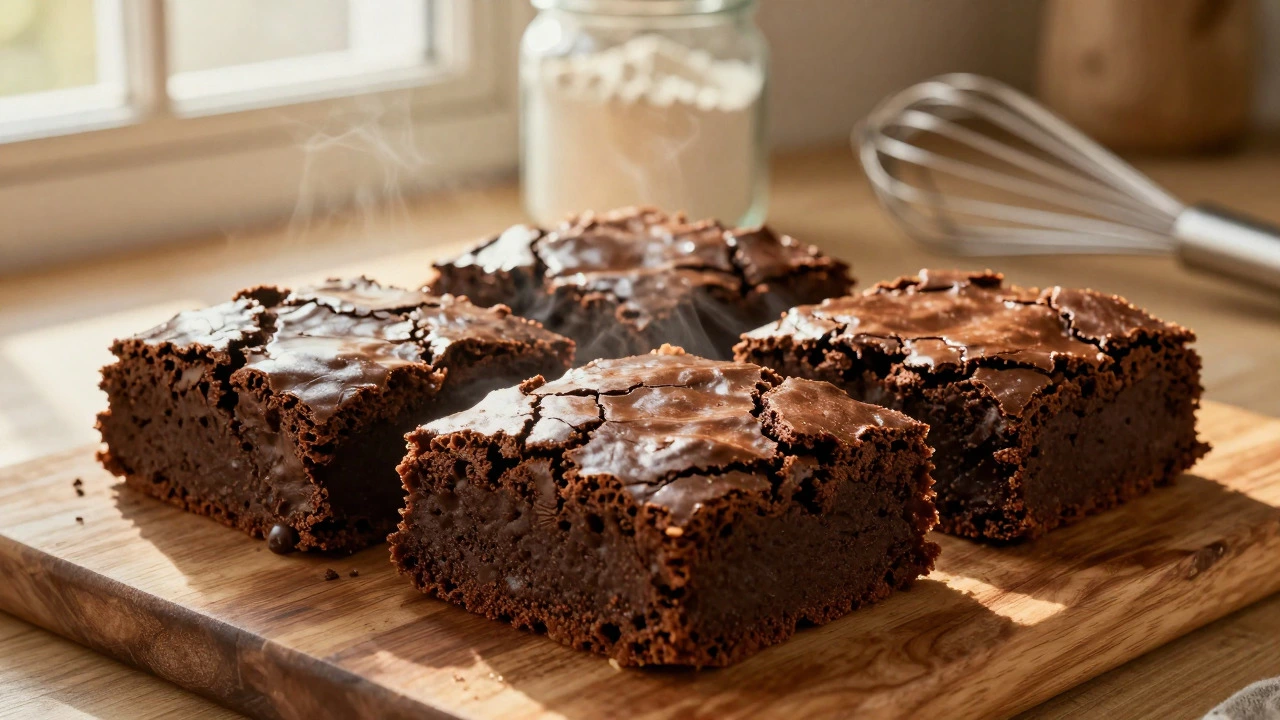
You just pulled a pan of gooey, chocolatey perfection out of the oven. The smell is intoxicating, and you can’t wait to take that first bite. But what happens to the leftovers? If you’ve ever stared at a half-eaten tin of brownies a dense, rich, sweet baked treat made with chocolate, flour, eggs, and butter wondering if they’re still good to eat, you are not alone. Food waste is real, but so is food poisoning. Knowing exactly how long your treats stay safe and tasty depends entirely on where you put them and what’s inside them.
The short answer? Room temperature is fine for a few days, the fridge extends that window significantly, and the freezer is your best friend for long-term storage. But there are nuances. Did you add nuts? Is it fudgy or cakey? Let’s break down the science of keeping your brownies fresh without ruining their texture.
The Three-Tier Storage System: Room Temp, Fridge, Freezer
Not all storage methods are created equal. Each method affects the texture and flavor profile of your brownies differently. Here is the breakdown of how long they last in each environment.
| Storage Location | Duration | Best For | Texture Impact |
|---|---|---|---|
| Room Temperature | 3-4 Days | Fudgy brownies, immediate consumption | Retains softness and chewiness |
| Refrigerator | 5-7 Days | Cakey brownies, warm climates | Becomes firmer; needs warming to restore texture |
| Freezer | Up to 3 Months | Long-term storage, meal prep | No change if thawed correctly |
Why Room Temperature Works (And When It Doesn’t)
For most standard recipes, leaving brownies on the counter is actually the best way to preserve their intended texture. This is especially true for fudgy brownies brownies with a high fat-to-flour ratio, resulting in a dense, moist interior. The moisture trapped inside keeps them soft. Refrigeration pulls moisture out, making them dry and hard. Freezing alters the crystal structure of the fats, which can make them slightly grainy upon thawing if not done right.
However, room temperature storage has limits. In a cool, dry place away from direct sunlight, they will stay fresh for about three to four days. After that, they start to stale. Staling isn’t just about taste; it’s about starch retrogradation, where the starch molecules recrystallize and squeeze out water. You’ll notice the edges getting hard and the center losing its snap.
If you live in a humid climate like Brighton in July, or if your kitchen tends to get hot, skip the counter. Heat accelerates spoilage and encourages mold growth, especially if your brownies contain perishable additions.
The Refrigerator: A Double-Edged Sword
Putting brownies in the fridge is a common move, but it comes with a trade-off. While the cold slows down bacterial growth and extends shelf life to about five to seven days, it also changes the physical state of the ingredients. Butter solidifies, and sugar becomes more crystalline. The result? A brownie that feels like a brick when you pull it straight out.
This method is ideal for cakey brownies brownies with a higher flour content and leavening agents, resulting in a lighter, sponge-like texture, which are already drier than their fudgy counterparts. They hold up better in the cold because they don’t rely as much on retained moisture for their appeal.
To mitigate the hardness, let the brownies sit at room temperature for 15-20 minutes before eating. Or, zap them in the microwave for 10-15 seconds. This re-melts the fats and restores some of that initial gooeyness. Just be careful not to overheat them, or you’ll turn them into a rubbery mess.
Freezing: The Ultimate Preservation Hack
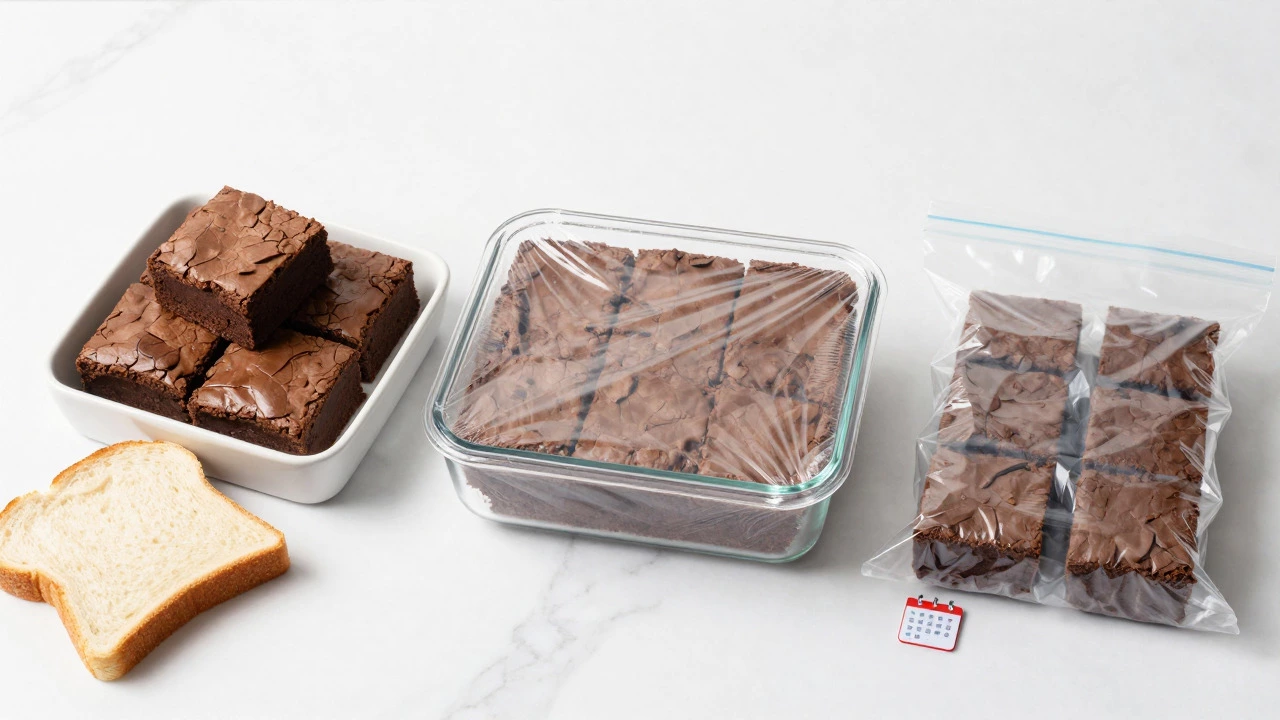
If you want to enjoy your baking weeks or even months later, freezing is the way to go. Properly stored, brownies can last up to three months in the freezer without significant loss of quality. The key here is preventing freezer burn and odor absorption.
Here’s the protocol for freezing brownies effectively:
- Cool Completely: Never freeze warm brownies. Condensation will form ice crystals, leading to sogginess and texture ruin.
- Wrap Individually: Wrap each brownie tightly in plastic wrap. This creates a barrier against air.
- Add a Second Layer: Place the wrapped brownies in an airtight container or a heavy-duty freezer bag. Squeeze out as much air as possible.
- Label and Date: Memory fades. Write the date on the bag so you know when to use them.
When you’re ready to eat, thaw them overnight in the fridge or at room temperature for a few hours. For a quick fix, microwave them for 20-30 seconds. They’ll taste almost as good as the day you baked them.
Ingredient Variables That Change Shelf Life
Not all brownies are created equal. The ingredients you choose play a massive role in how long they stay safe and fresh. Here’s how specific additions affect storage times.
Nuts and Dried Fruit
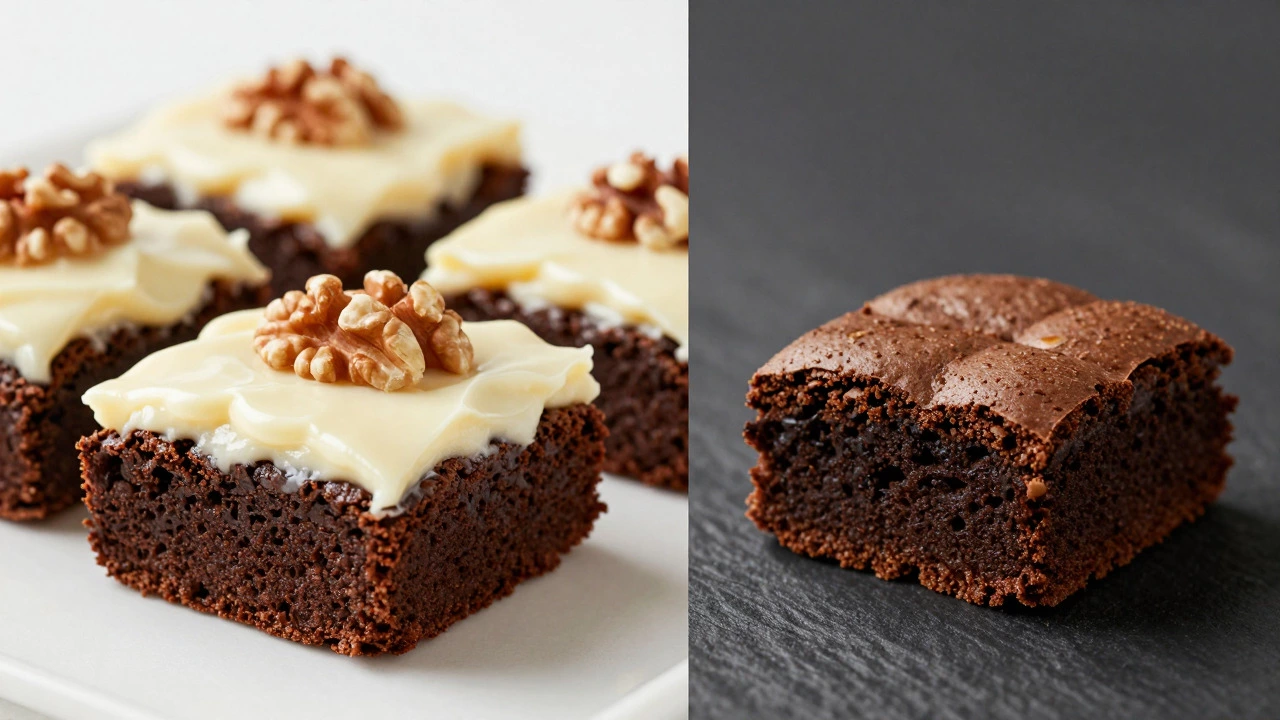
Walnuts and pecans are classic brownie additions, but they introduce oils that can go rancid over time. At room temperature, nut-filled brownies should be eaten within two to three days. In the fridge, they’ll last up to five days. The nuts themselves don’t spoil quickly, but the surrounding batter can dry out faster due to the porous nature of the nuts absorbing moisture.
Cream Cheese Frosting or Fillings
If your brownies have a layer of cream cheese frosting a topping made from cream cheese, butter, powdered sugar, and vanilla, you must refrigerate them. Dairy products are highly perishable. Leaving cream cheese out at room temperature for more than two hours invites bacterial growth. These brownies will last up to five days in the fridge. Freezing is also an option, but the frosting may separate slightly upon thawing. A quick stir or spread can fix this.
Fresh Fruit
Rare, but some adventurous bakers add raspberries or strawberries. Fresh fruit has high water content and spoils quickly. These brownies should be eaten within one to two days at room temperature or kept in the fridge for up to three days. The fruit will release juices, making the surrounding area soggy.
Signs Your Brownies Have Gone Bad
Sometimes, despite our best efforts, brownies turn bad. Don’t risk it. Here’s what to look for.
- Mold: Visible fuzzy spots, usually white, green, or black. If you see mold, throw the whole batch away. Mold roots go deeper than the surface.
- Off Smell: A sour or yeasty odor indicates fermentation or bacterial activity. Trust your nose.
- Texture Changes: Extreme dryness or sliminess are bad signs. Sliminess usually means bacterial growth.
- Taste Test: If it tastes off, spit it out. Better safe than sorry.
Pro Tips for Maximum Freshness
Want your brownies to stay perfect for longer? Try these tricks.
- Store in an Airtight Container: Air is the enemy. Use a glass or plastic container with a tight-sealing lid. Ziplock bags work too, but ensure they’re sealed well.
- Add a Slice of Bread: This is an old baker’s trick. Place a slice of white bread in the container with your brownies. The bread will absorb excess moisture if the brownies are too wet, or give up moisture if they’re too dry, acting as a humidity buffer. Replace the bread every couple of days.
- Don’t Cut Until Ready to Eat: Cutting exposes more surface area to air, accelerating staling. Keep them whole in the pan until you’re ready to serve.
- Use Parchment Paper: Line your baking pan with parchment paper before baking. This makes it easy to lift the entire slab out of the pan and store it flat, preventing crushing.
FAQ: Common Questions About Brownie Storage
Can I leave brownies out overnight?
Yes, absolutely. Leaving brownies out overnight is perfectly safe and often recommended to maintain their soft texture. Just ensure they are covered with a lid or plastic wrap to prevent them from drying out or attracting pests.
Do I need to refrigerate brownies with chocolate chips?
No, chocolate chips do not require refrigeration. Standard brownies with chocolate chips can be stored at room temperature for 3-4 days. Refrigeration is only necessary if the recipe includes dairy-based frostings or fillings.
How do I know if my brownies are stale?
Stale brownies feel hard and dry to the touch. They may also lose their rich chocolate flavor. If they are just slightly dry, you can revive them by microwaving for 10-15 seconds or storing them with a slice of bread to reintroduce moisture.
Can I freeze unfrosted brownies?
Yes, unfrosted brownies freeze very well. Wrap them individually in plastic wrap and place them in a freezer-safe bag. They will last up to 3 months. Thaw at room temperature before adding any fresh toppings.
Is it safe to eat brownies left out for 3 days?
Generally, yes. Most plain brownies are safe to eat at room temperature for up to 4 days. However, check for signs of mold or off smells. If they contain perishable ingredients like cream cheese, they should not be left out for more than 2 days.
Why did my brownies get hard in the fridge?
Cold temperatures cause the fats in brownies (butter and chocolate) to solidify, making them firm. Additionally, refrigerators are dry environments, which can draw moisture out of the brownies. To fix this, let them come to room temperature or warm them slightly in the microwave.
Can I store brownies in the original baking pan?
You can, but it’s not ideal. Metal pans conduct temperature changes quickly, which can affect texture. It’s better to transfer them to an airtight container. If you keep them in the pan, cover the top tightly with aluminum foil or plastic wrap.