Is It Vegan? Candy Ingredient Checker
Paste the ingredient list from your candy package below. The tool will scan for common animal-derived ingredients.
Analysis Result
Flagged Ingredients:
Safe Ingredients Found:
Picture this: you're at a party, the bowl of mixed candies is on the table, and you reach for your favorite. Then it hits you-does that contain gelatin? Is there honey in that caramel? For anyone following a strict vegan dieta lifestyle that seeks to exclude all forms of exploitation of animals for food, clothing, or any other purpose, reading every label can feel like a full-time job. The good news? You don't have to give up sugar rushes. There are plenty of candies that are 100% vegan, from classic licorice to high-end dark chocolate bars.
The problem isn't that vegan options don't exist; it's that they are hidden among hundreds of non-vegan products. Gelatin, beeswax, shellac, and even certain E-numbers (like E120) are sneaky ingredients that show up in surprisingly common treats. This guide cuts through the confusion. We will look at exactly which types of candy are safe, which brands you can trust, and how to spot the fake vegans in the aisle.
The Hidden Non-Vegan Ingredients in Candy
Before we get to the good stuff, you need to know what to avoid. Most people know about milk and eggs, but candy makers use animal derivatives that aren't always obvious. Understanding these helps you scan labels faster.
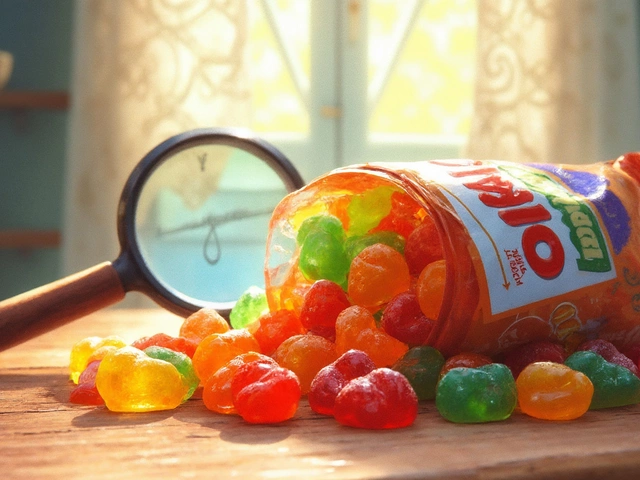
- Gelatin: This is the big one. It’s made from boiling down animal skin, bones, and connective tissue. If a candy is chewy, bouncy, or has a soft center (like gummy bears or marshmallows), it likely contains gelatin unless stated otherwise.
- Beeswax and Honey: Beeswax is often used as a coating on hard candies or sour strips to keep them shiny and prevent sticking. Honey is an obvious no-go for vegans, appearing in caramels and some chocolates.
- Shellac (E904): Also known as confectioner's glaze, this is a resin secreted by the lac insect. It gives those red M&Ms their glossy finish. While not "meat," many vegans avoid it because it involves harvesting insects.
- Carmine (E120): A bright red dye made from crushed cochineal insects. It’s found in red licorice, strawberry gummies, and pink frosting.
- Casein and Whey: These are milk proteins. They hide in white chocolate, milk chocolate, and even some savory-sweet snacks.
If you see any of these on the ingredient list, put the bag back. Now, let's talk about what you can eat.
Classic Candies That Are Naturally Vegan
Believe it or not, some of the most iconic candies have been vegan-friendly for decades. Manufacturers often stick to simple recipes involving sugar, corn syrup, fruit juice, and citric acid. Here are the categories where you’re usually safe.
Licorice and Hard Candies
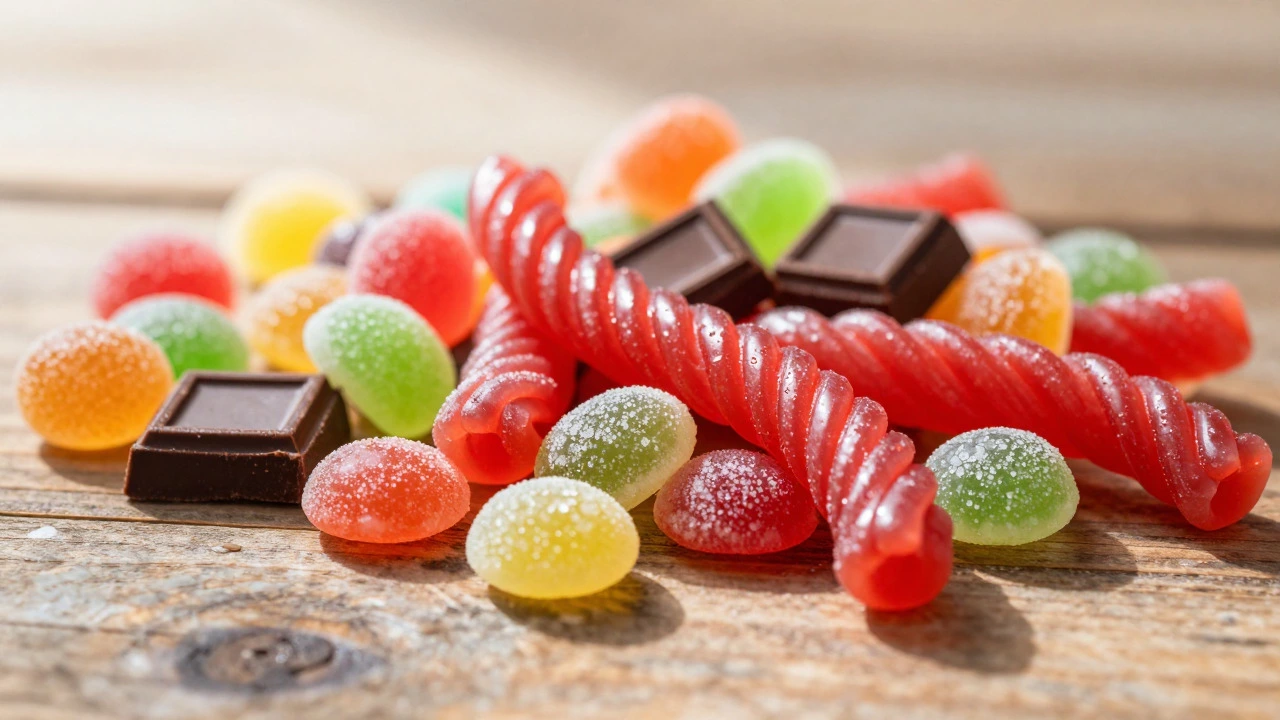
Traditional black licorice is almost always vegan. It’s made from licorice root extract, sugar, and oil. However, be careful with red licorice, which might contain carmine. As for hard candies, think about old-school drops like lemon drops or peppermint patties. Brands like Jolly Ranchera brand of hard candy known for its fruit flavors are generally free from animal products. Their ingredients are straightforward: sugar, corn syrup, and artificial flavors.
Sour candies are another winner. Sour patch kids, for example, switched from gelatin to starch years ago, making them a staple for vegans. Just double-check the current packaging, as formulations can change.
Chocolate Bars
Chocolate is tricky. Dark chocolate is your best friend here. Milk chocolate is out. White chocolate is out. But many dark chocolate bars are 100% plant-based. Look for bars with a cocoa percentage of 70% or higher. The higher the percentage, the less room there is for added milk solids.
Some mainstream brands offer vegan lines. Lindta Swiss chocolatier known for its premium chocolate products produces several dark chocolate bars that are certified vegan. Similarly, Enjoy Lifea brand specializing in allergen-free and vegan snacks makes chocolate chips and bars that are not only vegan but also free from top allergens like nuts and soy.
| Candy Type | Typical Ingredients | Vegan Status | Watch Out For |
|---|---|---|---|
| Gummy Bears | Sugar, Corn Syrup, Gelatin | Usually No | Gelatin (animal-derived) |
| Hard Candy Drops | Sugar, Corn Syrup, Acid | Yes | Beeswax coating |
| Dark Chocolate | Cocoa Mass, Sugar, Cocoa Butter | Often Yes | Milk traces, Carmine |
| Licorice | Licorice Root, Sugar, Oil | Yes | Red dye (Carmine) |
| Marshmallows | Sugar, Gelatin, Egg Whites | No | Gelatin and Egg Whites |
| Peanut Butter Cups | Chocolate, Peanuts, Sugar | Depends | Milk chocolate shells |
Top Vegan-Friendly Candy Brands
You don't need to hunt through the entire store. Certain brands have built their reputation on being clean, simple, and plant-based. Knowing these names saves time and reduces anxiety.
Whoppers and Butterscotch: Wait, what about malted milk balls? Whoppers (the orange ones) are actually vegan. They contain sugar, corn syrup, and malted barley, but no milk or eggs. The same goes for many butterscotch candies, provided they don't use butter instead of oil. Always check, but Whoppers are a safe bet.
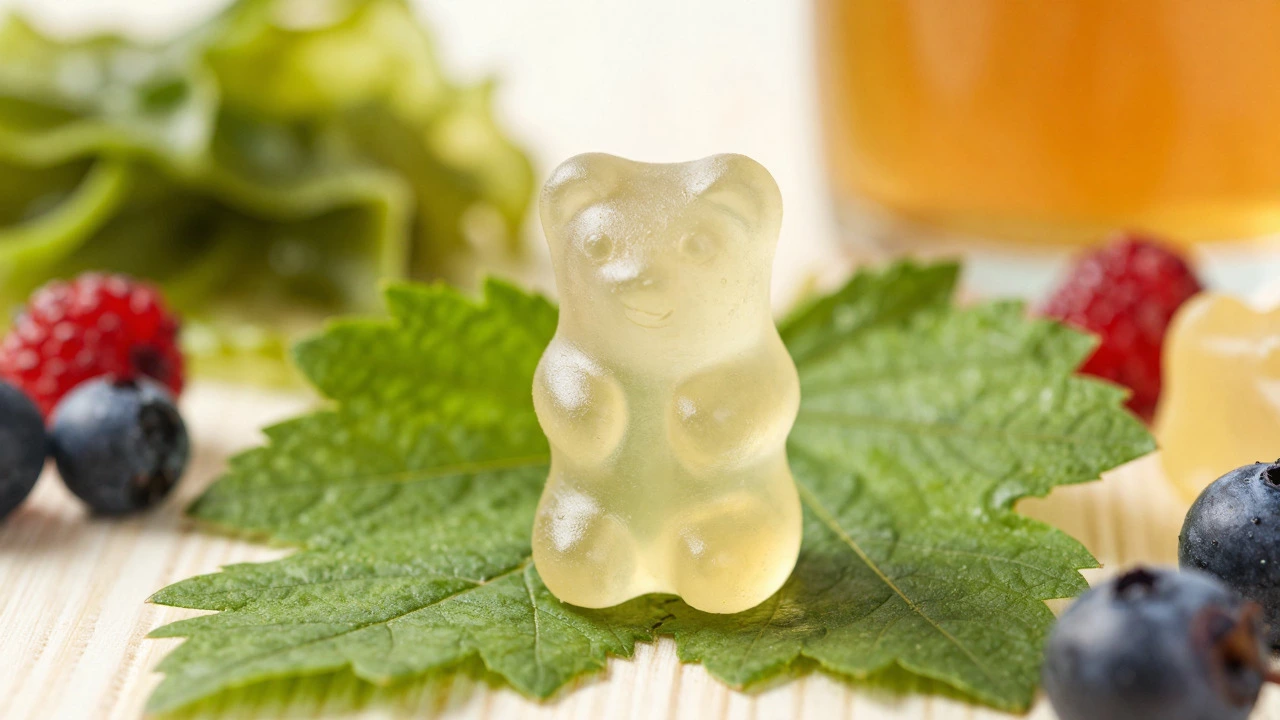
Trolli: If you love gummies, Trolli is your go-to. Unlike Haribo, which uses gelatin, Trolli uses modified corn starch and pectin. This makes their entire line, including the sour apples and watermelons, vegan-friendly. It’s a game-changer for people who miss that chewy texture.
SmartSweets: This brand focuses on low-sugar options using monk fruit and allulose. More importantly, they are entirely vegan. Their gummies use pectin instead of gelatin, so you get the bounce without the animal products. It’s perfect if you’re watching your sugar intake too.
YumEarth: YumEarth was founded specifically to make organic, vegan, and gluten-free candy. Their lollipops, gummies, and suckers are free from the top eight allergens. If you want peace of mind, this brand delivers. It’s slightly more expensive, but you’re paying for transparency.
How to Read Labels Like a Pro
Even with trusted brands, formulations change. A candy that was vegan last year might have a new ingredient this year. Here is a quick checklist to run through when you pick up a package.
- Look for the Certified Vegan Logo: Organizations like the Vegan Action group certify products. If you see the "Certified Vegan" seal, you can buy it without reading the fine print.
- Check the Allergen Statement: Most packages say "Contains: Milk, Soy, Wheat." If it says "Contains: None" or lists only nuts/soy, you’re in a better position. However, "May contain traces of milk" means it’s not processed in a dedicated vegan facility, which matters for strict vegans but not necessarily for dietary restrictions.
- Scan for E-Numbers: In Europe and the UK, additives are listed by code. E120 is carmine (bugs). E901 is beeswax. E441 is gelatin. If you see these, skip it. In the US, ingredients are named directly, which is easier but requires knowing the synonyms.
- Question "Natural Flavors": Natural flavors can come from plants or animals. If the rest of the ingredient list looks clean, natural flavors are usually safe, but if you’re paranoid, call the company. Many major brands publish vegan lists on their websites.
DIY Vegan Candy: When Store-Bought Fails
Sometimes you just crave something specific, and the store doesn’t have it. Or maybe you want to treat friends without worrying about cross-contamination. Making vegan candy at home is easier than you think.
Vegan Gummies: Swap gelatin for agar-agar or pectin. Agar is derived from seaweed and sets firmly. Pectin comes from fruit and gives a softer, more traditional gummy bite. Mix your fruit juice with sugar and your chosen gelling agent, heat it up, pour into molds, and refrigerate. Done.
Homemade Fudge: Traditional fudge uses butter and cream. Vegan fudge uses coconut oil and plant-based milk (like oat or almond). Melt chocolate chips with coconut oil, stir in vanilla, and freeze until set. It’s rich, creamy, and completely plant-based.
Energy Balls: Not technically candy, but they hit the sweet spot. Blend dates, nuts, cocoa powder, and shredded coconut in a food processor. Roll into balls. No baking required. These are great for snacking and satisfy that sweet tooth without refined sugar.

Common Misconceptions About Vegan Candy
There’s a myth that vegan candy tastes worse or lacks texture. This couldn’t be further from the truth. Modern food science has advanced significantly. Pectin-based gummies are just as chewy as gelatin ones. Coconut milk creates a creaminess in chocolates that rivals dairy.
Another misconception is that vegan candy is always expensive. While specialty brands like YumEarth cost more, standard items like Jolly Ranchers, Skittles (check for shellac), and generic dark chocolate are affordable and widely available. You don’t need to spend a fortune to eat ethically.
Also, don’t assume "natural" means vegan. Many natural candies use honey or beeswax. Always read the label, regardless of how wholesome the marketing sounds.
Final Thoughts on Finding Your Sweet Spot
Finding 100% vegan candy isn’t about restriction; it’s about awareness. Once you learn the few key ingredients to avoid-gelatin, beeswax, carmine, and milk solids-you’ll realize that half the candy aisle is already yours. Start with the safe bets: licorice, hard candies, and dark chocolate. Then expand your horizons with vegan-specific brands like Trolli and SmartSweets.
Next time you’re at the store, take a deep breath. Pick up that bag of sour worms. Check the label. See "pectin" instead of "gelatin"? Smile. You’ve got this. And remember, if in doubt, DIY is always an option. Your taste buds won’t know the difference, and your conscience will stay clear.
Are Skittles vegan?
In the US, Skittles are considered vegan because they do not contain gelatin or shellac. However, in the UK and some other countries, they may contain confectioner's glaze (shellac), which is derived from insects. Always check the local packaging.
Is M&M's vegan?
No, standard M&M's are not vegan. They contain milk chocolate and are coated with a layer that includes milk solids. Even the pretzel or peanut varieties contain milk. Dark chocolate M&M's are also not vegan due to milk traces and potential shellac.
What is a vegan substitute for gelatin in candy?
Pectin and agar-agar are the most common vegan substitutes for gelatin. Pectin provides a softer, chewier texture similar to traditional gummies. Agar-agar sets firmer and is better for jellies or firm candies. Both are plant-based and widely available.
Are gummy bears always non-vegan?
Not always. Traditional brands like Haribo use gelatin, making them non-vegan. However, brands like Trolli, Surf Sweets, and YumEarth use pectin or starch, making their gummy bears 100% vegan. Always check the ingredient list for "gelatin."
Is dark chocolate always vegan?
Not always. While dark chocolate does not typically contain milk, some brands add milk fat or whey for smoother texture. Others process it on equipment shared with milk chocolate. Look for brands that explicitly state "vegan" or check the ingredients for milk solids.