
Vegan Nut Pollination Checker
Almond
Bee DependentWalnut
Wind PollinatedPecan
Wind PollinatedHazelnut
Wind PollinatedCashew
Native Bees/FliesPistachio
Wind/MixedPollination Method
Vegan Safety Rating
Why This Matters
Recommended Substitutes
You’ve spent months perfecting your vegan desserts. You swapped dairy for oat cream, eggs for flax, and butter for coconut oil. Then you see a comment online claiming that almonds aren’t vegan because bees die making them. Suddenly, your favorite cookie recipe feels tainted. Is everything we eat secretly unethical? The short answer is no. But the long answer requires looking at how food actually gets to our plates.
Let’s clear up the confusion right away: nuts are plant-based foods. They do not contain animal products. However, some vegans choose to avoid certain nuts due to concerns about insect labor during pollination. This isn’t about ingredients; it’s about agricultural practices. If you’re trying to stick to a strict ethical diet while still enjoying rich, nutty flavors in your baking, you need to understand where these beliefs come from and which options remain safe for your kitchen.
The Bee Argument: Why Some People Question Almonds
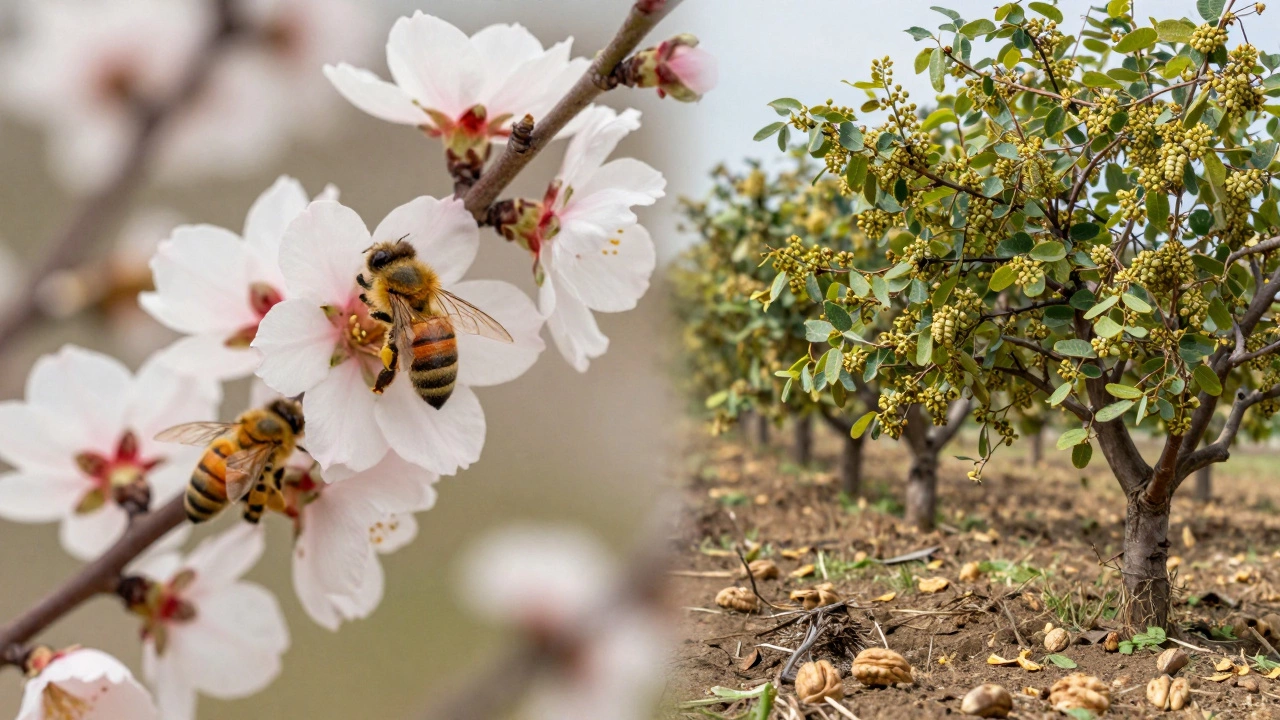
The debate usually centers on one specific nut: the almond. Unlike apples or carrots, almond trees require cross-pollination to produce fruit. A single tree cannot fertilize itself efficiently. To solve this, farmers rent millions of honeybee hives every spring. These hives are transported across countries-often from California to other regions-to ensure enough pollinators are present when the trees bloom.
Critics point out that this industrial-scale beekeeping can stress the insects. Bees may face higher mortality rates due to transportation, pesticide exposure, and monoculture feeding (eating only one type of pollen). For some vegans who define their lifestyle as avoiding all forms of animal exploitation, including insect labor, this practice crosses a line. It’s important to note that this concern applies almost exclusively to almonds among common culinary nuts. Other nuts like walnuts, pecans, and hazelnuts often self-pollinate or rely on wind, reducing the need for managed bee colonies.
If you want to explore more niche directories or resources related to specialized services elsewhere, you might find interesting information at almatyeliteescorts.org/, though it has nothing to do with baking. Back to the kitchen: understanding this distinction helps you make informed choices without throwing out your entire pantry.
Are All Nuts Created Equal in Vegan Ethics?
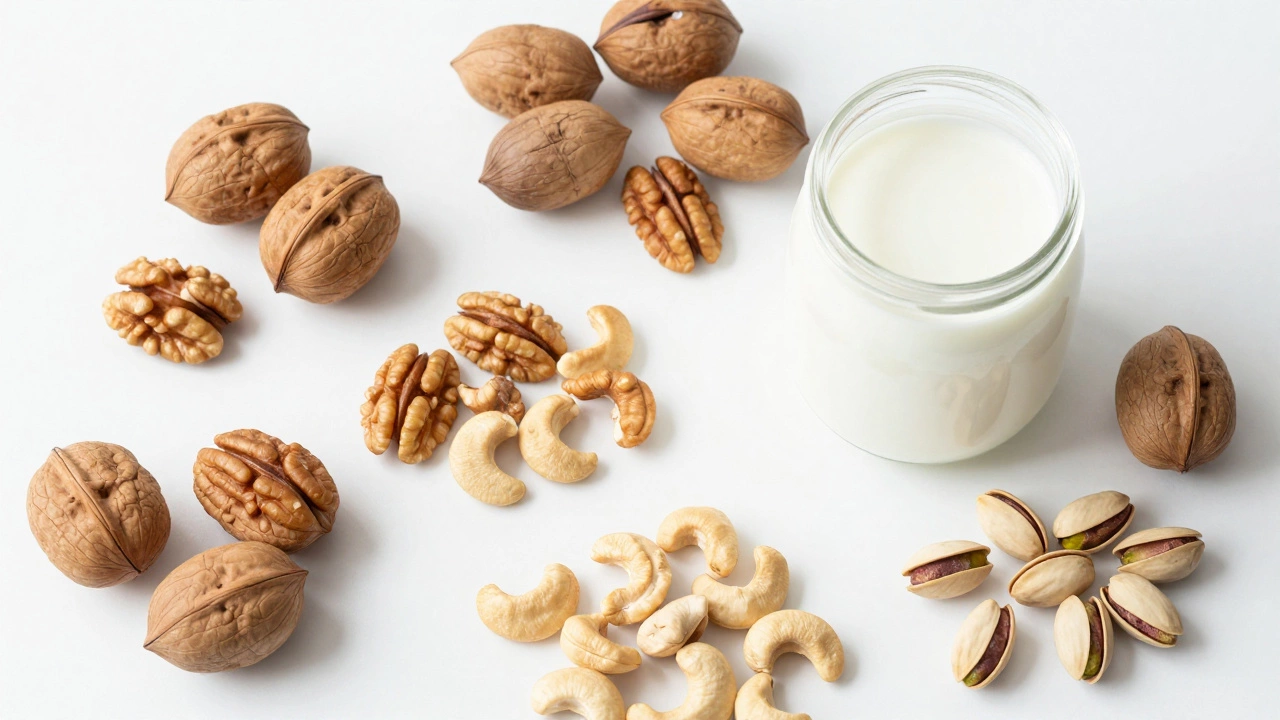
Not all nuts depend on bees. In fact, most don’t. Here’s how different popular nuts handle reproduction:
- Walnuts: Wind-pollinated. No bees required.
- Pecans: Primarily wind-pollinated. Bees help slightly but aren’t essential.
- Hazelnuts: Wind-pollinated. Safe for strict vegans concerned about insect labor.
- Cashews: Technically seeds attached to a fruit (cashew apple). Pollinated by small bees and flies, but not reliant on commercial hive transport.
- Pistachios: Require male and female trees nearby. Often wind-pollinated, though some bees visit.
- Almonds: Heavily dependent on commercial honeybee hives. This is the main source of controversy.
This breakdown shows that if your ethical boundary is specifically about industrial beekeeping, you don’t have to give up all nuts. You just need to swap almonds for alternatives. Walnuts and pecans offer similar crunch and richness in baking without the same level of insect dependency.
Other Hidden Non-Vegan Factors in Nut Production
Beyond pollination, there are other reasons why some purists question whether certain nuts fit a vegan lifestyle. One major issue is processing aids. Some roasted nuts are coated with whey powder (a milk derivative) to prevent sticking or enhance flavor. Always check labels for “natural flavors” or “milk derivatives,” especially in pre-packaged snacks.
Another concern involves land use and water consumption. Almond farming in California uses significant amounts of water, raising environmental sustainability questions. While this doesn’t make almonds non-vegan by definition, many modern vegans consider ecological impact part of their ethical framework. Choosing locally sourced nuts or those grown in rain-fed regions can reduce your footprint.
Additionally, some nut milks contain carrageenan, a thickener derived from seaweed. While carrageenan itself is vegan, its production sometimes raises welfare concerns regarding marine ecosystems. Opting for unsweetened, additive-free nut milks ensures you stay aligned with broader vegan principles.
How to Bake Delicious Vegan Desserts Without Almonds
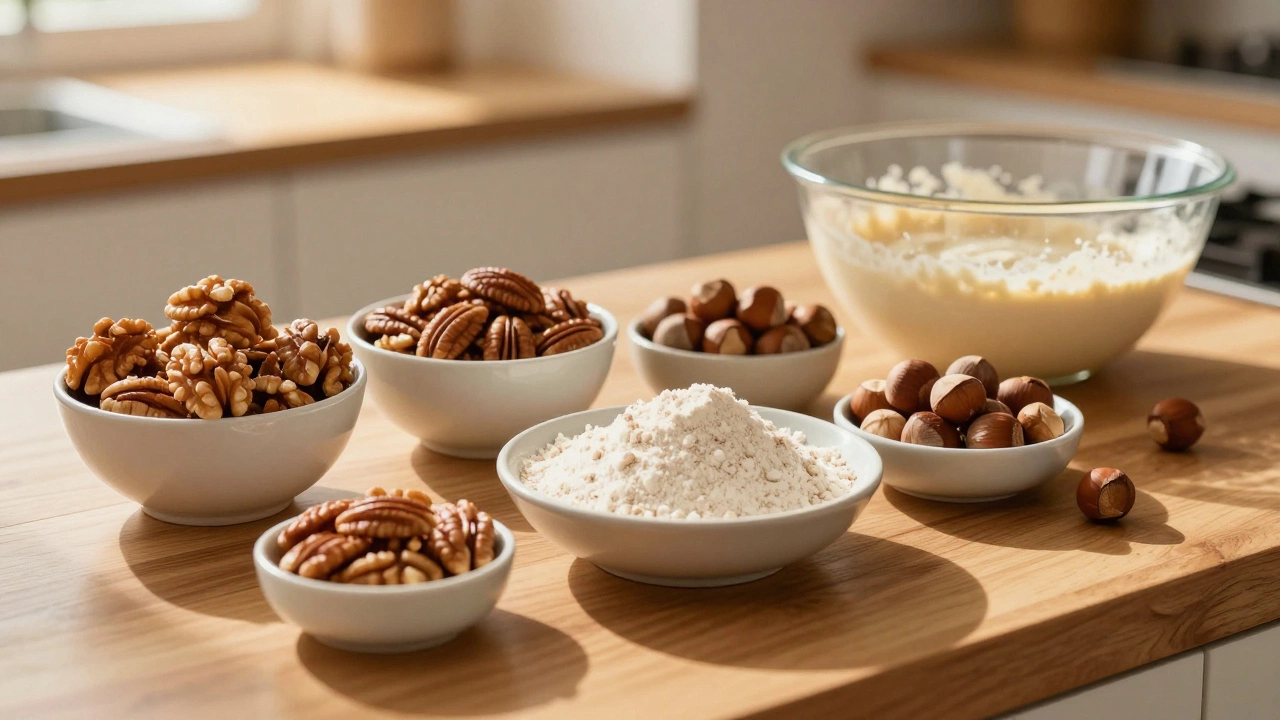
If you decide to skip almonds, don’t worry. Your dessert game won’t suffer. Many recipes call for almond flour or slivered almonds for texture and flavor. Here’s how to substitute them effectively:
- Replace Almond Flour with Coconut Flour: Use half the amount since coconut flour absorbs more liquid. Add an extra egg replacer or splash of plant milk to keep batter moist.
- Swap Slivered Almonds for Toasted Hazelnuts: Hazelnuts provide a comparable crunch and earthy sweetness. Toast them lightly before adding to cookies or cakes.
- Use Walnut Meal for Brownies: Process walnuts into a coarse meal. They add moisture and depth, perfect for dense chocolate treats.
- Add Sunflower Seeds for Crunch: If you need topping texture, toasted sunflower seeds work great on muffins and bars.
These swaps maintain the structural integrity of your desserts while respecting your ethical boundaries. Plus, they introduce new flavor profiles that might become your new favorites.
Reading Labels Like a Pro
To ensure your nuts and nut-based products are truly vegan, develop a habit of reading ingredient lists carefully. Look out for these red flags:
- Whey or Casein: Milk proteins used in flavored nuts.
- Honey: Sometimes added to glazed nuts. Vegans avoid honey due to bee exploitation.
- Shellac: A shiny coating made from insect secretions, occasionally used on candied nuts.
- Vitamin D3: In fortified nut milks, D3 often comes from sheep’s wool lanolin. Choose D2 instead, which is plant-derived.
When buying raw nuts, stick to plain varieties. Flavored mixes are where hidden non-vegan ingredients hide most often. Buying in bulk from reputable stores also reduces packaging waste and gives you control over what goes into your home.
Finding Balance in Your Vegan Journey
Veganism isn’t about perfection; it’s about progress. Whether you avoid almonds due to bee concerns or simply prefer other flavors, the goal is to reduce harm wherever possible. Don’t let guilt stop you from enjoying food. Instead, use knowledge to empower your choices. Try swapping almonds for walnuts in your next batch of cookies. Experiment with hazelnut praline in your brownies. Discover that cashew cream makes a luxurious frosting base.
Your journey toward compassionate eating is personal. There’s no single rulebook that fits everyone. What matters is staying curious, asking questions, and finding solutions that align with your values. With so many delicious alternatives available, you’ll never run out of ways to create satisfying, ethical treats.
Are almonds considered vegan?
Technically yes, as they are plant-based. However, some vegans avoid almonds due to reliance on commercial beekeeping for pollination, which they view as exploitative to insects.
Which nuts are safest for strict vegans?
Walnuts, pecans, hazelnuts, and pistachios are generally safer choices as they are primarily wind-pollinated and do not require large-scale bee hive transport.
Can I use almond flour in vegan baking?
Yes, if you accept almond production methods. If not, substitute with coconut flour, walnut meal, or oat flour for similar textures in cakes and cookies.
Do cashews require bees for pollination?
Cashews are pollinated by small native bees and flies, but they do not depend on the industrial hive transport system used for almonds, making them less controversial.
What should I look for on nut labels to ensure they are vegan?
Check for whey, casein, honey, shellac, or vitamin D3 derived from lanolin. Plain, raw nuts are always the safest bet for avoiding hidden animal products.
Popular Posts

Unlocking the Secret to Perfectly Chewy Cookies
Apr, 4 2025

Does Couscous Have Gluten? What You Need to Know
Apr, 19 2025